When to go
April through October is the primary surf window. SW groundswells from Southern Hemisphere winter storms arrive with regularity, and morning winds are typically offshore or glass-calm before afternoon onshore kicks in. Peak months are June, July, and August when swells average 4-8ft at Popoyo Outer Reef and Playa Colorado, with larger-than-normal pulses possible when a strong Southern Ocean low tracks unusually far north. The rainy season runs May through November and overlaps entirely with surf season. Expect afternoon showers and morning glass, which is the combination you want. November through March brings lighter surf: swells are less consistent, afternoon winds go onshore earlier in the day, and February through March can spring a surprise Central American swell but it is not reliable enough to plan a trip around. May through August is the window to target for a first Nicaragua trip. Book two weeks out from peak swell dates for the cheapest flights into Managua.
Where in the country to base
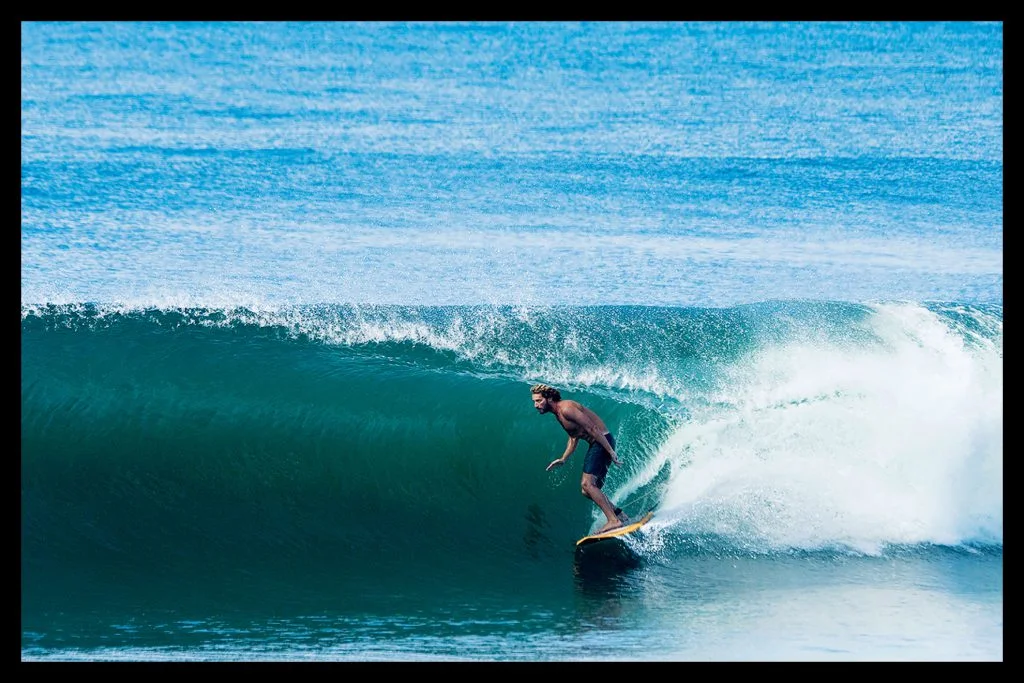
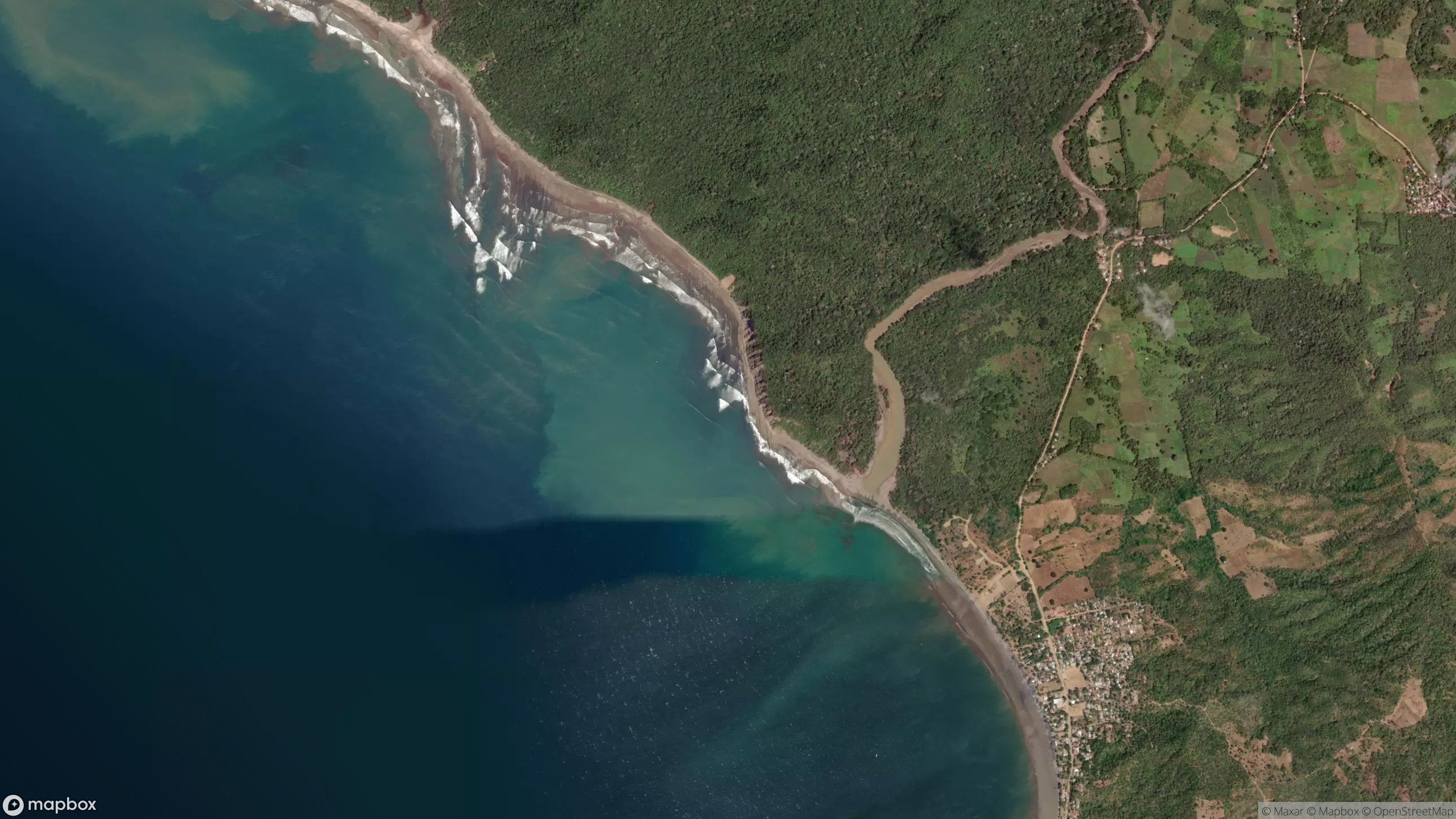
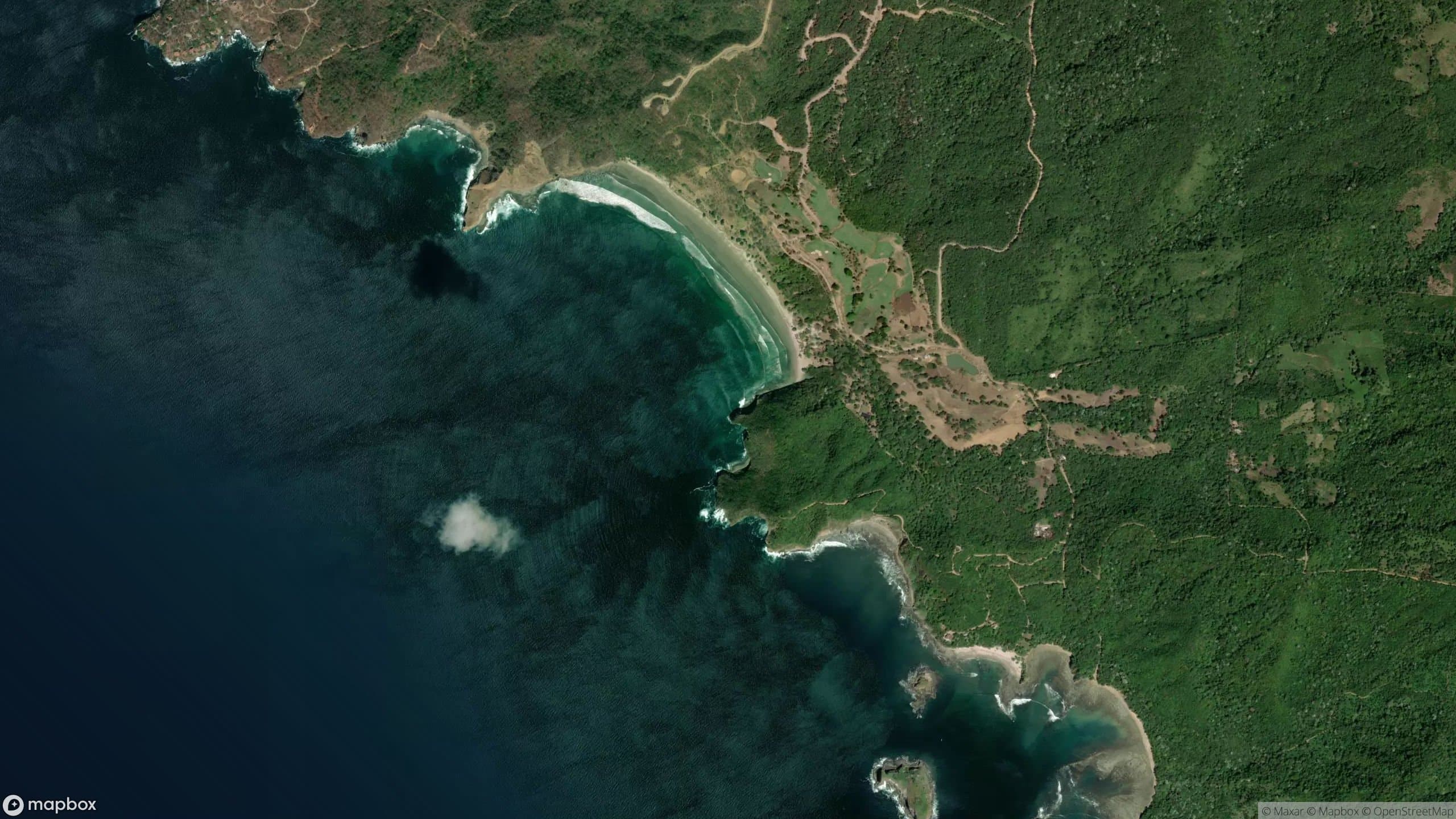
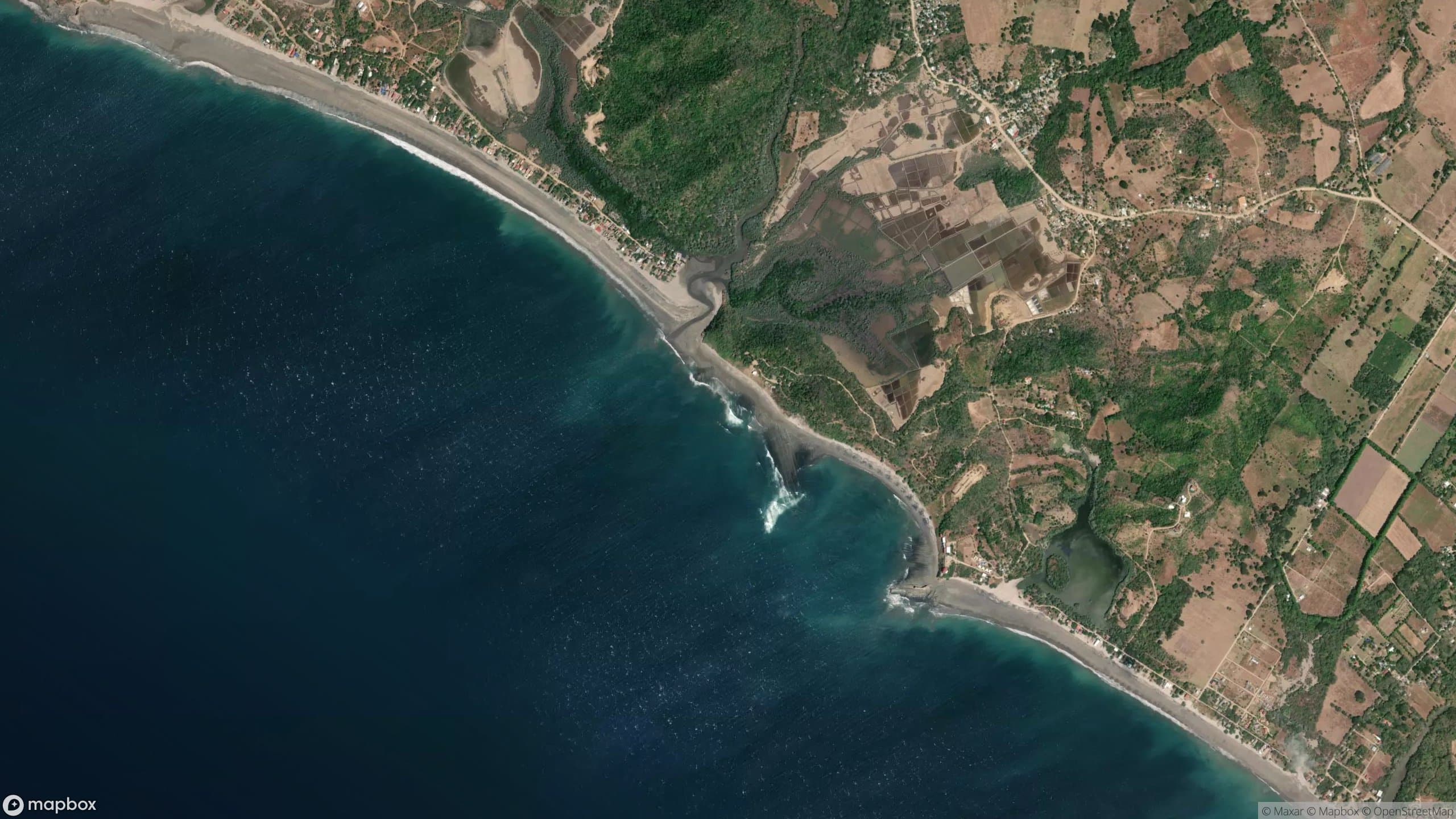
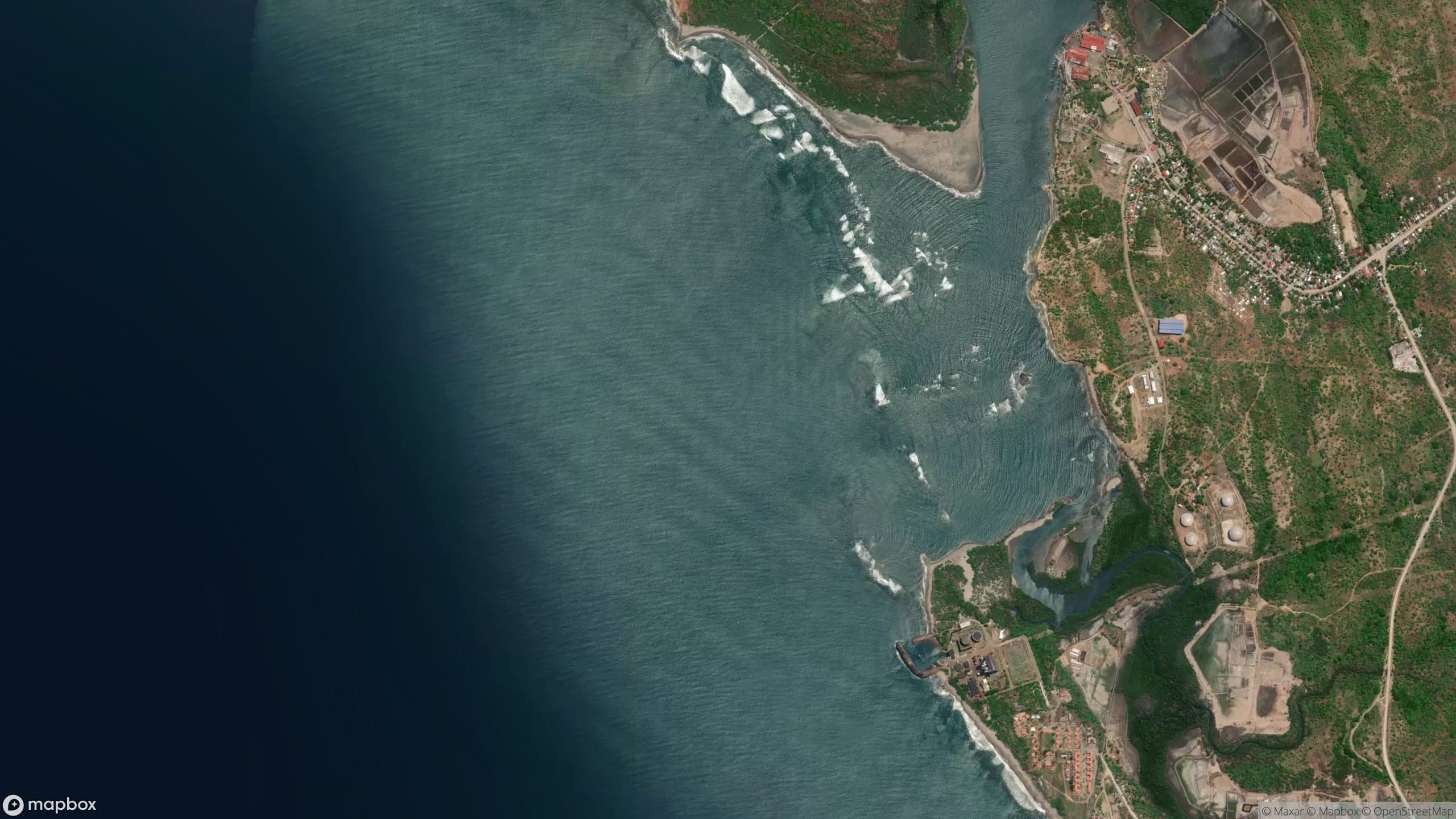
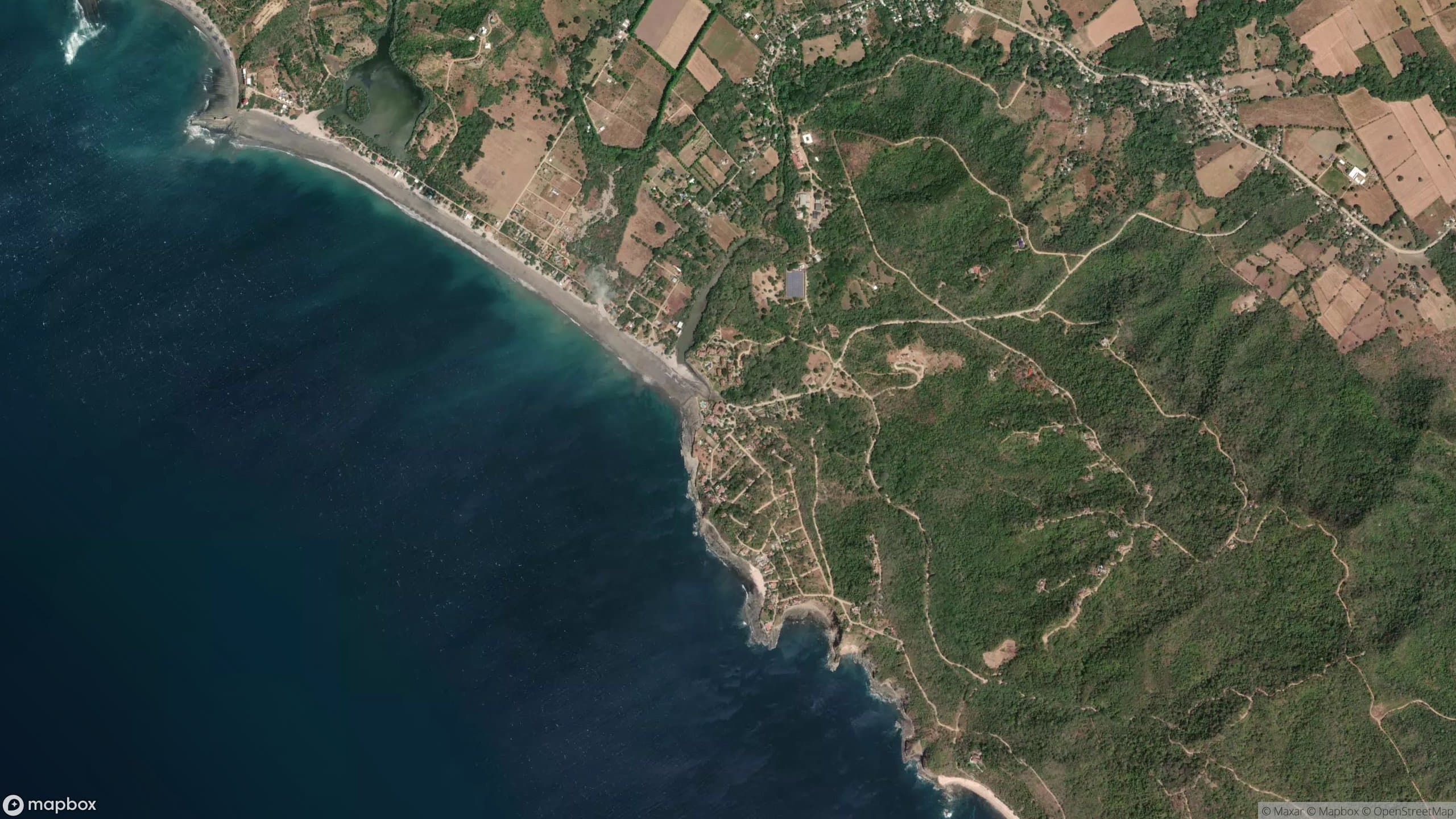
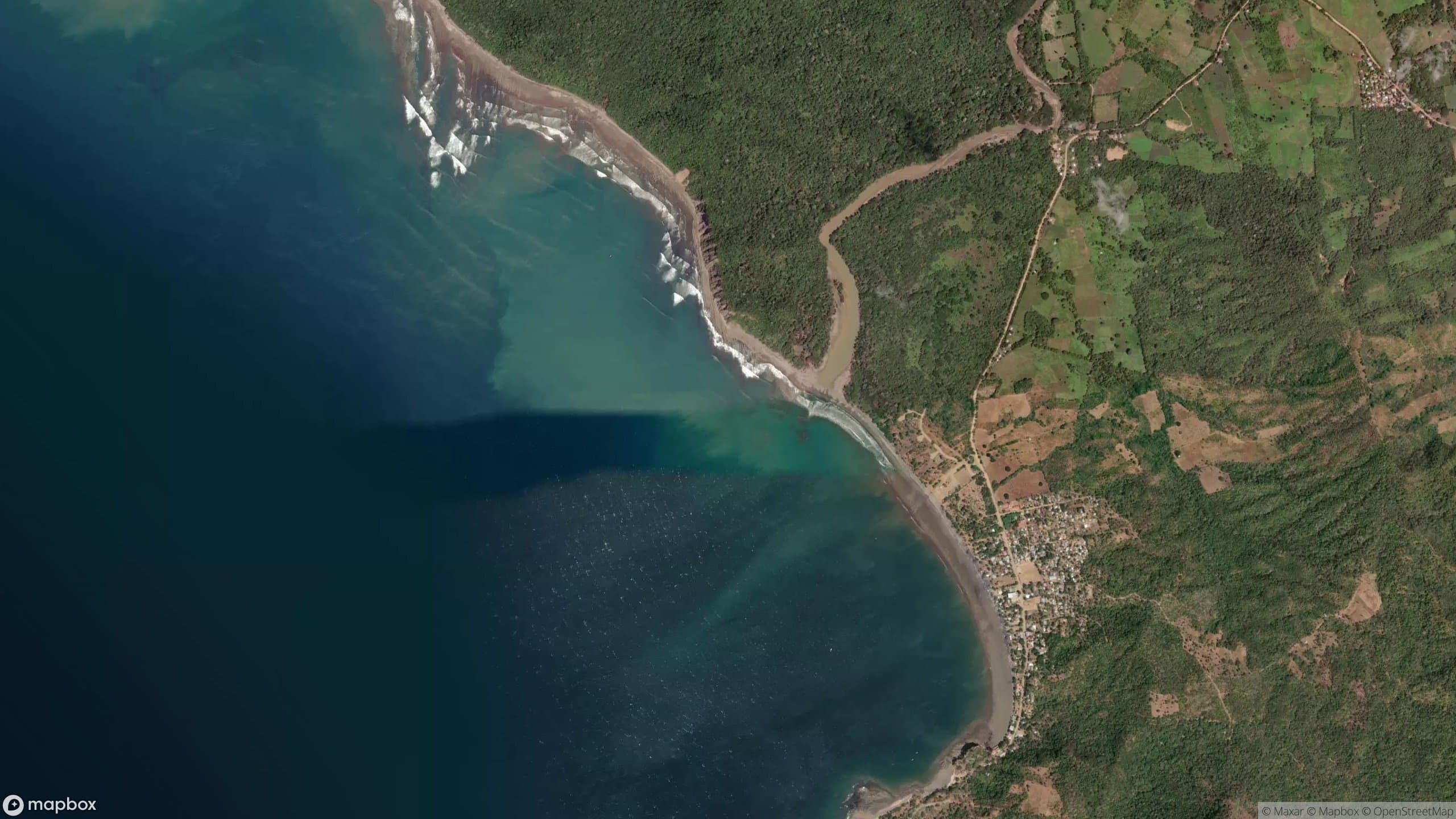
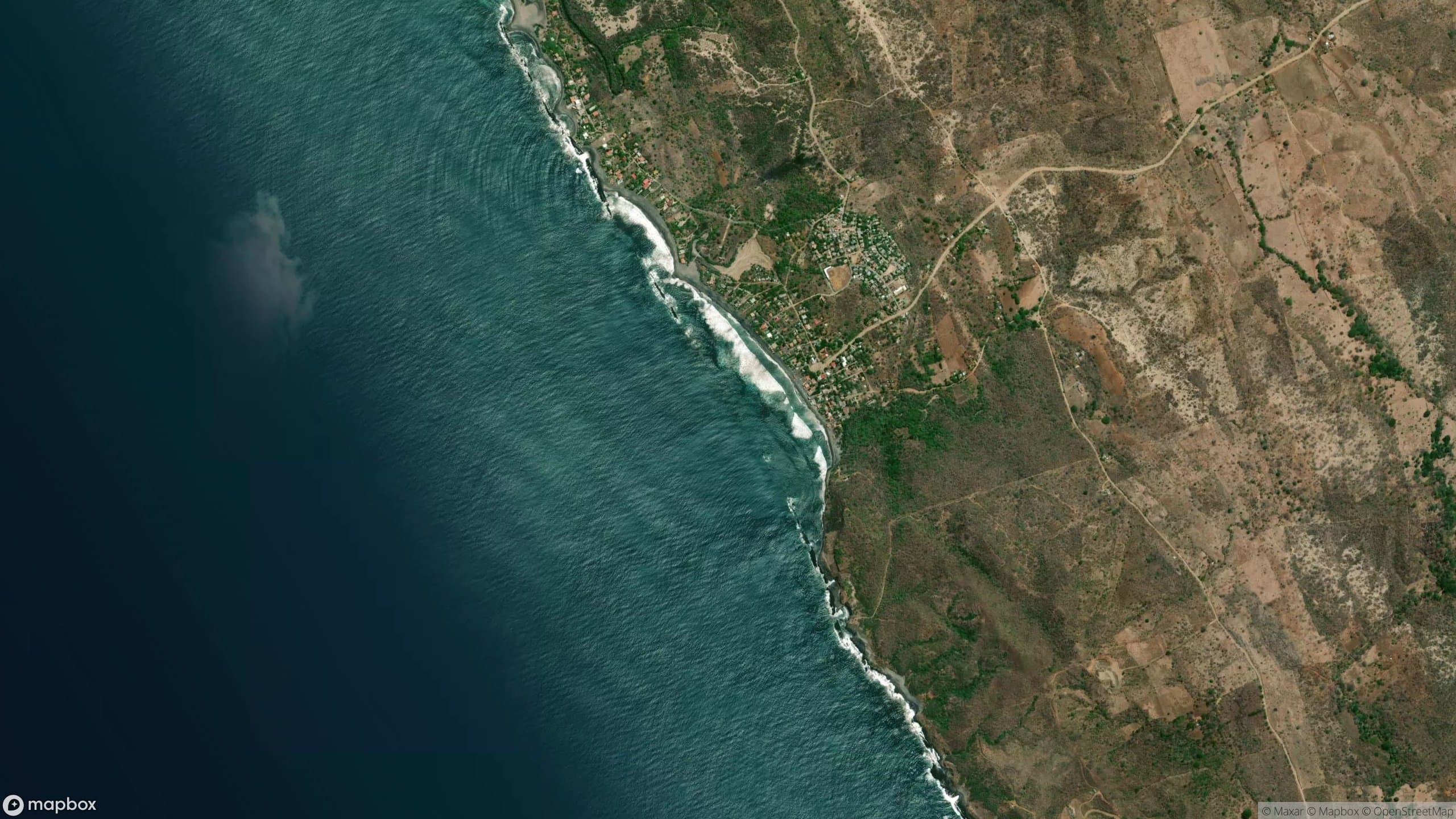
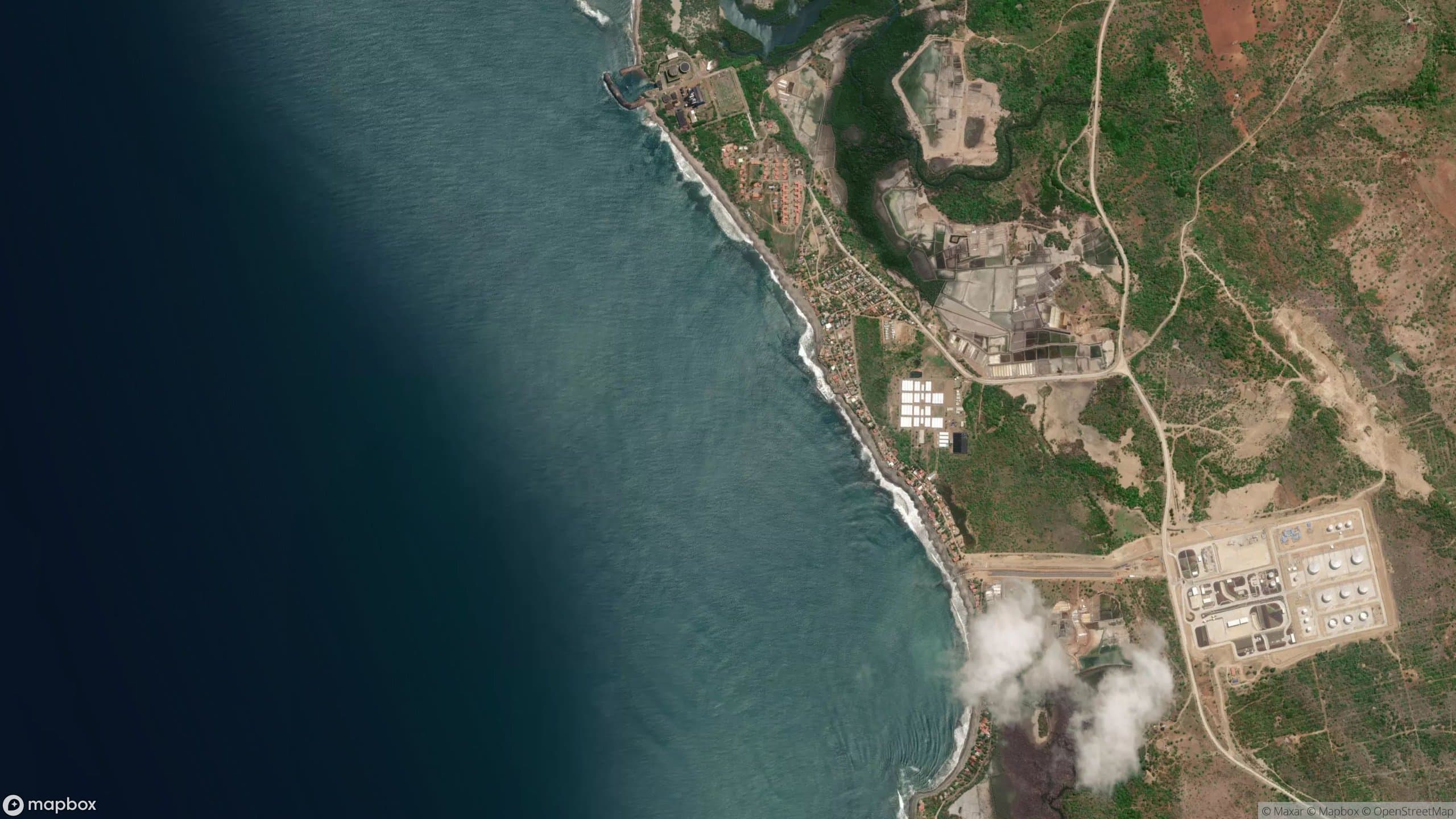
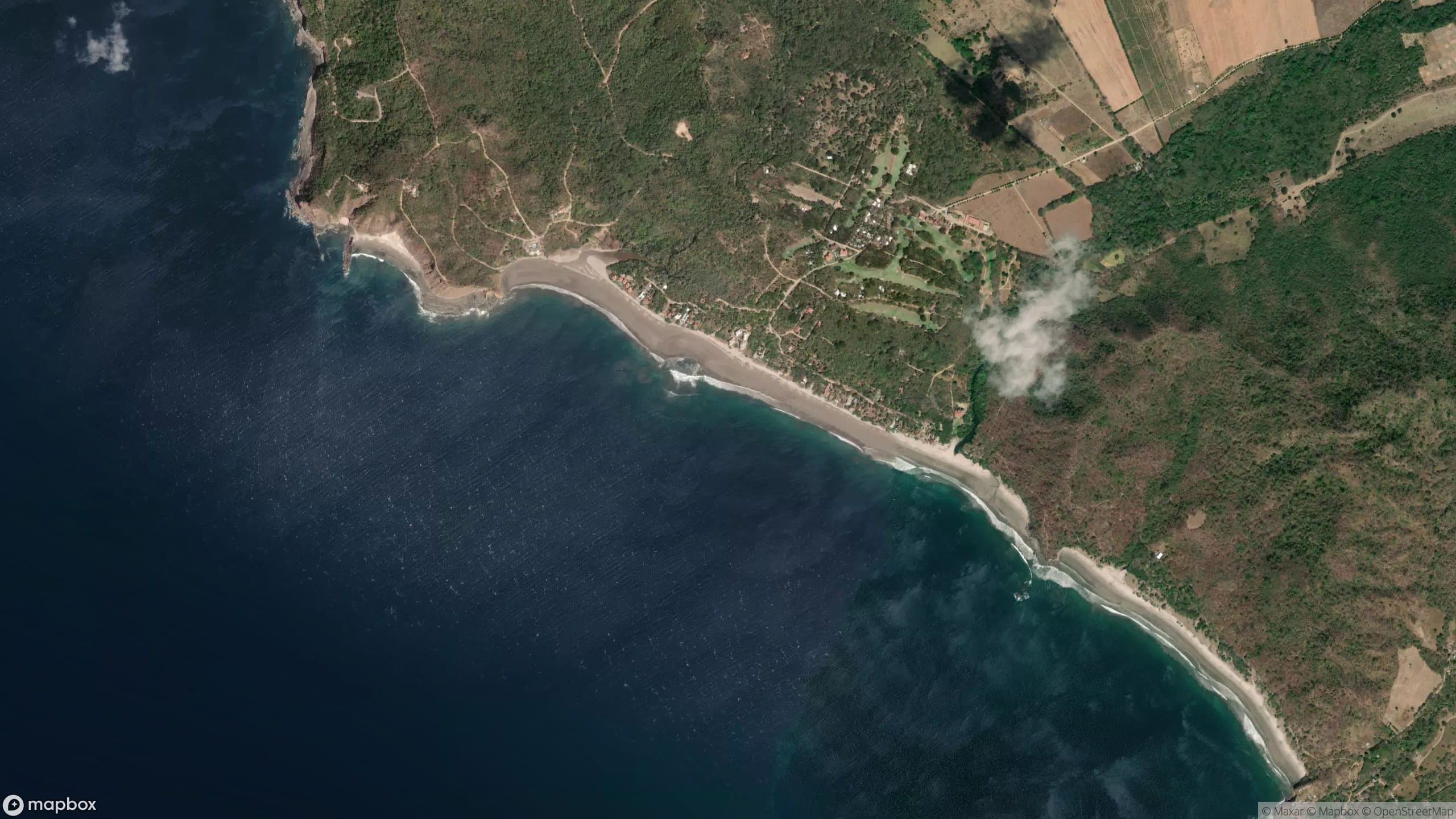
The Popoyo zone in the Tola district is the main hub. Guasacate village sits at the center, with Popoyo Outer Reef a short boat ride offshore and Playa Colorado reachable by road 15km south. Popoyo Outer Reef is a powerful, mostly right-hand reef break with a left option on the south side of the main peak. It handles swells from 4-12ft and gets hollow and fast on bigger days. Playa Colorado is a beach-reef break that barrels hard on 3-6ft SW swell, one of the most photogenic waves in the country. Panga Drops, a horseshoe-shaped deepwater reef sitting just north of Colorado, is among the most consistent and powerful waves in Nicaragua and works on almost any swell direction. Lance's Right is a long, mellow right-hand wall further south toward El Gigante village, more forgiving than the main Popoyo reef and a better option for surfers stepping up from beachbreaks. El Gigante, a small fishing village south of Colorado, offers another cluster of point and reef breaks with even less crowd pressure than Guasacate. Puerto Sandino, 90km northwest toward Managua, holds a long rivermouth left useful when the Popoyo zone is too big or blown out.
Logistics
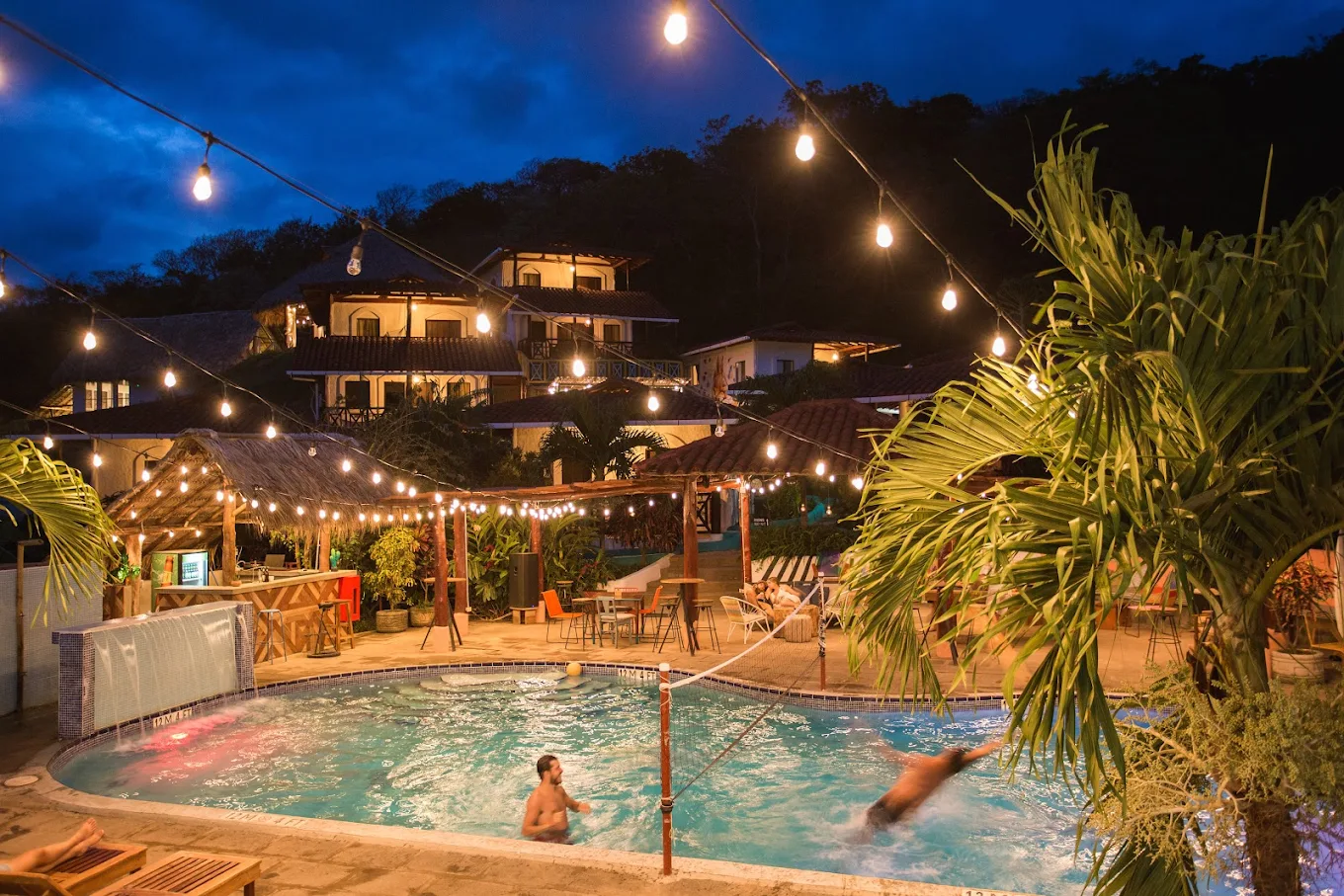
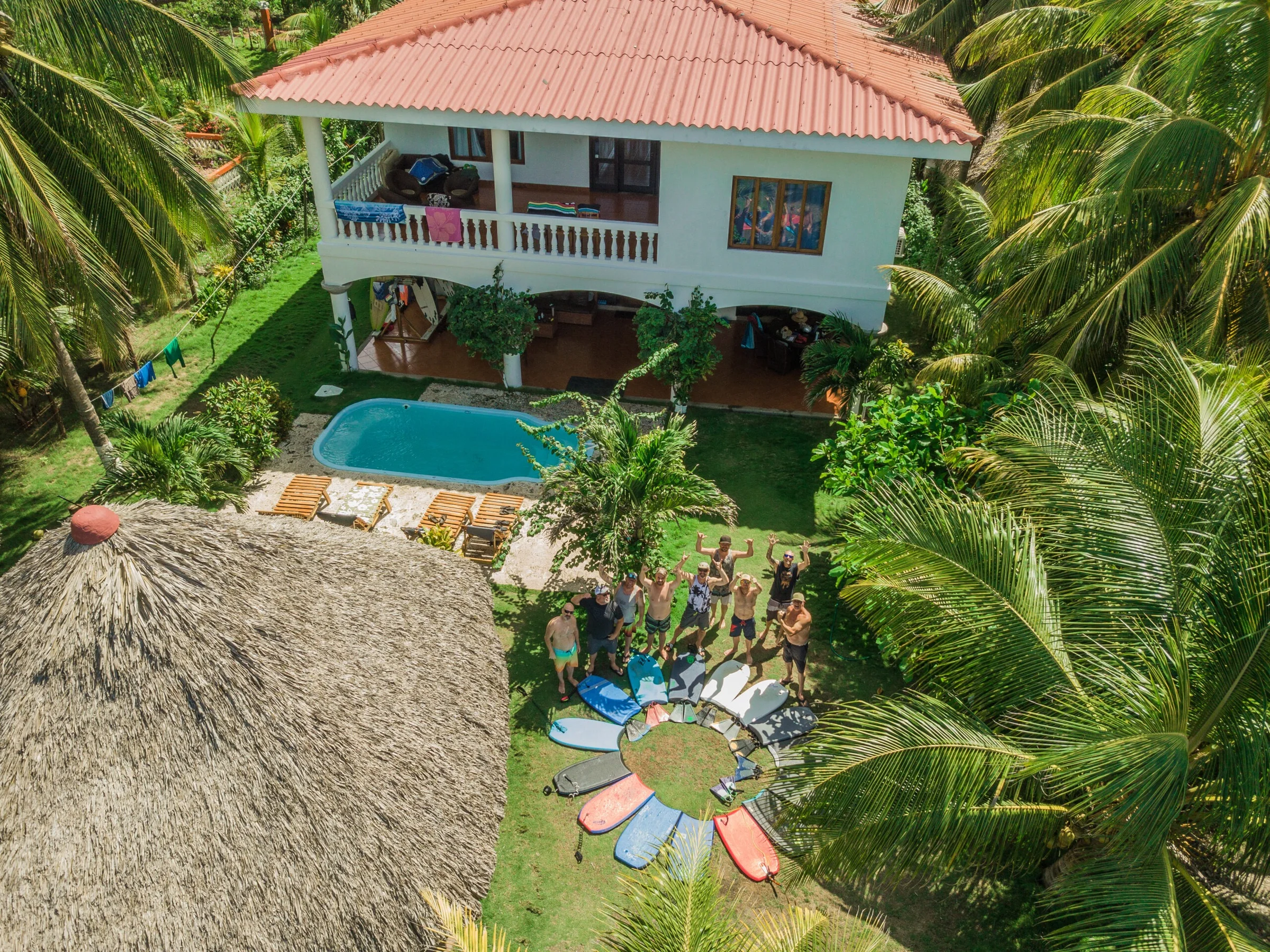
Fly into Augusto Sandino International Airport (MGA) in Managua and take a shared shuttle south to the Popoyo area, a 2.5-hour drive for $15-25 USD. Private taxis and shuttle services also run from the airport. Most surf camps provide pickup from Managua on arrival days. The zone has no real town center, so camps with shuttle service or scooter hire are the most practical base. Scooter and quad rental is available for $40-60 USD per day and opens up the full range from Guasacate to Colorado to Panga Drops. Road quality has improved considerably in the past decade but some dirt tracks to outer breaks require 4WD in the wet season. Playa Colorado has surf camps and hostels within walking distance of the break. Guasacate has more options for longer stays and a small supermarket.
Money and connectivity
The Nicaraguan cordoba (C$) is the official currency. USD is widely accepted throughout the surf zone and most camp operators prefer it. No ATMs exist in the Guasacate and Playa Colorado areas. The nearest machines are in Rivas, 45 minutes away by road. Arrive with enough USD cash for your entire stay, typically $400-700 for 10 nights including accommodation, food, and transport. Credit cards are accepted at some lodges but not widely. Mobile internet works at most surf camps via Tigo or Movistar. eSIM options are available but coverage outside the Guasacate village center is patchy.
Visa and entry
US, UK, Canadian, Australian, NZ, and EU citizens can enter Nicaragua without a visa for up to 90 days. A tourist stamp is purchased on arrival: $10 USD cash, exact change required. Your passport must be valid for at least 6 months beyond your intended departure. The entry card issued on arrival must be kept and surrendered on exit. Nicaragua, Honduras, El Salvador, and Guatemala form the CA-4 border zone. Time spent in any of these countries counts against your 90-day limit. If combining a Nicaragua trip with other Central American destinations, be aware the CA-4 clock runs continuously across all four countries.
Health and safety
Hepatitis A, typhoid, and an updated tetanus shot are recommended before departure. Malaria risk is low on the Pacific coast but exists in some rural inland areas. Dengue is present year-round and peaks during the wet season. Use DEET-based repellent and eliminate standing water near accommodation. Drink bottled or filtered water only. Tap water in Guasacate and rural surf zones is not reliably safe. Nicaragua has a lower violent crime rate than Honduras and El Salvador. The main risks in the surf zone are petty theft from unattended beach bags and camera gear. Do not leave dry bags or valuables visible inside rental vehicles. The political situation has been tightly managed since 2018 and foreign travelers are generally not affected, but check your government travel advisory before departure and register with your embassy.
Food and culture
Gallo pinto, the Nicaraguan rice-and-beans standard, is served at nearly every meal and is substantially better than its description suggests. Beef, chicken, and fresh fish fill out most menus in the surf zone. Ceviche at the beach is cheap and good near the coast. Surf camp meals are large and honest. A full day of food at local sodas in Guasacate costs $8-15 USD. Spanish is the language of the entire Pacific coast. A working vocabulary of basic Spanish helps considerably outside camp. Nicaraguans in the surf zone are accustomed to visiting surfers and generally warm. Tipping is not obligatory but 10% at restaurants is a reasonable norm. Buying a round of drinks for local boat crew goes further than any service tip.