When to go
The US is so geographically wide that there is no single best season. Think in coastlines.
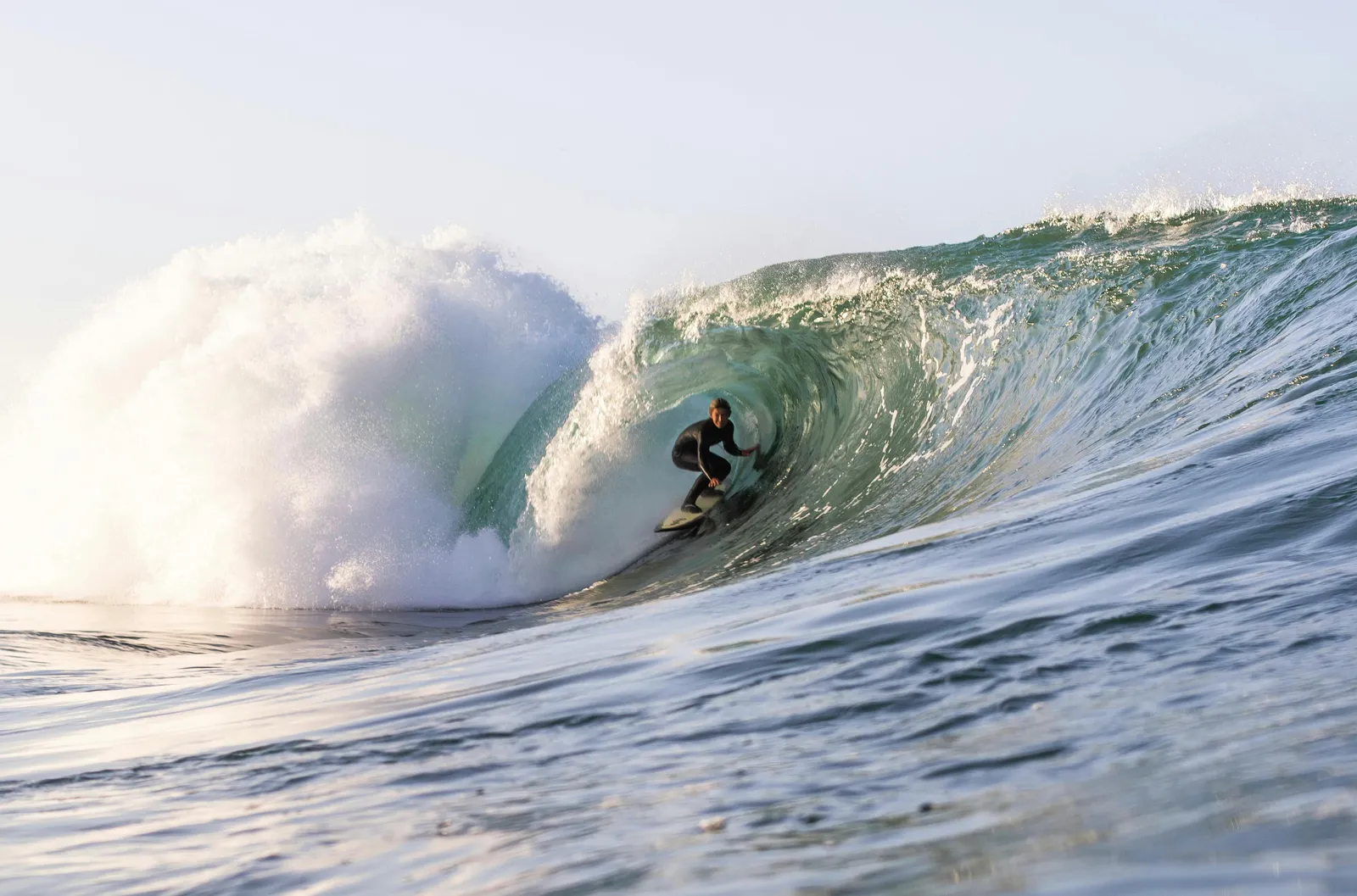
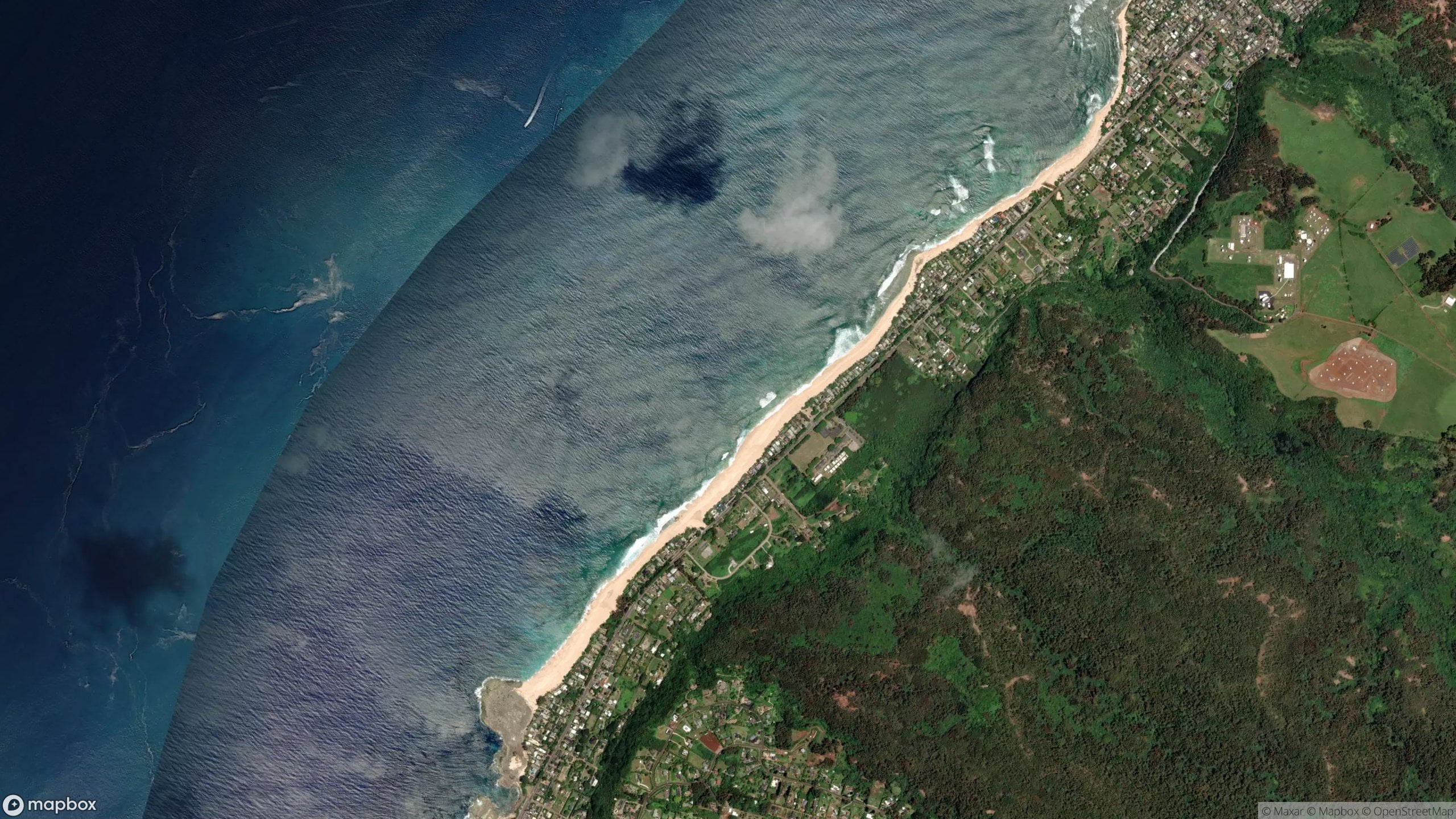
Hawaii: Winter is king. November through February brings North Pacific groundswell to Oahu's North Shore and Maui's west coast. Faces run 8ft to 20ft-plus on the biggest days. South and east shores flip to life April through October on south swells, offering mellower, longer-period rides. If you're chasing Pipeline or Jaws, book a window in December or January.
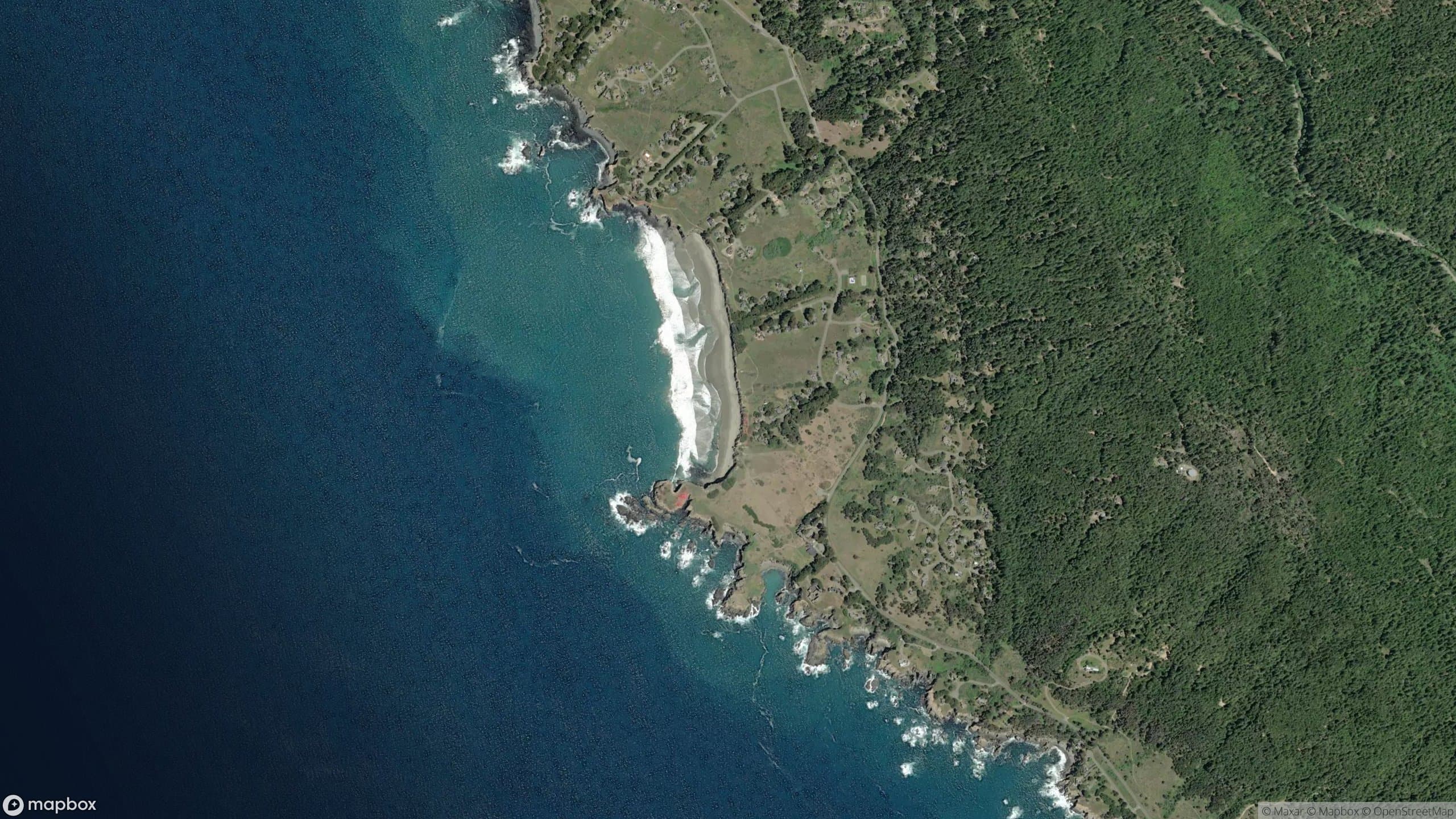
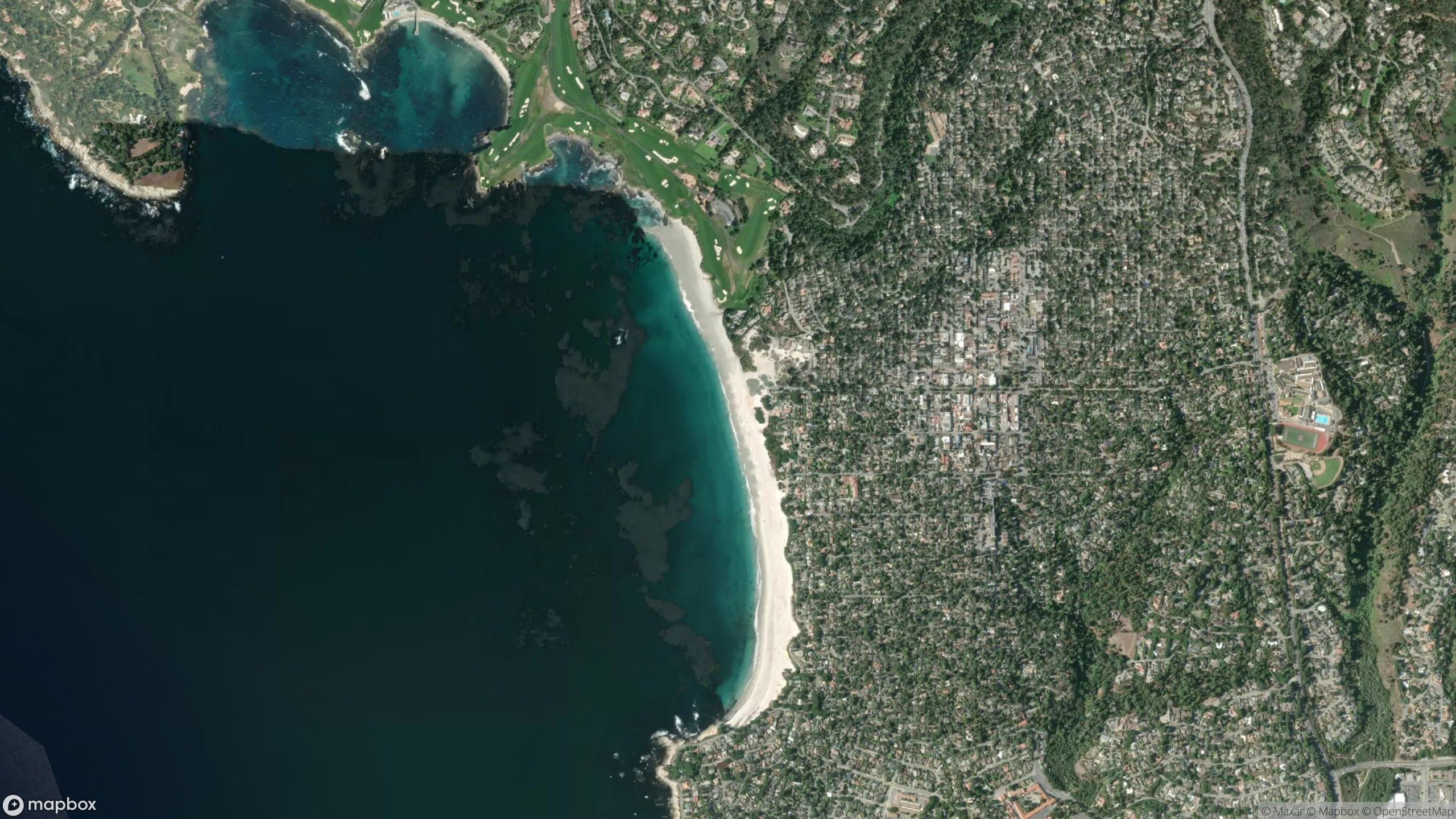
California: Fall is my favorite time to be here. September and October deliver long-period SSW energy from southern hemisphere storms with offshore winds and thin crowds compared to summer. November through February brings powerful W and NW swell to the entire coast. Summer is largely flat north of Santa Barbara, though dawn sessions still happen on S swells. If I had one month, I'd pick October.
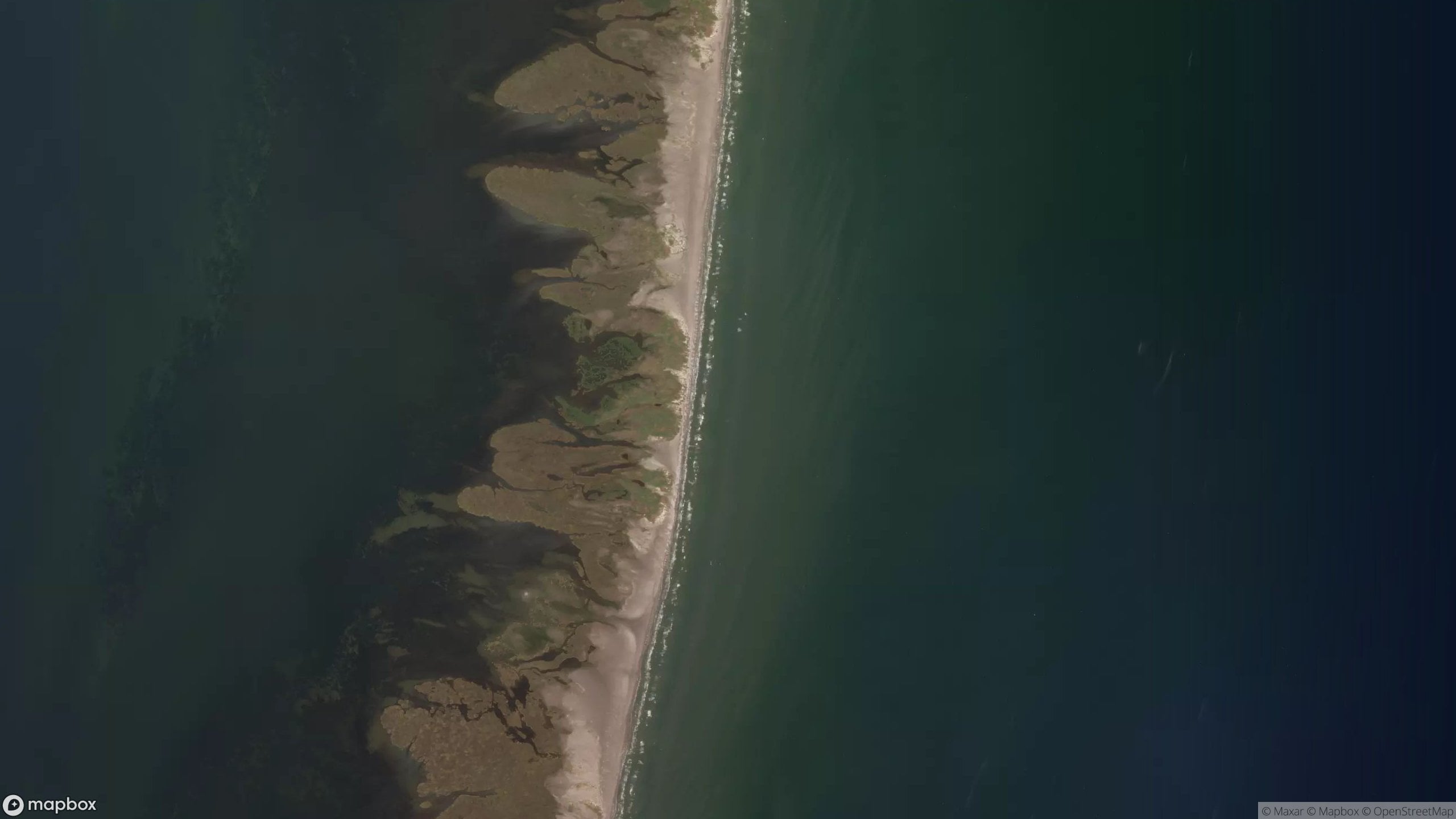
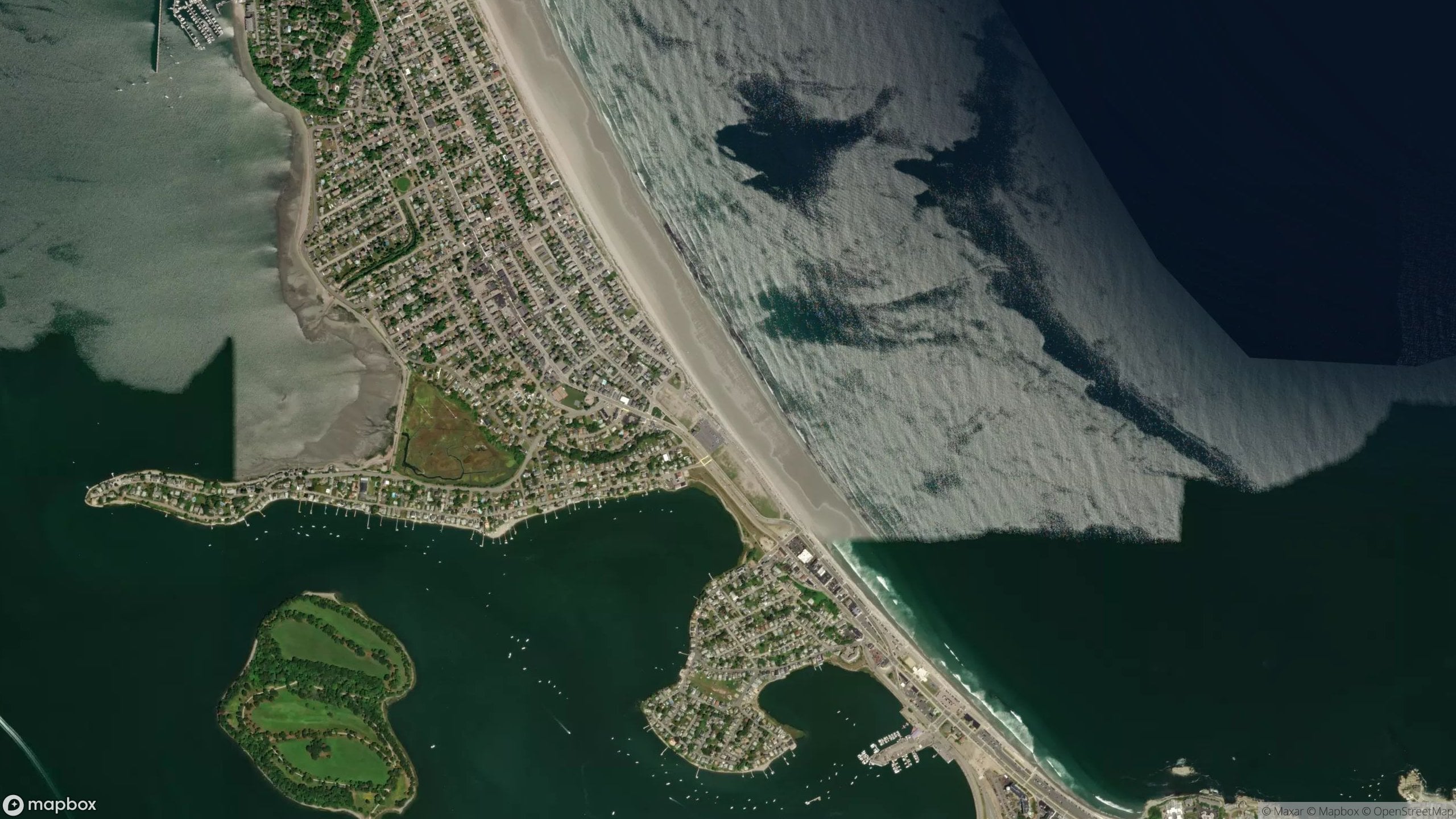
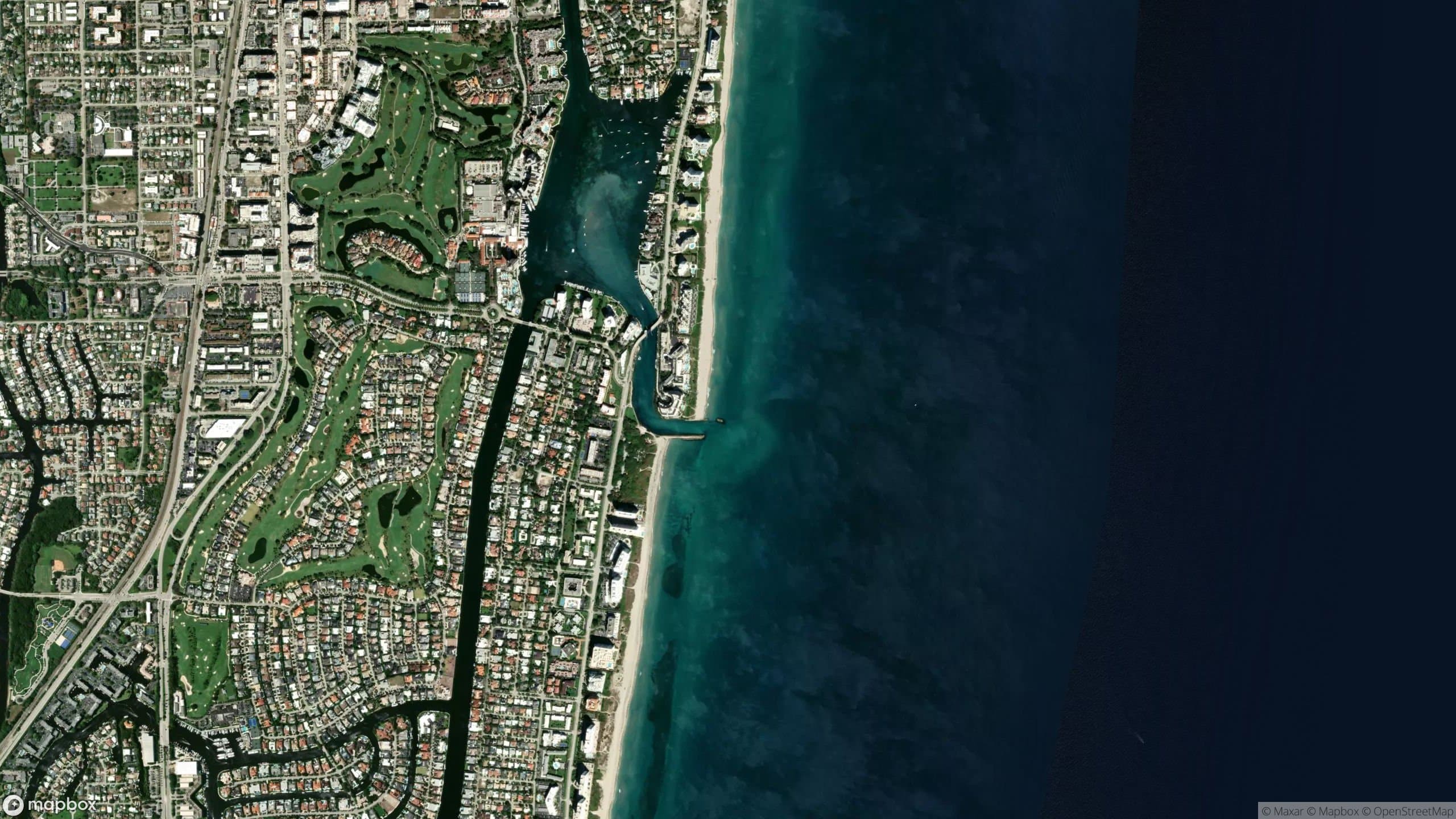
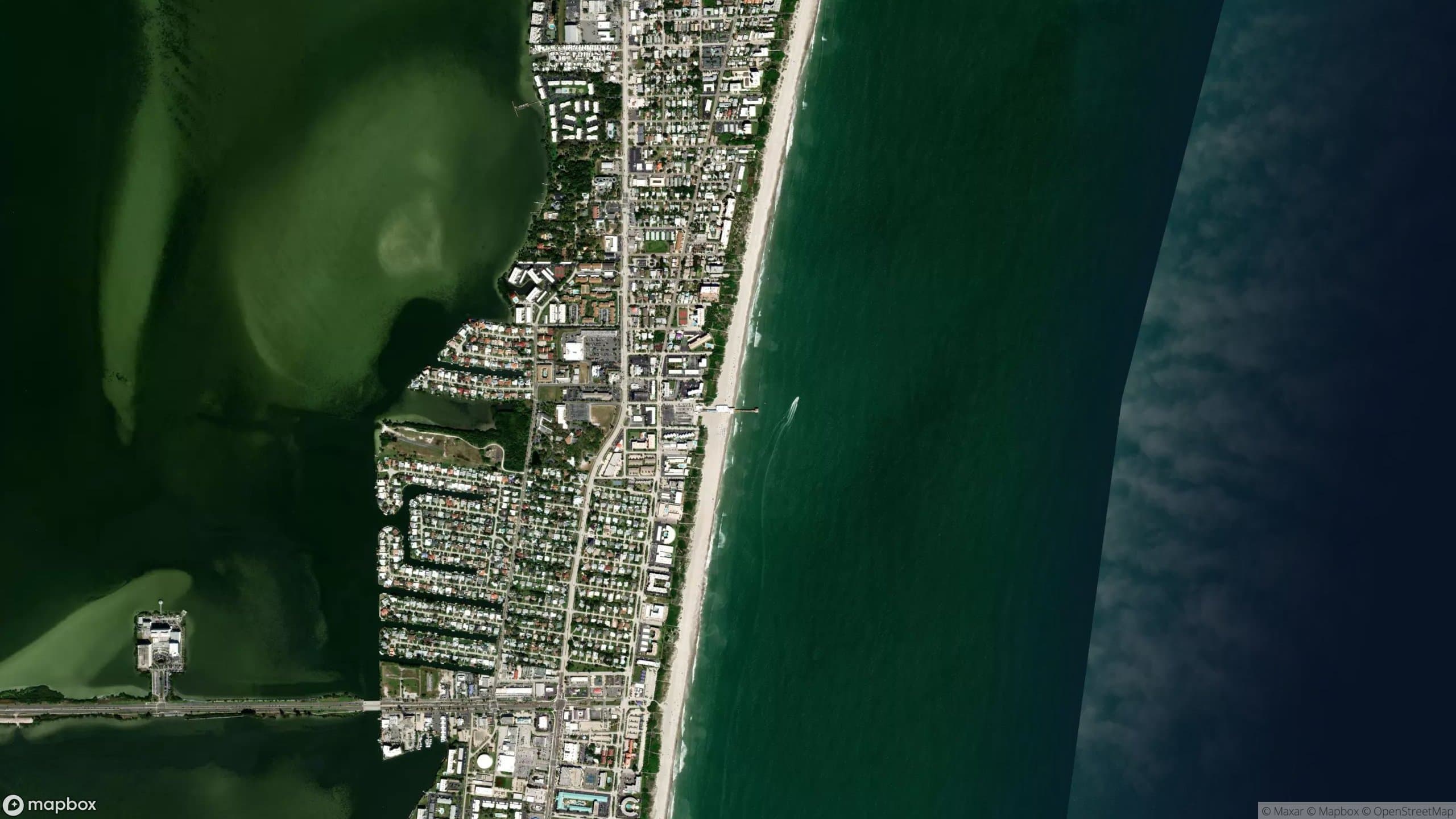
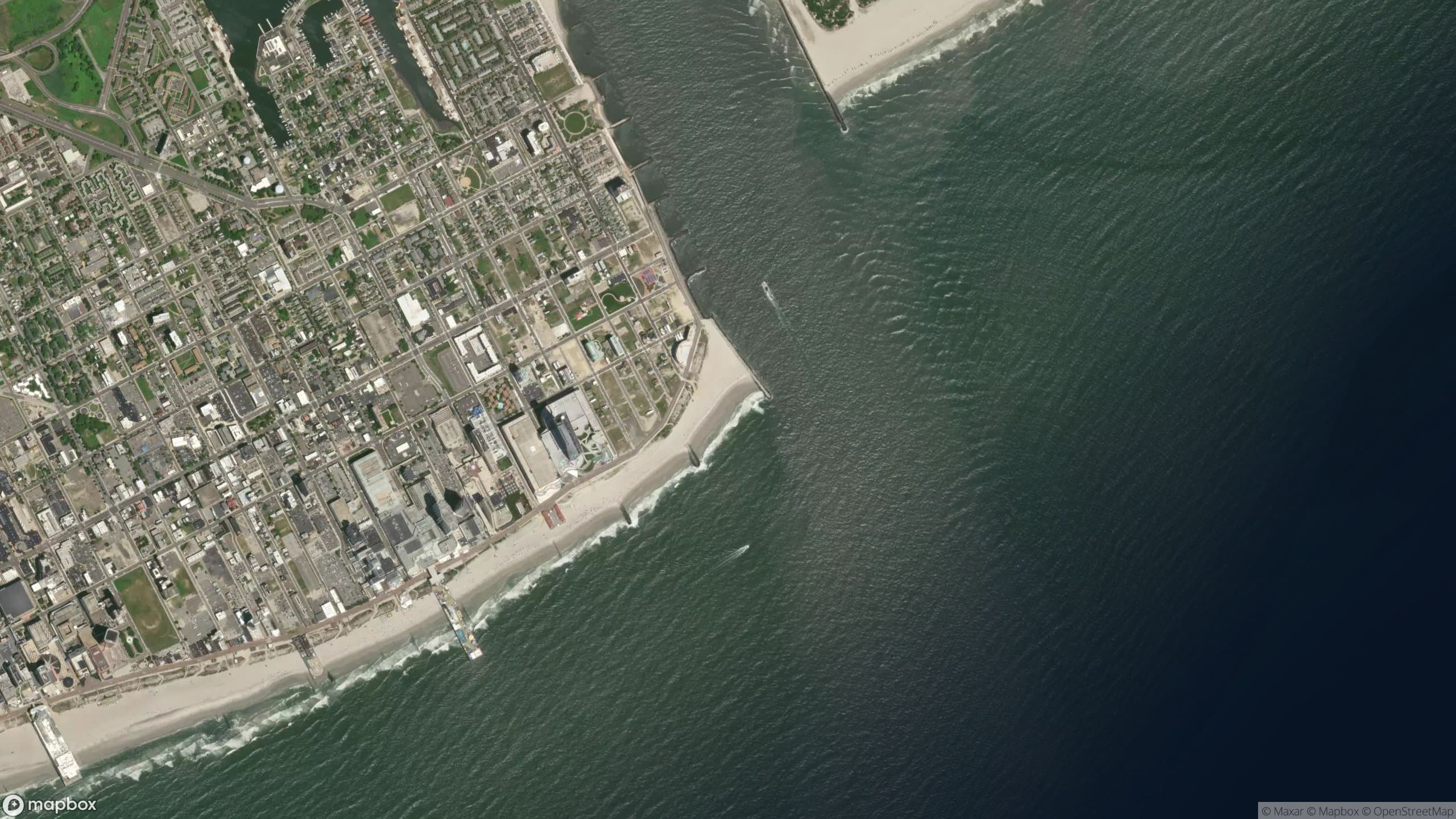
Atlantic Coast (Florida, Carolinas, New Jersey, New England): September through March is the window. Nor'easters from October onward are the primary swell engine. Sebastian Inlet in Florida, the Outer Banks in North Carolina, and the New Jersey jetties fire hardest when a strong NE storm tracks offshore. Hurricane season, August through October, occasionally delivers world-class SE swell to the Carolinas and Florida.
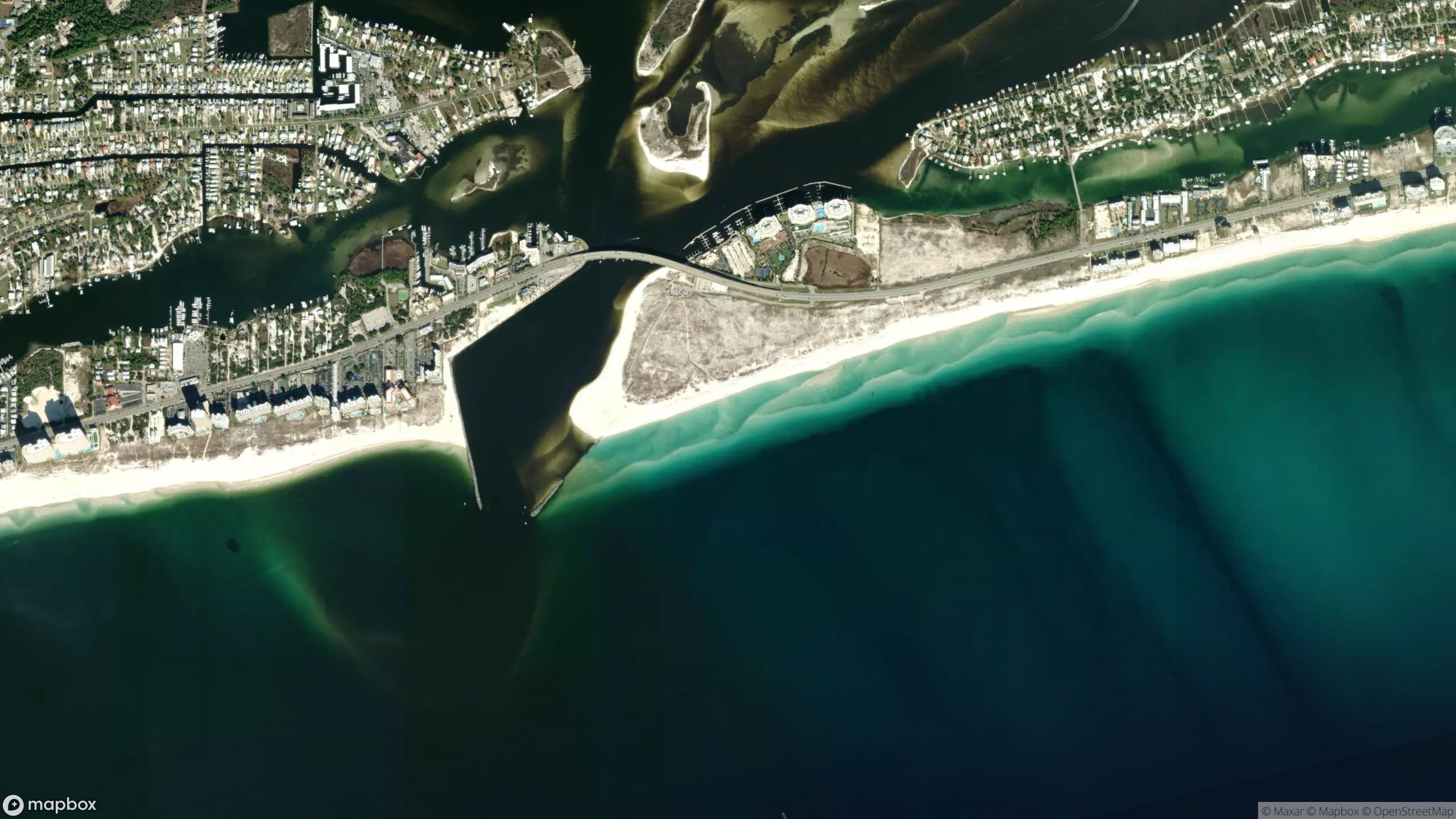
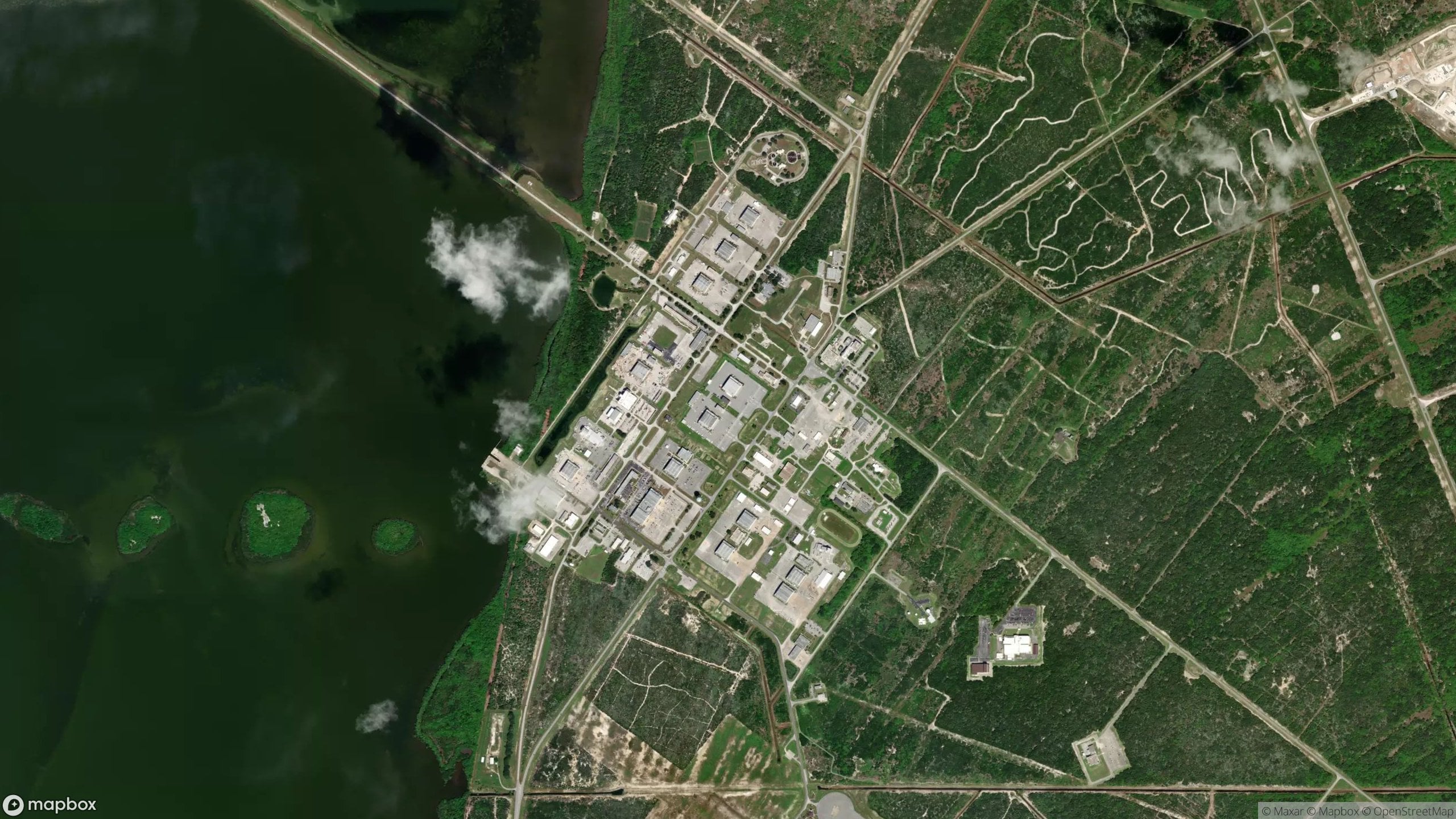
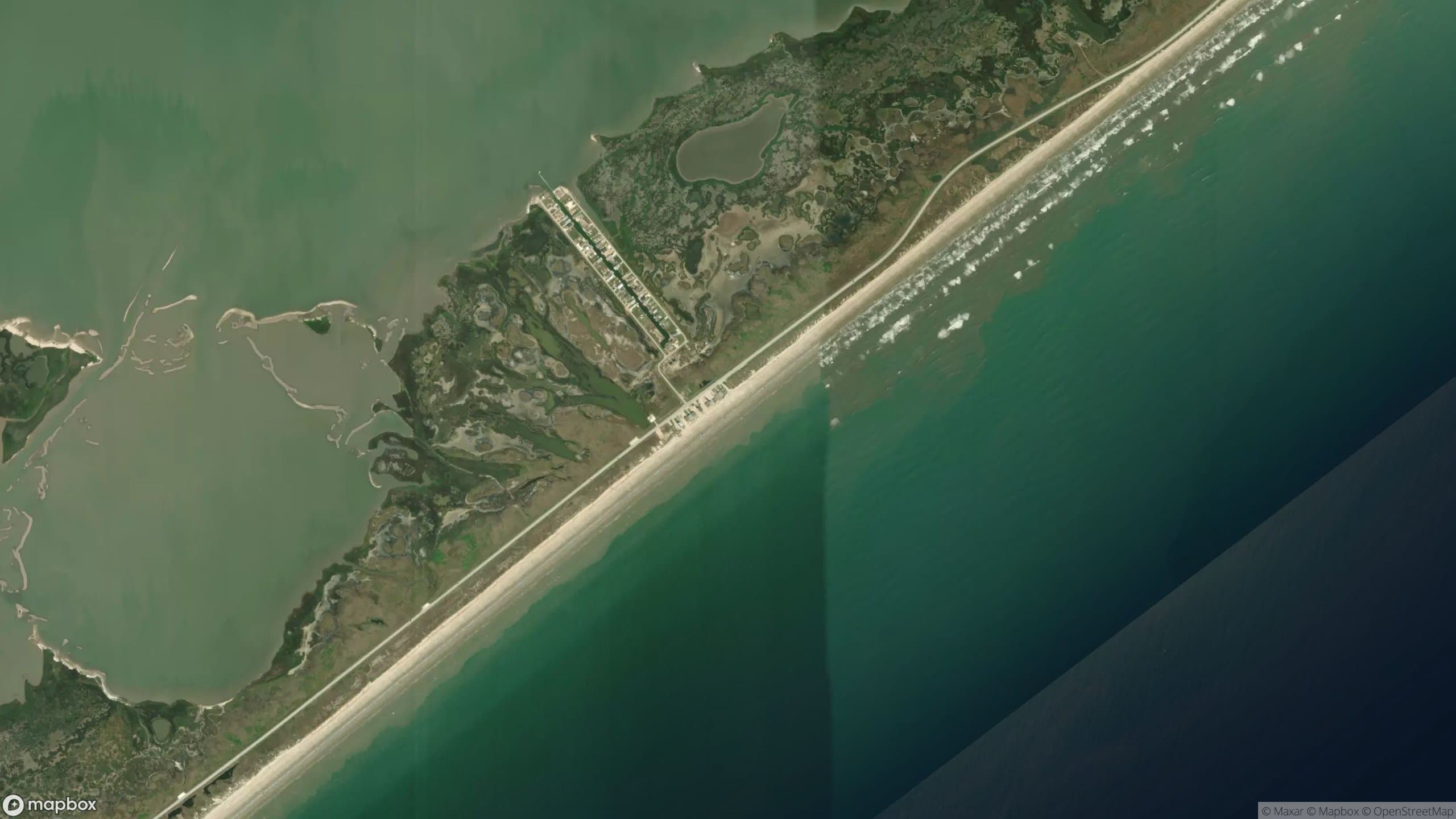
Gulf Coast (Texas, Louisiana, Alabama, Florida Panhandle): October through March for cold-front swell. Late summer for tropical systems tracking across the Gulf. Most of the time the Gulf is flat. Don't plan a dedicated surf trip here without a long weather window and low expectations.
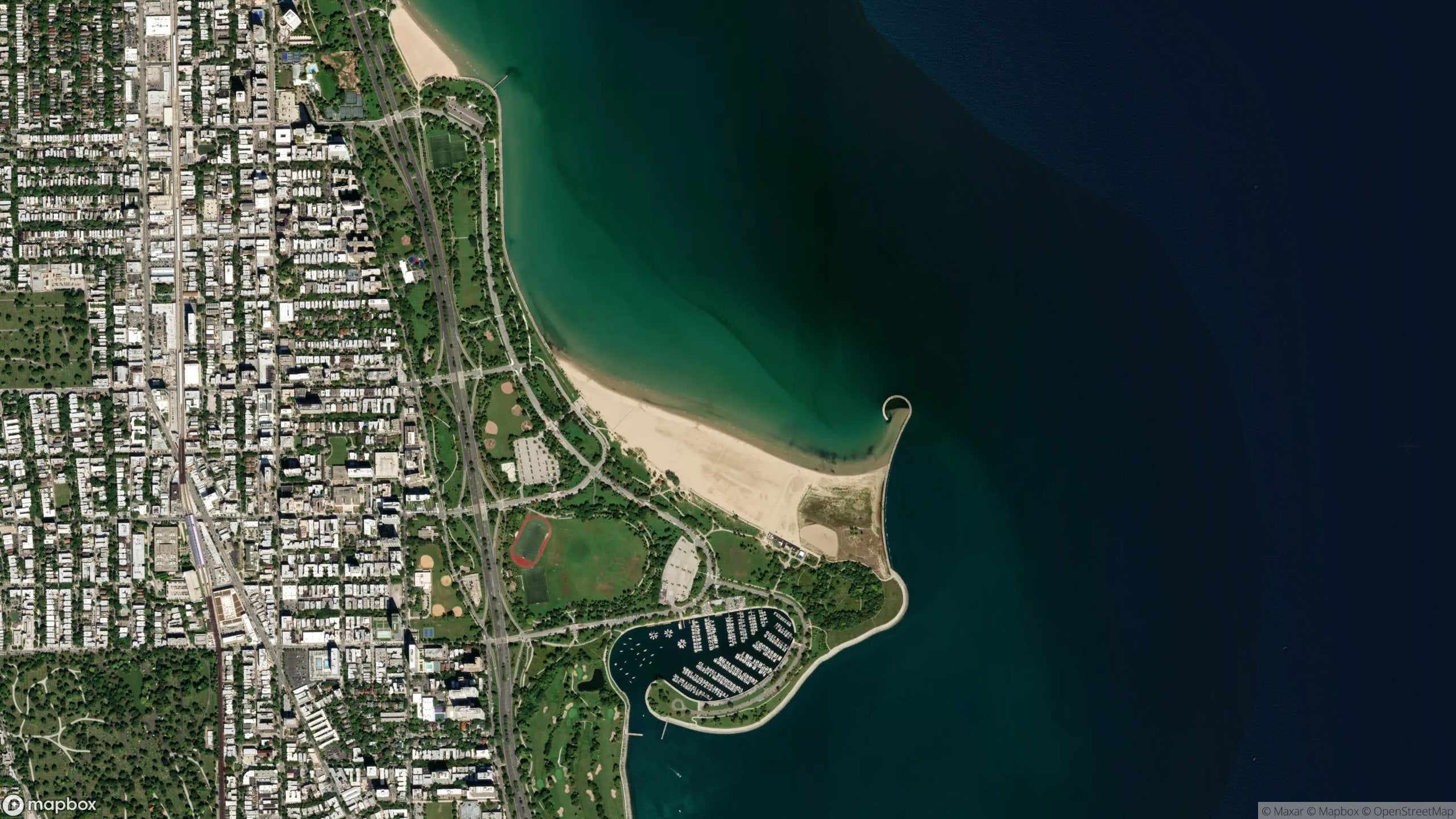
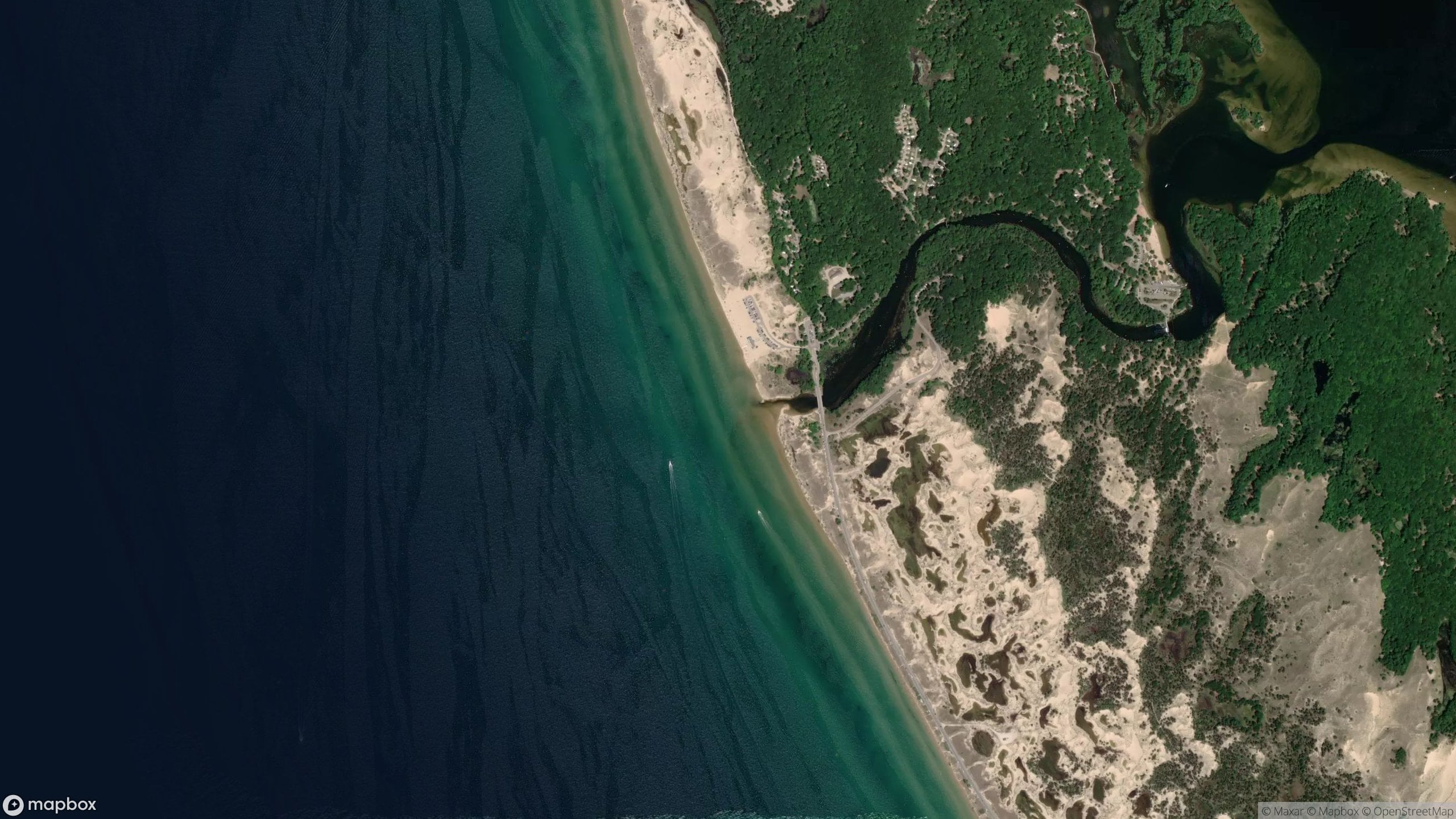
Great Lakes (Illinois, Indiana, Michigan): November through March for lake swell. NW and N wind events generate waist-to-overhead peaks on the right fetch. Water is cold, crowds are light, and the experience is genuinely unique. Wetsuits are mandatory.
Where in the country to base
First-time visitor chasing waves: Oahu, Hawaii. The concentration of breaks within a 90-minute drive of Honolulu is unmatched in the country. Waikiki is beginner-friendly. The North Shore is expert territory in winter. It's the most complete surf destination in the US.
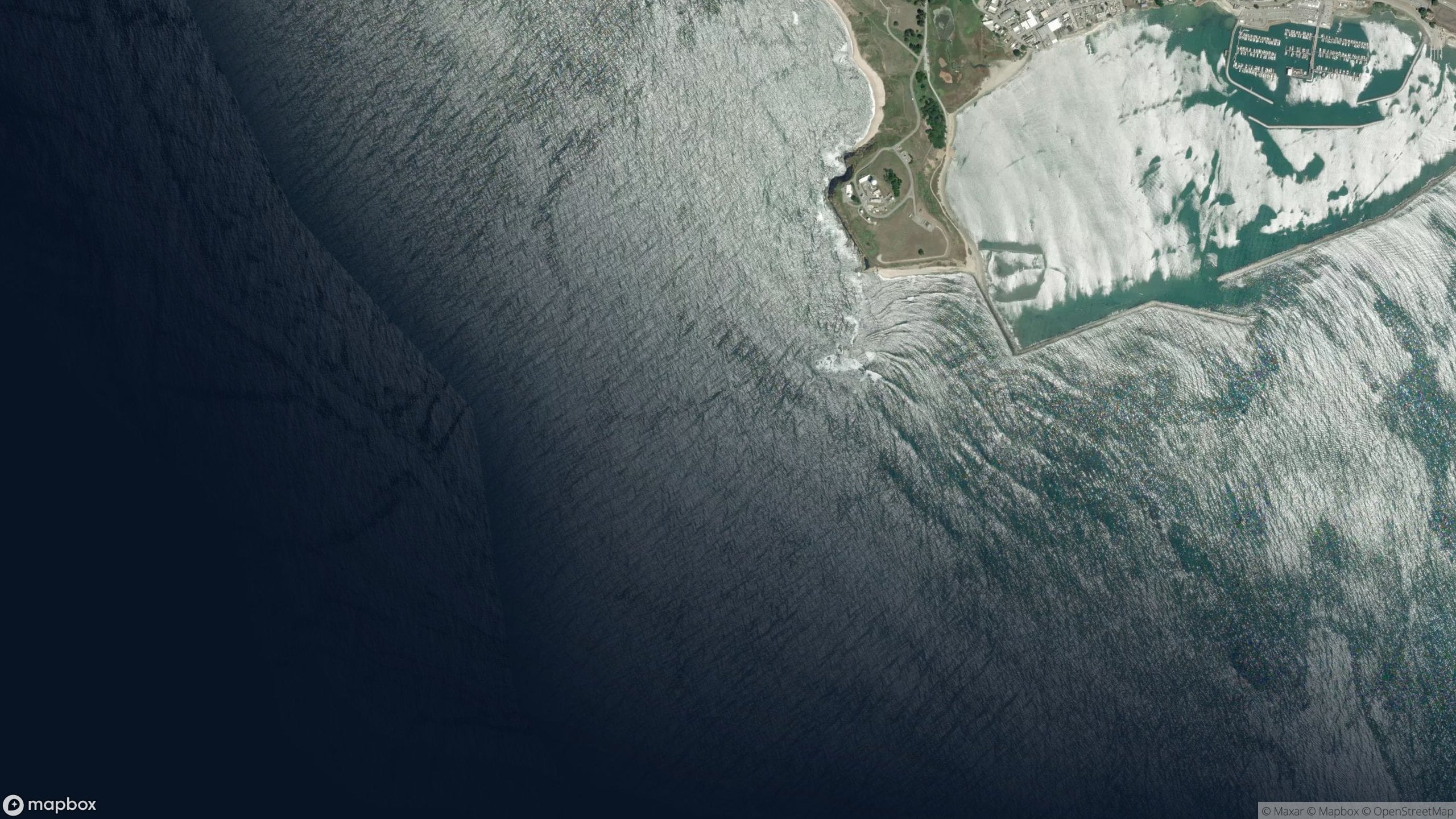
West Coast road trip: Base in Santa Cruz or San Diego depending on your direction. Santa Cruz anchors the central coast and gives you access to Steamer Lane, Pleasure Point, and Santa Cruz Beach Boardwalk breaks. San Diego puts you within reach of Ocean Beach, Blacks, and Del Mar to the north. Drive the Pacific Coast Highway between sessions.
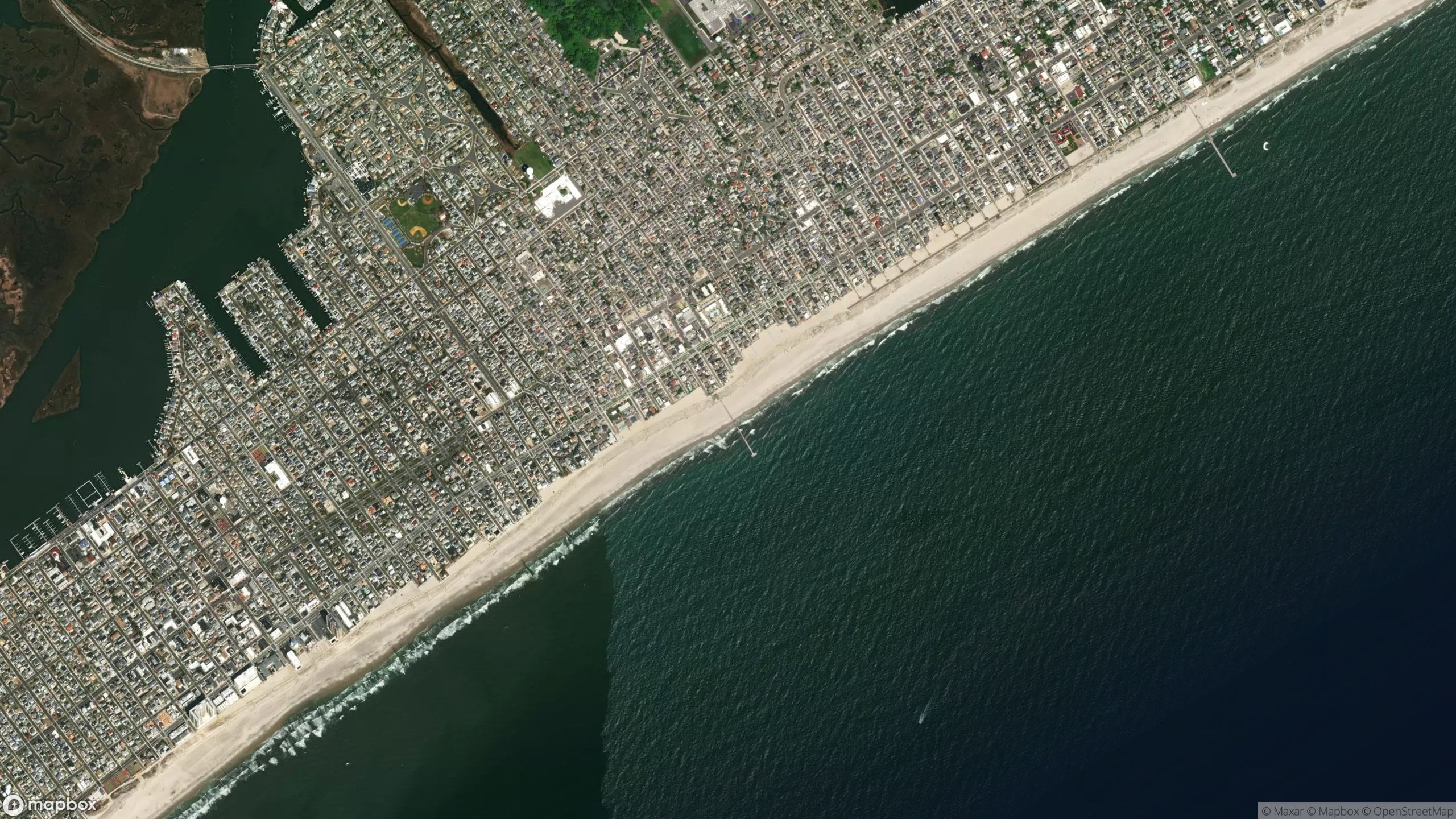
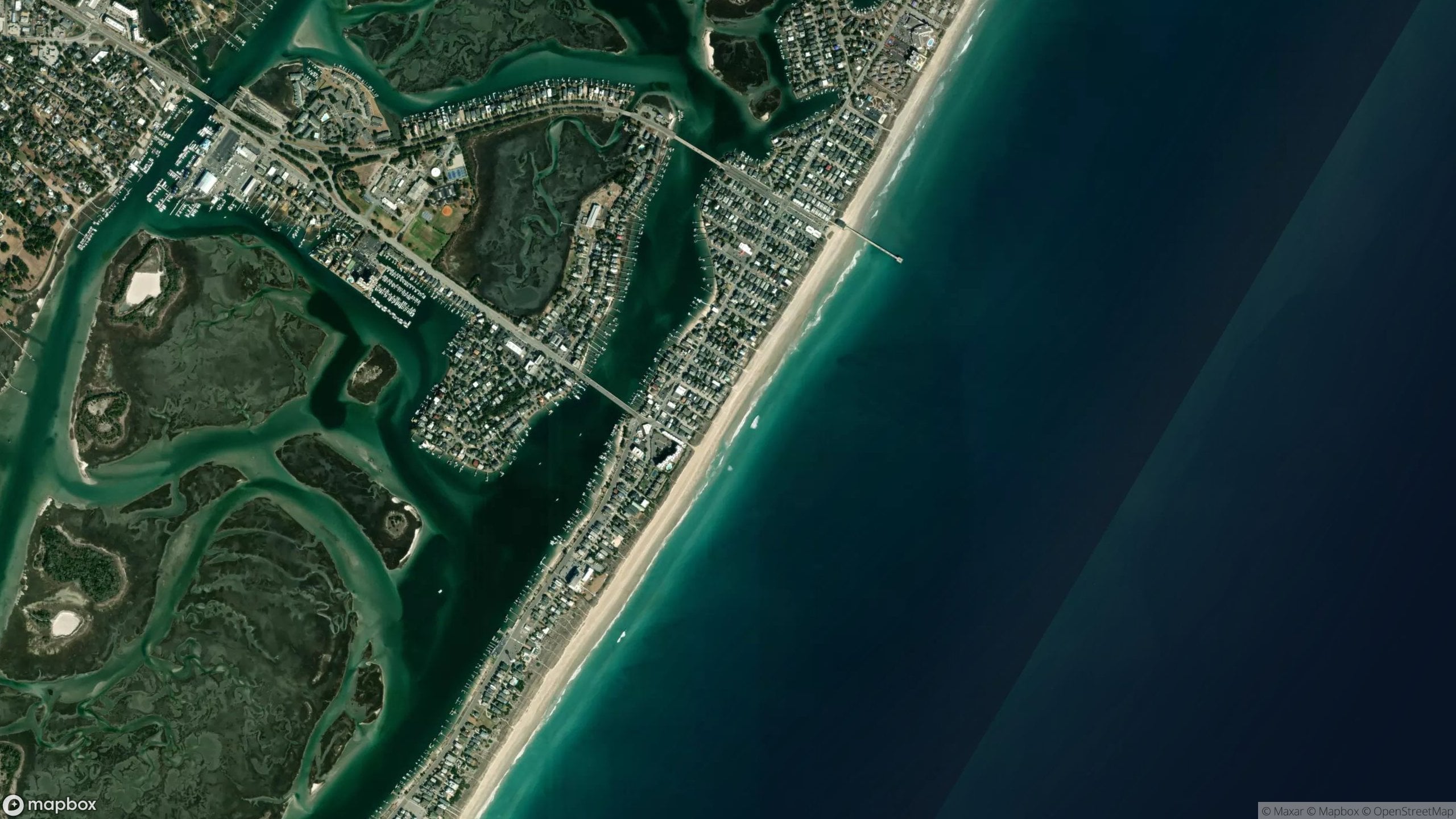
East Coast Atlantic window: The Outer Banks of North Carolina or Asbury Park, New Jersey. The Outer Banks gives you 100-plus miles of barrier island breaks with consistent NE swell exposure. New Jersey's jetty network delivers punchy, hollow beachbreak. Both are manageable on a 7-10 day trip.
Gulf and off-the-beaten-path: Corpus Christi, Texas or Orange Beach, Alabama for Gulf surf. Low crowds, low expectations, occasionally fun. Best treated as add-ons to broader travel rather than standalone surf trips.
Logistics
The US has no shortage of international airports near surf. Fly into Honolulu (HNL) for Hawaii, Los Angeles (LAX) or San Francisco (SFO) for California, Miami (MIA) or Jacksonville (JAX) for Florida, Raleigh (RDU) or Norfolk (ORF) for the Outer Banks, Newark (EWR) for New Jersey, and Boston (BOS) for New England.
Renting a car is essential everywhere outside of Hawaii's Oahu, where you can manage without one for a short trip. The US interstate system makes coastal road trips straightforward. Board bags check on most domestic flights for standard fees, though some budget carriers charge more. Rental board options exist at most surf towns, with California and Hawaii having the deepest fleets.
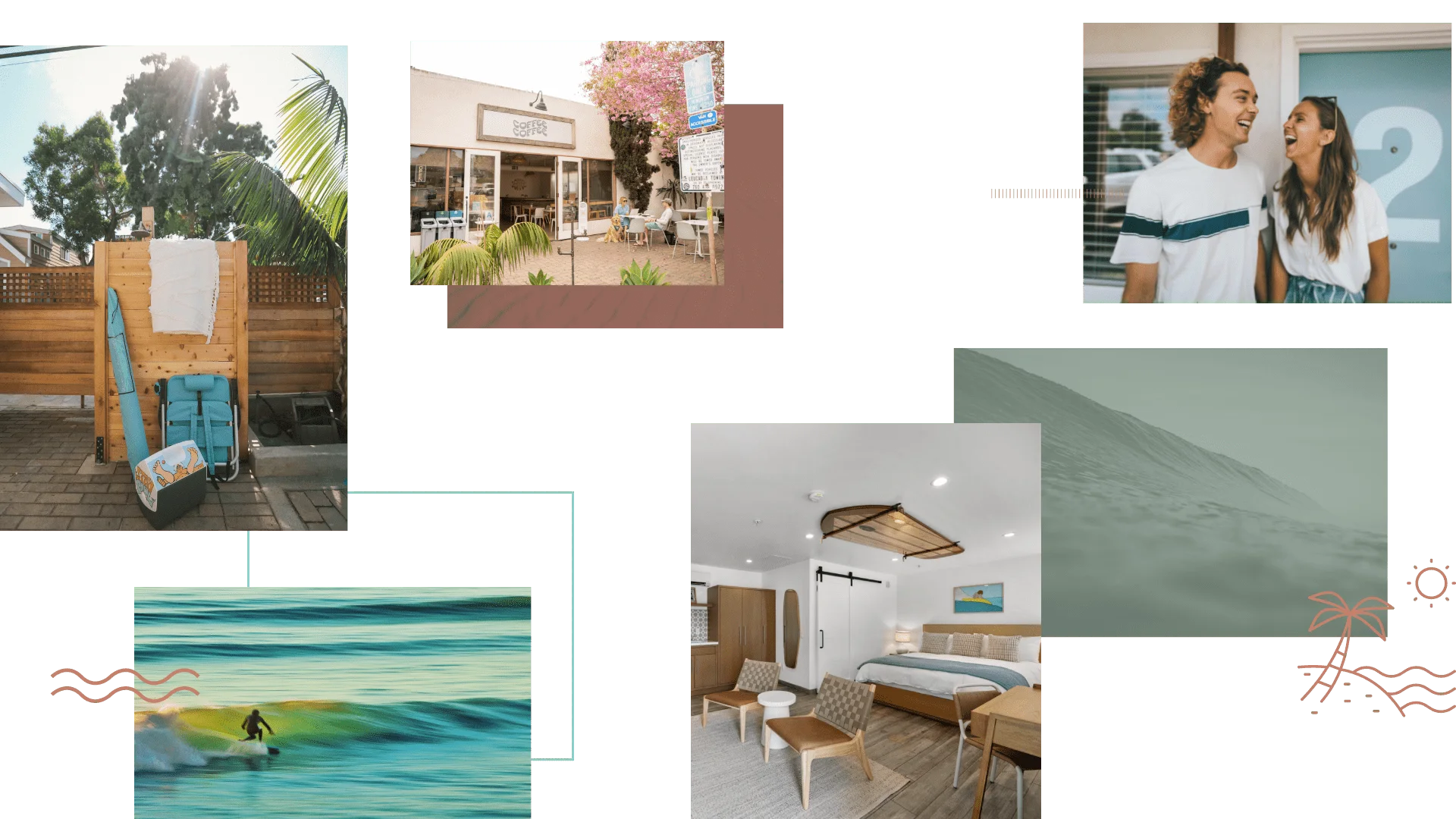
Accommodation is dense near major surf zones. Waikiki has everything from hostels to luxury hotels. California beach towns have vacation rentals and surf motels. The Outer Banks has a robust short-term rental market. Gulf coast and Great Lakes areas are thinner on surf-specific lodging but standard motel infrastructure is solid.
A 10-14 day trip is the minimum to explore a single coastline meaningfully. California alone warrants two weeks if you want to move from San Diego to San Francisco. Hawaii deserves at least 10 days if you're splitting islands.
Money + connectivity
The US dollar is the currency everywhere. ATMs are genuinely everywhere, including surf towns. Card acceptance is near-universal, including at food trucks, surf shops, and campgrounds. I carry some cash for parking meters at surf spots and small taco spots that still go cash-only.
Costs are high by global surf-trip standards. Expect to pay 150-300 USD per night for a decent beach-adjacent rental or hotel. Daily food and drink budgets of 50-100 USD are realistic in California and Hawaii. Texas, Louisiana, and the Gulf coast are noticeably cheaper.
Connectivity is excellent. Major US carriers (T-Mobile, AT&T, Verizon) offer tourist SIM options. eSIM coverage through services like Airalo or T-Mobile's short-term plans works well for international visitors. Cell coverage drops in remote areas of the Oregon coast, the Outer Banks, and parts of Northern California, so download offline maps.
Wifi is available in virtually every hotel, Airbnb, and coffee shop. Speeds are generally fast enough for surf forecast streaming.
Visa + entry
Most Western passport holders enter the US under the Visa Waiver Program (ESTA), which covers 90-day stays and costs 21 USD to register online. Apply at least 72 hours before travel. Canadians do not need a visa or ESTA. Nationals from countries not on the VWP require a B-2 tourist visa, which involves a consulate appointment and can take weeks or months to process. There is no simple in-country extension for ESTA entries. The 90 days is firm for most visitors.
Health + safety
The US has no mandatory vaccines for entry. Standard travel vaccinations apply. Tap water is safe to drink nationwide. Medical care is world-class but extremely expensive without insurance. Travel health insurance with medical evacuation coverage is strongly recommended. A broken bone or surf injury without insurance can cost tens of thousands of dollars.
In the water, reef cuts are the primary injury risk in Hawaii and California. Rinse wounds in clean water immediately and monitor for infection. Jellyfish are common in the Atlantic and Gulf. Rip currents are a real danger on East Coast beaches, especially in Florida and North Carolina. Understand how to read rips before paddling out.
Sun intensity is high in Hawaii, Florida, and Southern California. Reef-safe SPF 50 sunscreen is worth using. Sharks are present on all US coasts. Great White activity is documented in Northern California and the Outer Banks. Keep sessions short around dawn and dusk near river mouths.
Urban theft near beach parking lots is documented in California. Don't leave valuables in your car at any surf spot. Personal safety for solo travelers, including women, is generally high at established surf destinations.
Food + culture
The US food scene near surf zones is genuinely strong. In Hawaii, poke bowls, plate lunches, and shave ice are the staples. A two-scoop plate lunch from a roadside truck on Oahu's North Shore is one of the best post-surf meals anywhere. In California, fish tacos (Baja-style, especially in San Diego) and breakfast burritos are non-negotiable. In the Southeast, shrimp po'boys in Louisiana and fresh fried seafood on the Outer Banks are worth building a meal plan around.
Coffee culture is strong in California, Oregon, and the Northeast. Expect third-wave cafes near most surf towns. Texas is barbecue country, and even beach towns near Corpus Christi have solid smoked brisket if you know where to look.
Culturally, Americans are generally welcoming to traveling surfers. That said, localism at famous breaks is real. Approach crowded lineups with patience and deference. Don't paddle straight to the peak at Steamer Lane or the North Shore on your first session. Read the pecking order, take a few on the head, and earn your place over a few sessions. Tipping is a genuine expectation at restaurants and bars, 18-20% is standard.