
When to go
Spain's swell windows split cleanly by coast, and timing your trip around the right window changes everything.
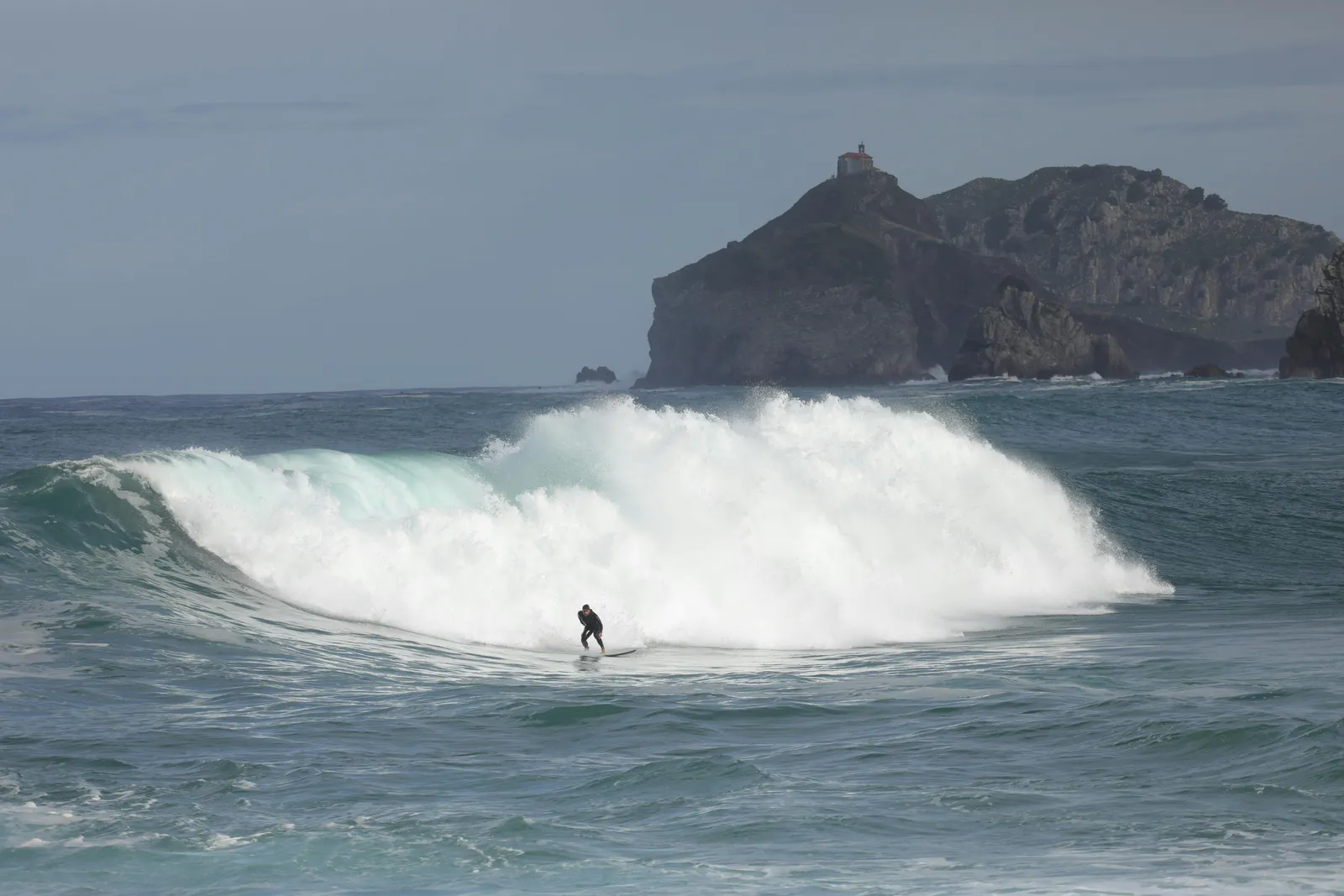
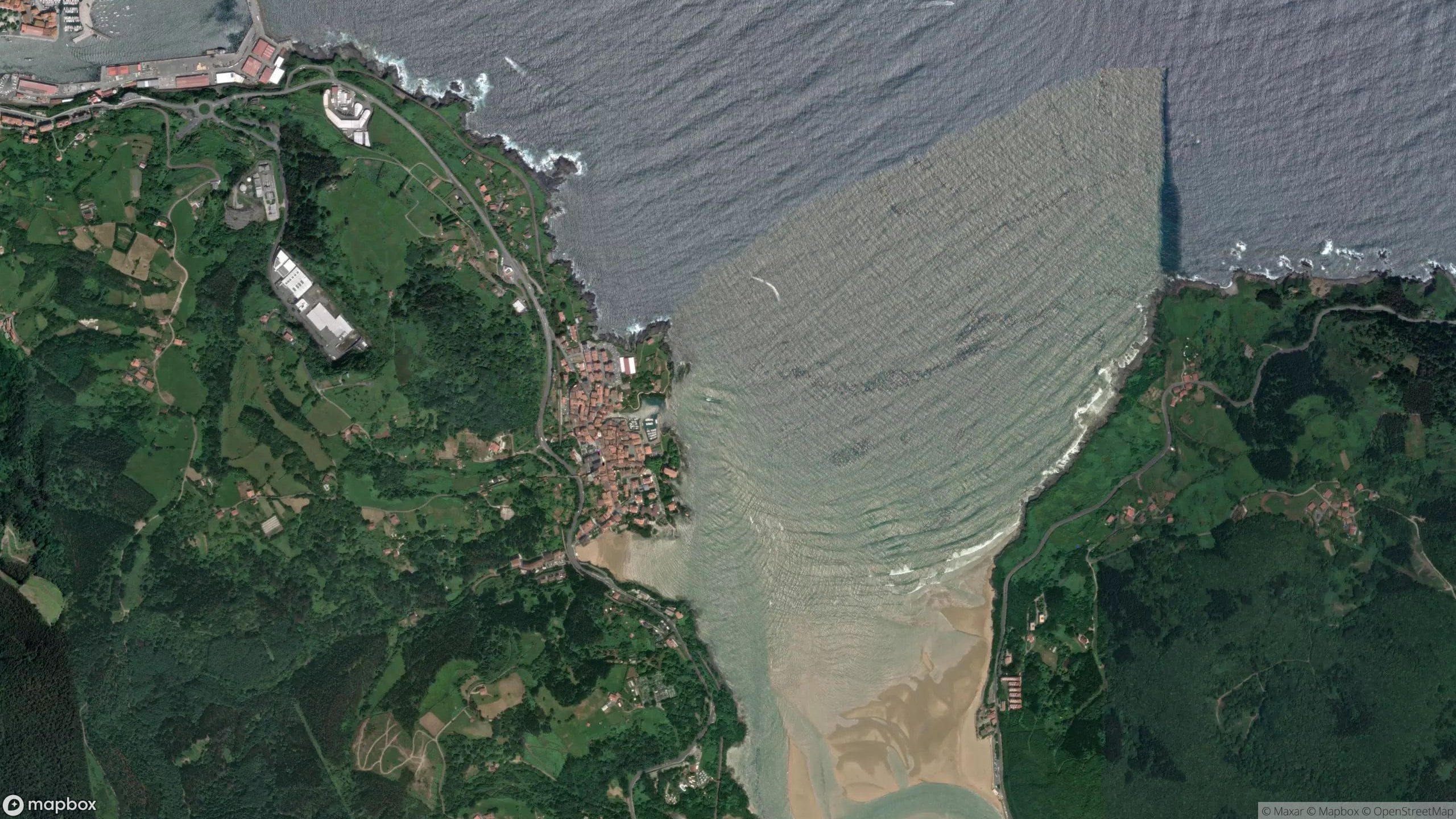
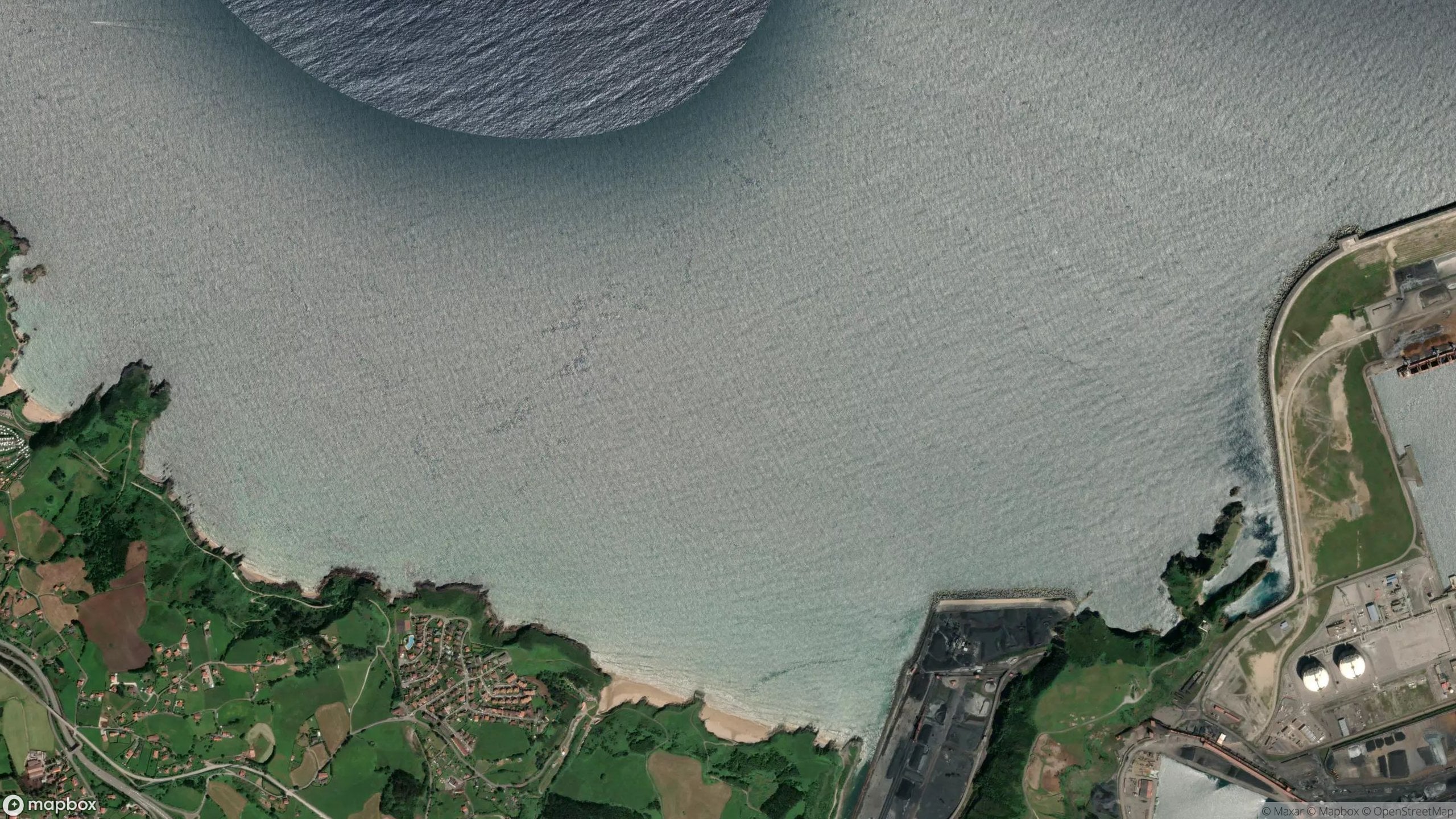
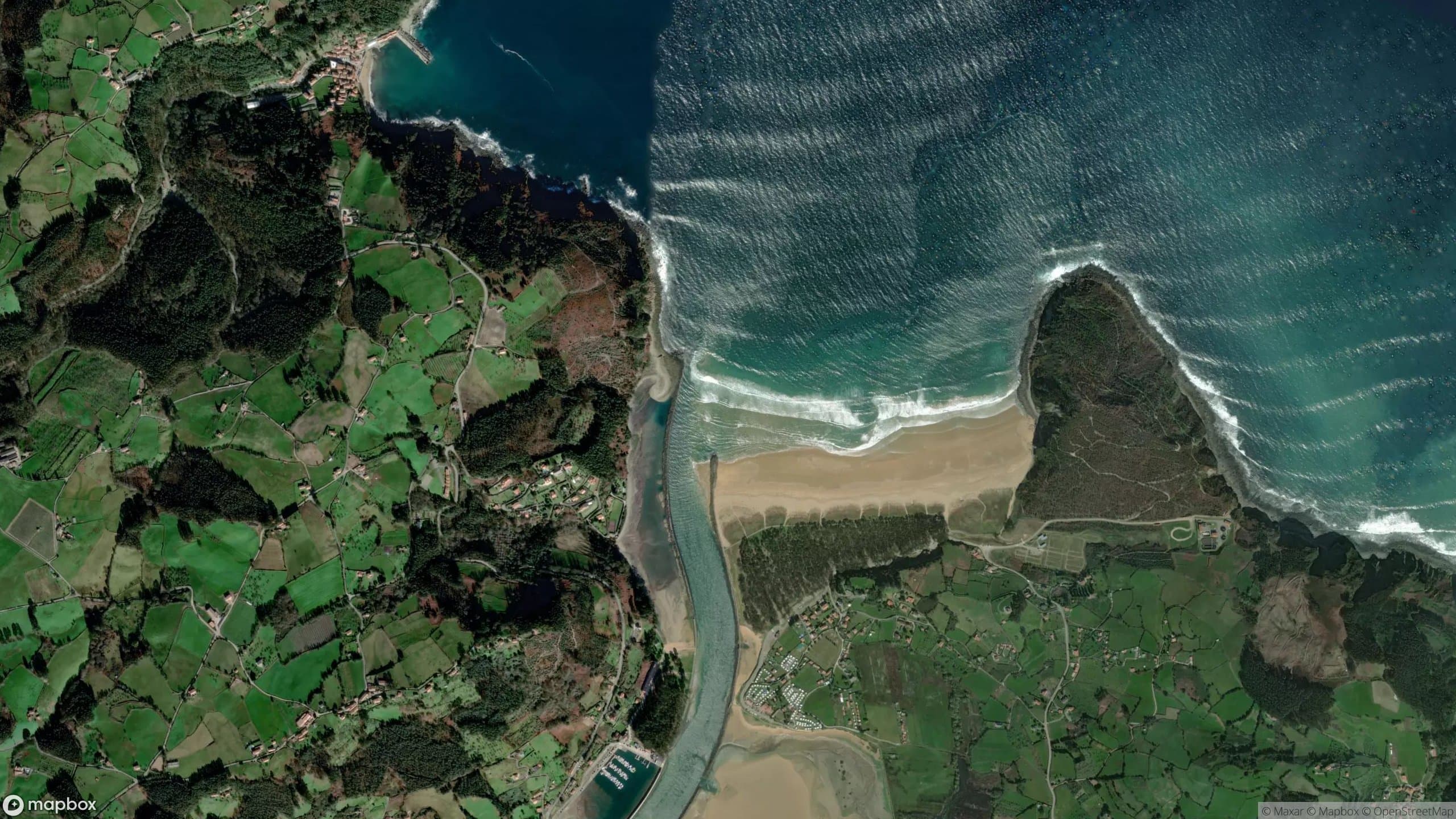
The north Atlantic coasts, covering the Basque Country, Cantabria, Asturias, and Galicia, run best from October through April. Deep Atlantic lows push organized NW and W groundswell in the 4-8ft range into exposed beachbreaks and reef passes. November through February is peak quality. Summer flatness is real up here, and water temperatures stay cold year-round, hovering around 14-17°C in winter and topping out near 20°C in August. A 3/2mm wetsuit works summer, a 4/3mm with boots and gloves is essential by December.
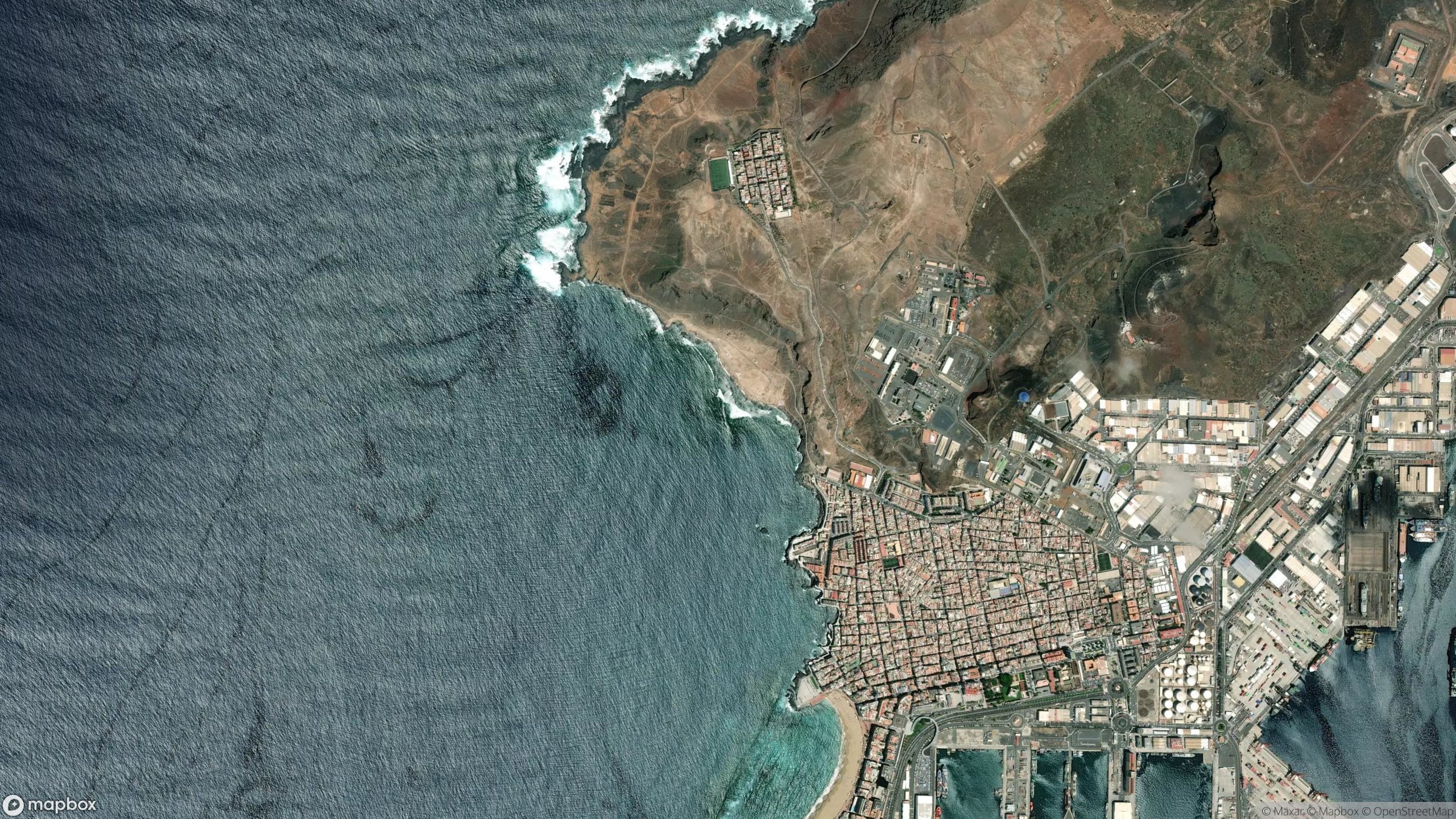
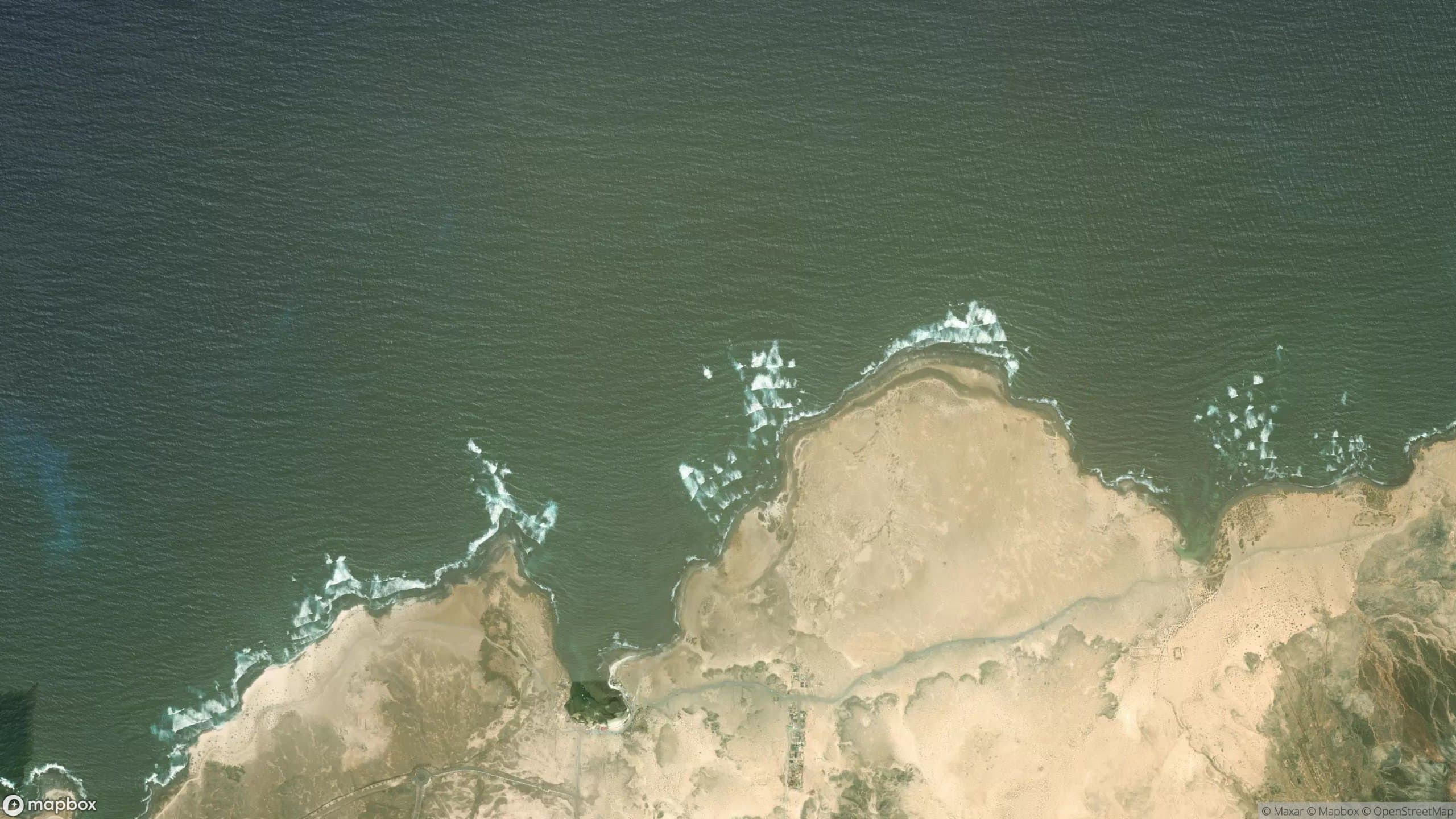
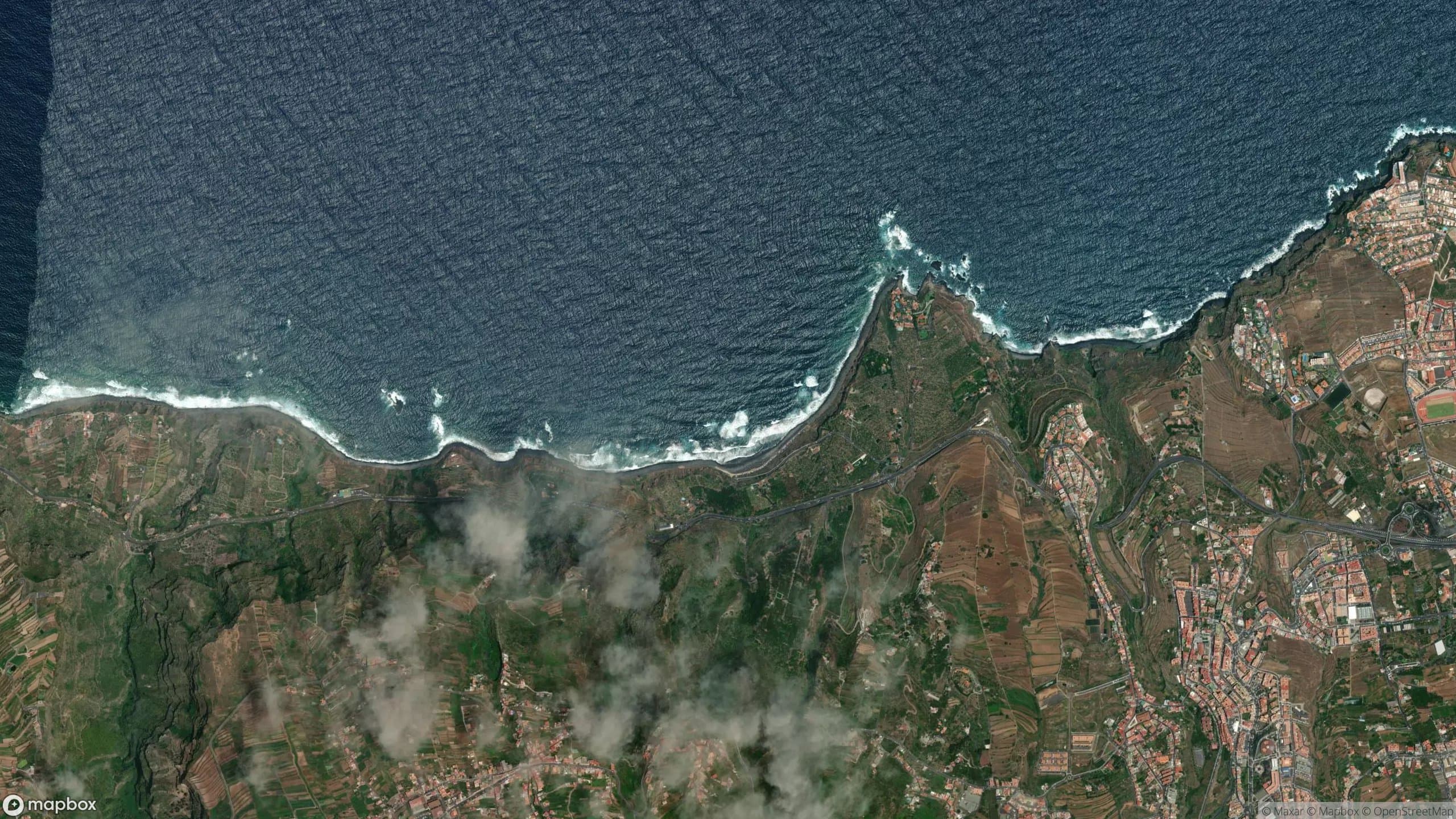
The Canary Islands peak November through March when N, NW, and W Atlantic groundswells funnel into the islands' reefs and points. El Quemao, Los Lobos, and the exposed north coasts of Lanzarote and Fuerteventura fire best in this window. December and January bring the most powerful swell, often 6-12ft faces at the heavy spots. Summer is largely flat, though warmer water means boardies and a rash guard are all you need when small waves do show.
Southwest Spain, between Cadiz and Tarifa, works September through April. Autumn delivers punchy, punishing beach breaks. May through August loses energy fast, though May can still produce rideable surf.
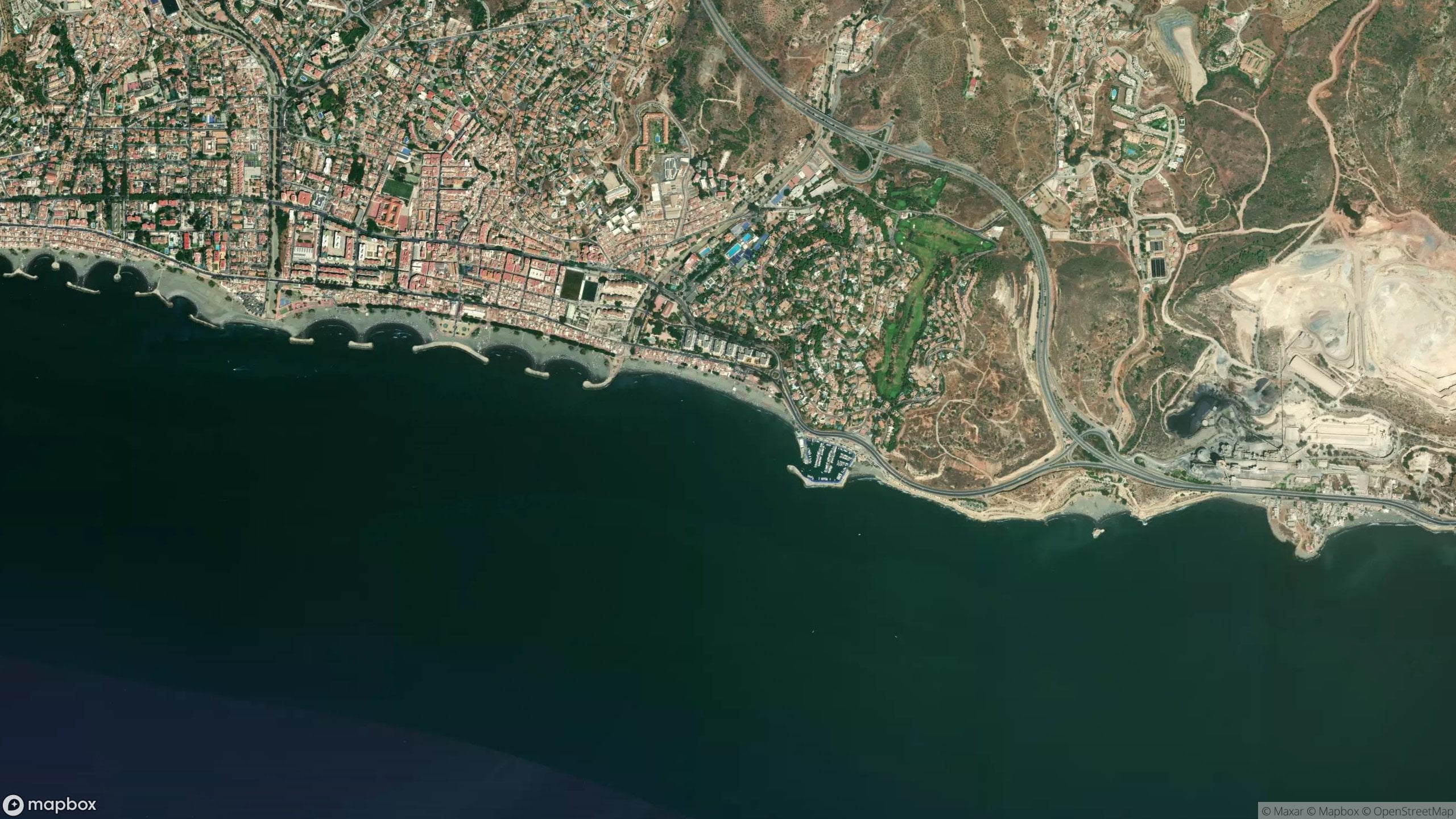
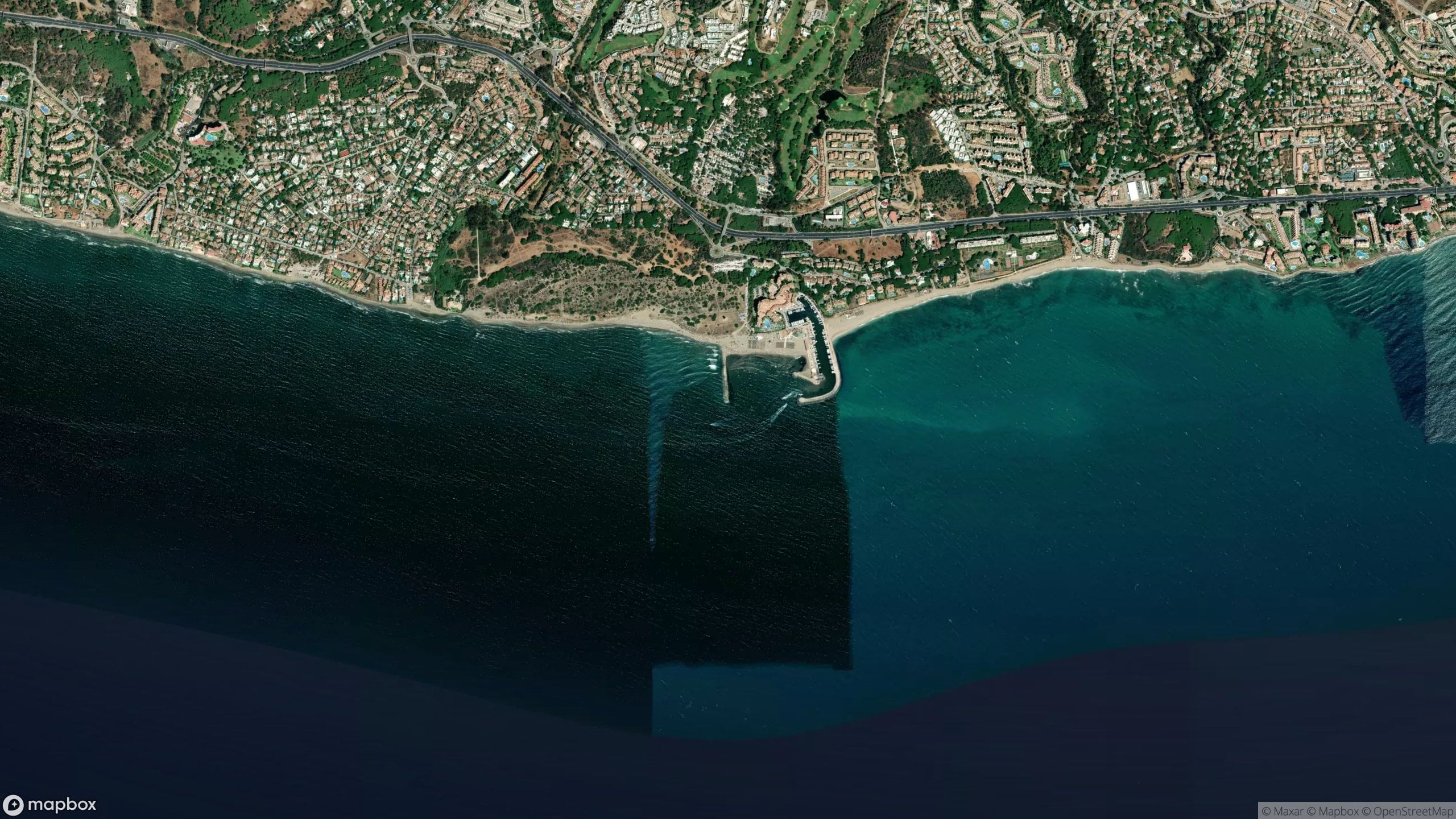
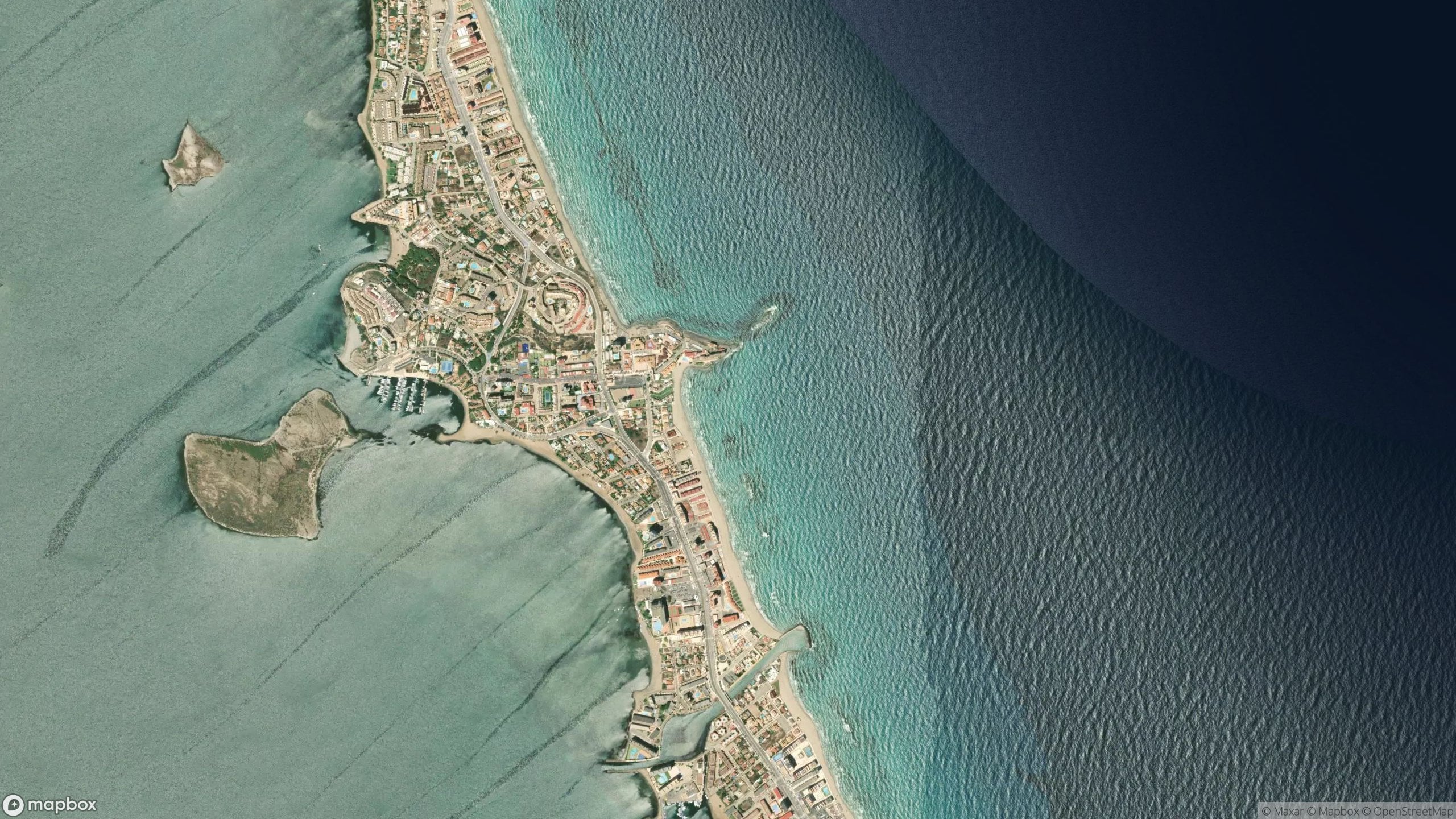
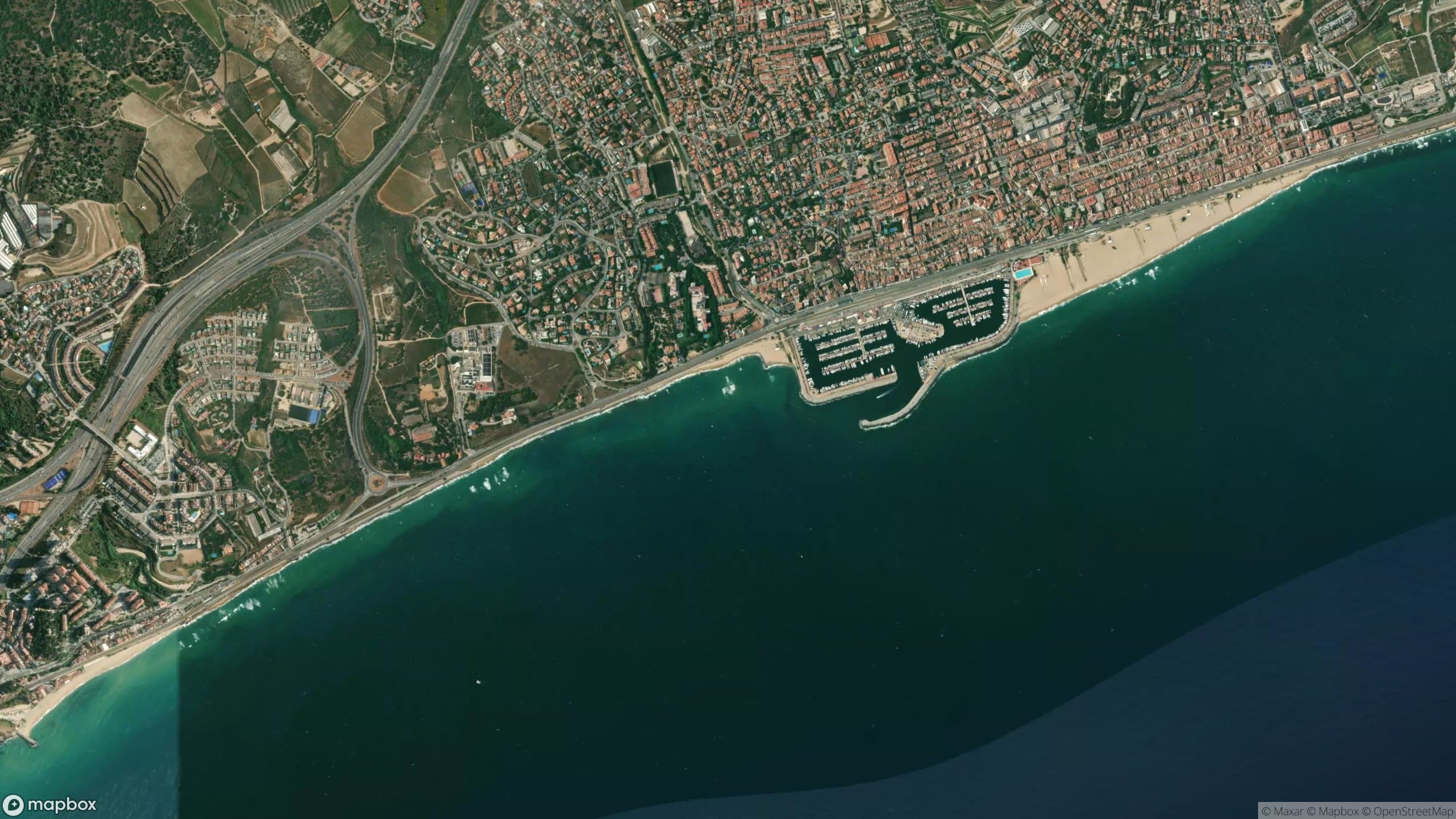
The Mediterranean coasts, including the Balearic Islands, Alboran, and the eastern Costa Blanca, are best November through March. Swells here are shorter-period wind swells and Mediterranean groundswells, rarely exceeding 6ft, but they're consistent through winter and genuinely fun for beginners and intermediates. Summer is nearly flat across the Med.
If I had to pick one window for a first Spain trip covering maximum quality and diversity, I'd land on late October through November. The north is firing, the Canaries are building, and the southwest is alive.
Where in the country to base
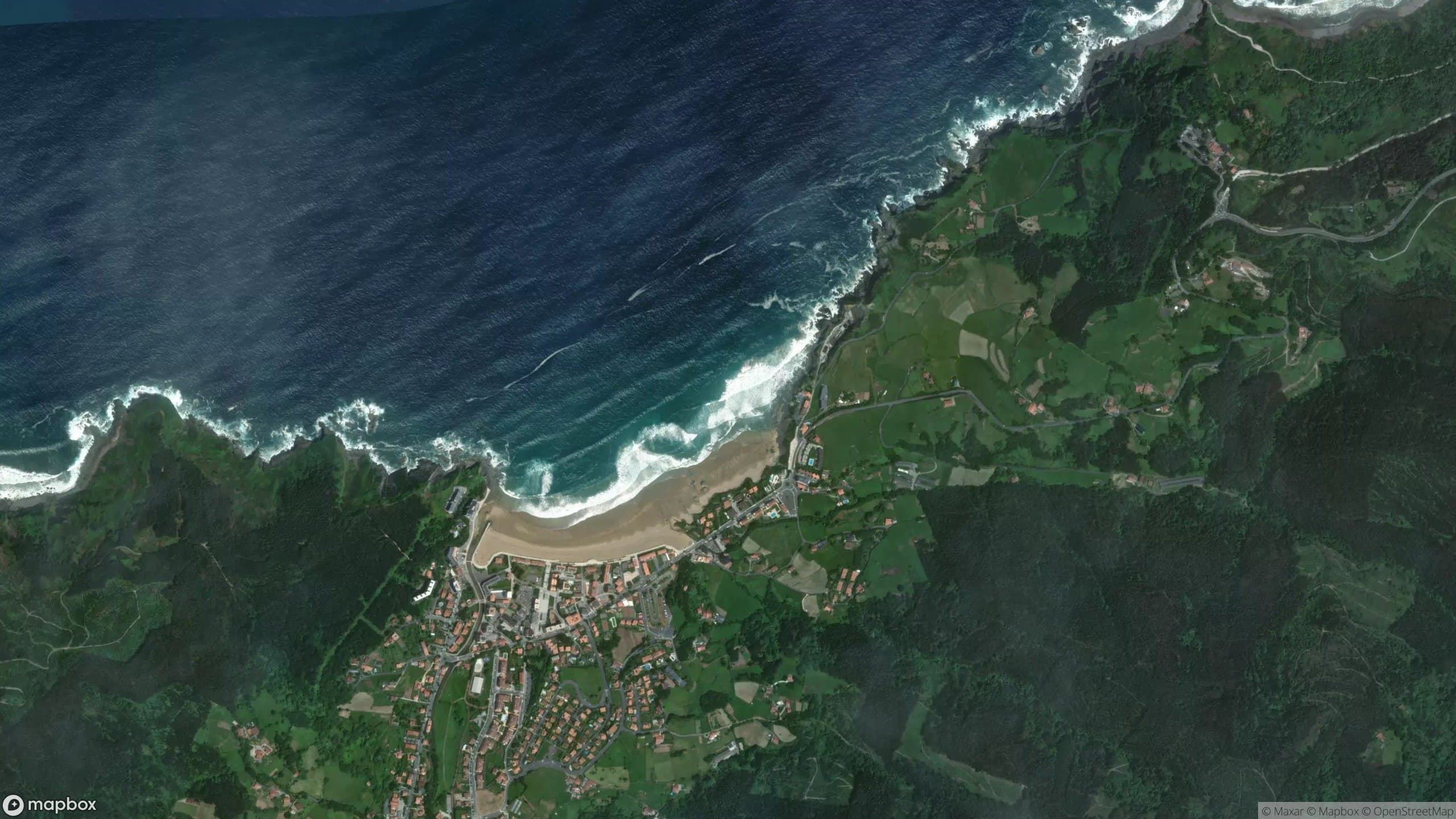
Basque Country and Cantabria, first-timers to the north: San Sebastian is the obvious anchor. Zarautz sits 20 minutes west, Sopelana 45 minutes further toward Bilbao. Both are high-performance beachbreaks with serious local scenes. Santander works as a quieter alternative with good access to Cantabrian banks that see less pressure than the Basque epicentre. Stay a minimum of 7-10 days to catch at least two solid swell windows.
Galicia and Asturias, for the escape: Galicia's Rias Baixas and the Asturian coast offer the same Atlantic swell quality with markedly fewer crowds. Ribeira, Ferrol, and the breaks around Gijon reward surfers willing to drive. I'd rent a car and spend 10-14 days road-tripping the coast, camping or staying in surf hostels.
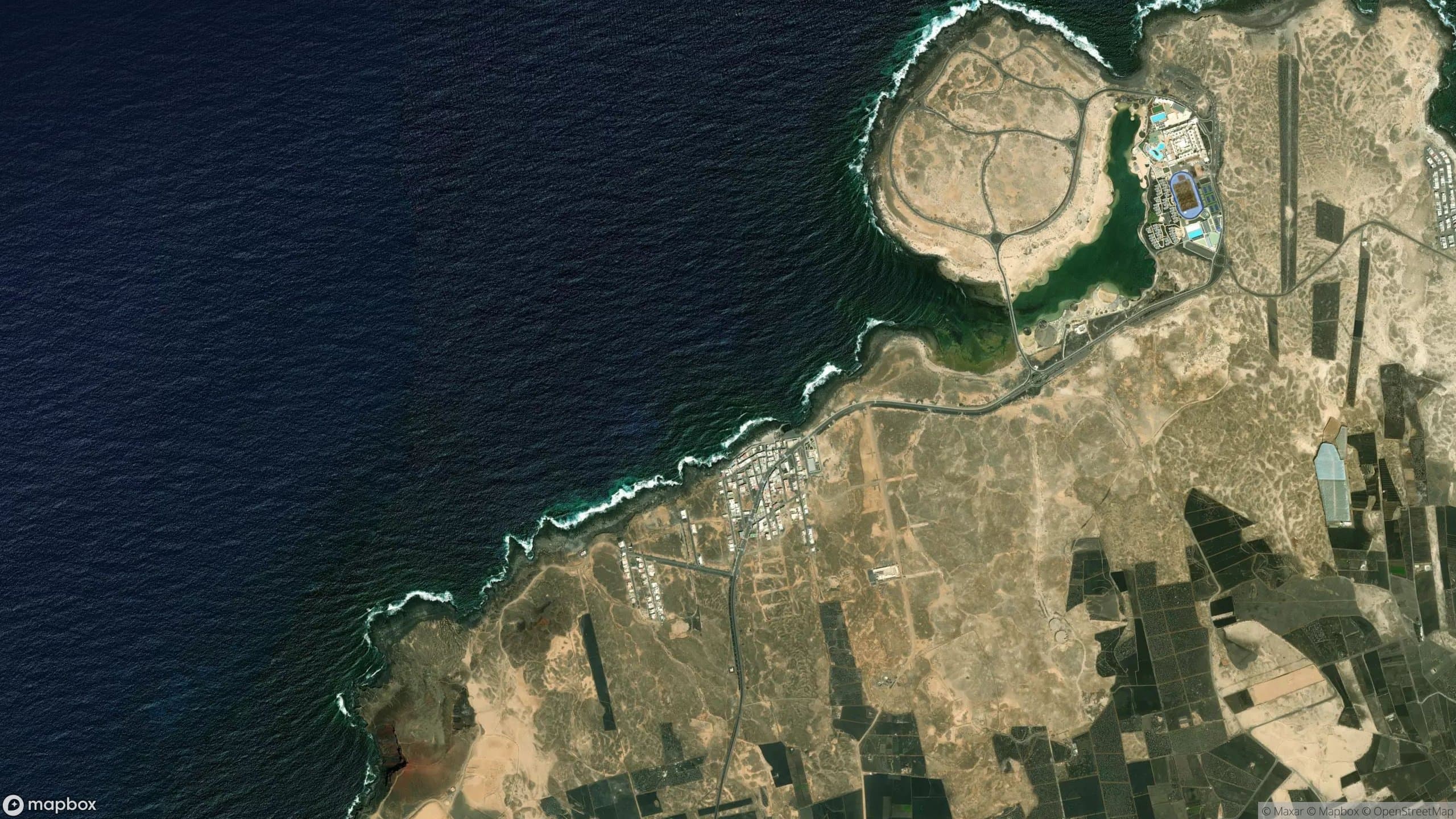
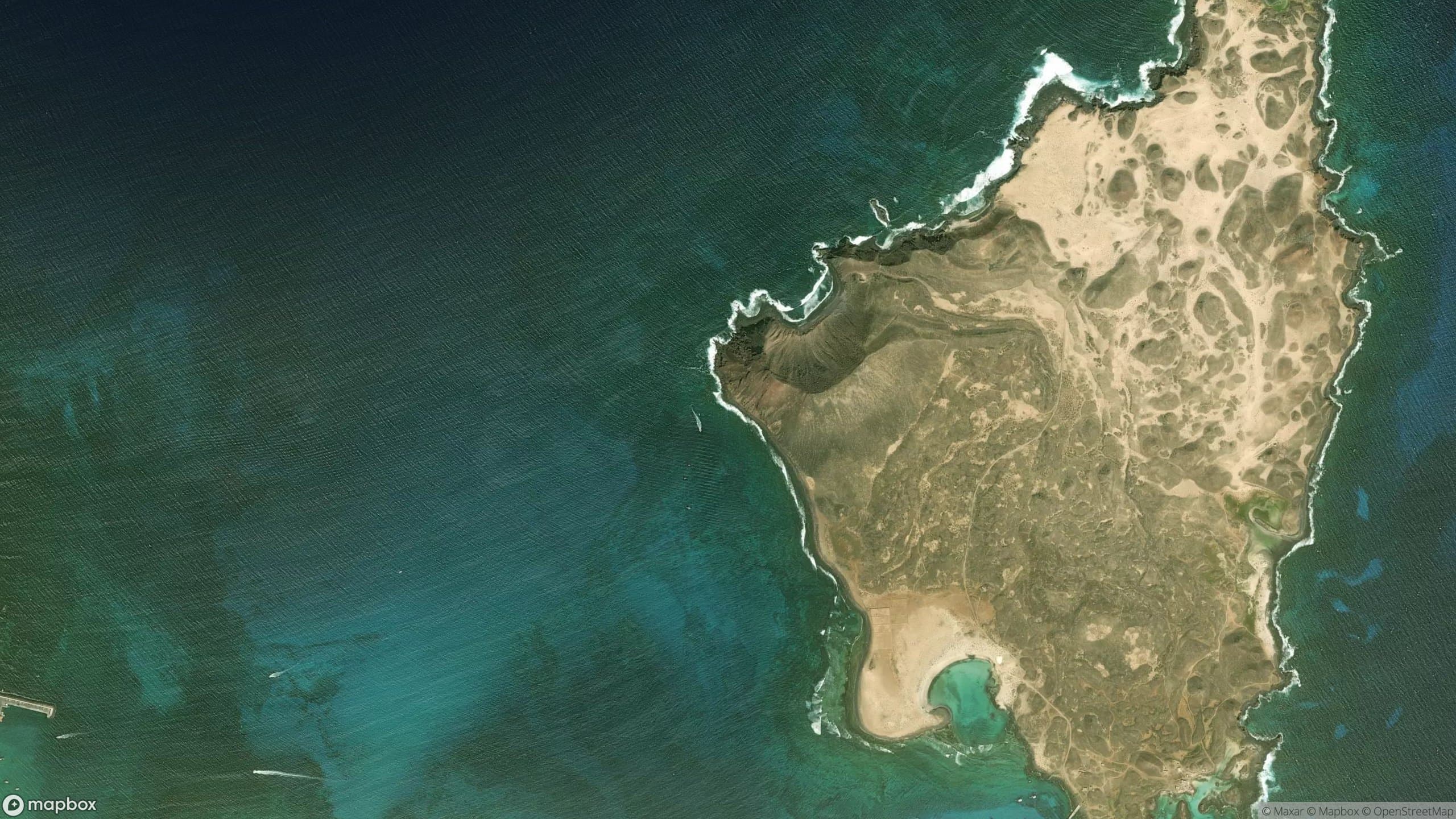
Canary Islands, for reef performance: Fuerteventura is the most swell-exposed island and makes the strongest base for experienced surfers chasing hollow waves. El Cotillo and Corralejo in the north, Jandia in the south. Lanzarote suits more experienced surfers hunting El Quemao and La Santa. A week is the minimum, two weeks ideal for mixing islands.
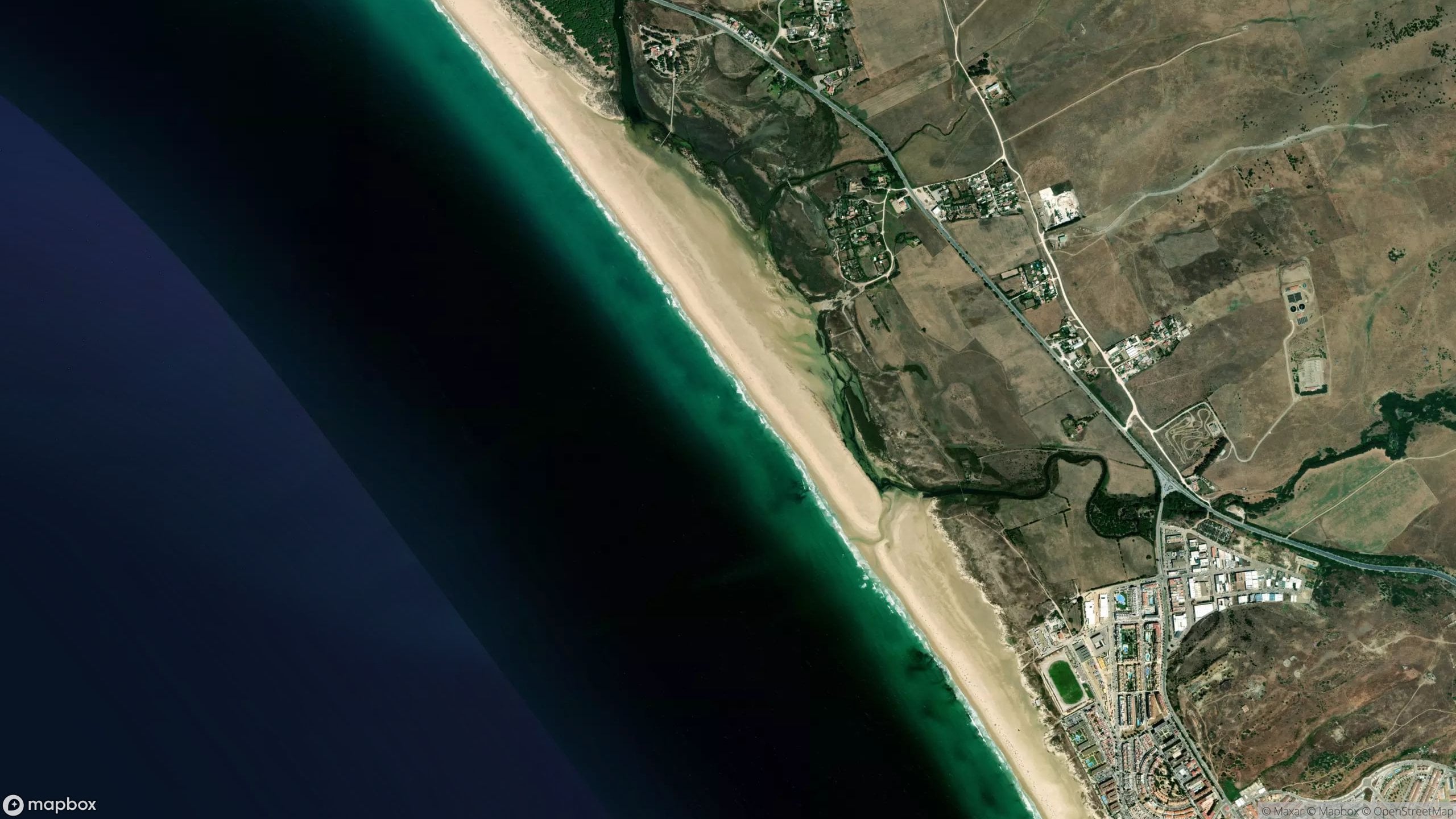
Southwest Spain, for warm water warmth: Conil de la Frontera or Tarifa give access to the best stretches between Cadiz and the Strait of Gibraltar. Works as a winter warm-up when the north is too committed or crowded.
Logistics
Spain's transport infrastructure is excellent. Flying is the fastest way to cover the coasts. Bilbao (BIO) and Santander (SDR) serve the north. Santiago de Compostela (SCQ) covers Galicia. Las Palmas (LPA) or Fuerteventura (FUE) for the Canaries. Malaga (AGP) for the south and southwest.
Renting a car is the single most important logistics decision for Atlantic coast trips. Surf spots along the Basque, Cantabrian, Asturian, and Galician coasts are spread across cliffs and farm roads. Public transport reaches the towns but not the breaks. I'd budget around 30-50 EUR per day for a compact car with full insurance.
Within cities like San Sebastian, Bilbao, or Malaga, public transport is reliable and cheap. The AVE high-speed train connects Madrid to Malaga in 2.5 hours and to Barcelona in under 3 hours, but it doesn't help much for surf travel.
Accommodation is dense across all tourist coasts. Surf camps and hostels cluster around Zarautz, Mundaka, Corralejo, and Conil. Airbnb works well in smaller towns. Budget 40-80 EUR per night for a private room in surf-adjacent accommodation.
Money + connectivity
Spain runs on EUR. ATMs are everywhere in cities and towns, less common in rural stretches of Galicia and Asturias. I'd carry 100-200 EUR cash as backup when road-tripping remote coasts. Card acceptance is near-universal at restaurants, shops, and petrol stations. Contactless works reliably.
eSIM coverage is strong from Airalo or Holafly for Spain mainland. The Canaries are technically Spain but on a different tax regime, and most Spanish eSIMs cover them without issue. Local SIM options from Vodafone, Movistar, and Orange are available at airports and phone shops for stays over two weeks.
Mobile internet quality is excellent in cities and towns, reasonable along main coastal highways, and patchy on remote cliff roads. Most surf camps and hostels have solid WiFi. 4G and 5G cover the main surf zones without issues.
Visa + entry
Spain is part of the Schengen Area. EU and EEA citizens enter freely. US, UK, Canadian, Australian, and most other common passport holders can stay up to 90 days within any 180-day period without a visa. No stamp or registration needed on arrival. The UK is post-Brexit so UK passport holders fall under the 90-day Schengen rule. For stays beyond 90 days, a long-stay visa application through a Spanish consulate is required before arrival.
The EU's ETIAS travel authorisation system is expected to launch in 2025 for visa-exempt travellers. Check current requirements before booking.
Health + safety
Water quality on Spain's Atlantic coasts is generally good. The Basque and Galician coasts carry occasional pollution near river mouths and after heavy rain. Check local reports before surfing after significant rainfall. Mediterranean spots near urban centres like Malaga can have water quality issues after rain.
Reef breaks in the Canary Islands are sharp volcanic lava. Reef booties are strongly recommended at El Quemao, Lobos, and exposed north coast reefs. Lacerations from lava rock are common and get infected fast in tropical water. Clean and cover cuts immediately.
Traffic on Spanish roads is generally safe by European standards. The exception is Tarifa and the Andalusian highways where wind and fatigue catch tourists out. Drive alert.
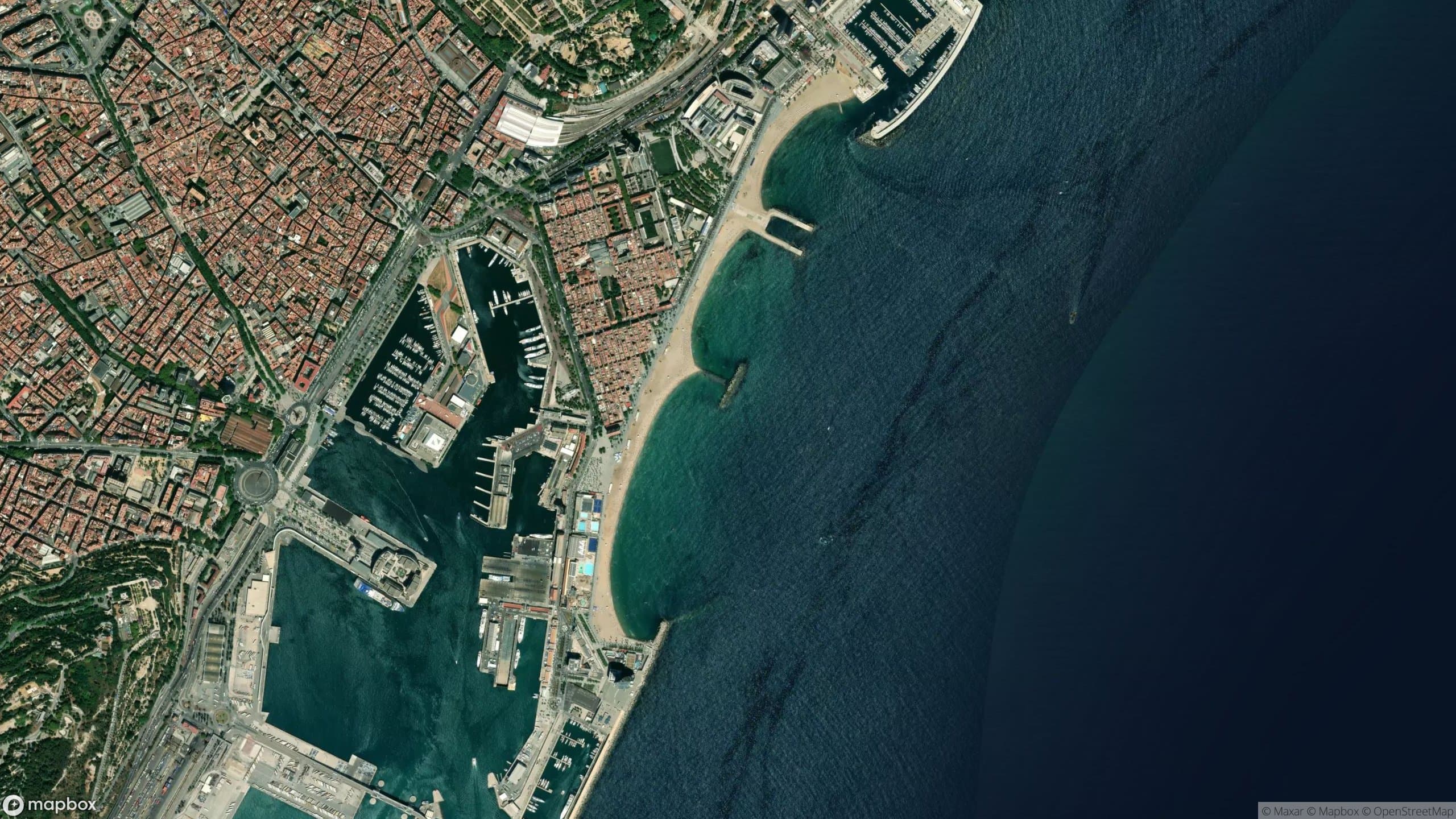
Petty theft is the main crime concern. Barcelona, Malaga, and tourist areas of the Canaries have active pickpocket activity. Keep car boots empty at surf breaks. Board theft from vehicle racks is rare but not unheard of in busy Basque break car parks.
Hazards vary by coast. The northwest Atlantic coast can produce powerful shore dump and strong rip currents on bigger swells. The Canaries carry localism at marquee breaks. Respect the pecking order and surf within your ability.
Health care in Spain is excellent. EU citizens with a European Health Insurance Card (EHIC) get public healthcare. Non-EU travellers need travel insurance with medical cover. Pharmacies are widespread and can handle minor infections and injuries.
Food + culture
The Basque Country has one of the world's strongest food cultures. Pintxos bars in San Sebastian's Old Town are mandatory. Order a plate of pintxos and a small beer or txakoli wine and eat standing. Lunch is the main meal here, typically 2-4pm. Don't eat before 9pm for dinner or you'll be dining alone.
In the Canaries, try papas arrugadas with mojo sauce, a local staple of wrinkled salt-boiled potatoes with red or green pepper sauce. Fresh fish at the port restaurants in Corralejo or Puerto del Carmen on Lanzarote is excellent and affordable.
In Andalusia and the southwest, look for fresh tuna and seafood tapas. Cadiz is one of Spain's best cities for no-fuss, cheap, honest seafood. A round of cold beer and mixed fried fish for two should run under 20 EUR at a local bar.
Spanish surf culture is proud and regional. The Basque Country in particular has a serious, performance-focused surf scene. Don't paddle out at Zarautz or Sopelana without reading the lineup first. Smile, wait your turn, and give respect before expecting it. The Med coasts and the Canaries are more relaxed, though busy breaks everywhere reward patience and etiquette.