
Surf trips in Nicaragua - Pacific Side
Consistent SW swells, world-class point breaks, warm water year-round.
Nicaragua's Pacific coast fires on S to SW swell nearly every day from May through October, with a lineup that ranges from beginner beachbreaks to reef and point setups.
The rainy season (May-October) brings the most consistent swell. The dry season (November-April) offers lighter winds and fewer crowds but thinner swell windows.
I base myself in San Juan del Sur for the first trip, which sits central to everything and has decent accommodation and food. You can day-trip to Popoyo (45 minutes north), Puerto Sandino (1 hour northwest), or El Transito (1 hour inland), making a two-week window feel generous but five days doable.
Expect warm water (25-30°C), light NE offshores on 250-plus days yearly, and a relaxed lineup culture outside peak tourist season. Solo travel is safe on main roads and resort areas, though petty theft exists in Managua.
Where should I surf in Nicaragua - Pacific Side?
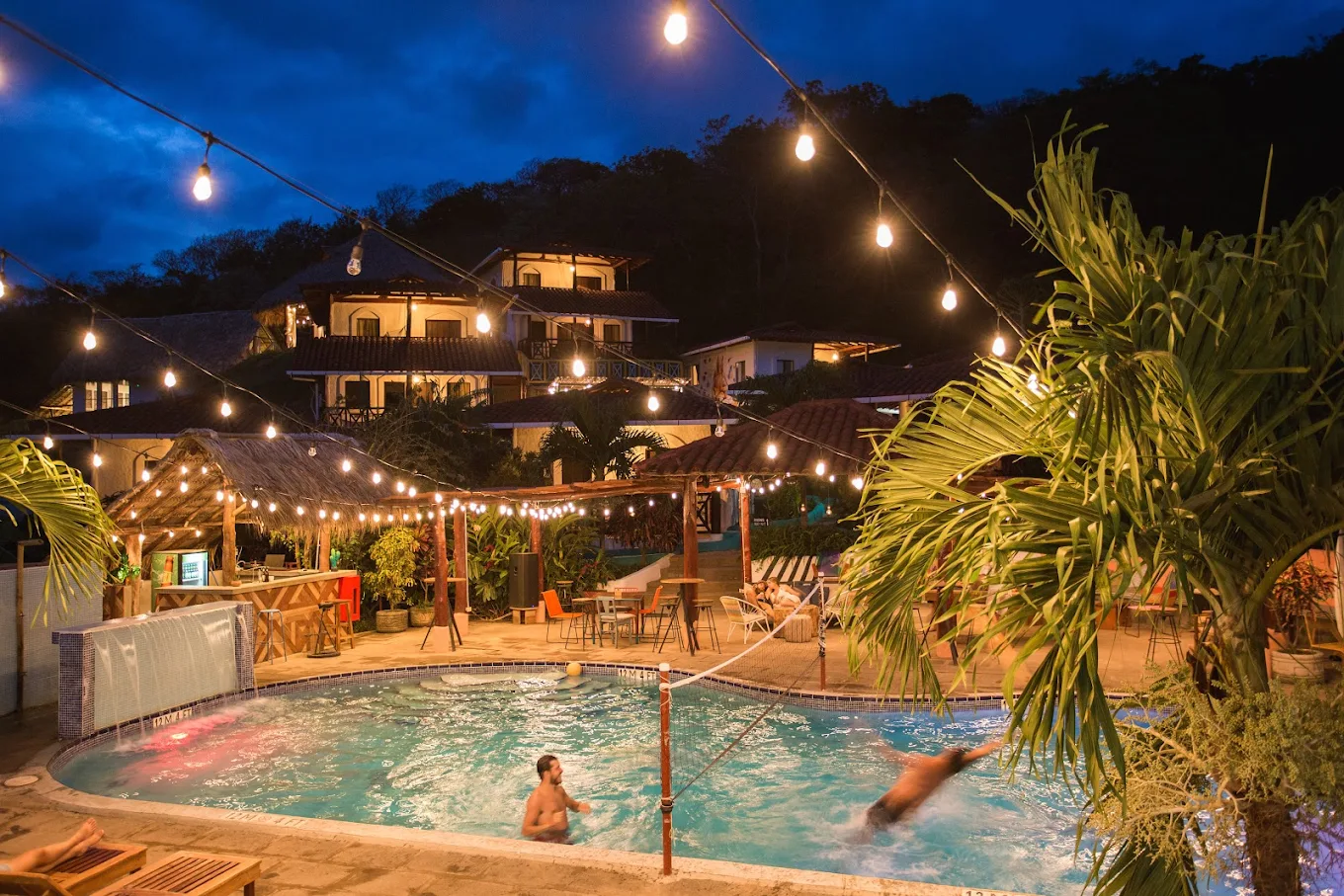
19 spots and 6 camps in Nicaragua - Pacific Side.
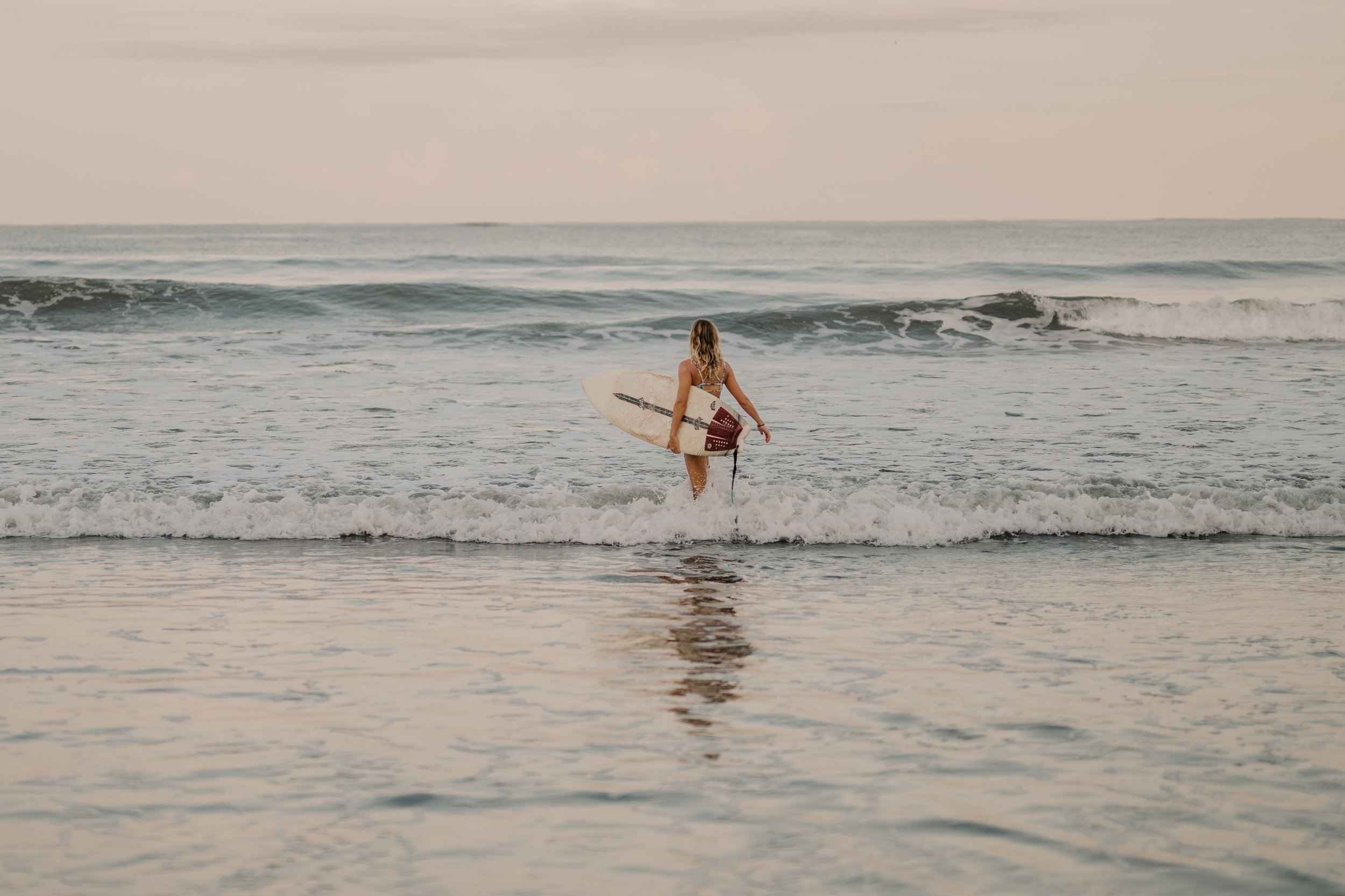

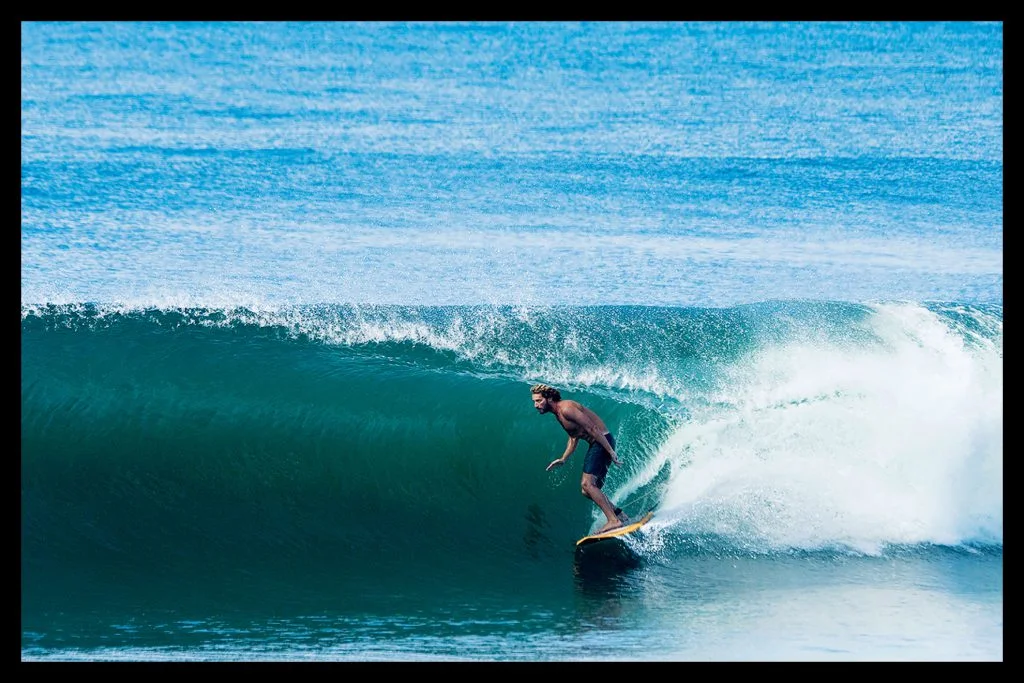
All 19 surf breaks in Nicaragua - Pacific Side, A-Z
When Nicaragua - Pacific Side fires
Nicaragua - Pacific Side, the long version
Logistics
Fly into Augusto Sandino International Airport (Managua) and rent a car or book a shuttle to San Juan del Sur, a 90-minute drive south. The Pacific coast road is paved and straightforward. Scooter rental is cheaper but slower for multi-spot days.
San Juan del Sur is the hub: hotels, restaurants, and a couple of board repair shops cluster near the main beach and malecón. Internet is reliable in town but spotty closer to remote breaks like Casares or Panga Drops. Fuel up in San Juan del Sur before heading north.
Smaller towns have limited supplies. Most breaks are 30-90 minutes from a base, making a car or guided trip essential if you want variety.
Lineup etiquette
Regional lineups are relaxed compared to Central American hotspots. Drop-in incidents are rare. Locals and travelers coexist peacefully at Playa Maderas and Santana.
At setups like Popoyo and Puerto Sandino, respect the pecking order but don't expect aggression. Beginners at Maderas or El Transito won't face friction. In smaller lineups (Panga Drops, Miramar, El Astillero), introduce yourself and ask about the wave before paddling out.
Dawn sessions (6-7am) offer emptier faces across the coast. Peak tourist months (December-March) see tourist surfers outnumber locals in some breaks. Summer crowds are smaller and more local-heavy.
What to pack
Bring a 6'0 - 6'4 high-performance shortboard (or twin-fin fish for softer beachbreaks). A 5'10 - 6'2 second board handles smaller summer swells. Boardies or springsuit sufficient. 2mm shorts are overkill except during coolest months (September-October water dips to 25°C).
Reef booties essential for Popoyo, Miramar, Panga Drops, and Casares. Pack reef-safe sunscreen, a rashguard, and a basic first-aid kit (cuts from coral are common). Bring ibuprofen and anti-diarrhea tablets.
A small toolbox with a leash repair kit, spare fin boxes, and ding repair resin cover most repairs. Managua-based shops can handle deeper damage but turnaround is slow. Phone adapters (US-style plugs) and a portable charger help in areas with patchy power.
When to go
May through October is peak swell season. July and August see the most consistent SW groundswell. September and October stay solid with occasional tropical storms adding texture.
I'd avoid June if you hate rain, though breaks stay fun. November through April is the dry season: skies clear, winds lighten, and crowds ease, but swell windows shrink to 3-5 day windows between flat spells. December to January sees holiday tourist crowds and pricier rooms, but offshore winds are clear.
February through April is my sweet spot for fewer tourists and cleaner offshores, though swell is a gamble. Plan five days minimum in May-October for daily waves. In dry season, two weeks is safer to catch a proper swell event.
Avoid September 15-30 (independence day crowds) and all of December if budget matters.
Where to eat post-surf
San Juan del Sur's malecón has casual sodas (small local eateries) serving fresh fish, gallo pinto (rice and beans), and casados (plate meals) for $5-8. Fuego Brew Co. Sits near the beach and serves fresh-caught ceviche and cold local IPAs post-dawn patrol.
In Rivas (45 minutes south), Comedor Betty offers authentic, dirt-cheap breakfasts and lunch plates. Near Popoyo, the small comedores around Rancho Santana Resort serve fish tacos and fresh juice. Expect grilled snapper or mahi-mahi as the daily special.
Ask what was caught that morning. Avoid eating from unrefrigerated street carts, but cooked-to-order beach shacks are safe and delicious. Mangoes, papaya, and fresh pineapple are cheap and excellent year-round.
Hidden alternatives
When Popoyo packs out in July-August, drive 30 minutes north to El Astillero, a hollow beachbreak with a rivermouth wedge that rarely sees tourists. The right-hand bank gets hollow on clean mornings, and the lineup stays empty.
Panga Drops, north of Popoyo, offers shifty reef peaks and fading shoulders that few surfers find. Dawn patrol here is and traffic-free.
South of San Juan del Sur, Tamarind is a swell-shadow right-hander that's fickle but spits short barrels when S swell is clean. It's a novelty break but a rewarding one if conditions click.
The questions we get asked most
Yes. Playa Maderas, El Coco, and El Transito are beginner-friendly beachbreaks with sandy bottoms and multiple peaks. Avoid reef breaks (Popoyo, Panga Drops) until intermediate level.
December and January see tourist influx. Playa Maderas gets busy 10am-2pm daily. Early mornings and May-September are quietest.
No. Water stays 25-30°C year-round. Boardies suffice. Reef booties are essential for rocky and coral breaks.