When to go
Mexico's surf calendar splits cleanly by region, so the right time to visit depends entirely on which coast you're targeting.
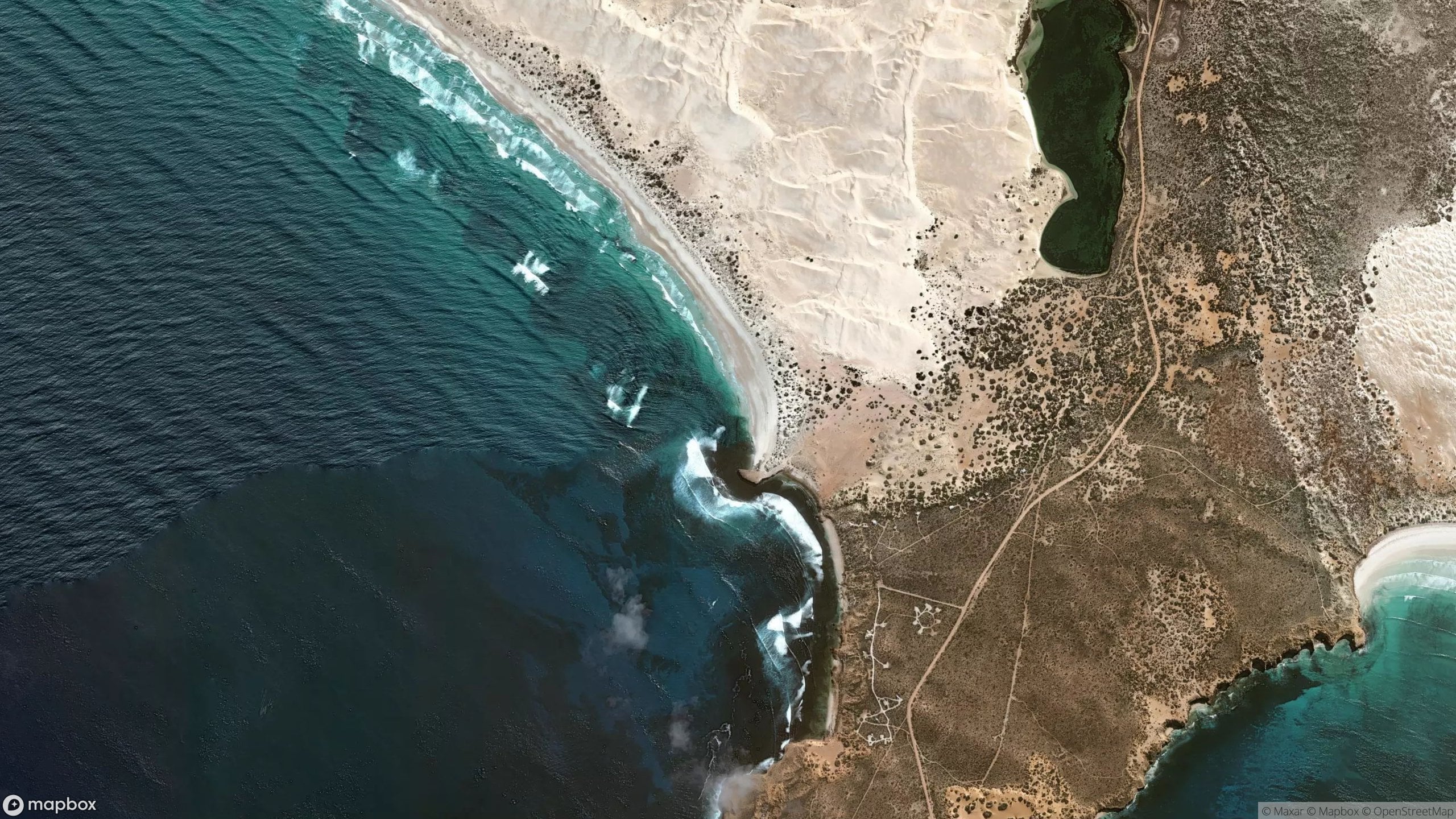
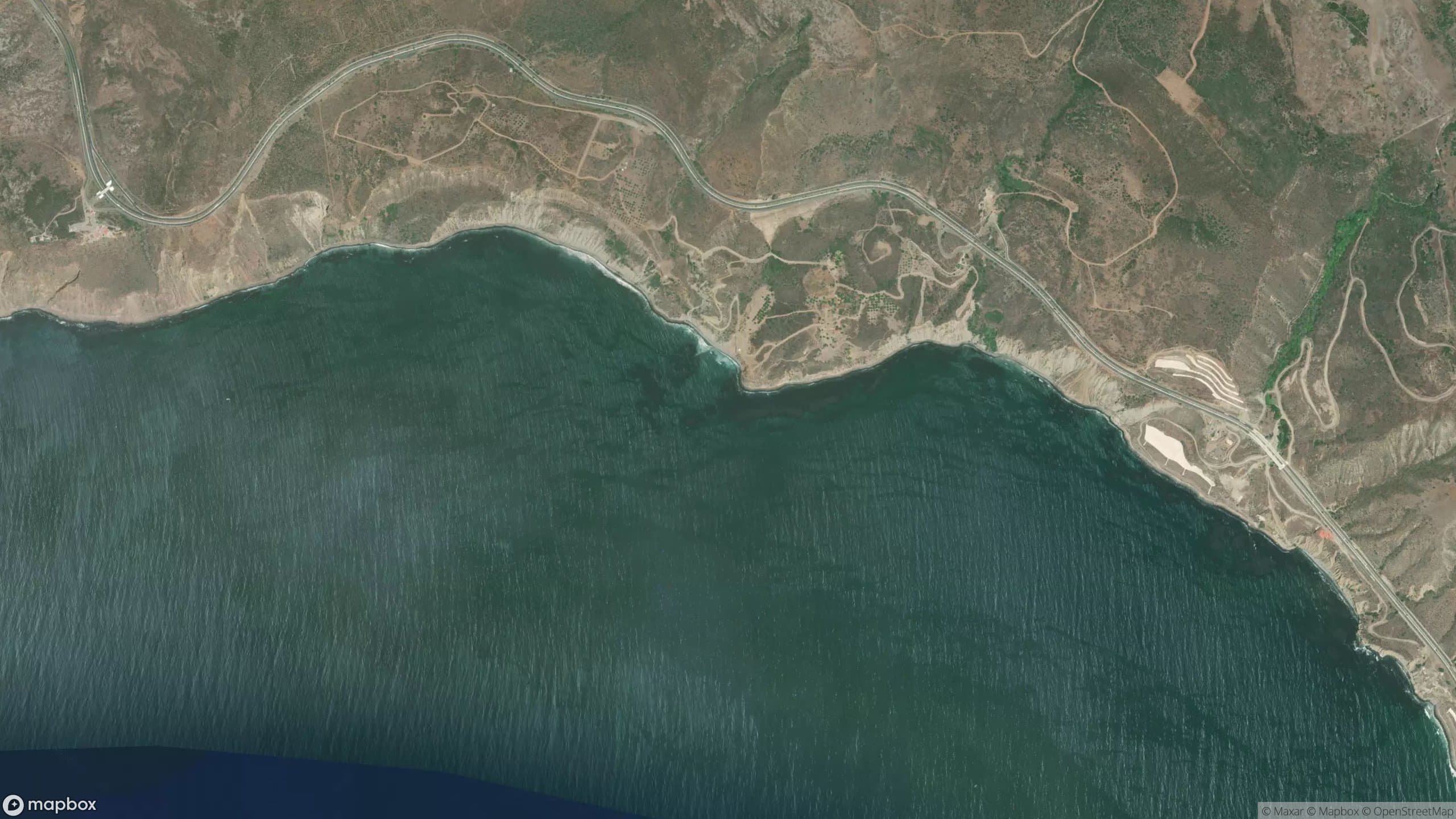
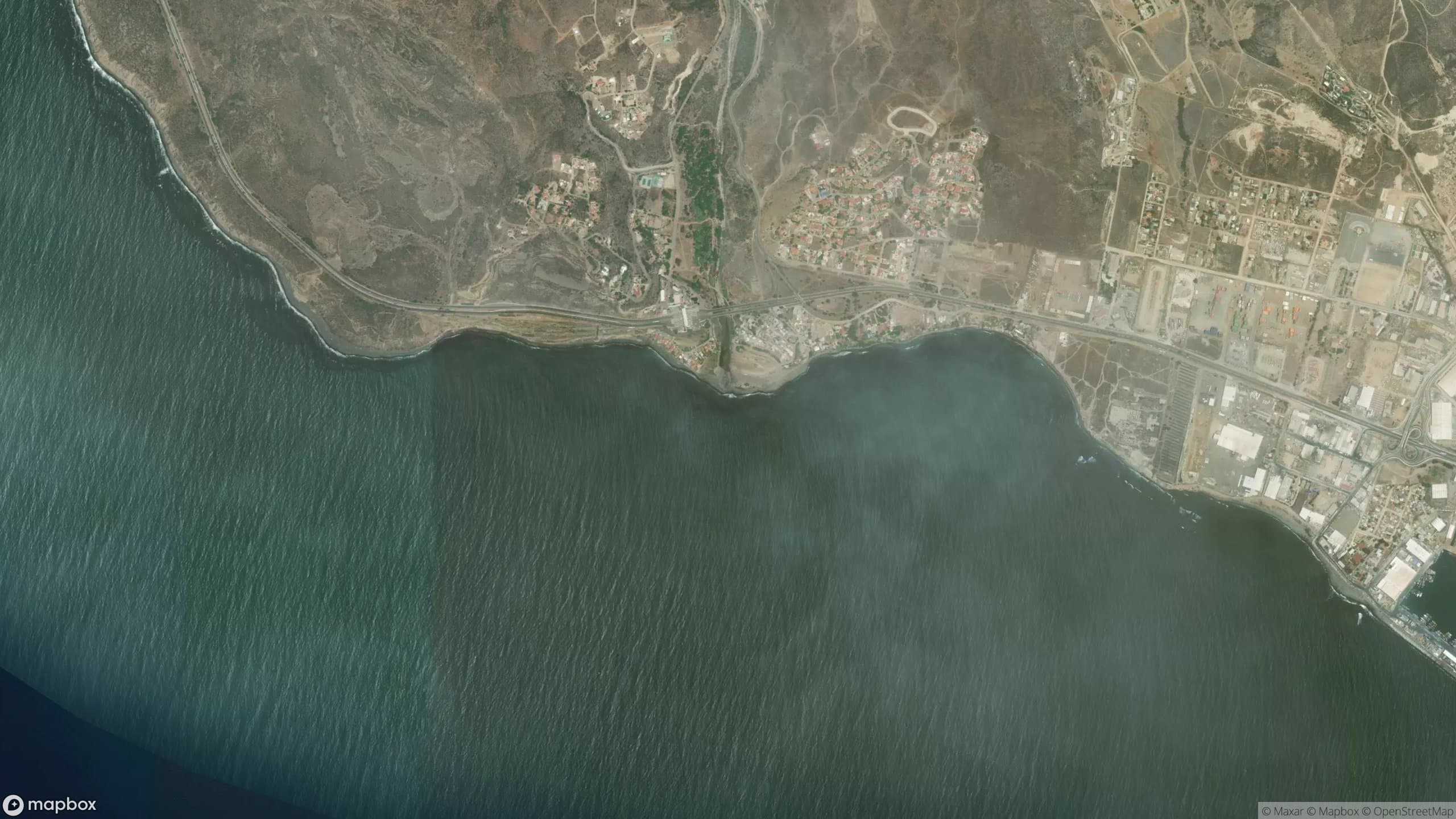
Baja California Sur runs April through October for its best S and SW groundswell windows. November through March still delivers winter North Pacific swell wrapping the coast, but the magic point break setups at Scorpion Bay and Punta Conejo really sing when southern hemisphere energy arrives. April, May, September, and October are the sweet spot months: swell is consistent, winds are manageable, and crowds thin out compared to peak summer school holidays.
Michoacán and Guerrero share a similar calendar. June through November is prime. Tropical swell trains and southern hemisphere groundswell flood both coastlines, pushing surf to overhead and beyond at the peak of the season. August and September bring the biggest energy but also the highest hurricane risk. I'd call late June and October the value windows: good swell, lower storm risk, and fewer tourists on the beach.
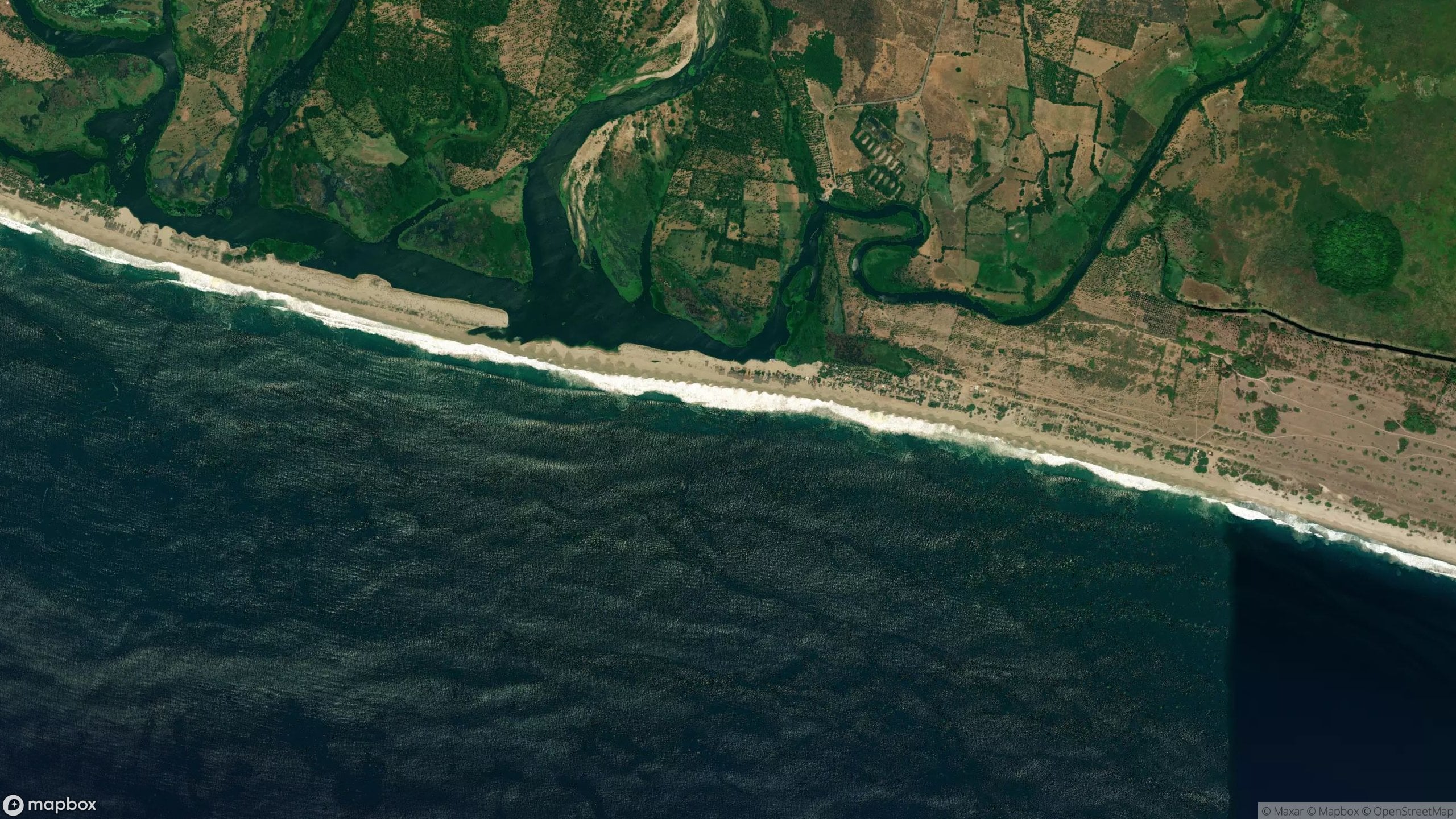
If you're planning a Guerrero trip centered on Revolcadero or Barra Vieja, June through November is non-negotiable. Those sandbars need consistent south swell to shape up, and you won't find that outside this window reliably.
Year-round surf is technically possible in Mexico, but chasing the right coast for the right season makes the difference between a great trip and a flat one.
Where in the country to base
Baja California Sur for first-timers and road trippers. Los Cabos is the easy entry point with international flights from most US cities. From there, Cerritos is a beginner-friendly beach break thirty minutes north of Todos Santos. More experienced surfers push further north toward Scorpion Bay (San Juanico), a multi-day drive but one of the longest right-hand point breaks in the world. I'd base in Todos Santos or La Paz for flexibility across the southern Baja coast.
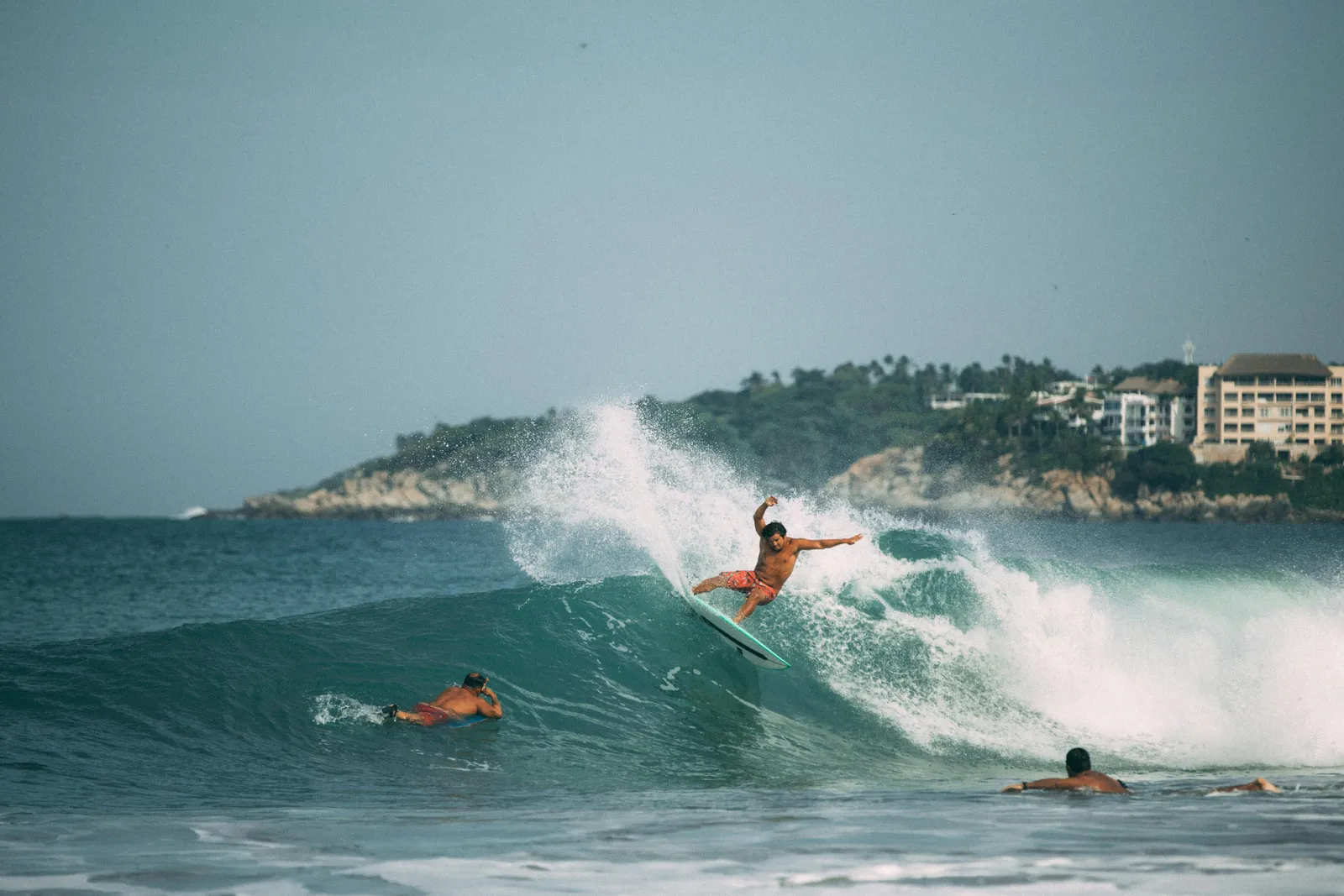
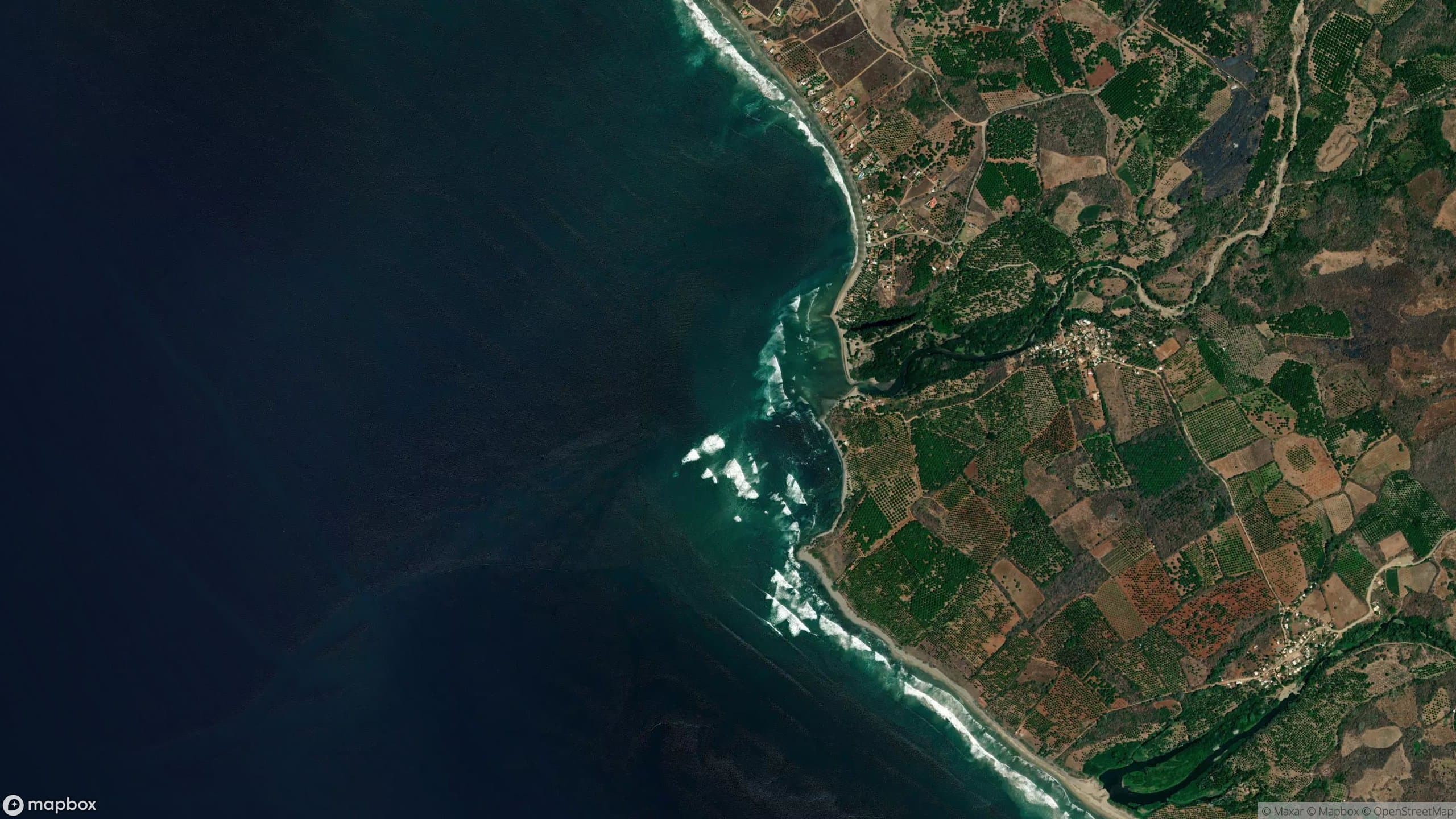
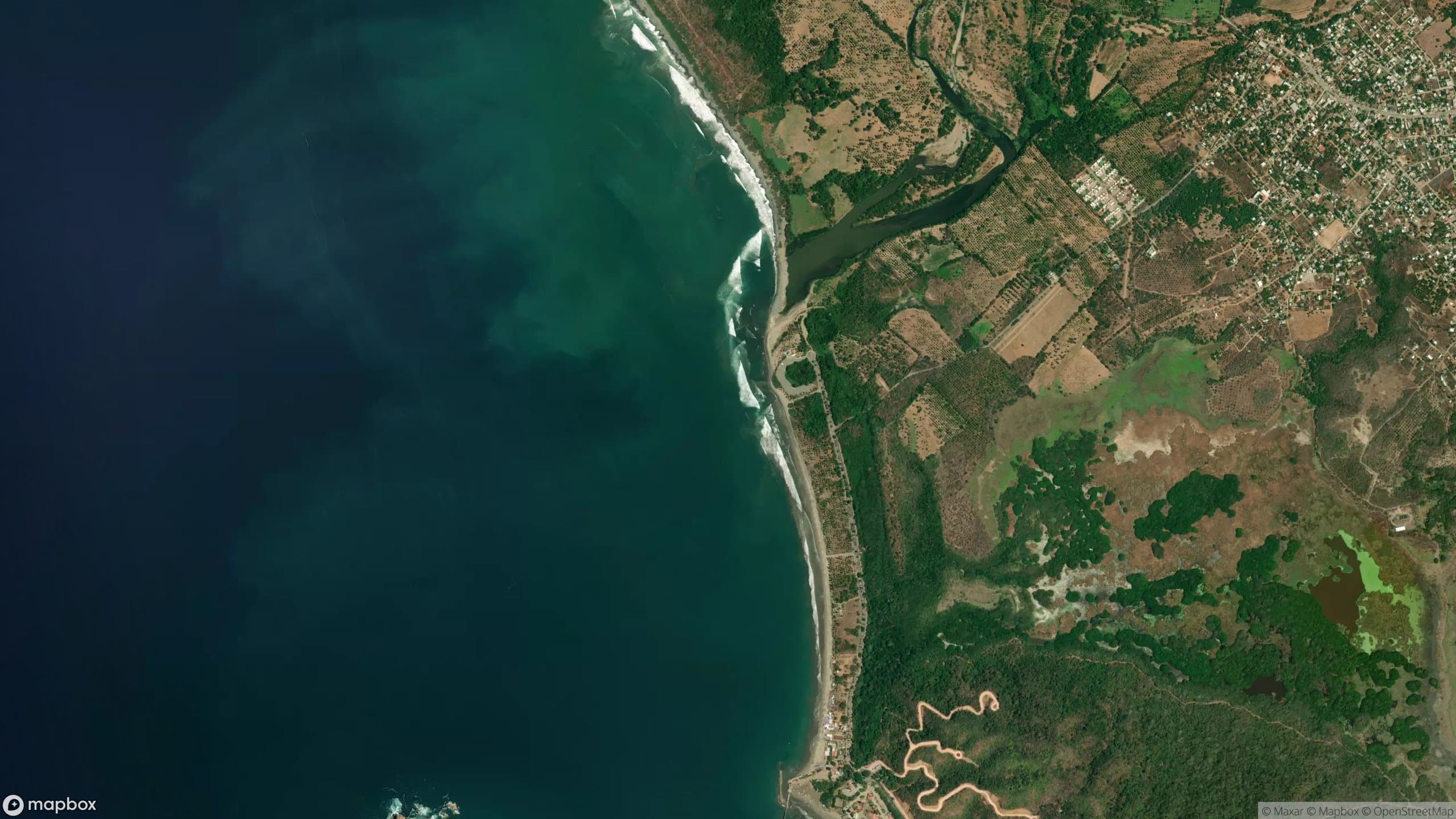
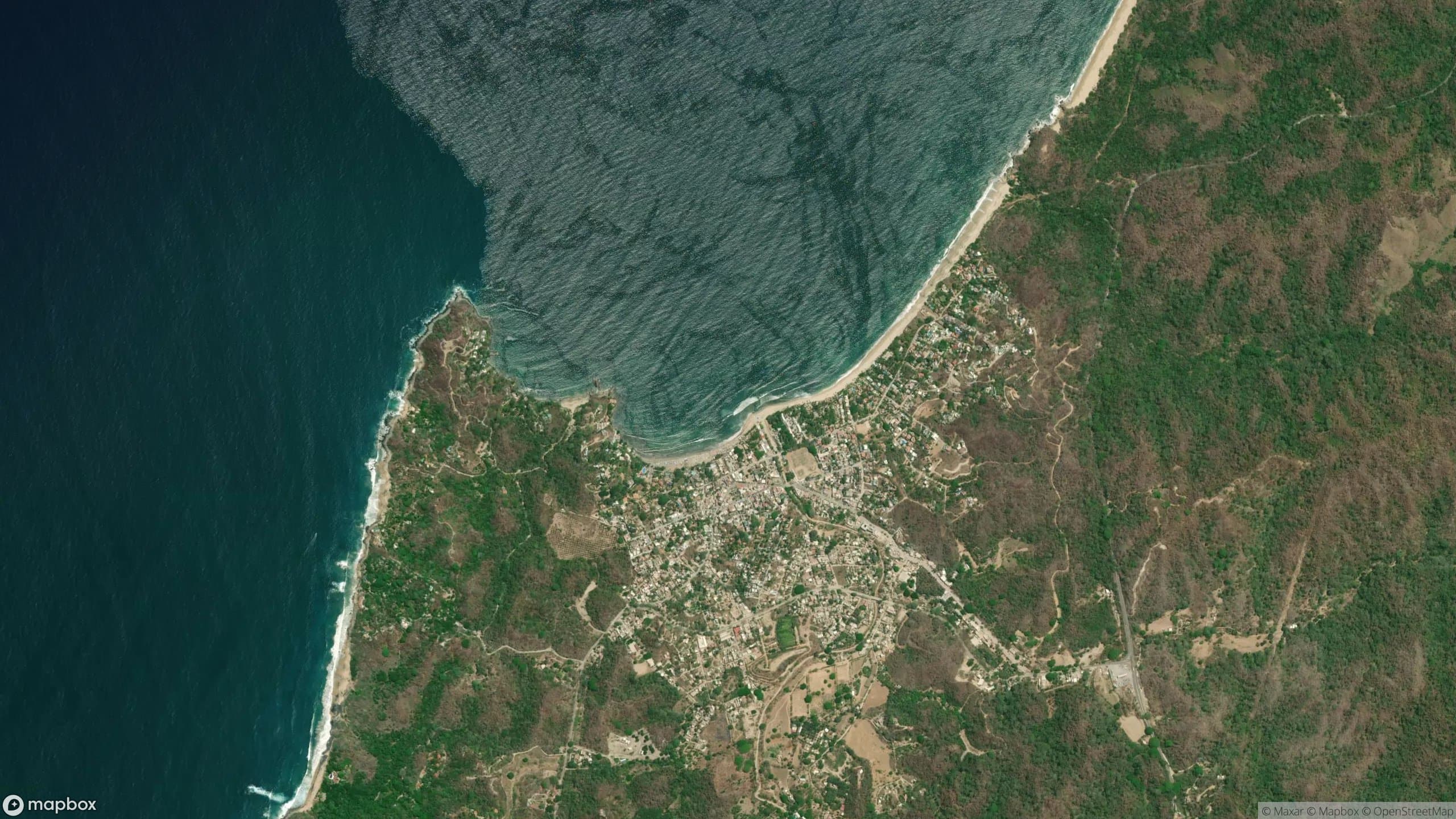
Michoacán for long-wall lovers and intermediates. Zihuatanejo and Ixtapa serve as the practical base. La Saladita is the headline wave: a cobblestone point that peels for hundreds of meters on a good day, almost forgiving in nature, perfect for working on trim and footwork. Troncones sits nearby and handles slightly more size. This region suits surfers who want mellow to medium waves with room to breathe.
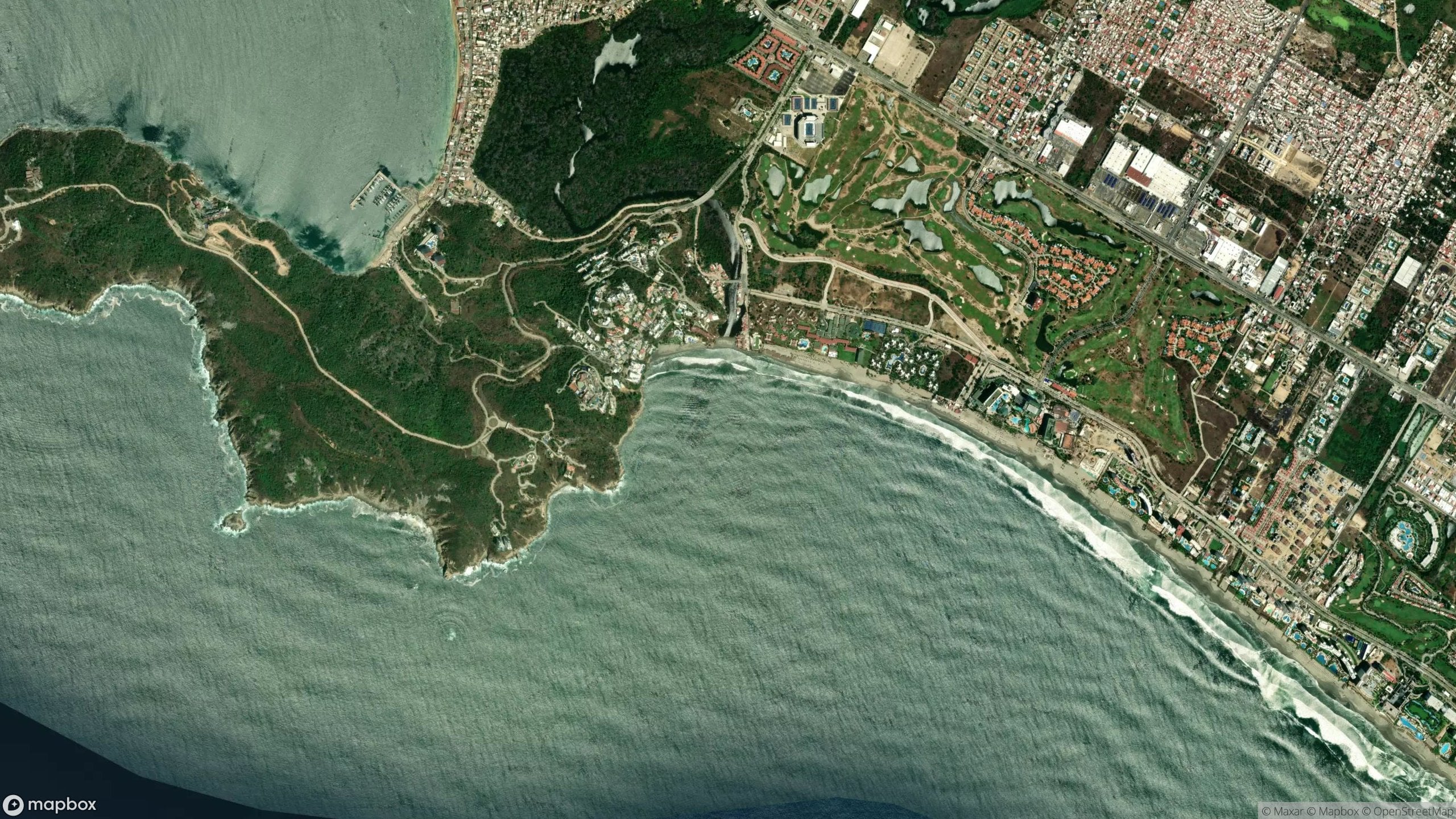
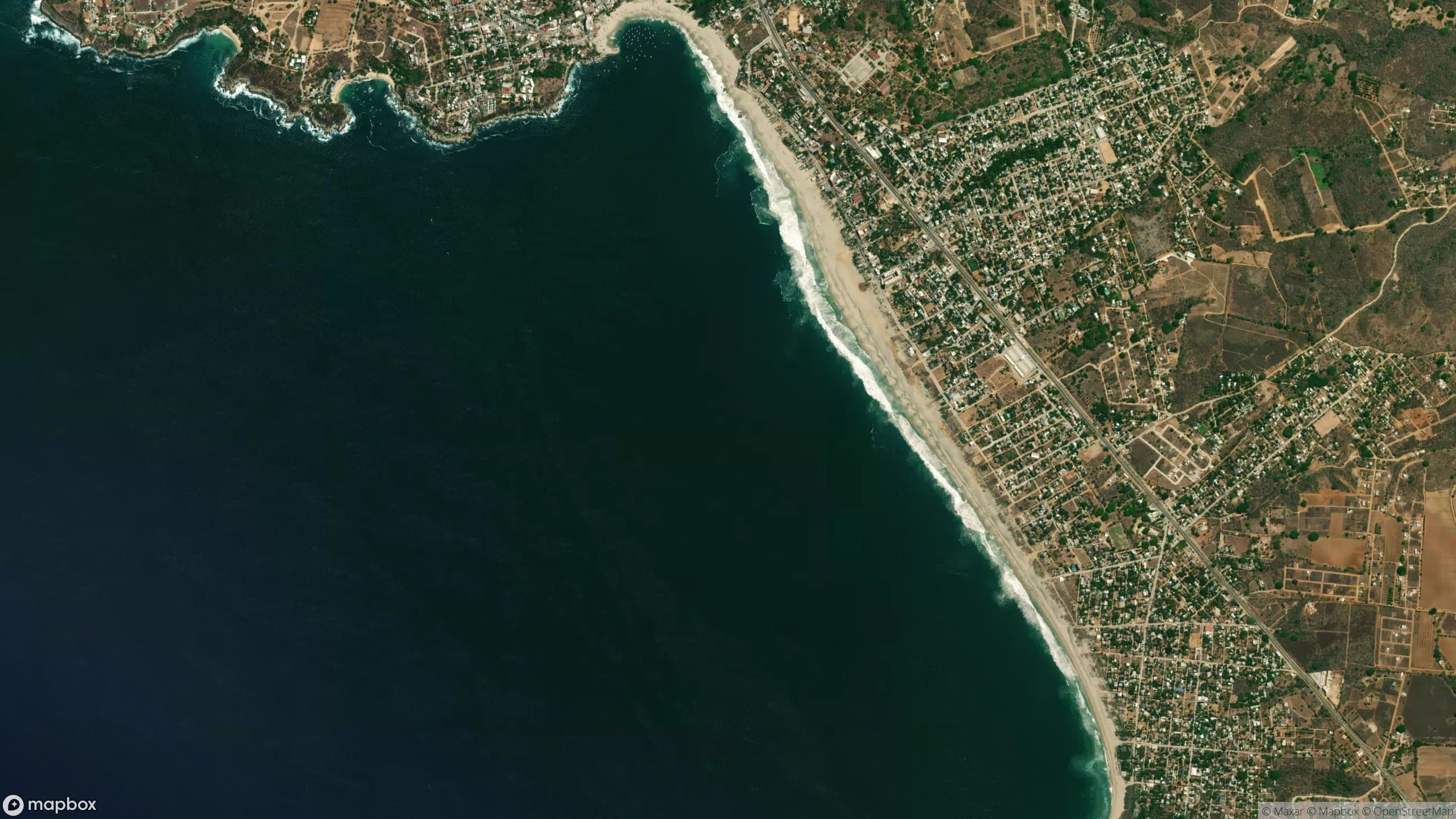
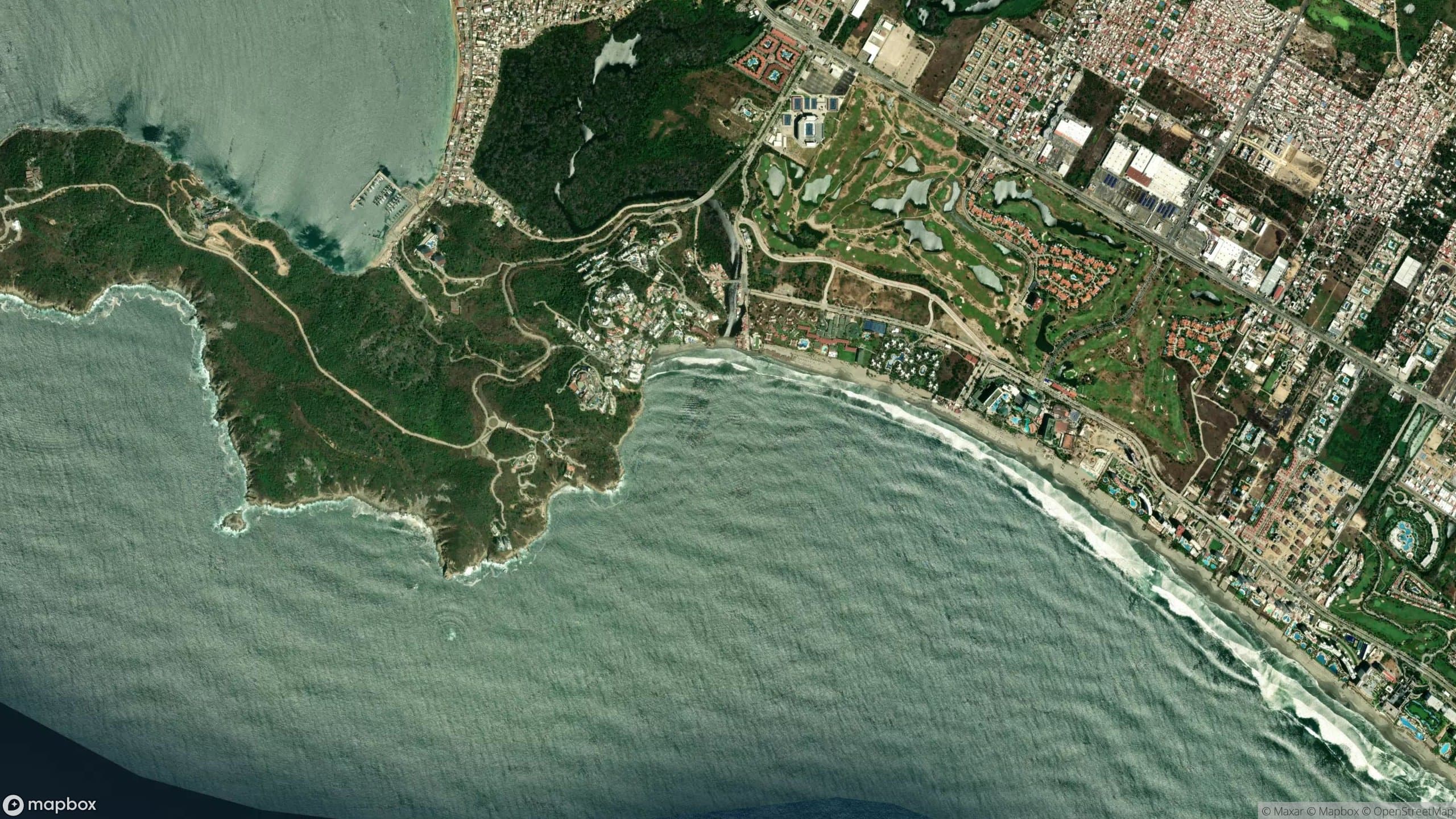
Guerrero for power and performance. Acapulco is the access hub with a major airport. Revolcadero is the main draw: a long, powerful sand-bottom beach break that handles big swell and rewards surfers who can read fast, punchy sections. Barra Vieja further south offers rawer conditions and shifting sandbars. Guerrero is not a beginner region. The surf here has real force when the swell is up.
For return surfers I'd recommend stringing a Michoacán to Guerrero road trip in late June or early October, using Zihuatanejo as the north anchor and Acapulco as the south exit. The coastal road connects the two in a day, and you can surf multiple breaks along the way.
Logistics
Flying in is straightforward. Los Cabos (SJD) serves Baja. Zihuatanejo (ZIH) covers Michoacán. Acapulco (ACA) is the Guerrero gateway. All three have direct international service from the US and connecting flights from Mexico City.
Getting between regions is where Mexico gets honest with you. Baja to Guerrero overland is a multi-day commitment. Most surfers pick a coast and stick to it. Domestic flights via Mexico City can bridge the gap if you're combining regions, but budget an extra travel day.
Within regions, rental cars give the most flexibility in Baja where remote breaks require driving on rough dirt roads. In Michoacán and Guerrero, cheap vans (combis) and scooter rentals handle most inter-break movement. Taxis and apps like Uber work in Acapulco and Zihuatanejo proper.
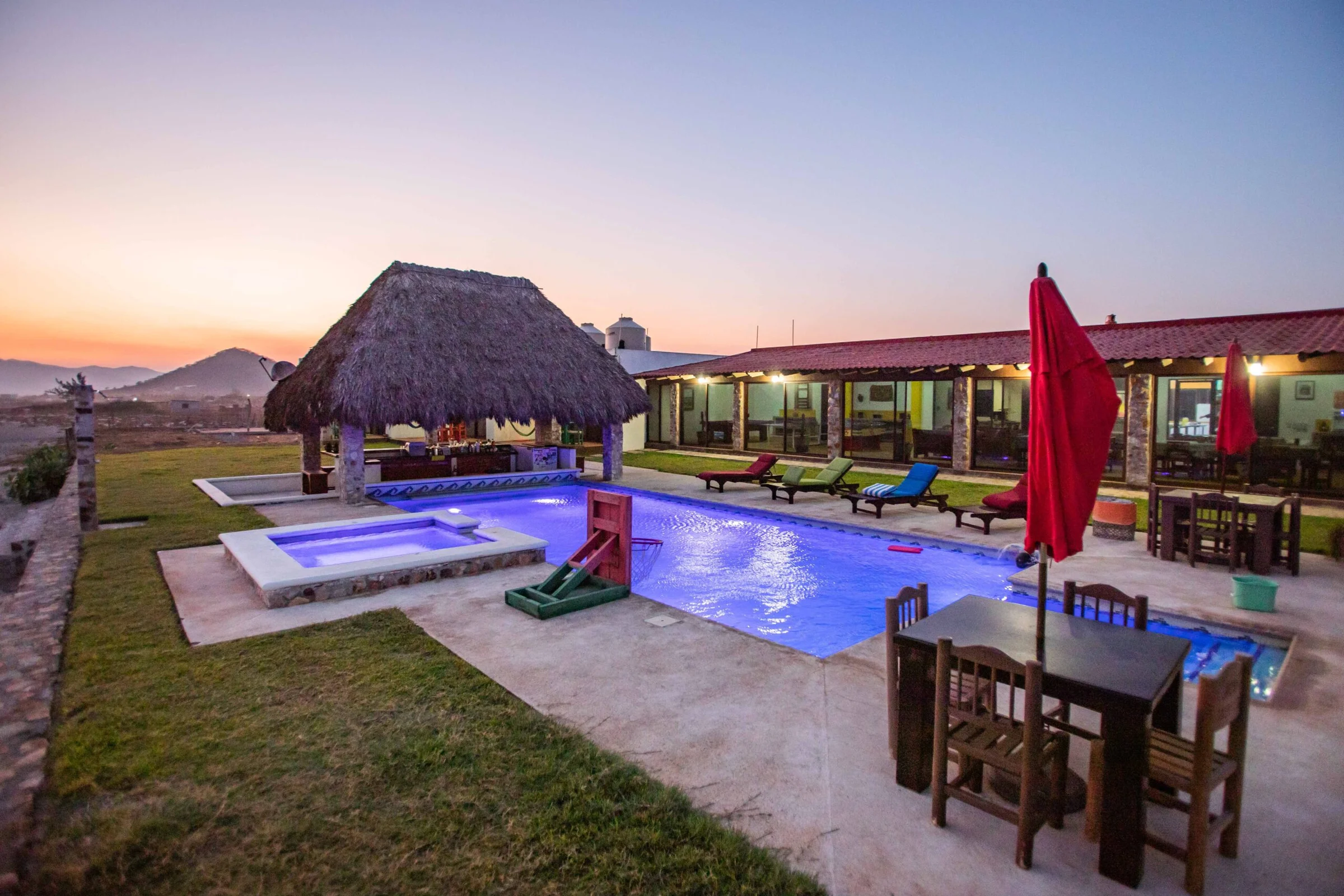
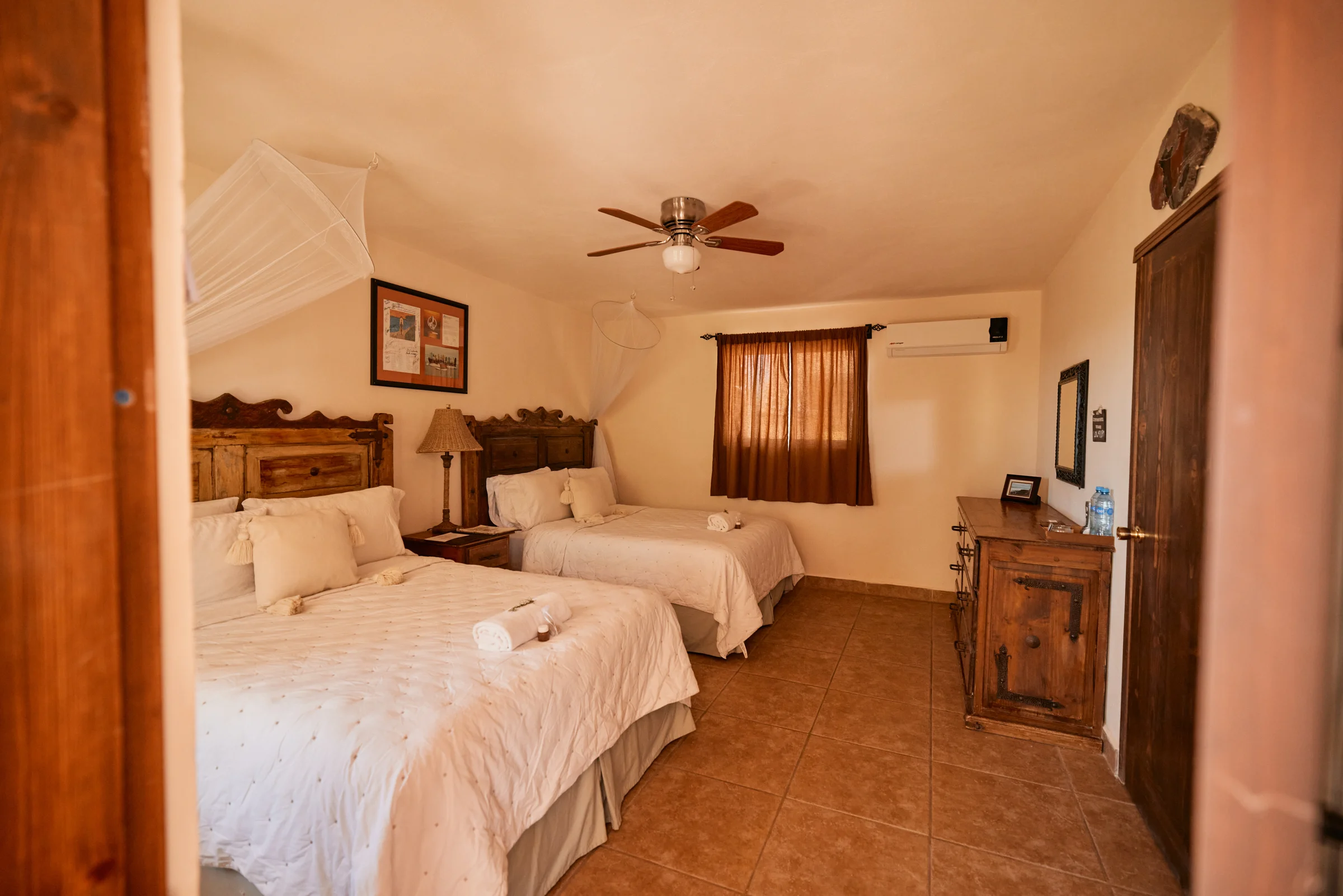
Accommodation density varies. Baja and the Guerrero coast around Acapulco have a wide range from budget hostels to boutique surf camps. Michoacán's Troncones and La Saladita are more low-key with smaller guesthouses and surf lodges. Book ahead for June through August in any region.
Money + connectivity
Mexico runs on the Mexican Peso (MXN). Cash is still king at small surf towns, roadside taquerias, and remote breaks. I'd carry a mix. ATMs are reliable in Todos Santos, Zihuatanejo, and Acapulco. In smaller villages between these hubs, ATMs are scarce. Pull cash before heading into remote areas.
Credit cards are accepted at most hotels and larger restaurants in tourist centers. Street food, surf camp deposits, and local transport almost always require cash.
eSIM coverage works well from providers like Airalo using Telcel or AT&T Mexico networks. Physical SIMs from Telcel or Movistar are cheap and available at airports and convenience stores. Data speeds are solid in Acapulco and Zihuatanejo, decent in Todos Santos, and patchy on remote Baja stretches. Bring an offline map app and download swell charts before heading out of range.
Internet at surf lodges ranges from fast to non-existent depending on how far you've traveled from a town center. Manage expectations in rural Baja and coastal Michoacán.
Visa + entry
Most common passport holders including US, Canadian, EU, UK, and Australian citizens do not need a visa to enter Mexico. You receive a tourist card (FMM) on arrival valid for up to 180 days, though immigration officers typically stamp 30 to 90 days. Ask for the full 180 if you're planning a long trip.
Extensions are possible but bureaucratic. Most surfers simply exit and re-enter if needed. Keep your FMM receipt as you'll need it on departure.
A passport valid for at least six months beyond your travel dates is required. Onward travel proof may be requested but is rarely checked strictly.
Health + safety
Water safety is the primary health concern. Do not drink tap water anywhere in Mexico. Bottled water is cheap and available everywhere. Stomach illness from food or ice is common for first-time visitors. Stick to busy restaurants with high turnover. Street tacos from crowded stands are generally safer than they look.
Mosquito-borne illness including dengue fever is a real risk in Guerrero and Michoacán, particularly during and after rainy season. Use DEET-based repellent and cover up at dusk. Malaria risk exists in rural coastal areas of both states. Consult a travel health clinic before departure.
Reef cuts are a risk at Baja point breaks like Scorpion Bay. Booties and a rashguard reduce injury. Rinse cuts quickly and monitor for infection in the heat.
Hurricane and tropical storm risk applies June through November across Guerrero and Michoacán. Check forecasts before coastal travel during this period. Swells generated by these systems can be extraordinary, but landfall events create dangerous rip currents and onshore conditions.
Traffic in Acapulco is chaotic. Crime in Acapulco city has been elevated in recent years and some government travel advisories flag specific zones. Research current conditions before arrival and stay in established surf and tourist areas. Outside the city, coastal Guerrero is generally calm and welcoming to travelers.
Food + culture
Mexican food on the Pacific coast is outstanding. In Guerrero and Michoacán, fresh ceviche, pescado a la talla (grilled fish in chili paste), and shrimp tacos from beachfront stalls are the daily staples. I'd eat at the spots closest to the water where fishermen sell directly. Avoid anything sitting in the sun too long.
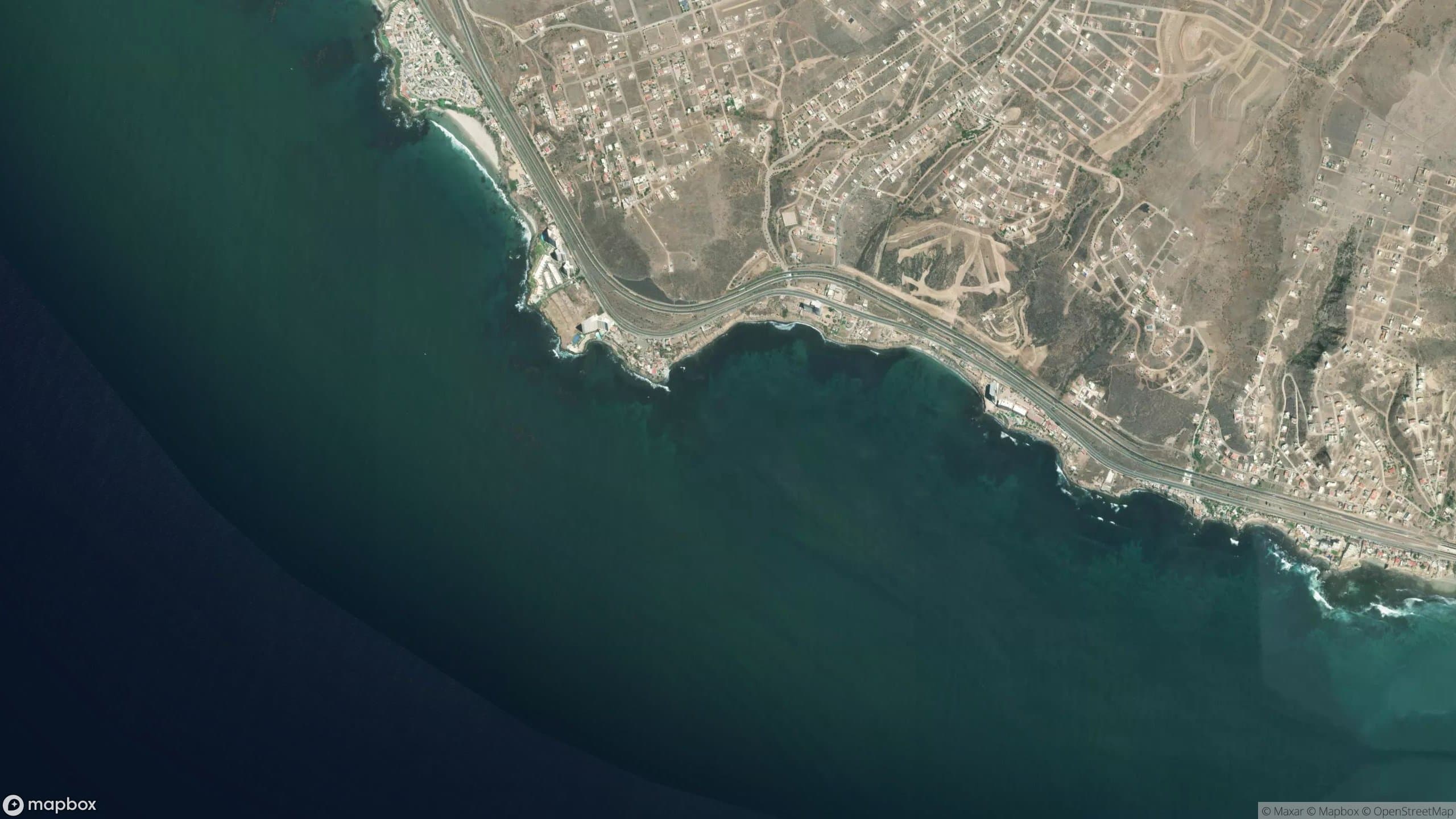
Baja has its own food identity. Fish tacos from Ensenada-style stands are the benchmark. In Todos Santos you'll find a growing cafe and restaurant scene with excellent coffee. La Paz has a strong seafood market worth visiting.
Culture tip: Mexican surf towns are generally relaxed and welcoming, but localism exists at a few consistent breaks. Paddle out respectfully, don't drop in, and learn a handful of Spanish phrases. Locals respond warmly to even basic efforts at communication.
Sunday is family beach day across Mexico. Lineups fill with local surfers and swimmers. Adjust expectations and enjoy the energy rather than fighting it.