When to go
South Africa's surf calendar splits cleanly by coast, which is one of the things I love about planning a trip here. You can chase good waves almost any month, you just need to pick your coast.
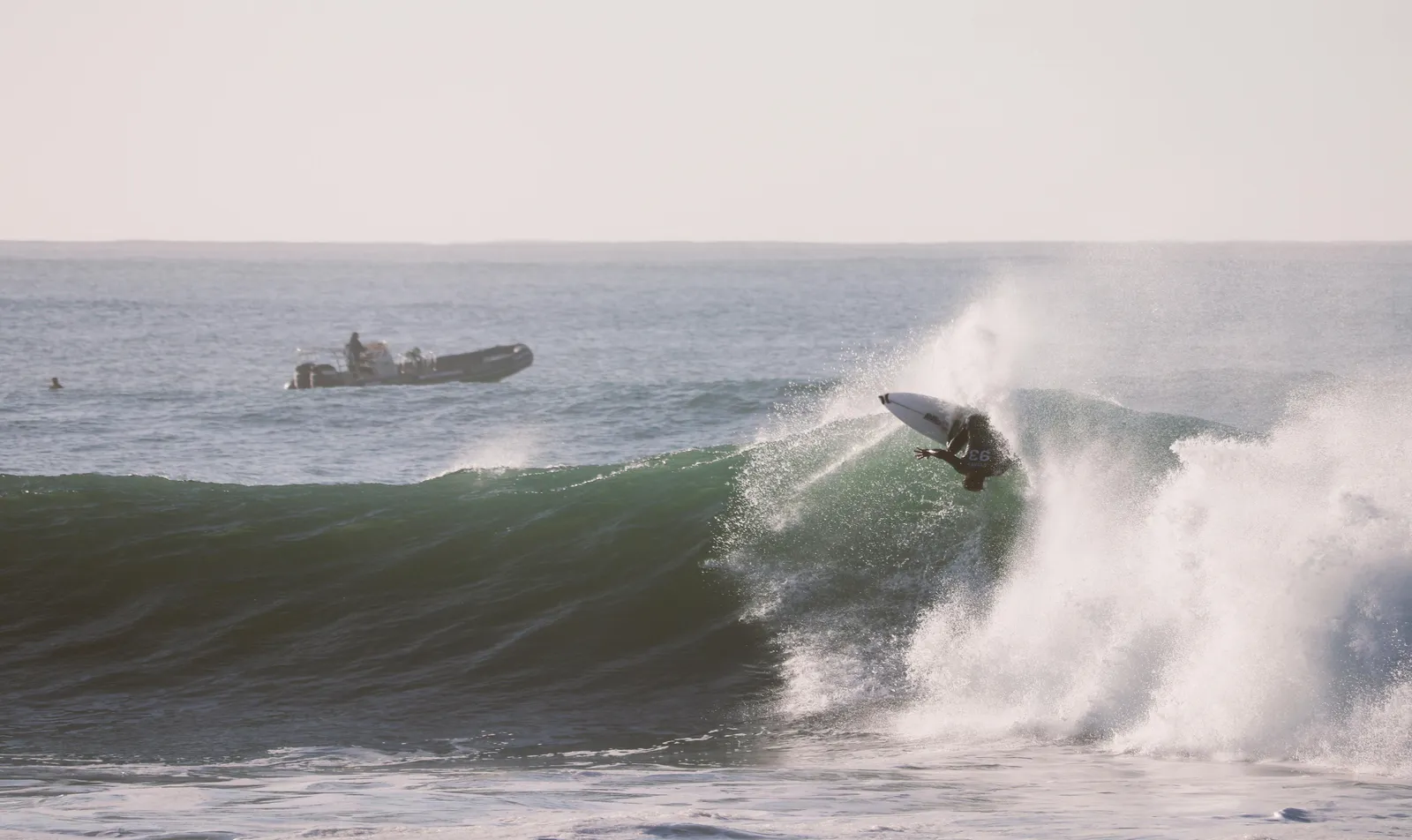
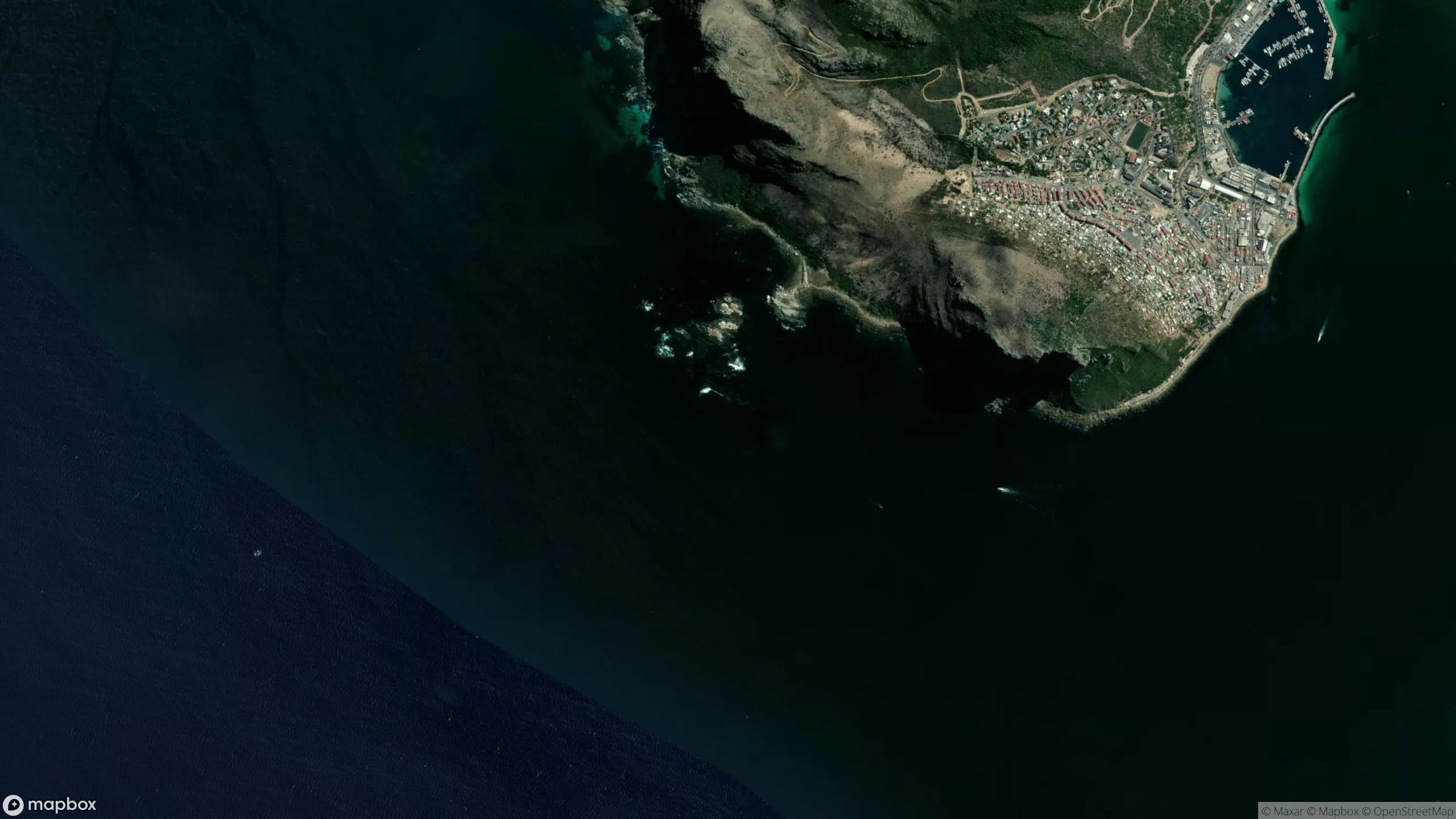
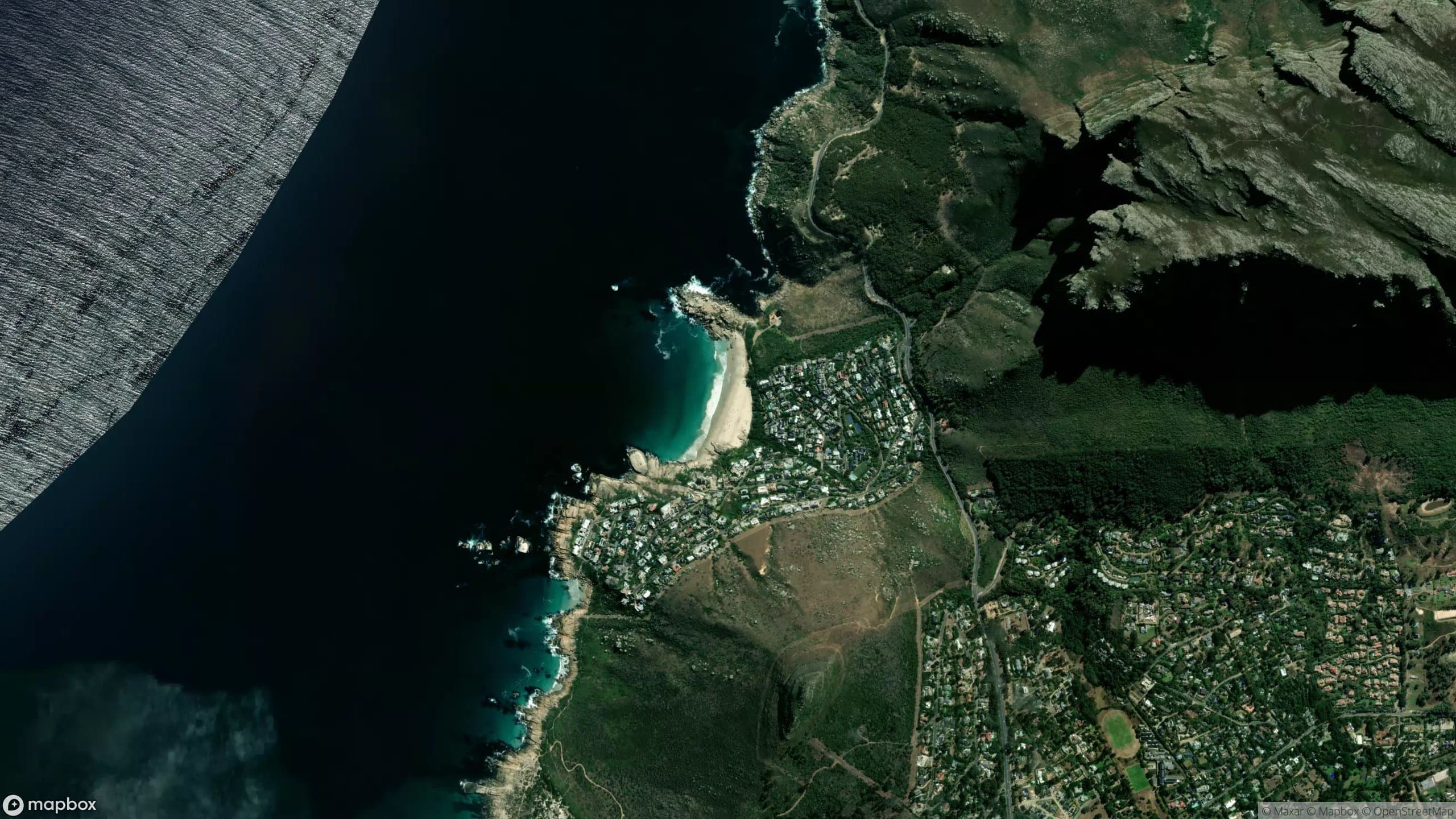
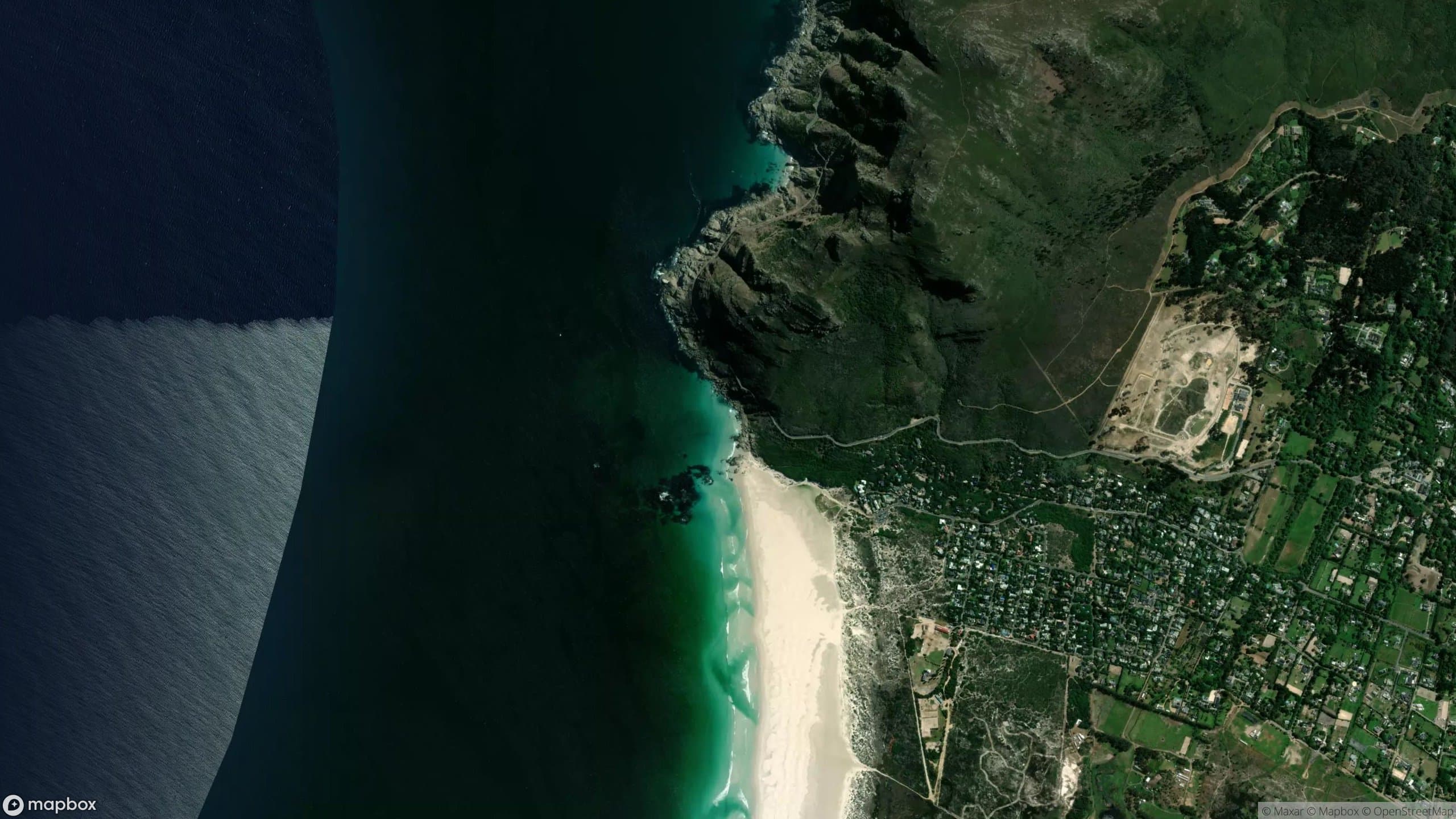
The Cape Peninsula and West Coast fire hardest from May through August. Southern Ocean low-pressure systems crank long-period W and SW swells that wrap the peninsula, and SE trade winds groom exposed breaks like Dungeons and The Hoek into clean, groomed barrels. Water temperature drops to 10-14°C in the Cape winter, so a 4/3 wetsuit with boots is not optional, it is mandatory.
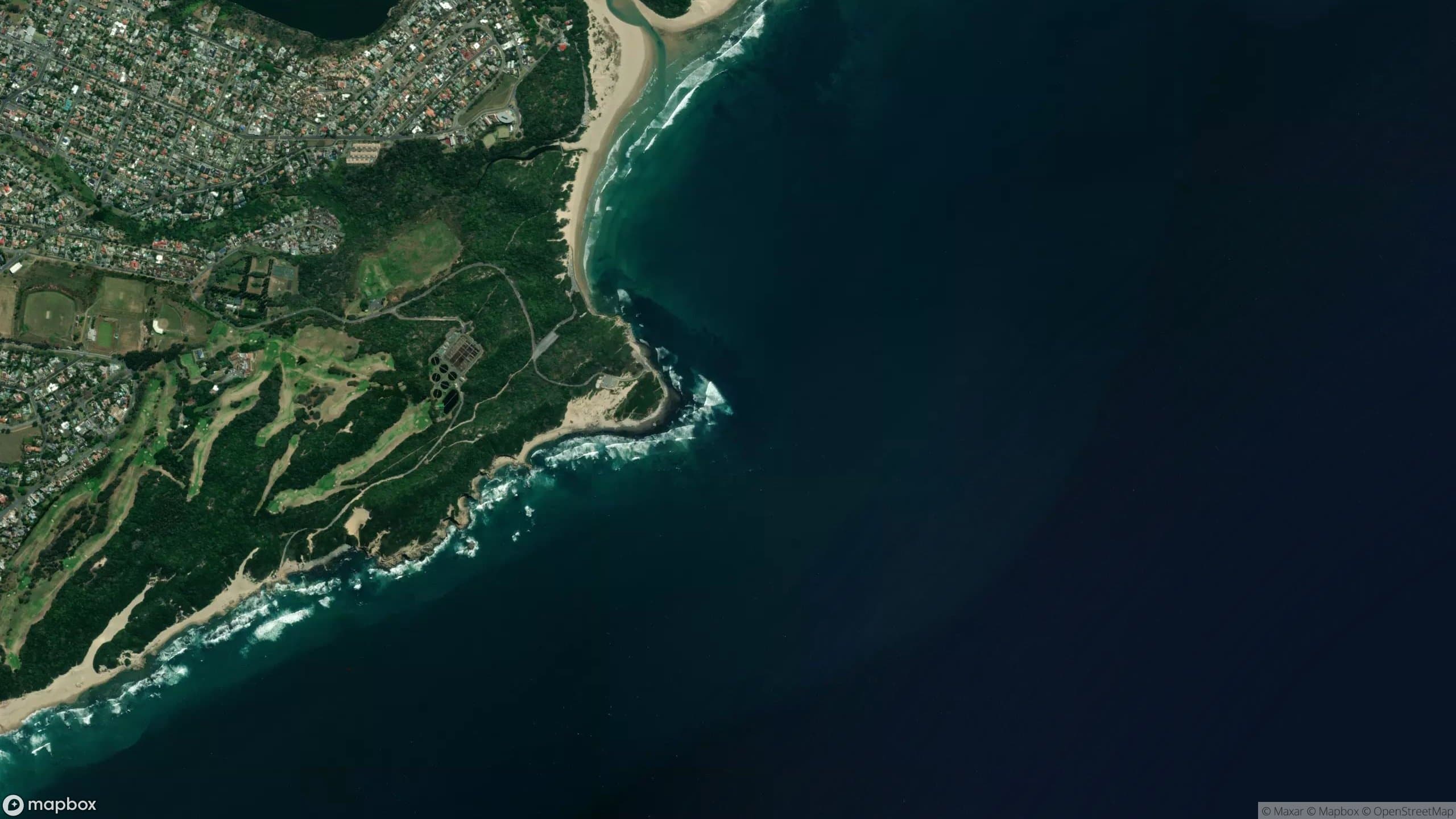
The Eastern Cape, including Port Elizabeth and East London, follows a similar winter rhythm. April through September is prime time. Nahoon Reef, one of the most consistent right-handers in the country, fires hardest when SW groundswell hits the coast with light NW offshore winds. Summer is not dead here, just lighter and more beachbreak-friendly.
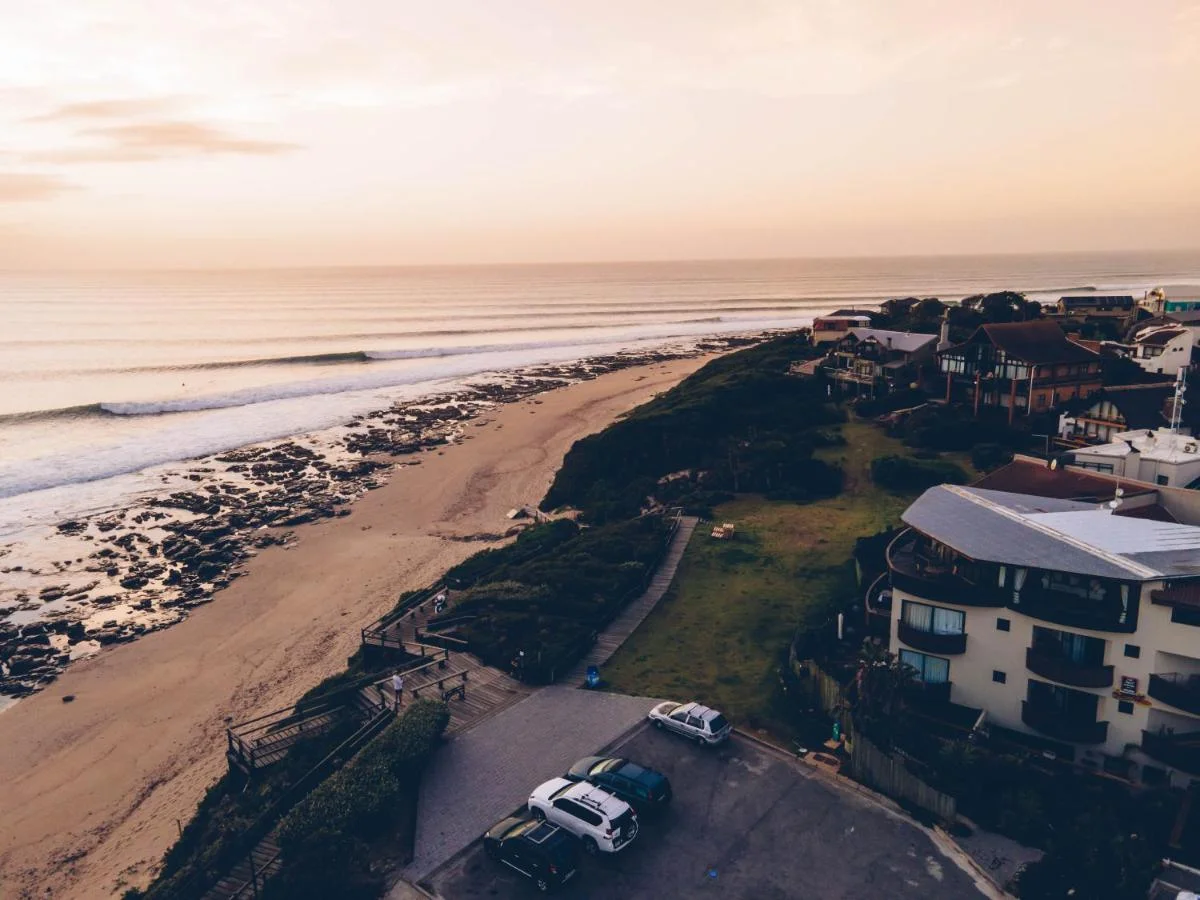
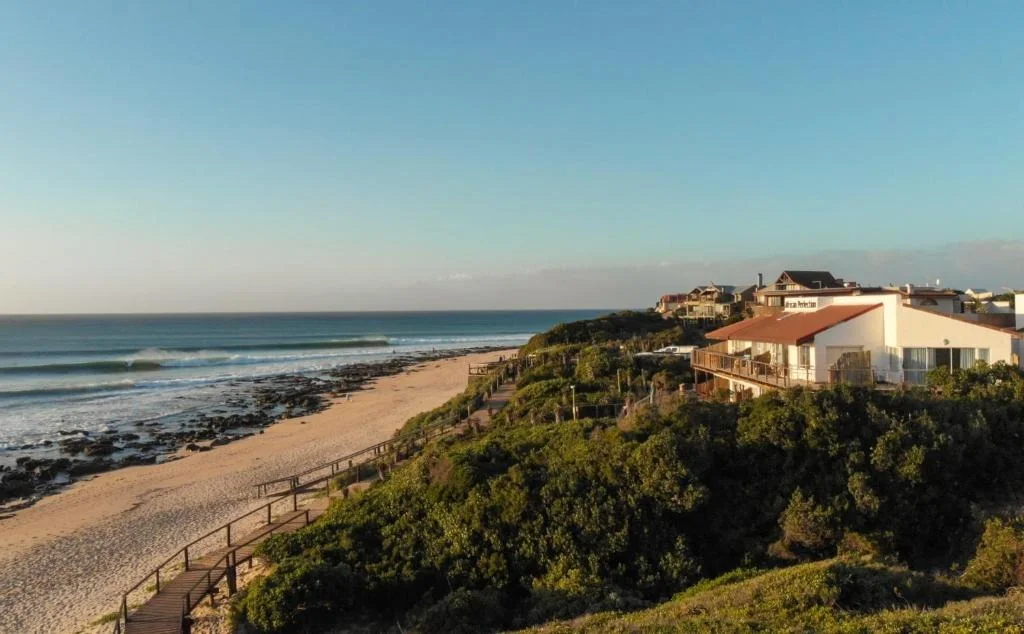
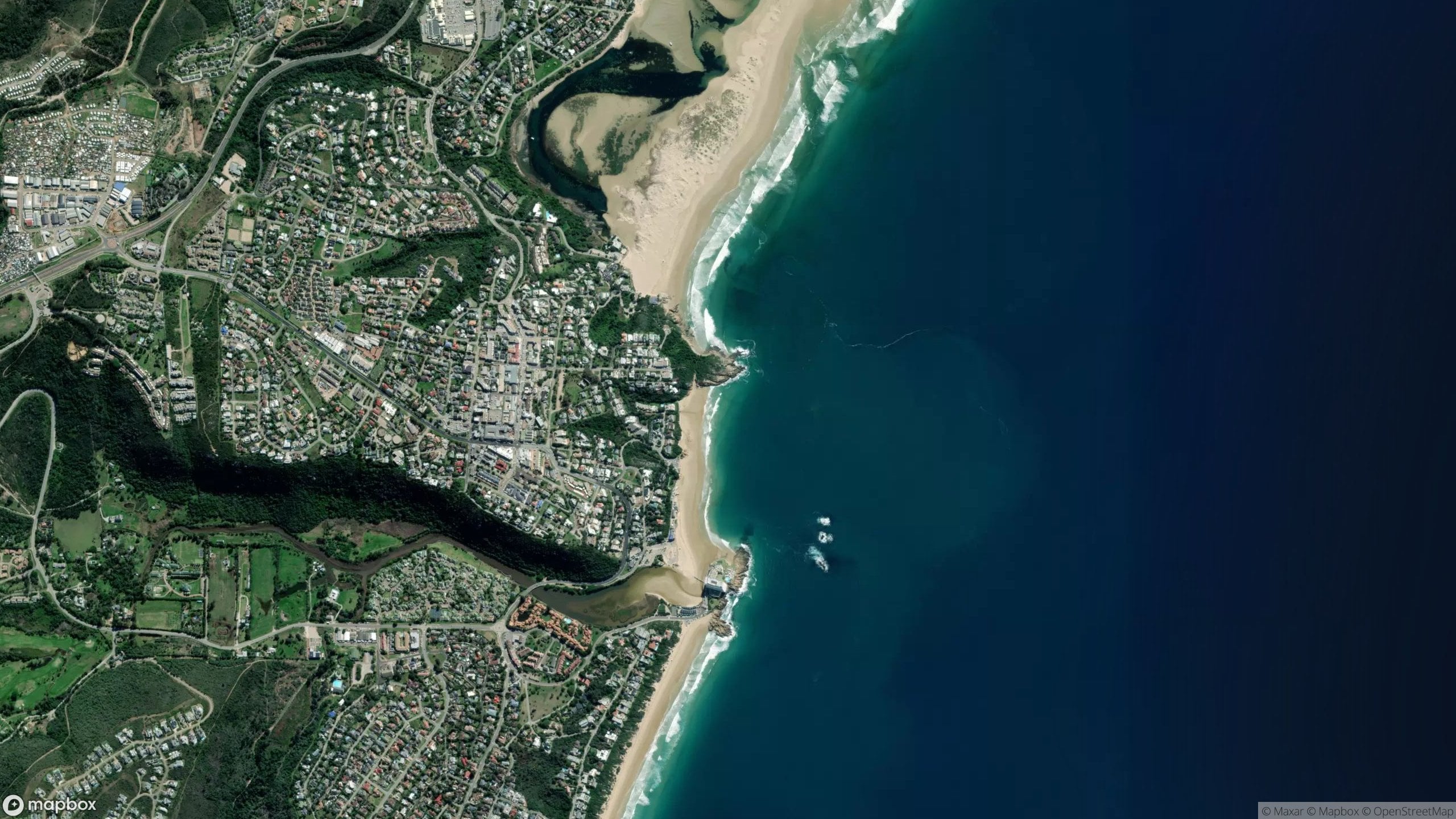
The Southern Cape and Garden Route, running from Mossel Bay to Plettenberg Bay, work April through September. Still Bay and Victoria Bay produce long, walled-up runners on SE to SW swell. Spring and early autumn shoulder months are often the sweet spot: less crowd pressure, still solid swell, and slightly warmer water.
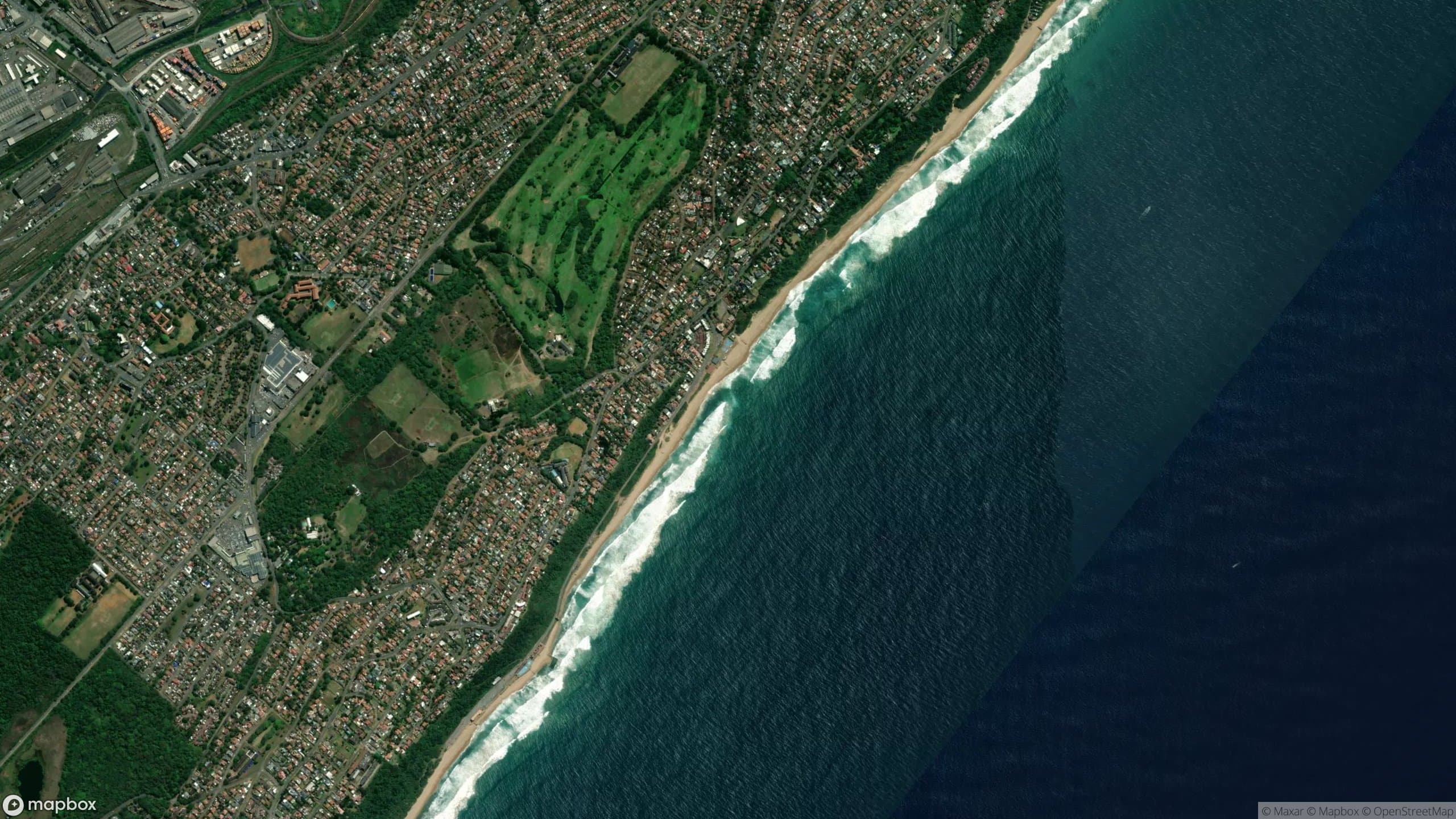
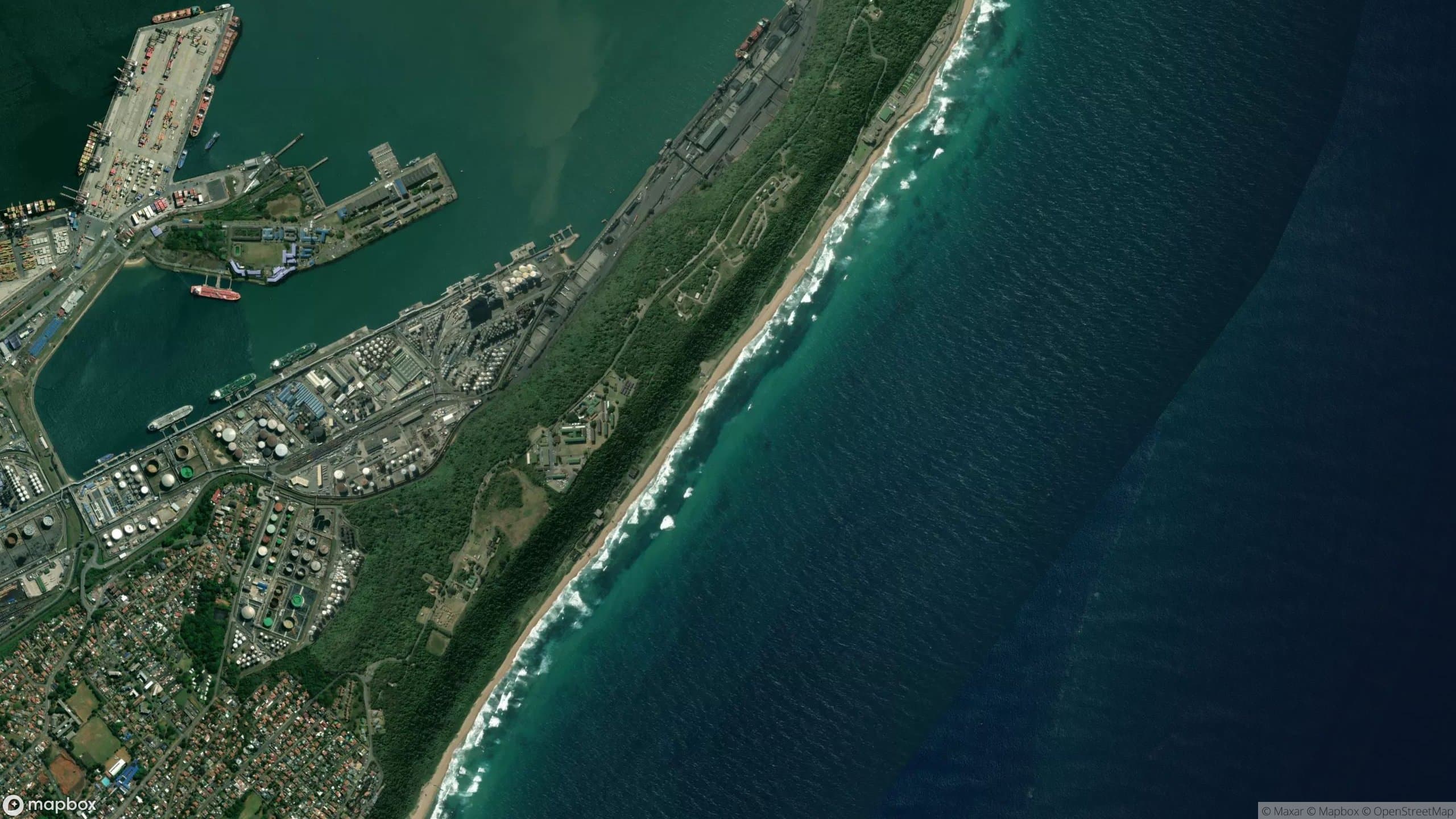
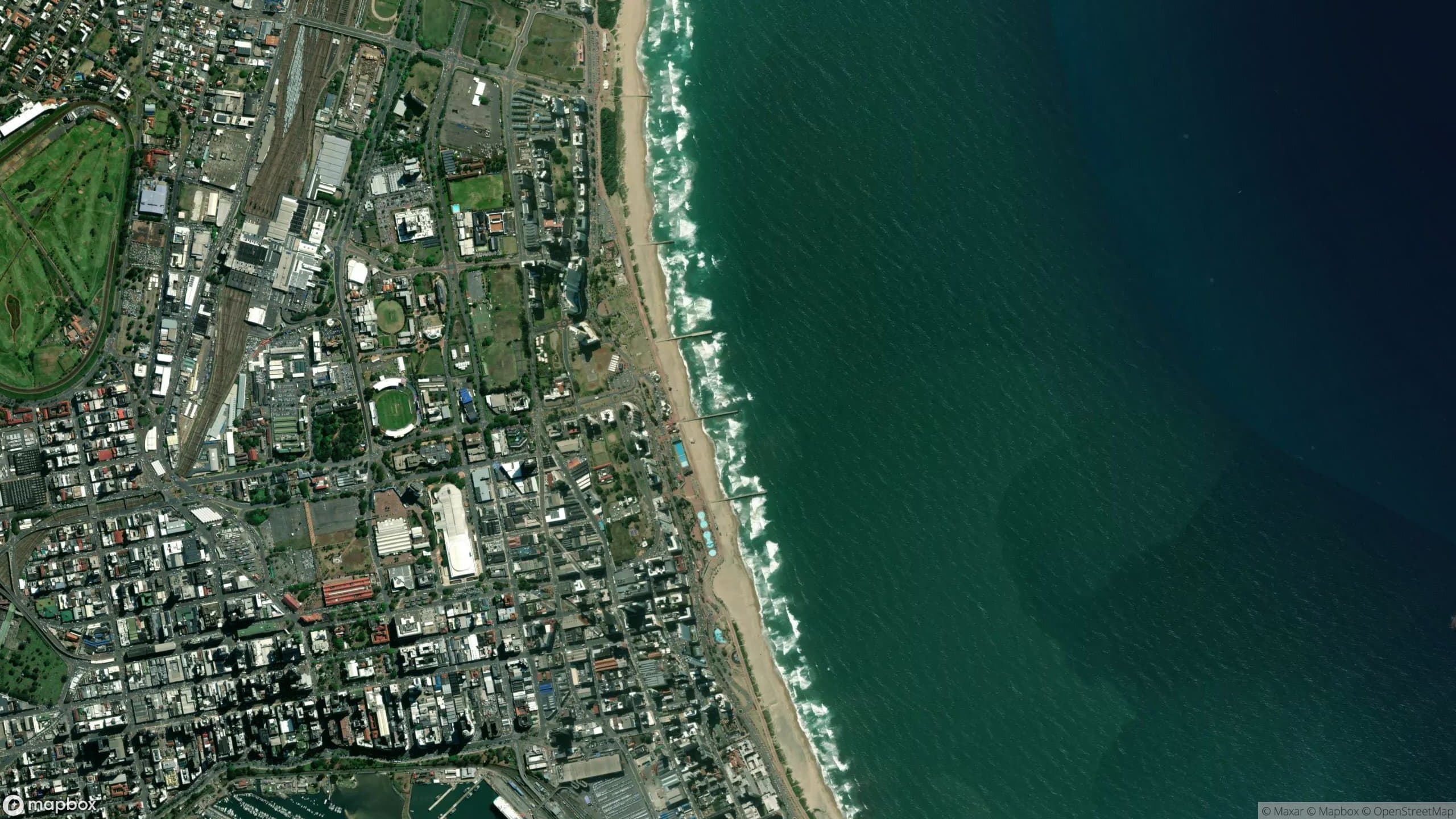
KwaZulu-Natal flips the calendar. Durban and the South Coast are warmest and most consistent November through April, when S to SW swells light up Cave Rock and North Beach. June through August also fires on winter swell, making KZN arguably the most multi-season coast in the country. Water temperature hovers between 20-26°C. A 2mm shorty or boardshorts will handle most of the year here.
Where in the country to base
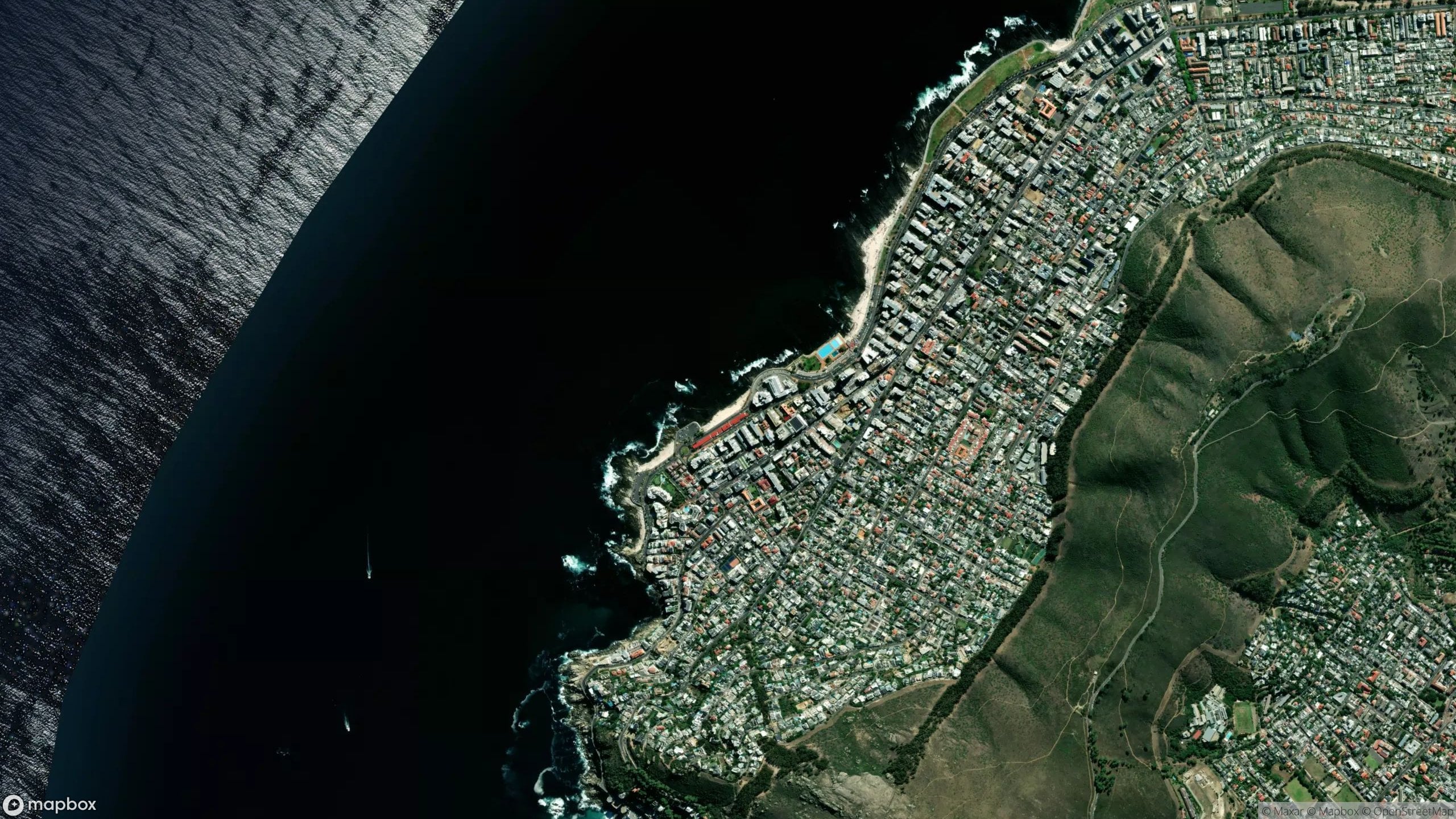
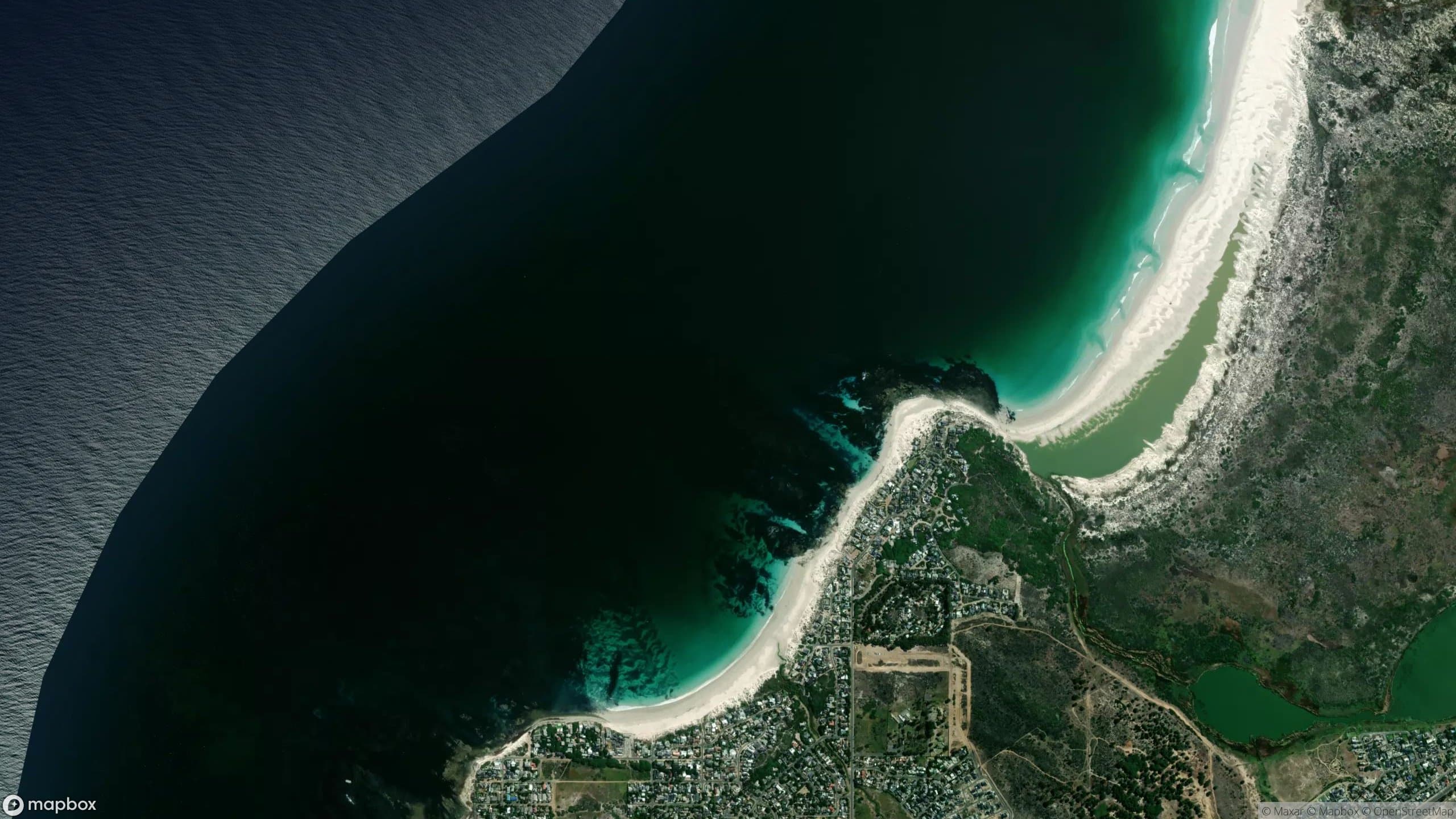
Cape Town (first-timers and advanced surfers): Cape Town is the logical entry point for most international surfers. Muizenberg sits in False Bay and is one of the best longboard and beginner waves in southern Africa. From the same base, you can chase Dungeons, Sunset Reef, The Hoek at Kommetjie, and Long Beach. The city is easy to navigate, accommodation options are deep, and food and nightlife are world-class. Come in winter. Come with a thick wetsuit.
East London and the Eastern Cape (intermediate to advanced, road trippers): East London is underrated as a surf base. Nahoon Reef is world-class when it fires. The surrounding coastline has enough variety to keep you busy for a week. It suits surfers doing the coastal drive between Cape Town and Durban who want a legit stop rather than just a petrol station.
Mossel Bay or Plettenberg Bay (Garden Route road trippers): The Garden Route is best treated as a moveable feast. Base in Mossel Bay or Plettenberg Bay and day-trip to Victoria Bay, Still Bay, Jeffreys Bay if you extend east, and a dozen lesser-known reef runners. A 7-10 day road trip through this stretch is one of the best surf road trips on the continent.
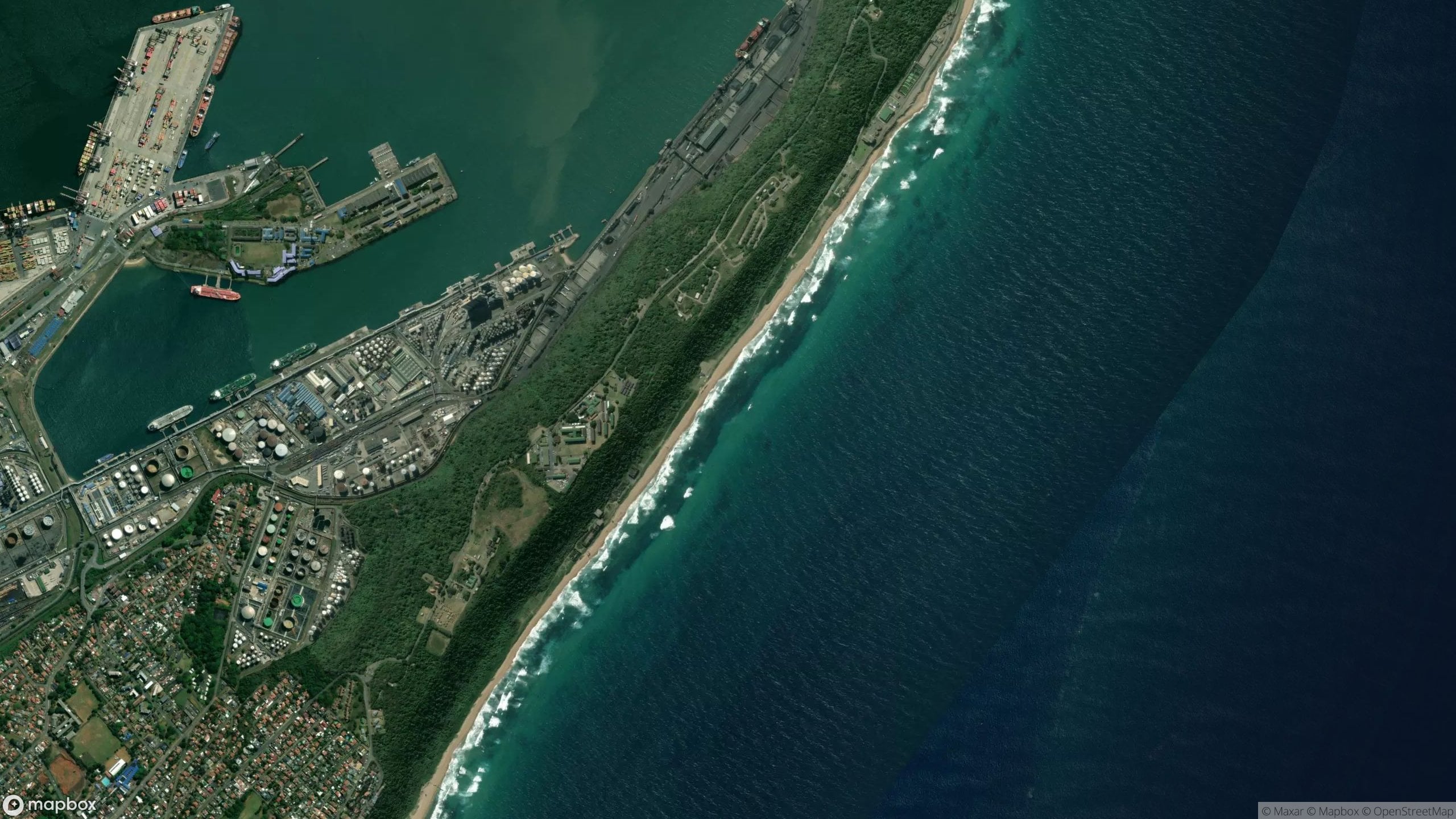
Durban (return visitors and warm-water seekers): Durban suits surfers who want warm water, hollow reef barrels, and a gritty city vibe. Cave Rock is as good as it gets in South Africa when it turns on. The South Coast, stretching through Scottburgh and Southbroom, adds more consistent options. This is also the jumping-off point for Wild Coast exploration if you want remote, off-grid surf.
Logistics
Flying in, Cape Town International (CPT) and King Shaka International in Durban (DUR) are your two main arrival points. Both handle international flights, though Cape Town gets more direct routes from Europe and the US. If you plan a coast-linking road trip, I'd fly into Cape Town and out of Durban, or vice versa.
Renting a car is non-negotiable for a proper surf trip here. Public transport does not serve surf breaks. Distances between the Cape and Durban are real, roughly 1,700km by road, so budget your driving days honestly. The N2 coastal highway connects most surf regions and is generally well-maintained, though some Wild Coast access roads require 4WD or high clearance.
Accommodation ranges from basic surf hostels in Muizenberg and Jeffreys Bay to solid guesthouses and Airbnb options in Durban and Cape Town. The Garden Route has a strong backpacker infrastructure. Book ahead for June and July in the Cape and for December and January in Durban.
Money + connectivity
South Africa uses the South African Rand (ZAR). Cash is useful in smaller towns and at markets, but card payment is widely accepted in cities, supermarkets, and most surf shops. ATMs are easy to find in Cape Town, Port Elizabeth (now officially Gqeberha), East London, and Durban. Carry some cash for the Wild Coast and remote Garden Route stops.
For connectivity, a local SIM from Vodacom or MTN is cheap and straightforward to buy at most airports with a passport. Data is affordable and 4G coverage is solid along the main coastal highway and in all major cities. The Wild Coast has patchy signal. Download offline maps before heading remote.
Visa + entry
Most Western passport holders, including US, UK, EU, Canadian, and Australian citizens, get 90 days visa-free on arrival in South Africa. Your passport must be valid for at least 30 days beyond your intended stay and you need at least two blank pages. Extensions are possible through the Department of Home Affairs but the process is slow. For most surf trips, the 90-day window is more than enough.
Health + safety
Shark encounters are a documented reality in South Africa, not just a headline. The Eastern Cape coast, particularly the stretch around East London and the Transkei, has a serious great white and Zambezi (bull) shark presence. KwaZulu-Natal's shark nets at main Durban beaches reduce but do not eliminate risk. I treat this as a genuine factor in wave selection, not a reason to skip the country. Check local shark spotters where they operate, especially at Cape breaks. The Cape's shark spotter program is well-organized and genuinely useful.
Water safety beyond sharks: rip currents are strong at beach breaks. Cold water at the Cape causes rapid fatigue. Reef lacerations are common. Pack a solid first aid kit.
On land, petty theft and opportunistic crime are real in Cape Town, Durban, and Port Elizabeth. Do not leave boards or gear on roof racks overnight. Lock the car when you surf. Solo travel is generally fine in surf areas, but be aware of your surroundings in cities after dark.
Health-wise, no malaria risk in surf regions. Hepatitis A vaccination is advisable. Water is safe to drink in cities. Rural areas, use filtered or bottled water.
Food + culture
South Africa's food scene is genuinely good. In Cape Town, the quality of restaurants is exceptional for the price. I'd eat at a braai (barbecue) at least twice a week. Boerewors rolls from roadside stands are a staple, cheap, filling, and good before a dawn patrol. In Durban, the bunny chow, a hollowed-out loaf of bread filled with curry, is a must. The Indian food in KZN is some of the best on the continent, full stop.
Culturally, South Africa rewards surfers who read the room. Localism exists, especially at Cape Town's more consistent reef breaks. Paddle out respectfully, wait your turn, and do not drop in. Learning a few words of Afrikaans goes a long way at Cape breaks. In KZN, the vibe is generally warmer and more welcoming. Tipping at restaurants is expected: 10-15% is the norm and servers depend on it.