When to go
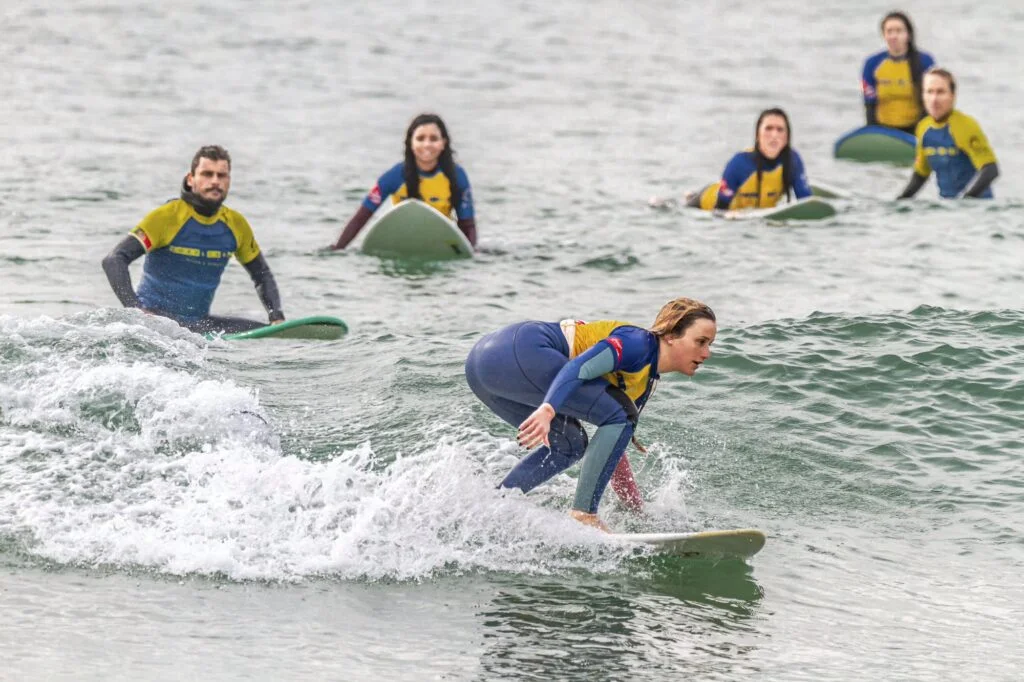
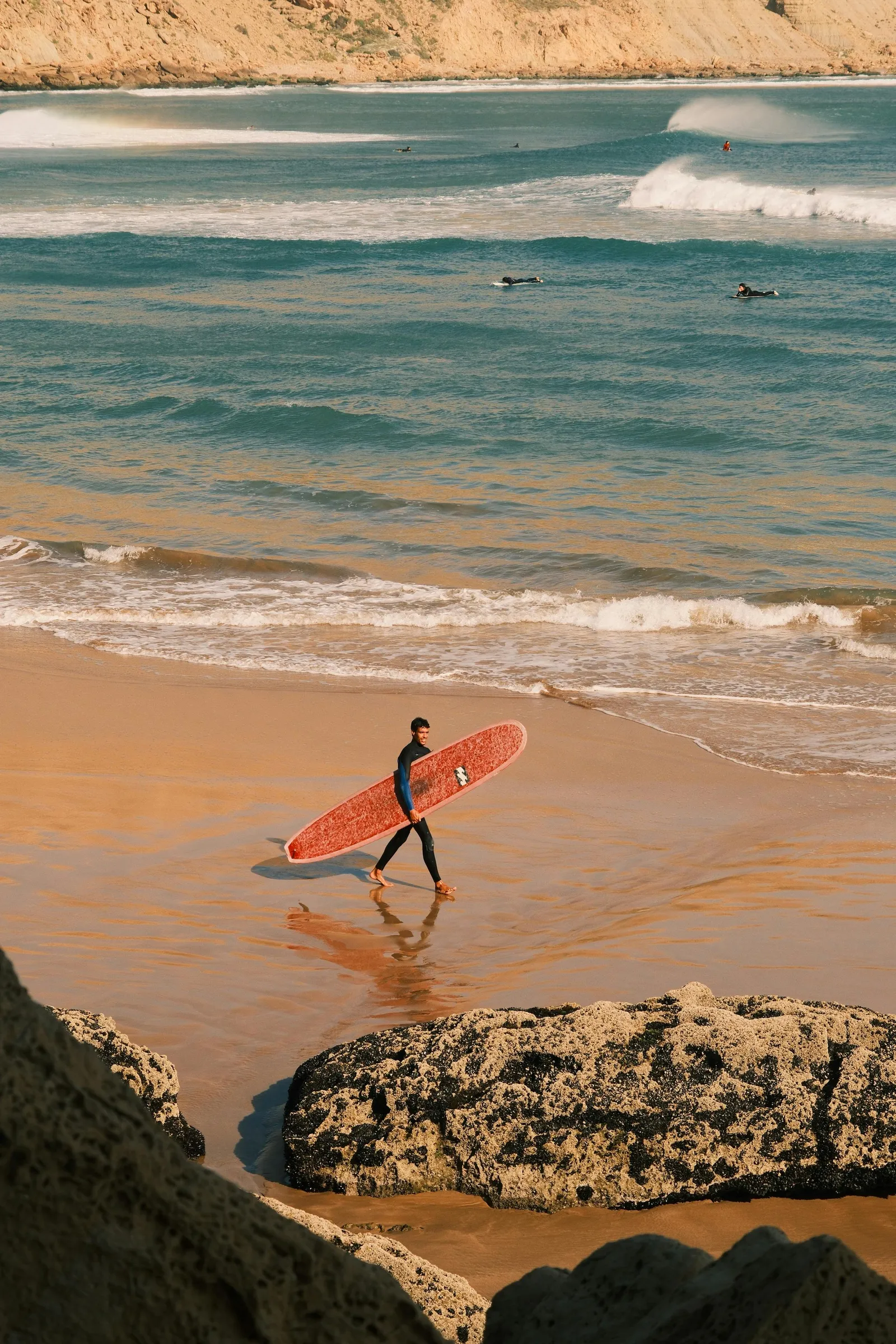
Portugal surfs year-round but each season has a distinct character. September through November is the sweet spot for most traveling surfers: overhead Atlantic swells arrive consistently, the summer crowds have thinned significantly, water is at its warmest (18-20°C), and accommodation prices drop from peak summer rates. December through February brings the biggest swells of the year. Nazare activates for XXL charge sessions, and solid 6-12ft surf runs at Peniche and Ericeira. This is advanced-to-expert territory on the north coast but Ericeira and Sagres stay surfable on the smaller windows within winter swell cycles. June through August is summer: smaller, cleaner waves, 18-22°C water, a 3/2 or springsuit, and the best conditions for beginners at beach breaks and surf schools. April and May are shoulder months when spring Atlantic swells can produce excellent conditions at lower prices than summer. Avoid public holidays in July and August at Ericeira and Peniche if crowd-free waves matter to you.
Where in the country to base
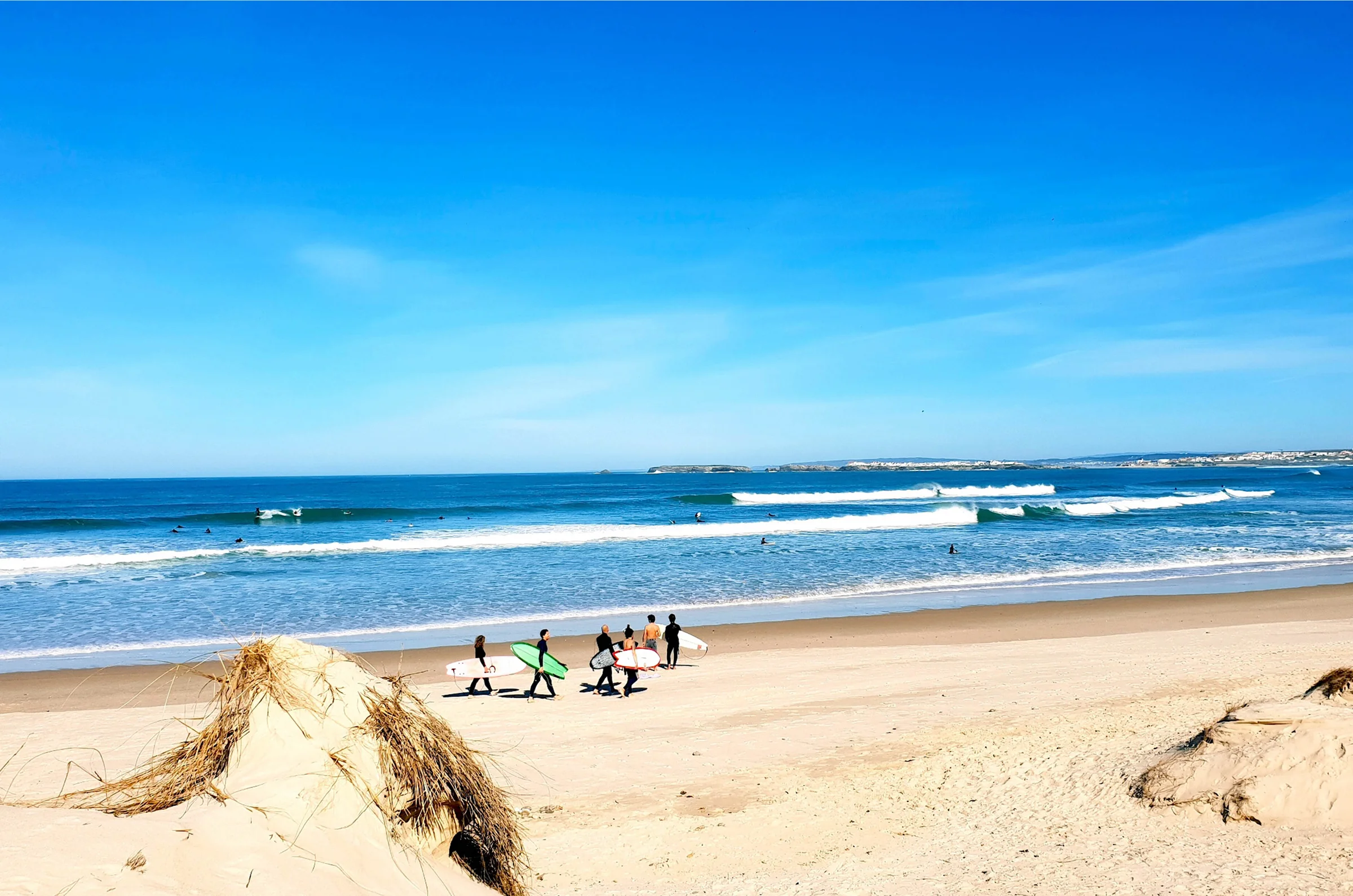
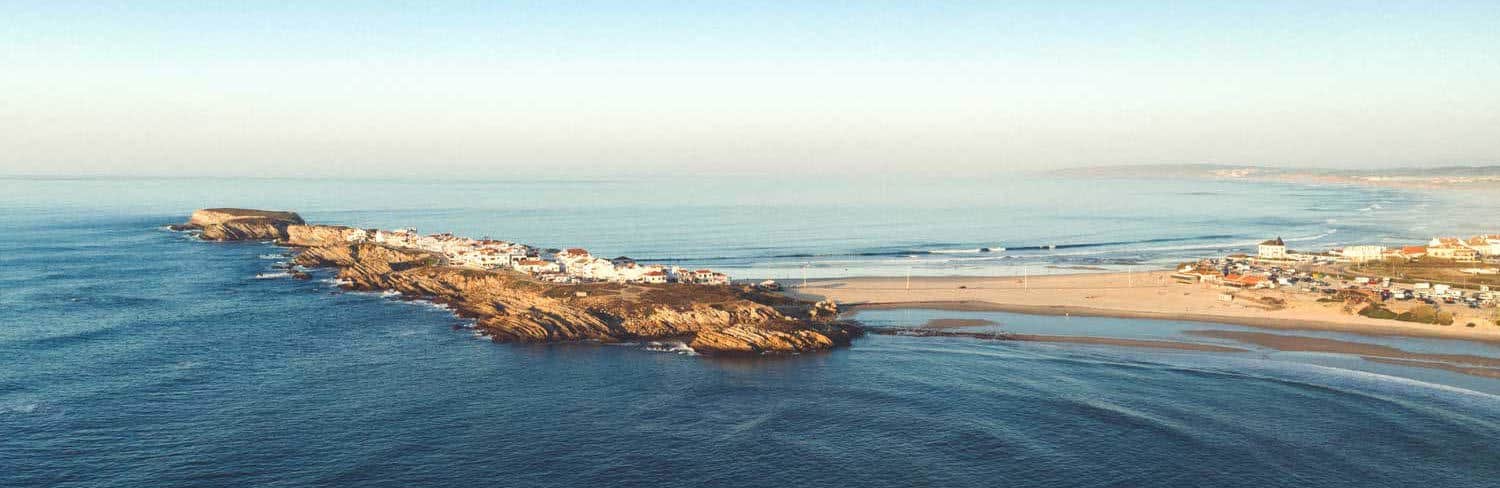
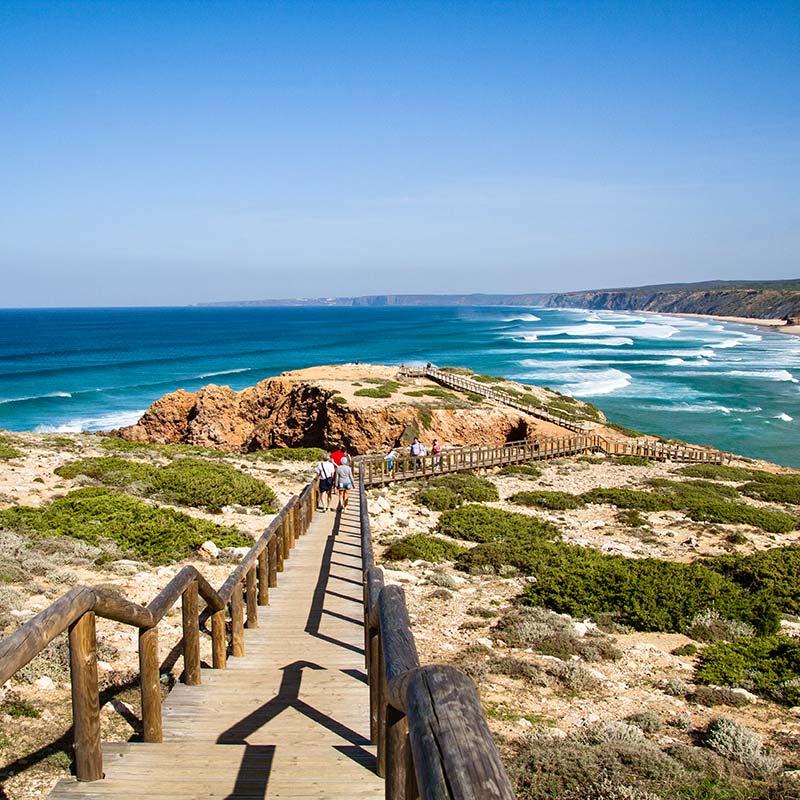
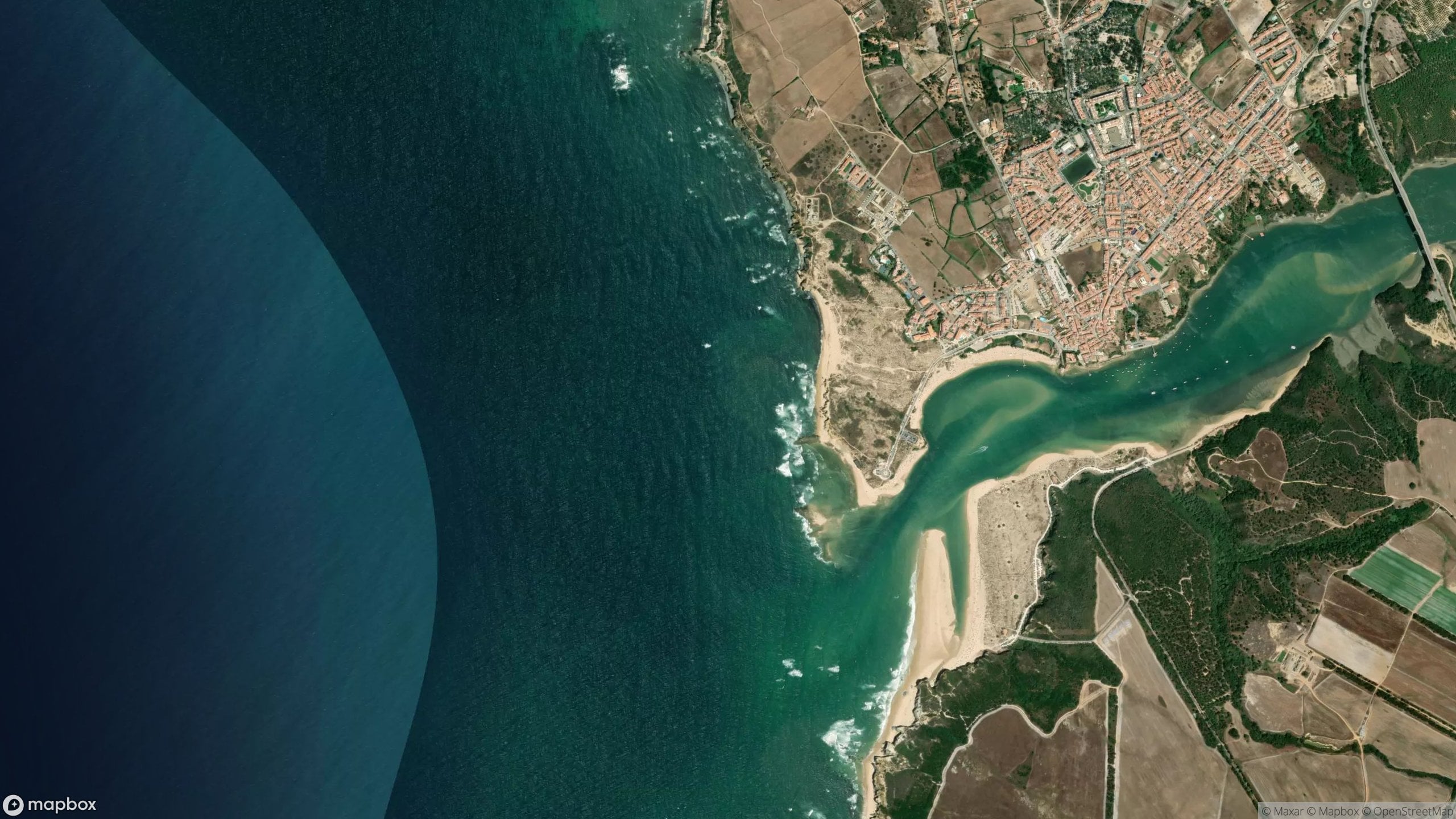
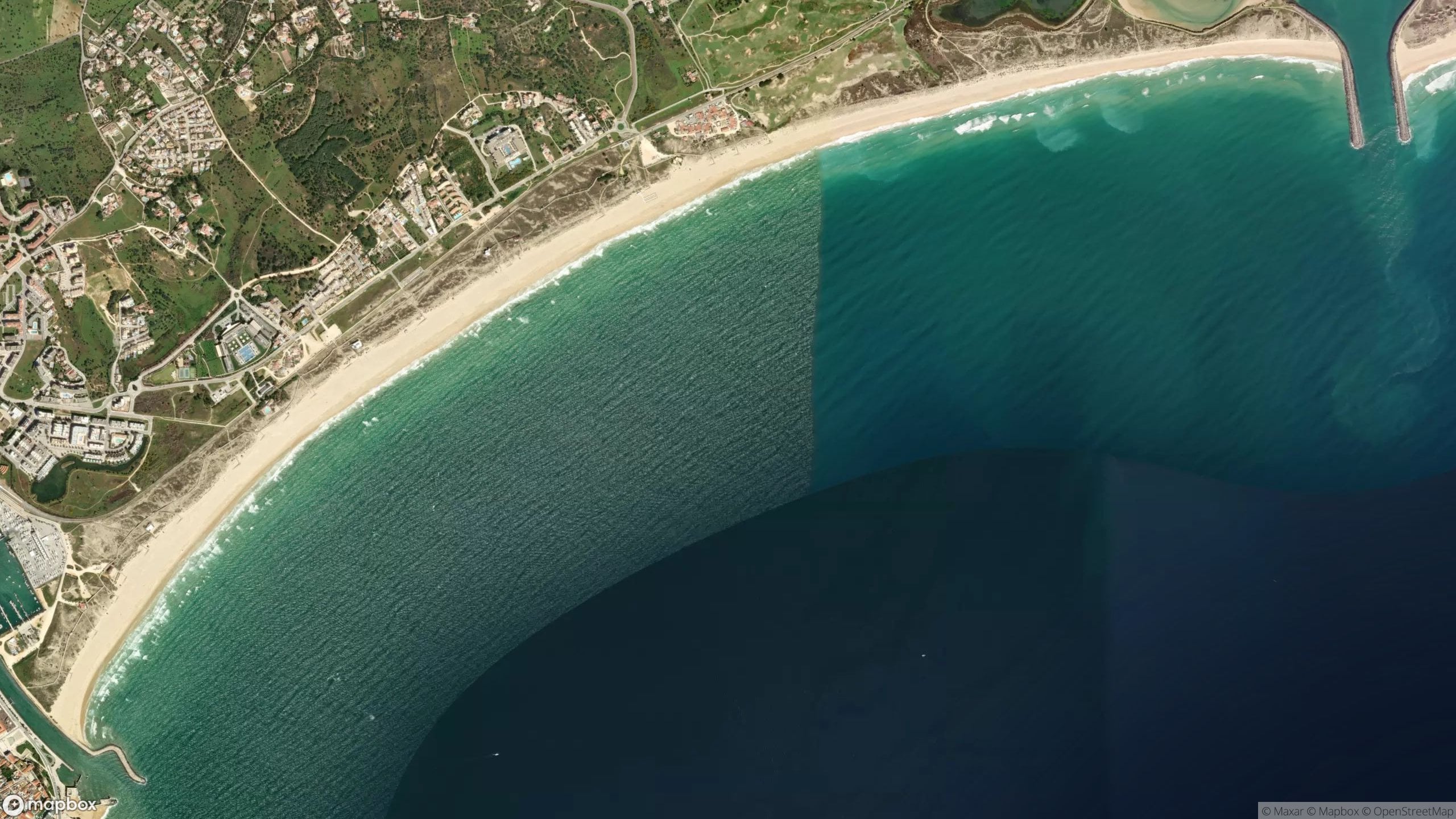
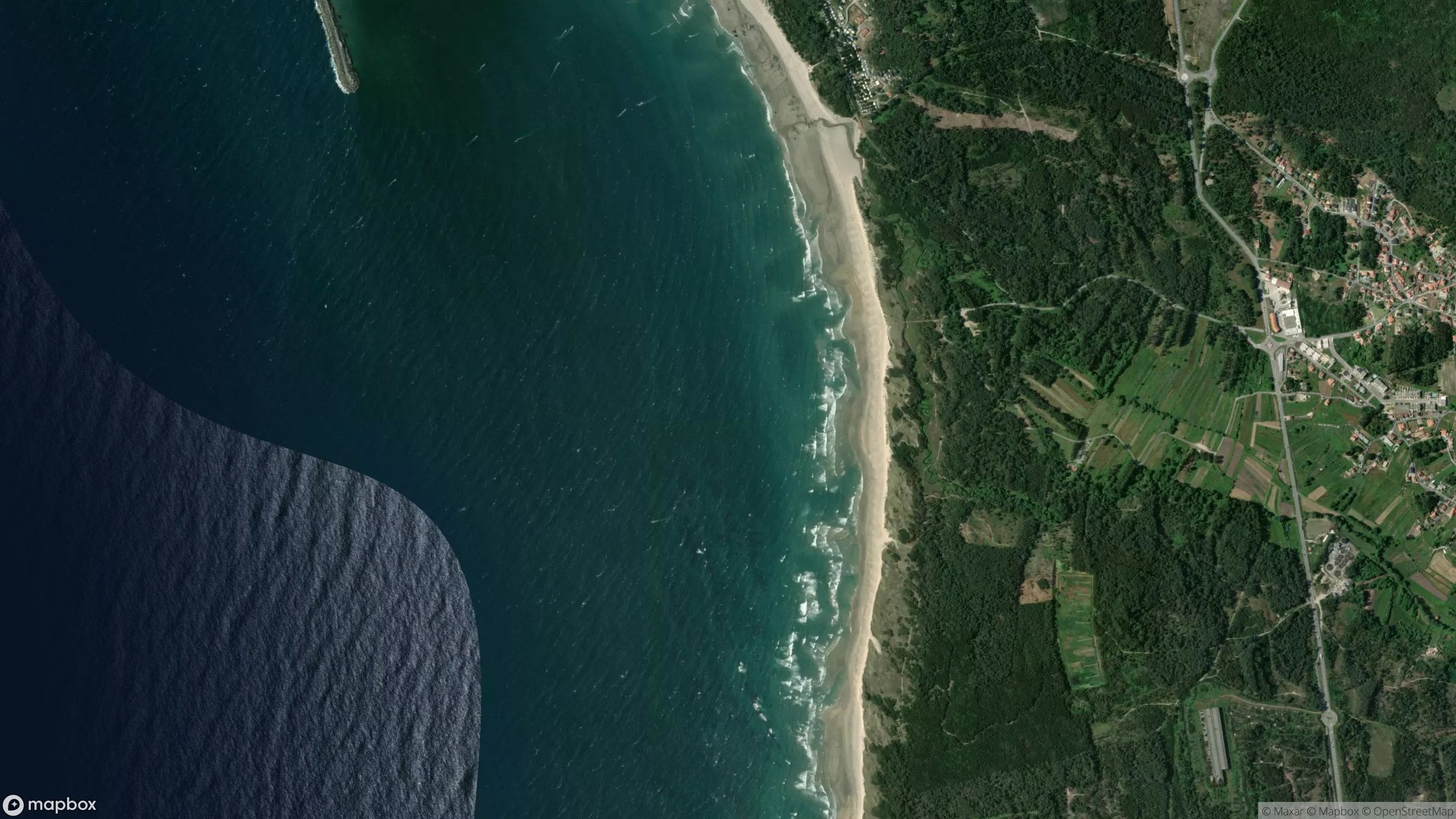
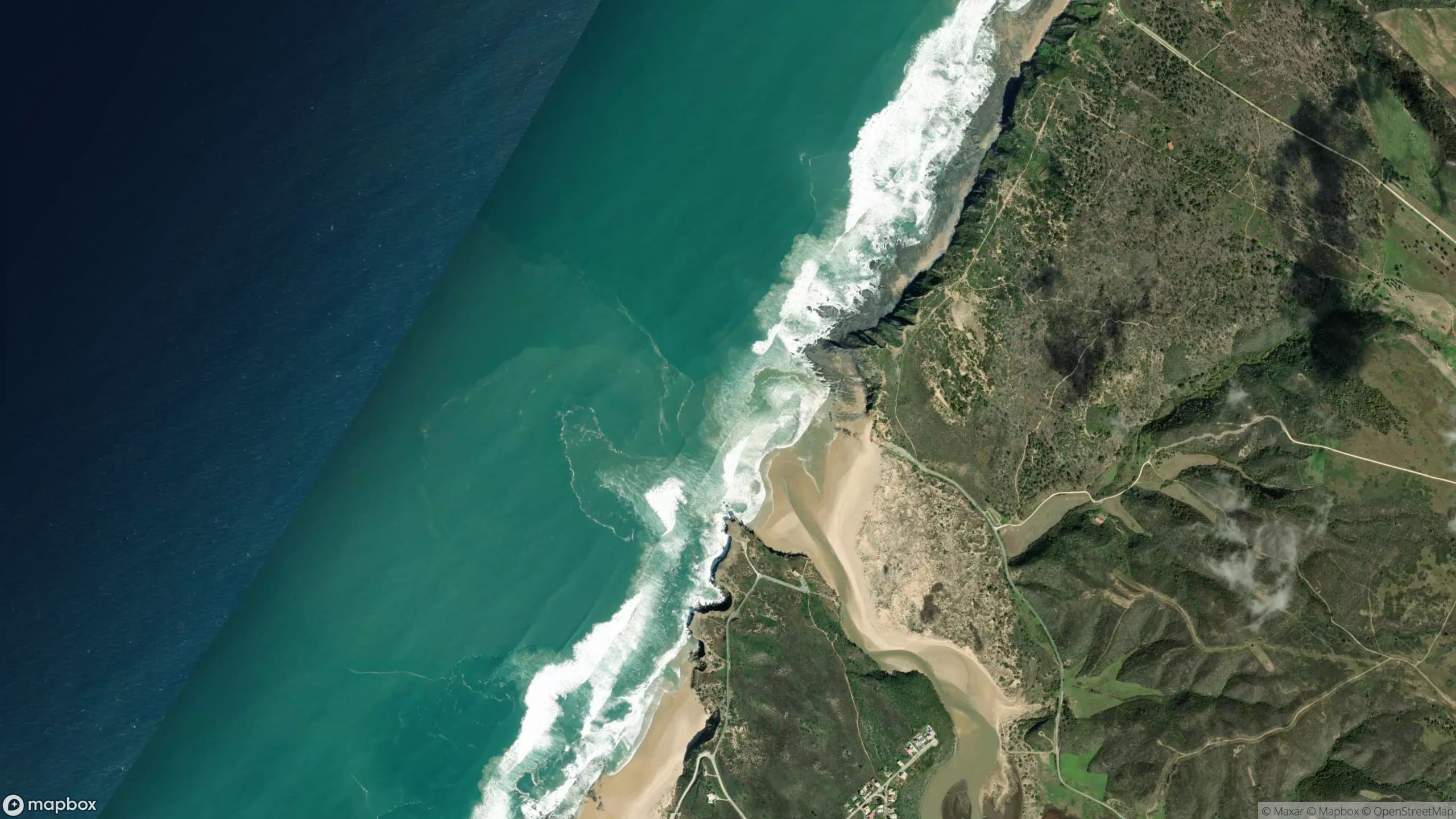
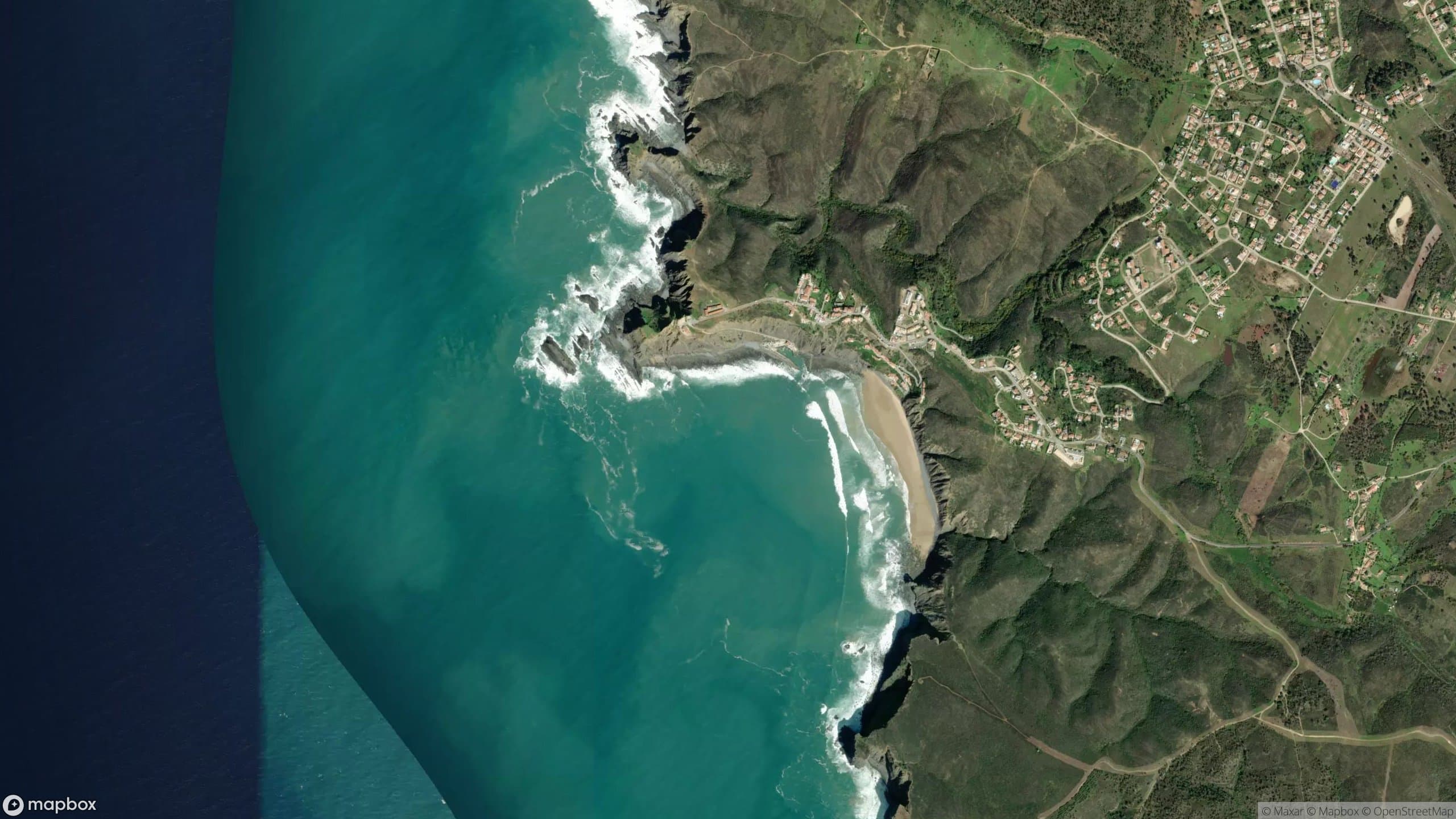
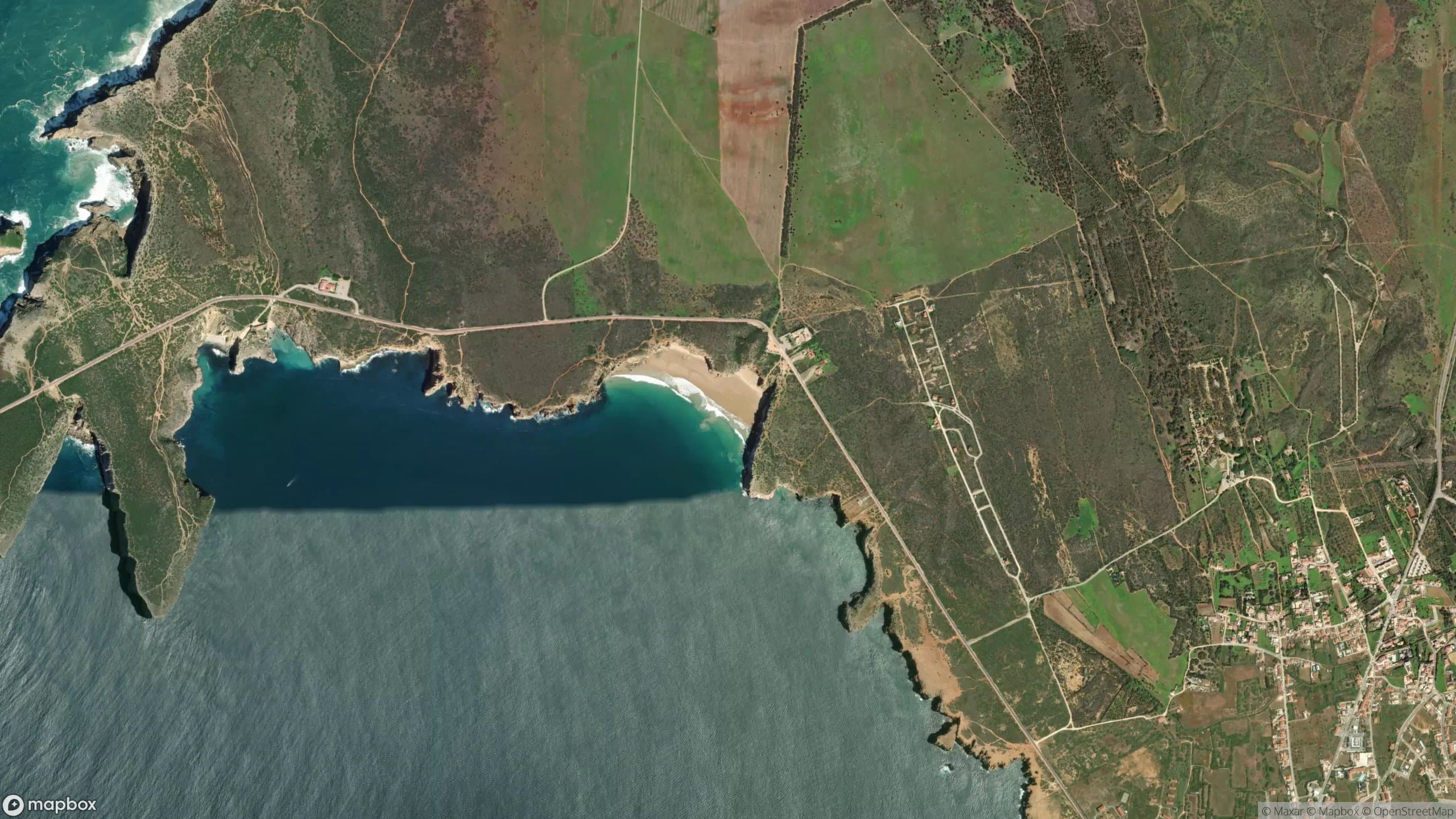
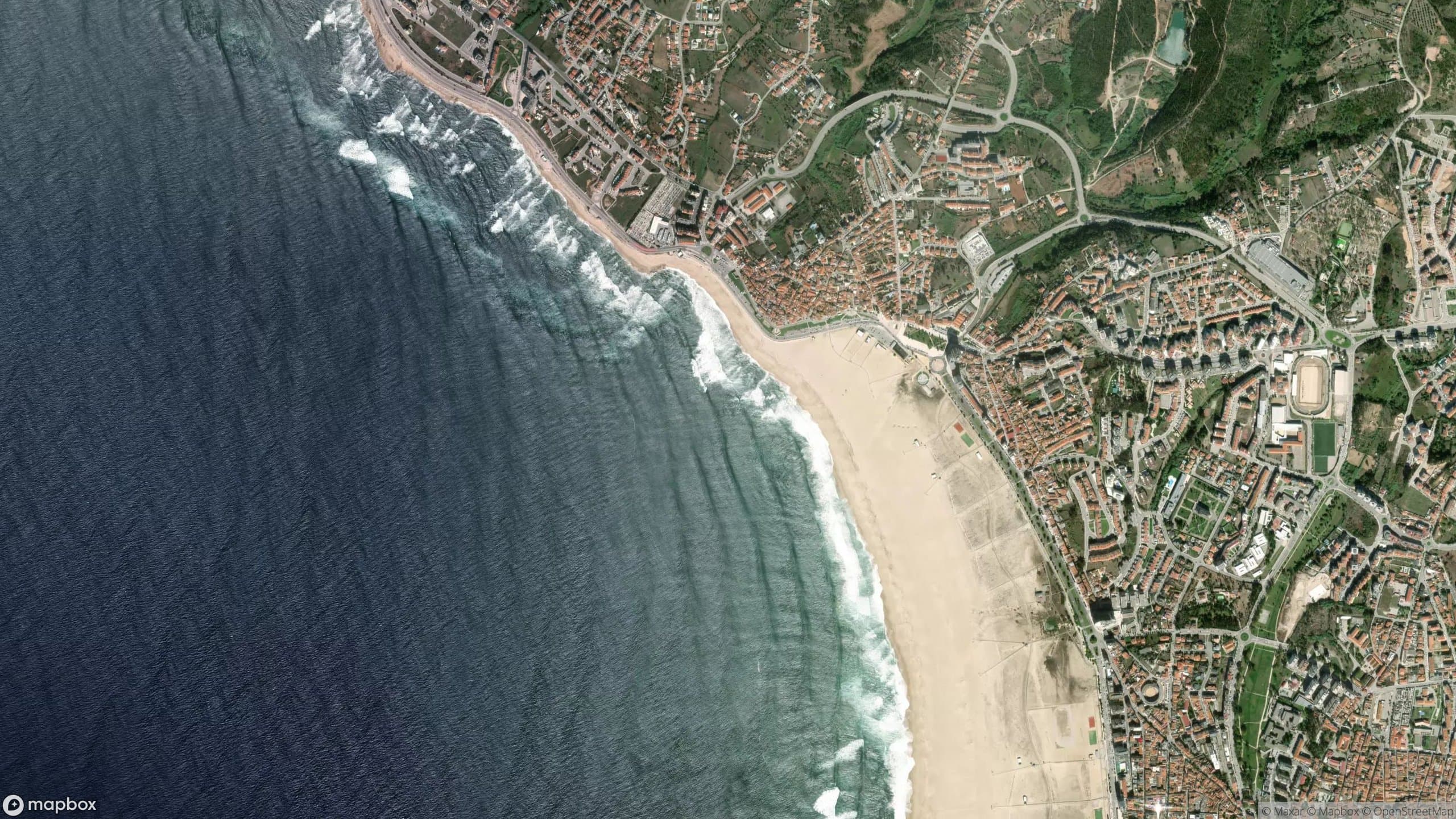
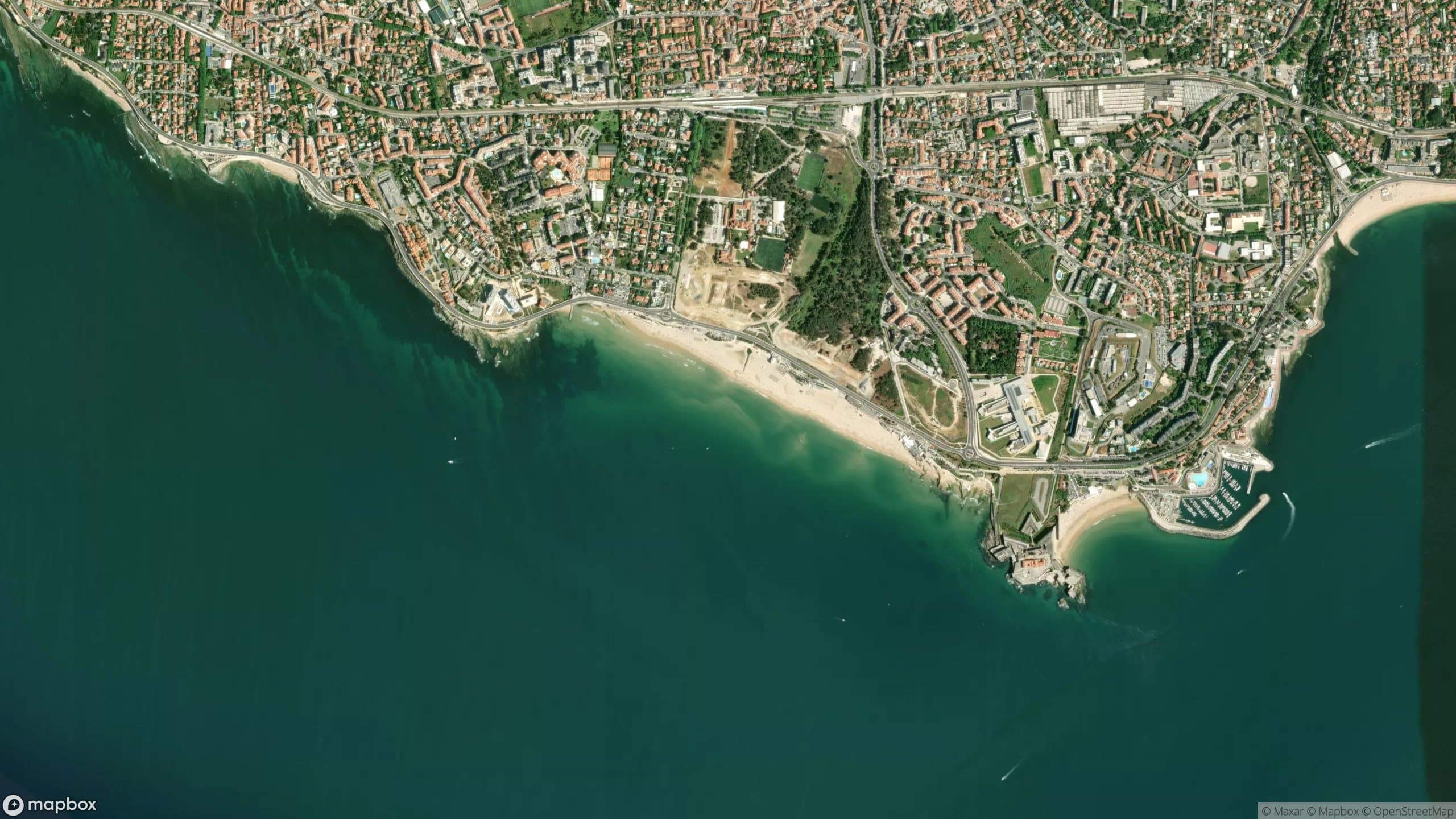
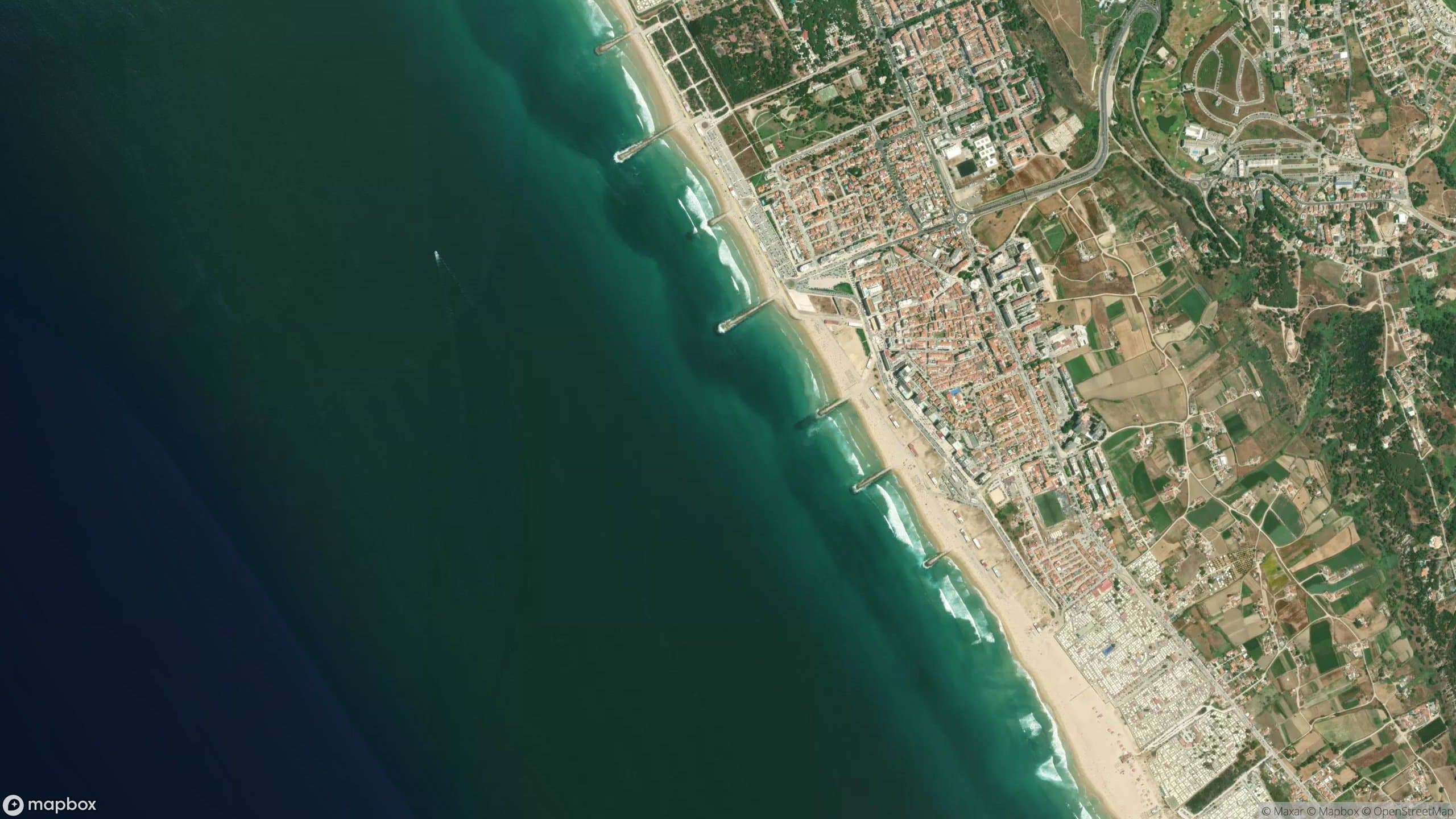
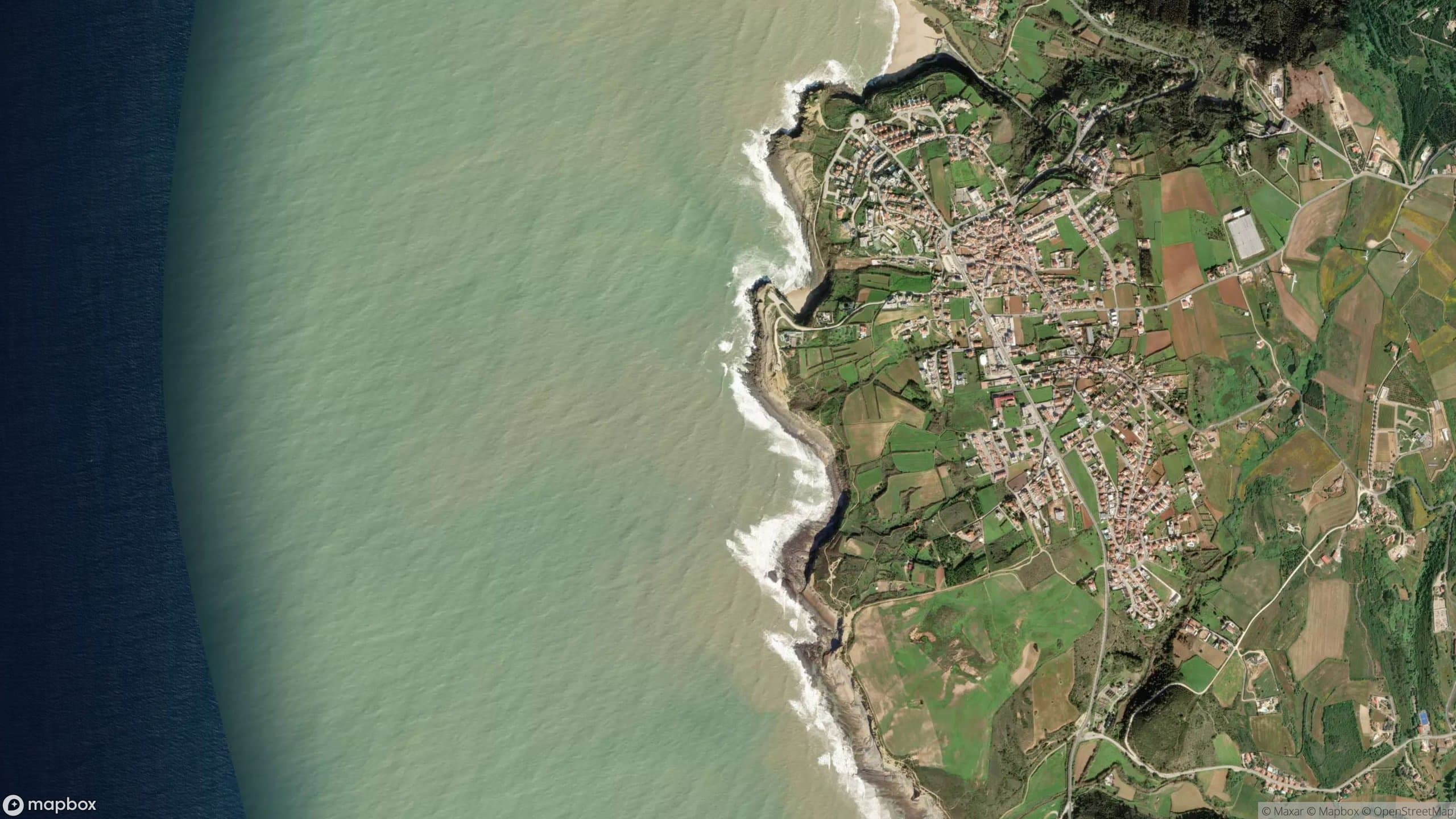
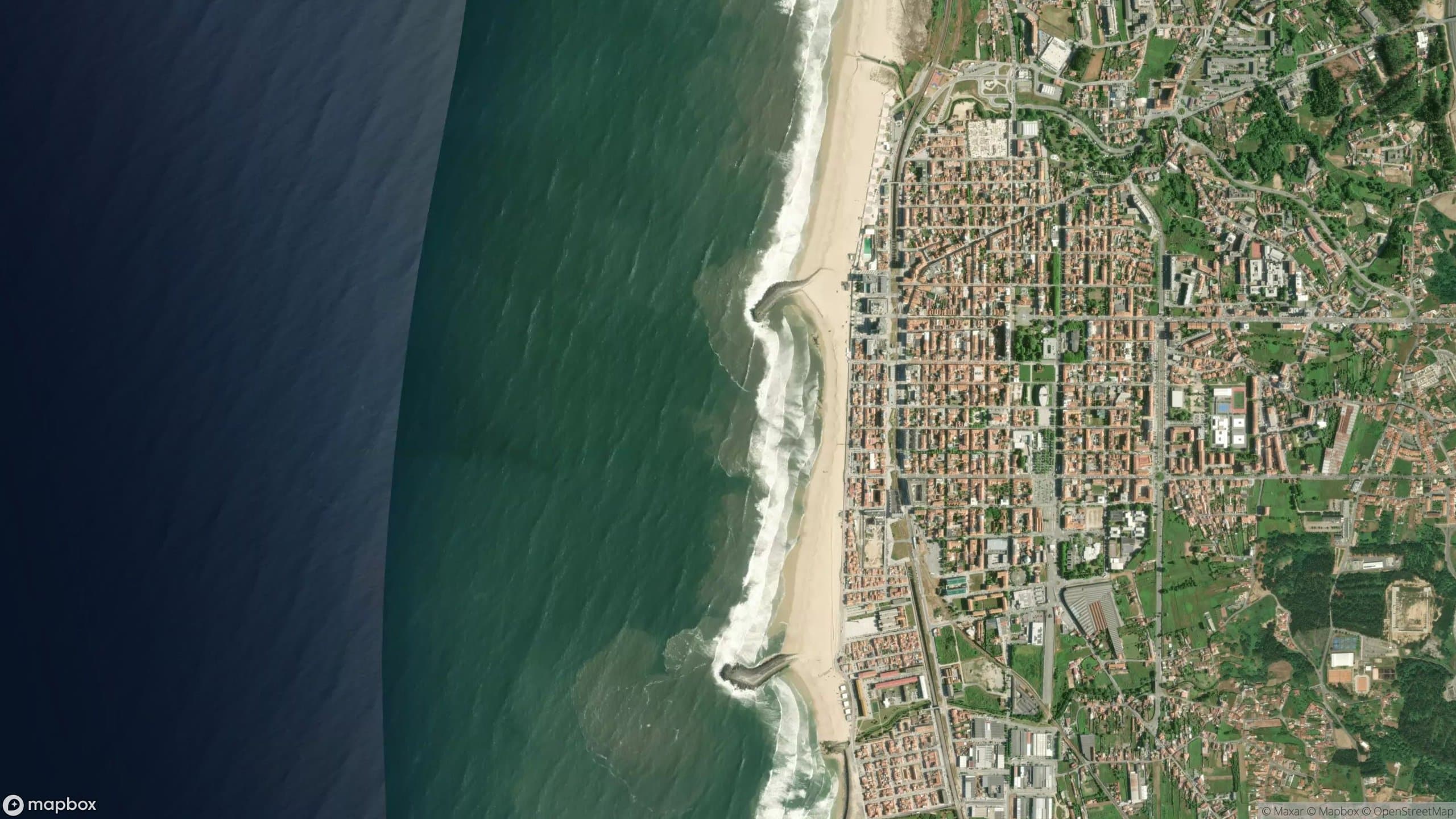
Ericeira is the most complete base for experienced surfers. Europe's only World Surf Reserve covers six world-class breaks within 4km of cliff-backed Atlantic coast: Ribeira d'Ilhas (the main longboard-to-shortboard point), Reef (a powerful wedge), Cave (hollow and fast over rocks), Coxos (expert-only slabbing reef), Crazy Left, and Pedra Branca. Every break fires on different swell directions and tides, giving Ericeira more daily surf options than almost any comparable surf town in Europe. It is 40 minutes from Lisbon Airport and has a functioning local surf culture with board shapers, cafes, and hostels that operate year-round. Peniche is 90 minutes north of Lisbon. Supertubos is the WSL-event beach break that barrels hard on a 4-6ft NW swell and closes out when it gets too big. Baleal, across the Peniche peninsula, is a beginner-friendly beach with multiple surf schools. Lagide and Cantinho da Baia offer reef options when the main beach is crowded. Nazare is specifically a big-wave venue. The Praia do Norte break, accessed via the 16th-century fort overlooking the canyon, is not surfed by anything other than the tow-in big-wave crew when it fires. It is worth a day trip to watch when a major swell is running. Sagres at Portugal's southwest corner catches both north Atlantic swell on west-facing beaches like Tonel and Beliche, and south Atlantic swell on south-facing beaches like Mareta, giving more options than any other zone when the rest of the coast is maxed out or blown out. It attracts a long-stay surf travel crowd and has a quiet, focused character.
Logistics
Lisbon Airport (LIS) is the main gateway for surftrips targeting Ericeira, Peniche, and Nazare. Porto Airport (OPO) is closer to Nazare by road (1.5 hours) and serves the north coast. Ericeira is served by buses from Lisbon's Campo Grande station (45 minutes). Peniche has direct buses from Sete Rios terminal (90 minutes). A rental car opens the entire west coast and is worth it for any trip covering more than one zone. The A8 and IC1 highways along the west coast are fast and well maintained. Board bags fit in most standard rental vehicles; larger wagons and 7-seaters are available for groups with multiple board bags.
Money and connectivity
Portugal uses the euro (EUR, €). Card payments are near-universal including contactless at local cafes and supermarkets. ATMs are available in all towns. Internet and 4G coverage are excellent across the west coast. MEO, NOS, and Vodafone Portugal are the main carriers. EU roaming is free for EU SIM holders. Non-EU visitors: eSIM options from Airalo or Ubigi work reliably, or pick up a local SIM at the airport for €10-15 including data.
Visa and entry
EU and EEA citizens travel freely with no restrictions. US, UK, Australian, NZ, and Canadian citizens can enter Portugal for up to 90 days within any 180-day period under the Schengen Agreement without a visa or pre-approval. From late 2026, the ETIAS travel authorization system will require non-EU Schengen-exempt travelers (including US, UK, and AU citizens) to pre-register online before entering the Schengen Area. The fee is expected to be approximately €7. ETIAS is a simple online form valid for 3 years and multiple trips. It does not change visa-free rights, only adds a pre-travel registration step. Check the official ETIAS portal for the current launch date as the system was not fully operational as of mid-2026.
Health and safety
Portugal is one of the safest countries in Europe. Petty theft in busy tourist areas of Lisbon and Porto is the main risk for travelers. The Atlantic cold-water swell environment requires awareness of rip currents, shore dump, and rock reef entries. Supertubos closes out and becomes dangerous above 8ft on the shorebreak: respect the red flag system on Peniche's main beach. Ericeira's Coxos is an expert-only rocky reef entry, not for casual visitors. Water quality is clean across the coast. Medical care is high quality in Lisbon and Porto, adequate in smaller coastal towns. EU citizens: EHIC or GHIC card covers EU state healthcare. Travel insurance for non-EU visitors.
Food and culture
Portuguese food is honest, inexpensive at the lower market end, and excellent. Bacalhau (salt cod) in dozens of preparations, grilled fresh sardines (seasonal, best in summer), bifanas (braised pork sandwiches), and pastel de nata (custard tarts) are the standards. Seafood is genuinely fresh and cheap at tascas (traditional taverns) in coastal villages: a plate of grilled fish with salad and wine costs €10-14 at a local spot. Espresso coffee costs €1-2 at almost any cafe in the country. Ericeira and Peniche both have functioning local surf cultures with board shapers, board hire, and surf schools operating year-round alongside restaurants and bars that cater to long-stay surfers. Sagres is more isolated and has a tighter community of locals, expats, and long-term surf travelers who stay for weeks or months at a time. Tipping is not customary in the same obligatory way as the US: rounding up or leaving €1-2 at a cafe table is the norm.