When to go
Costa Rica's surf calendar splits cleanly by coast, and getting it wrong costs you a week of flat ocean.
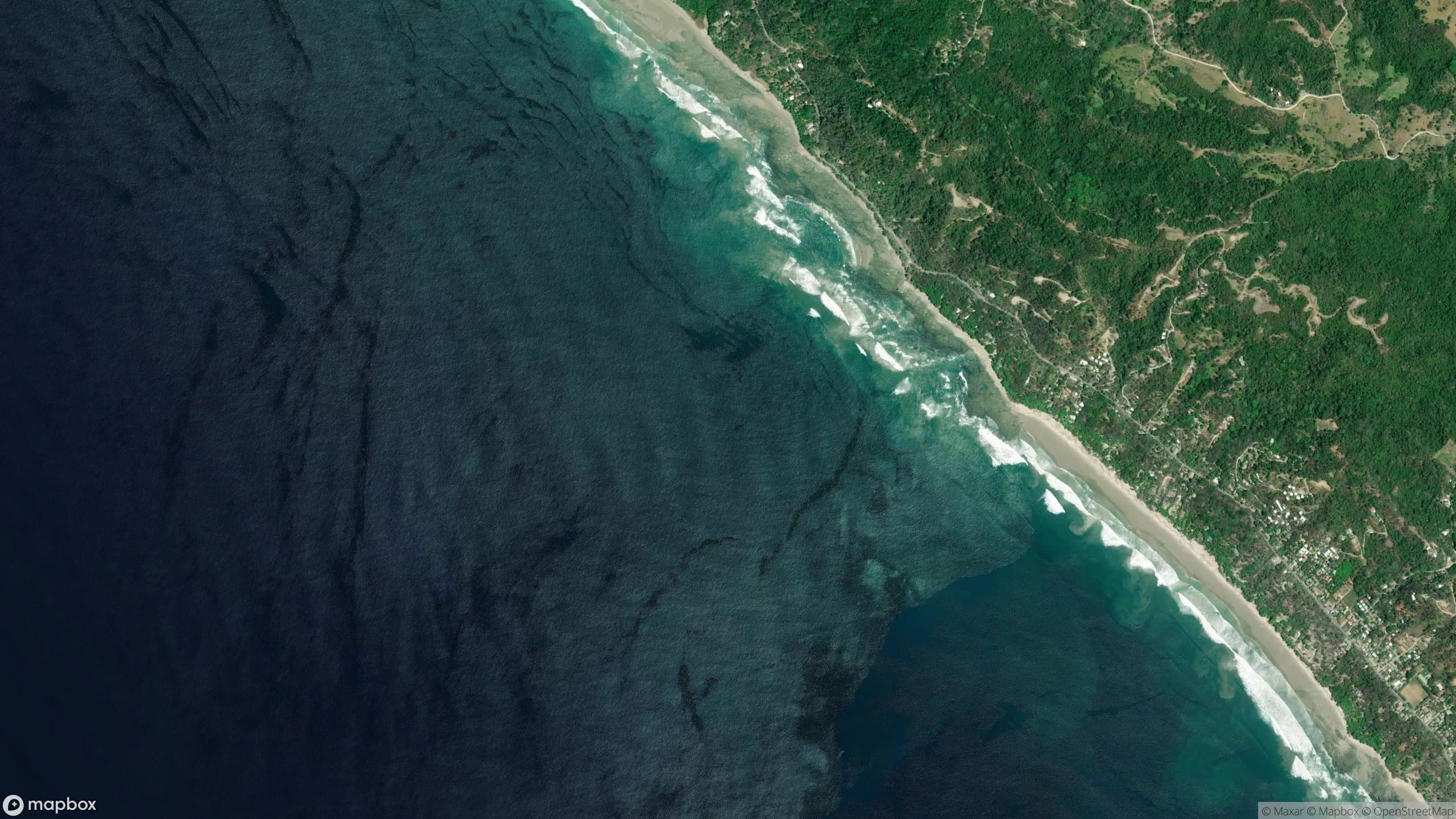
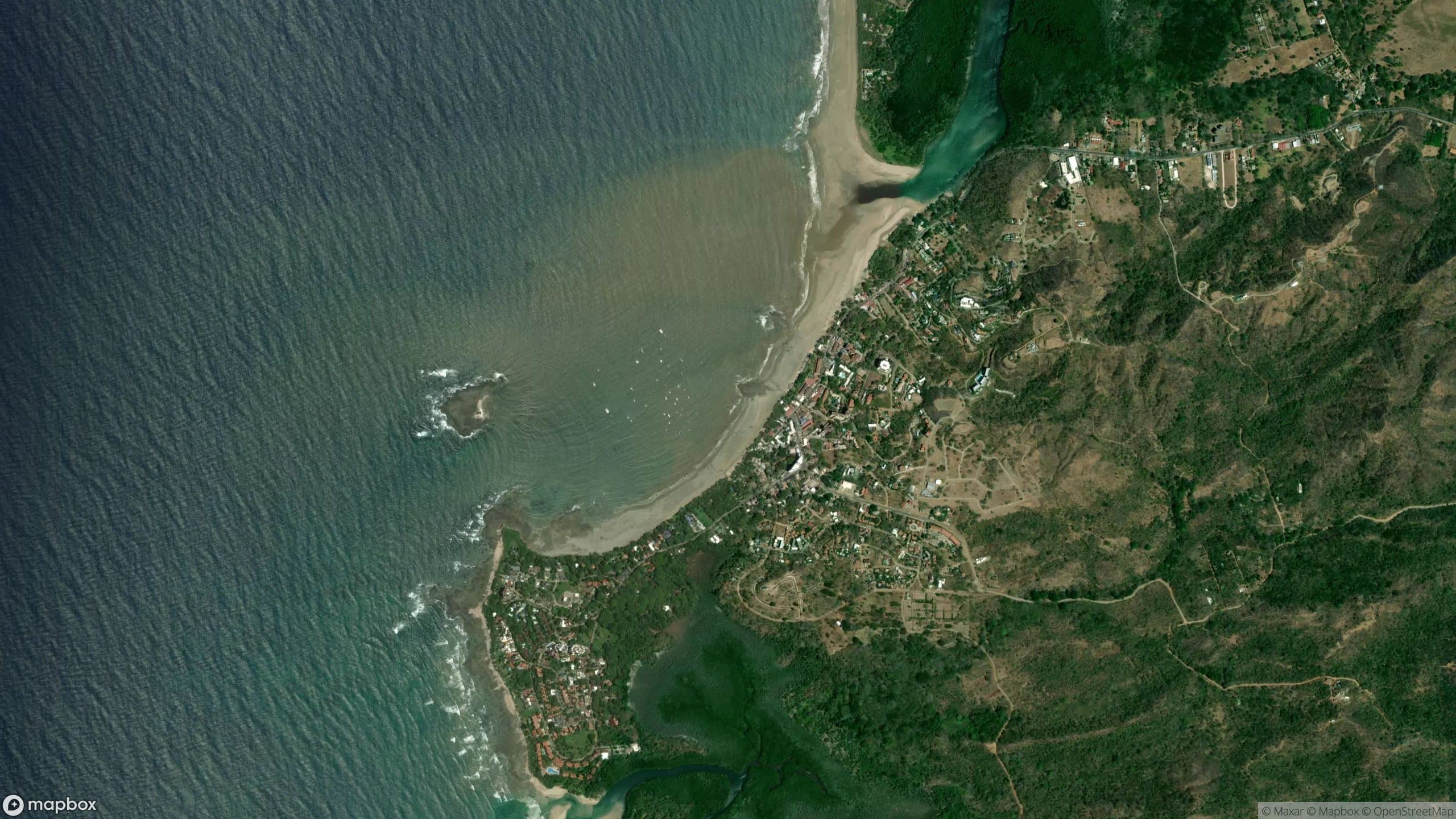
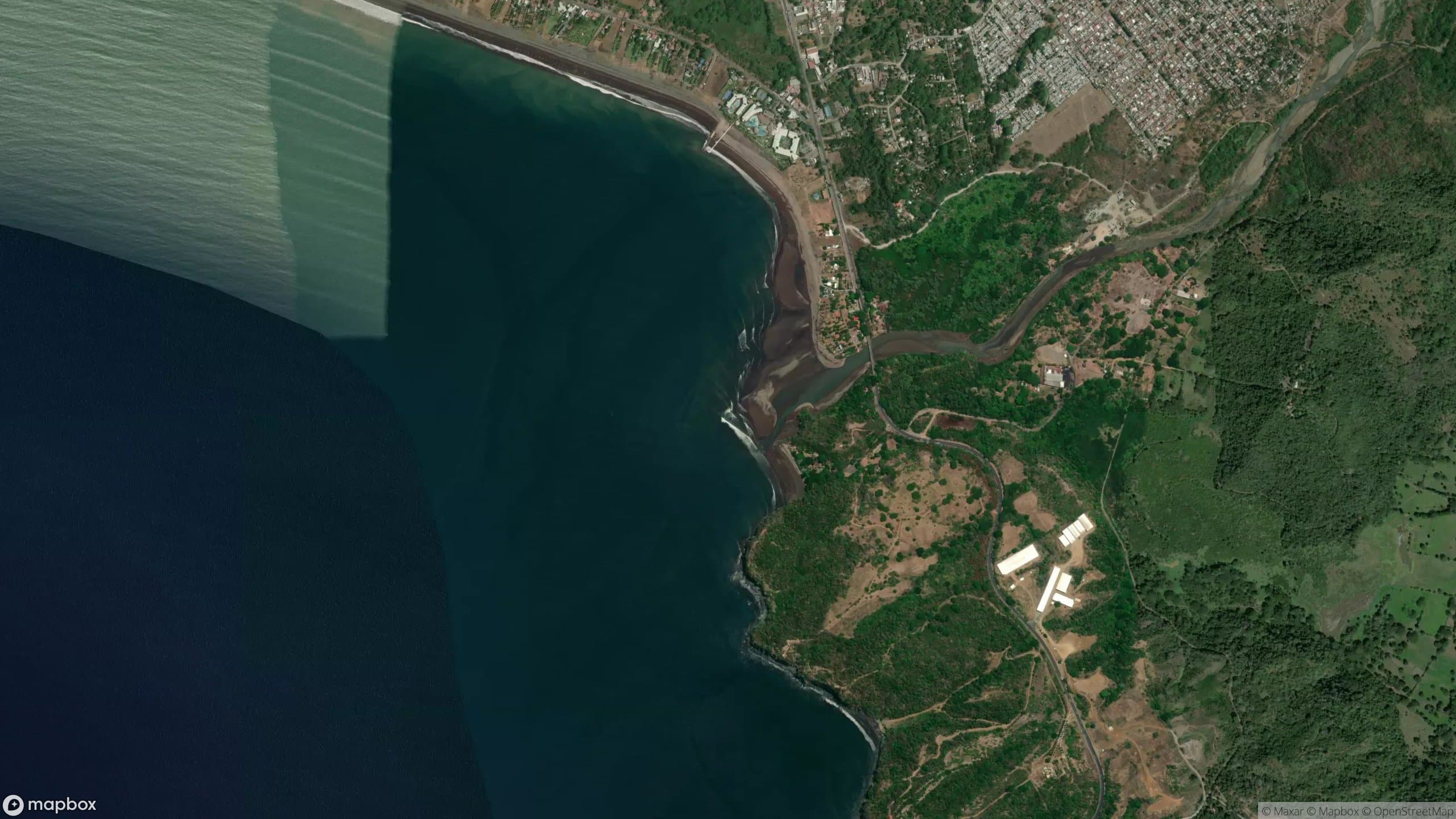
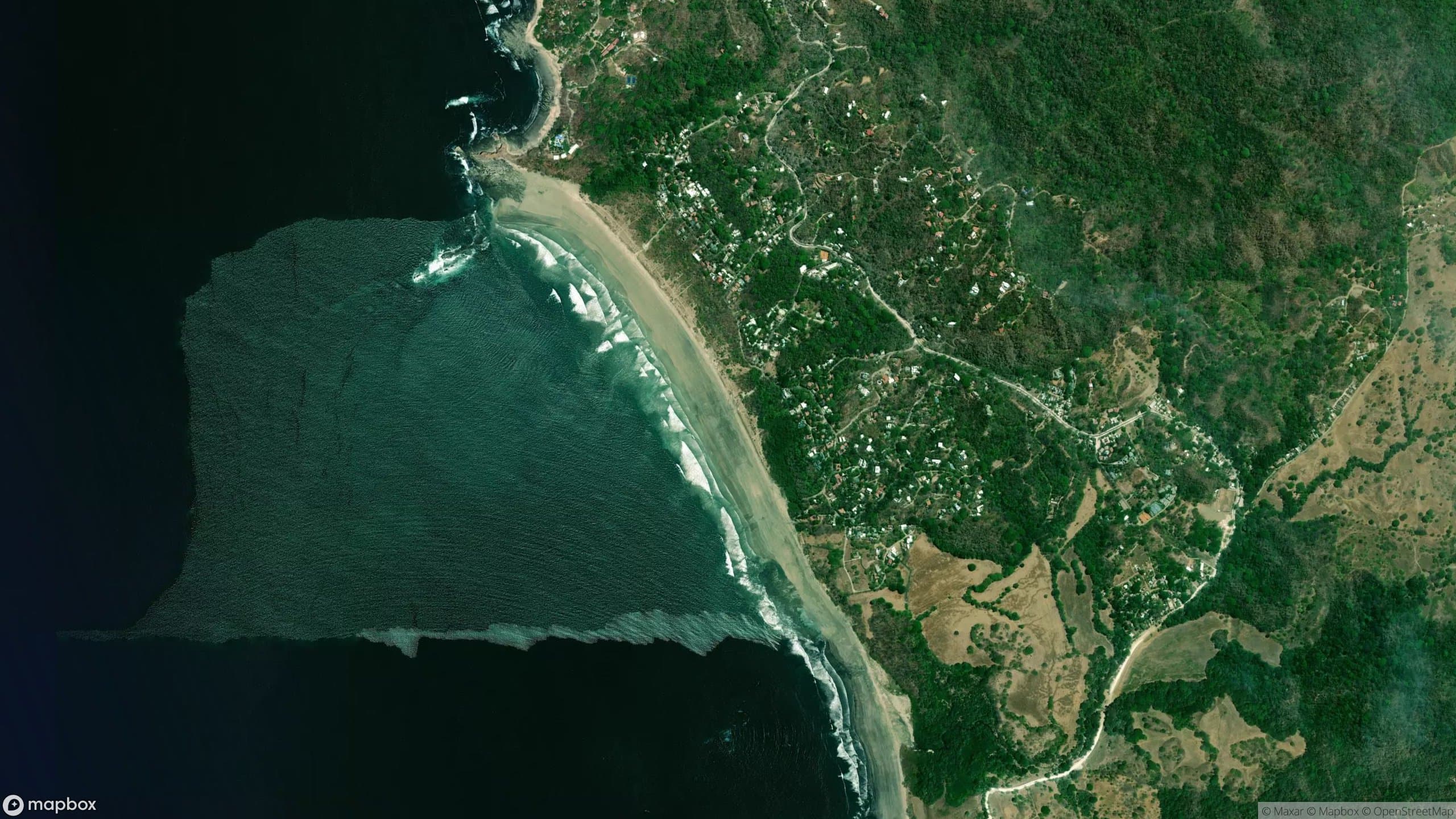
The Pacific northwest, covering Tamarindo, Nosara, and the Nicoya Peninsula, runs April through October. SW and S groundswells from the Southern Hemisphere stack up consistently during those months. September and October can deliver the biggest, cleanest swells of the year, with NE offshores grooming morning faces across most exposed breaks. March also sneaks in solid windows before the main season peaks.
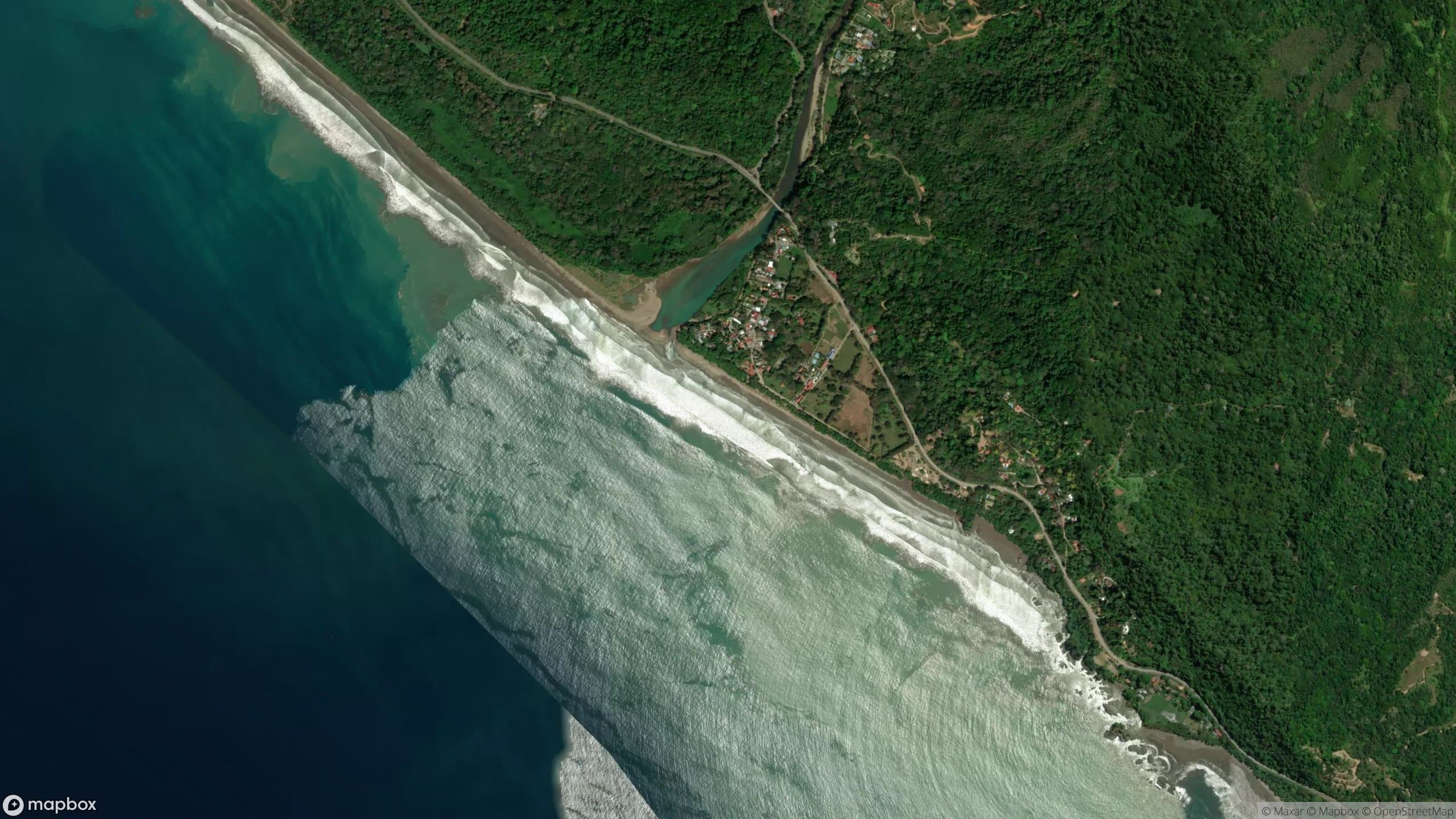
The south Pacific, anchored by Pavones and the Osa Peninsula, shares the same May through October swell window. Southern Hemisphere groundswell wraps around the peninsula and fills the Golfo Dulce, lighting up point breaks with rides stretching 500 metres on good days. I would not book a south coast trip between December and April. Swell dies almost entirely during dry season, and you will be waiting on a beautiful but waveless bay.
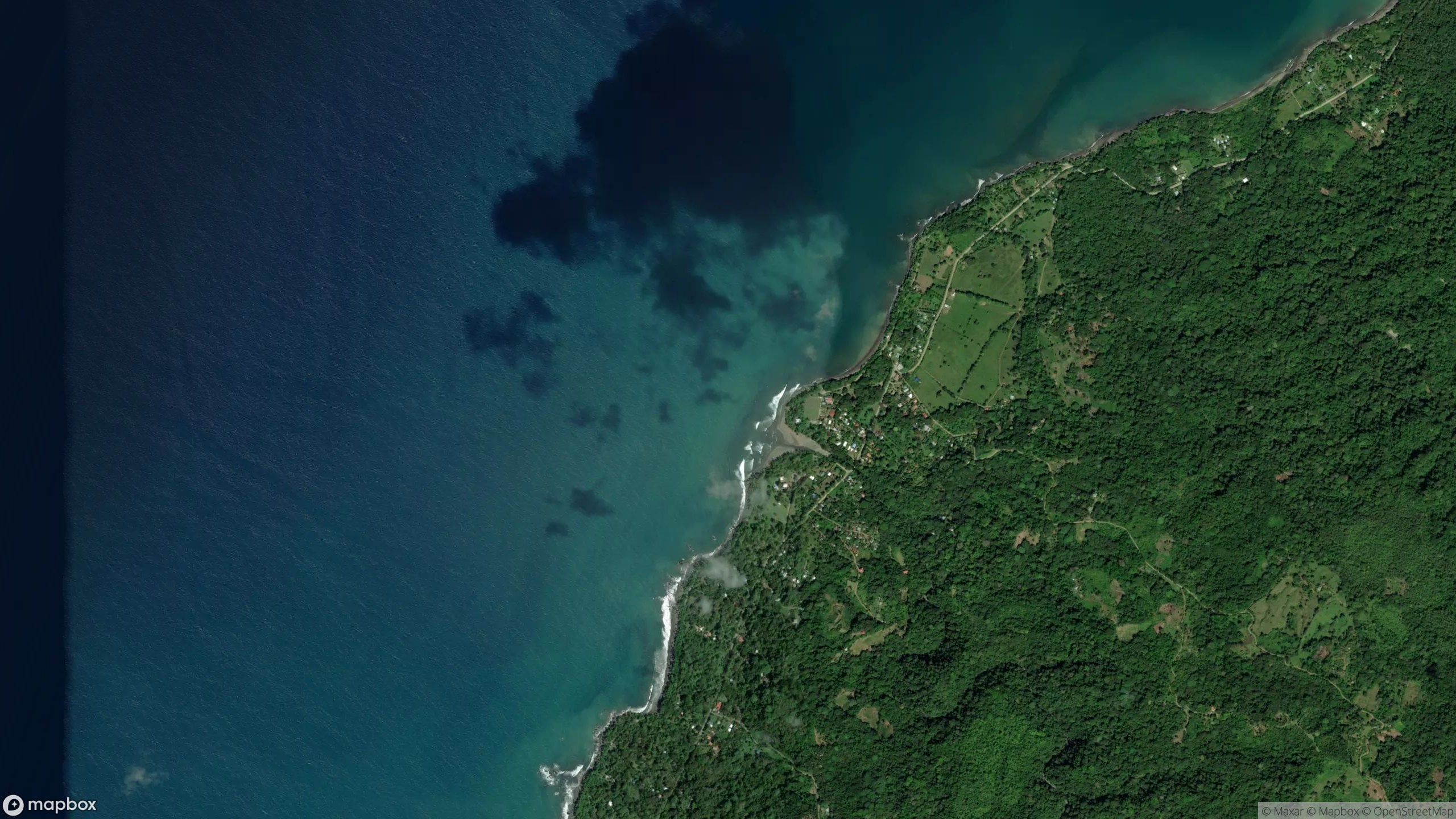
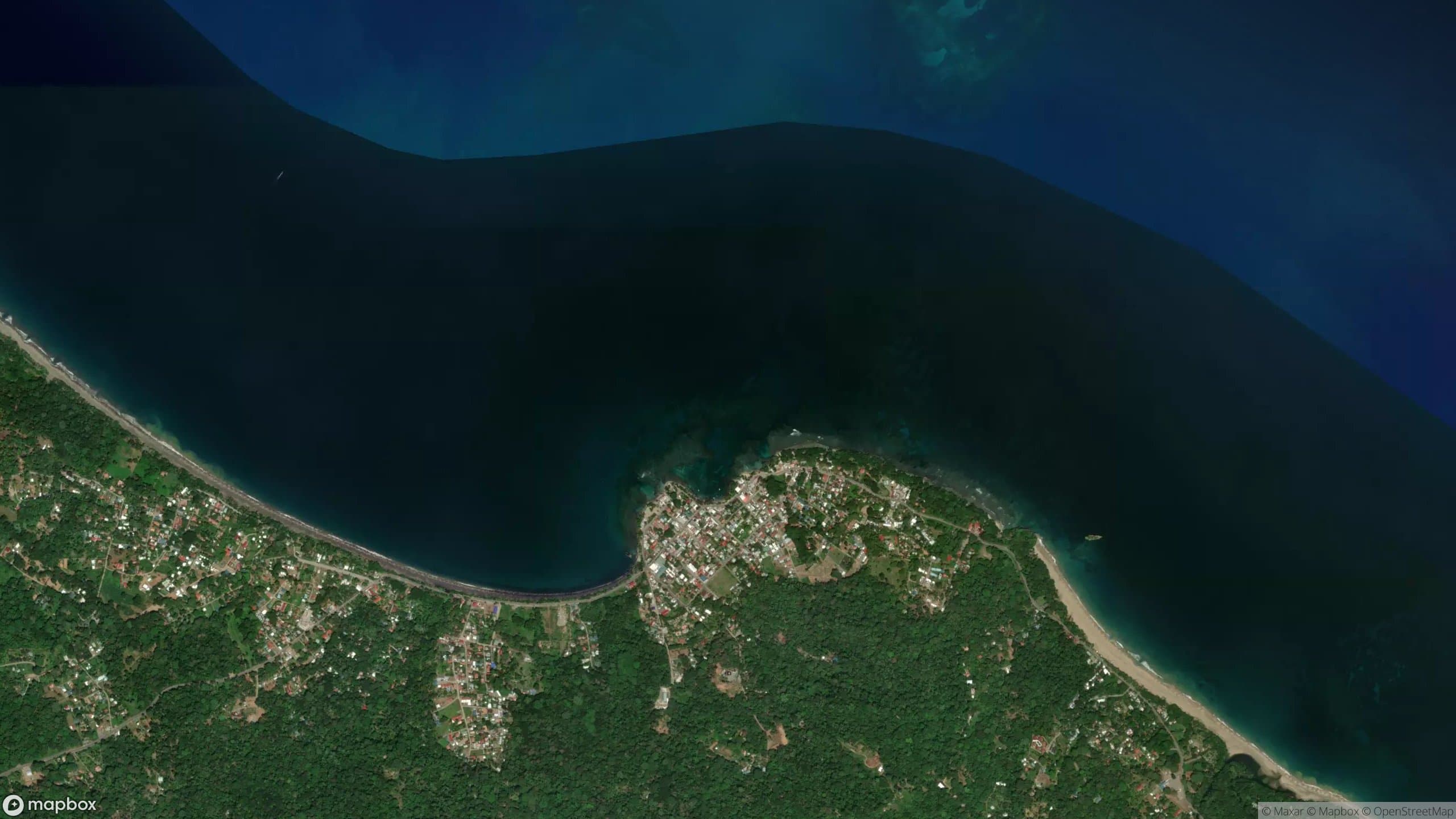
The Caribbean coast operates on a completely different system. November through March is prime time, when Atlantic winter storms push NE swell into Puerto Viejo and fire up Salsa Brava. This is Costa Rica's most intense wave, a thick-lipped reef barrel suited to experienced surfers. Summer on the Caribbean goes flat, though stray tropical systems can surprise you.
If I had to pick one month for a first trip covering the most options, I would choose September or October. Pacific swells are pumping, crowds thin slightly from peak summer, and green-season prices apply.
Where in the country to base
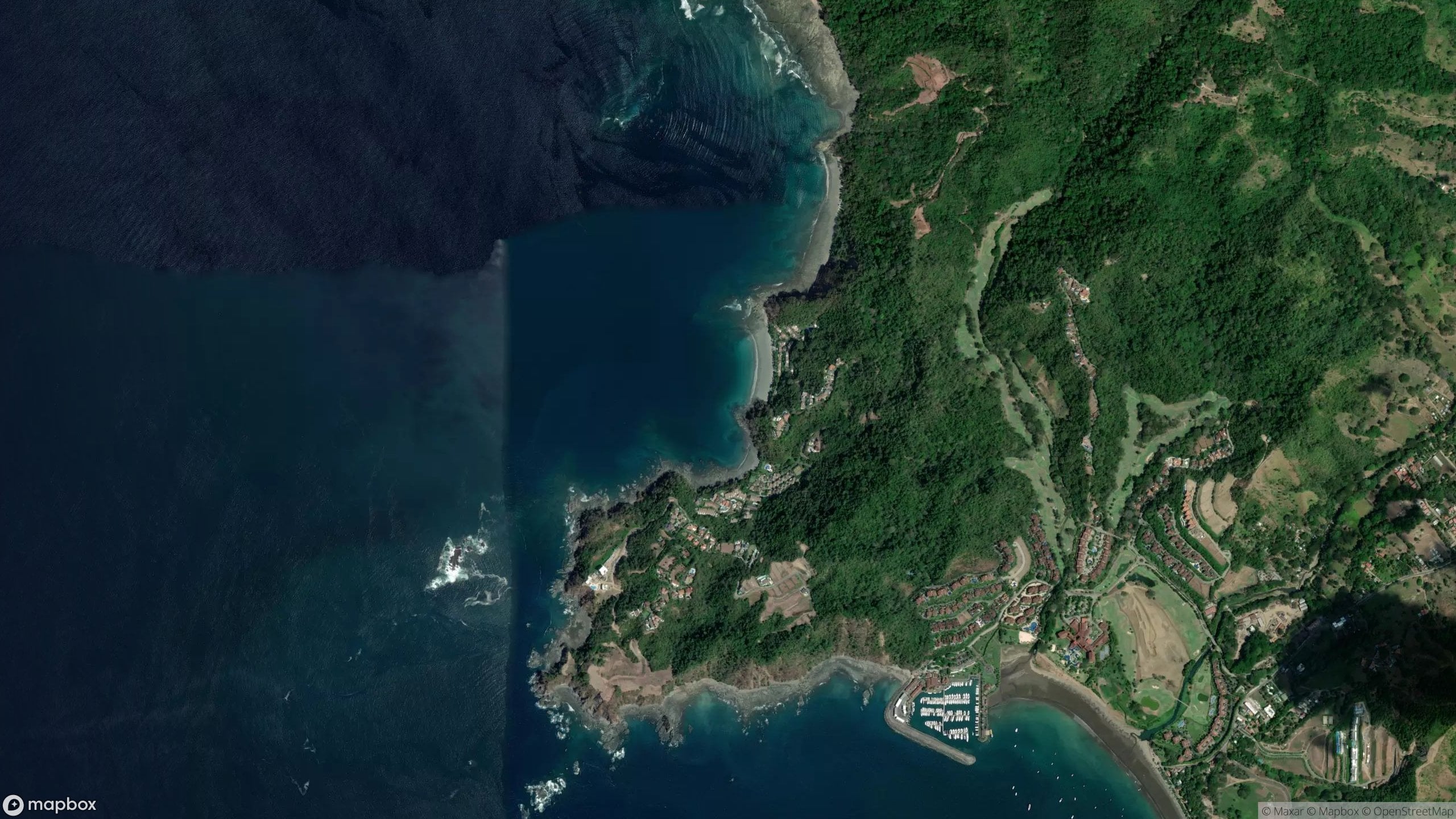
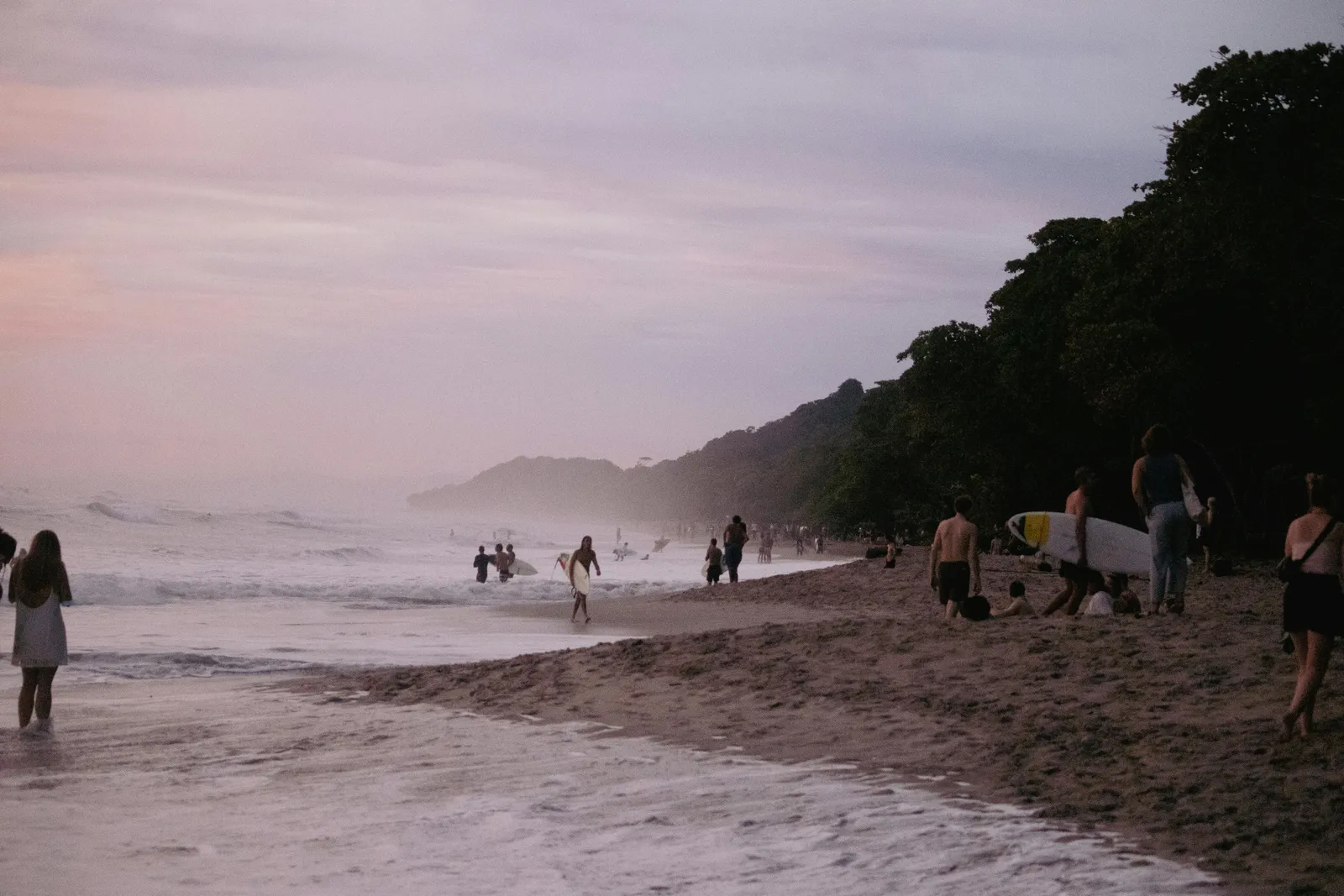
Nicoya Peninsula (Tamarindo / Nosara / Santa Teresa): This is the right starting point for first-timers and anyone wanting infrastructure without sacrificing wave quality. Tamarindo has the most services, car rentals, board shops, and direct flights from Liberia. Nosara and Guiones offer mellow, beginner-friendly sandbars that work across skill ranges. Santa Teresa leans more intermediate to advanced, with punchy beachbreak and a lively surf culture. I would base here for a week minimum on a first Costa Rica trip.
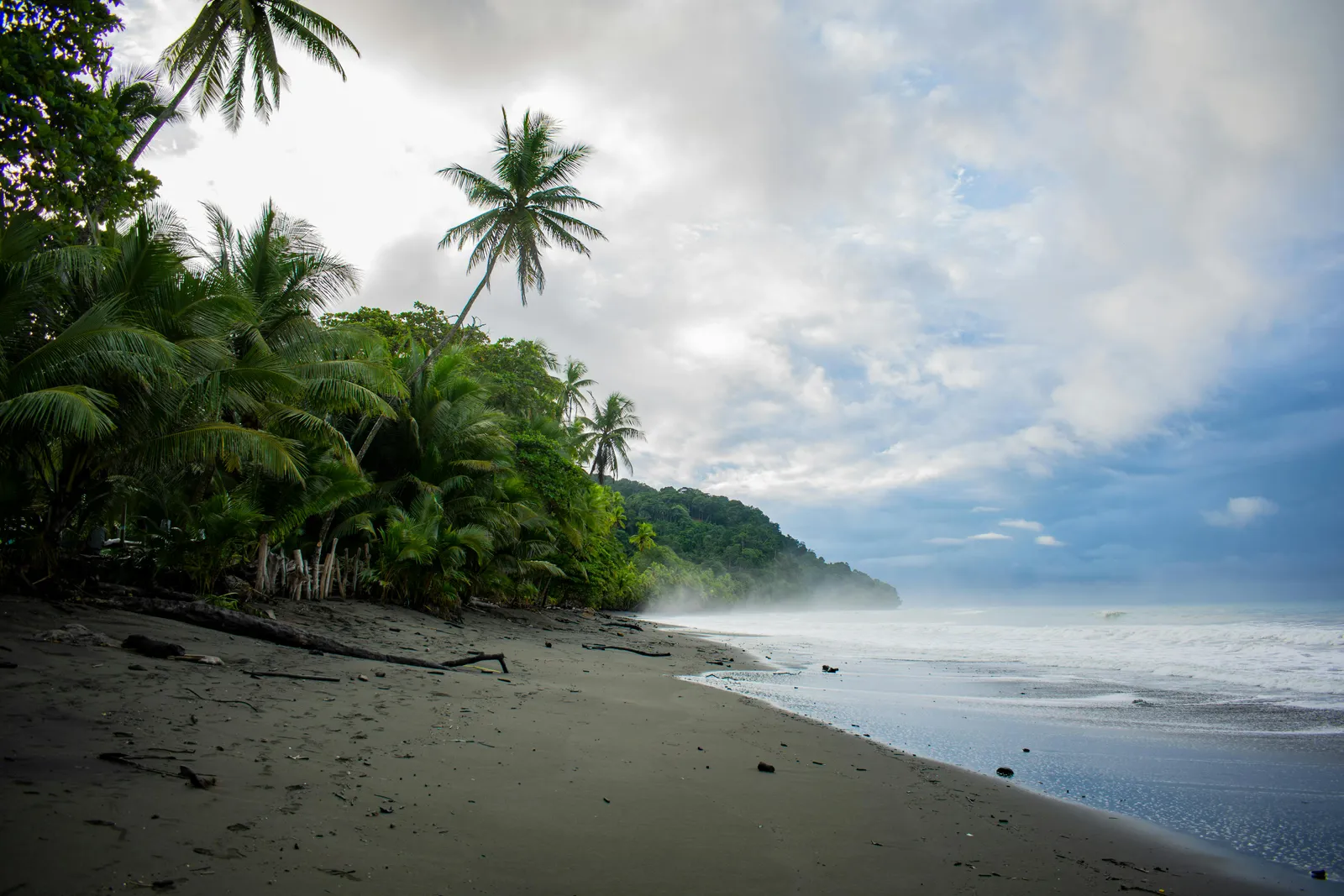
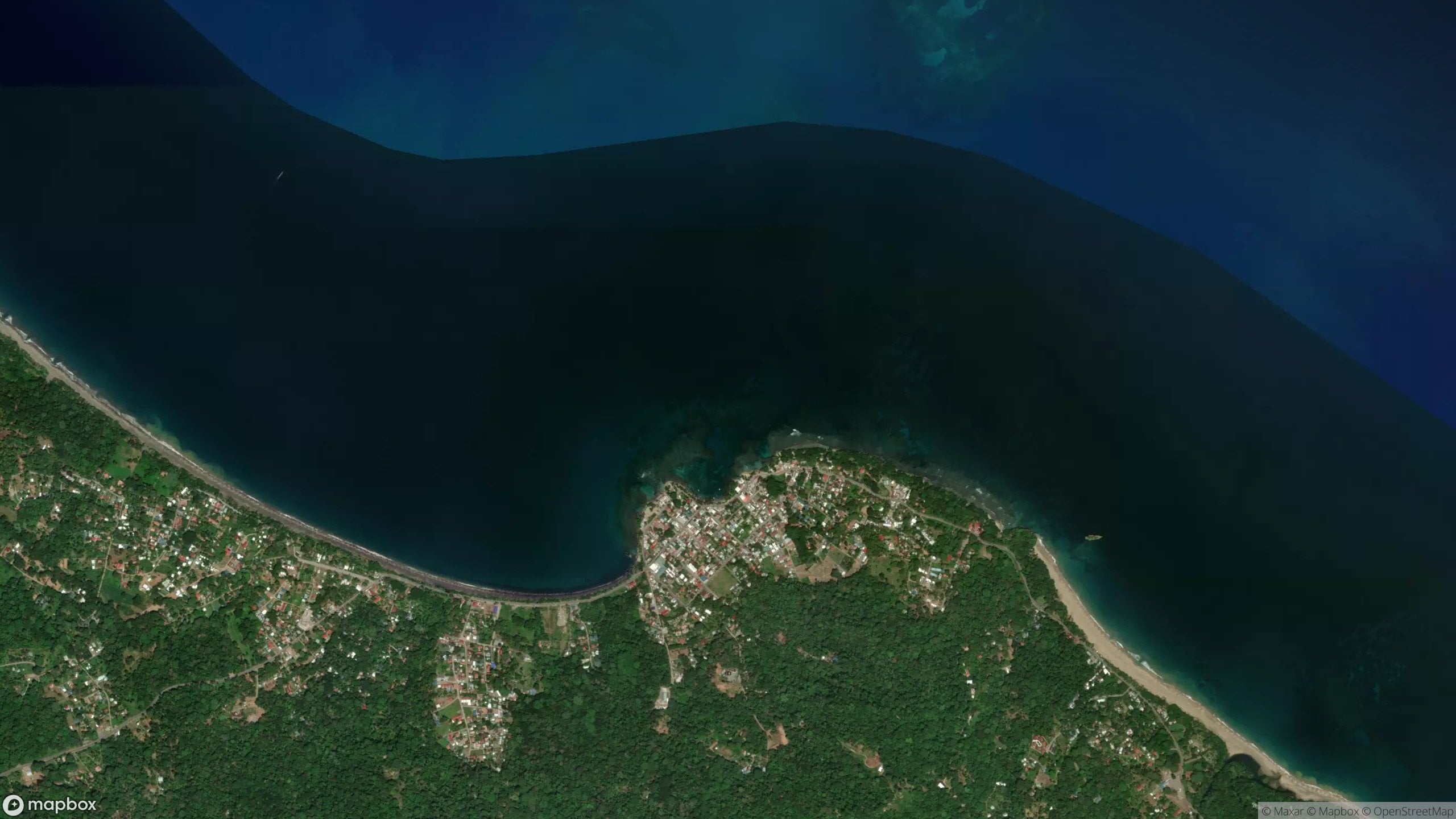
Caribbean Coast (Puerto Viejo): The Caribbean rewards surfers willing to flip their mental image of Costa Rica. It is greener, wetter, and culturally distinct from the Pacific side. Base in Puerto Viejo between November and March. Salsa Brava is not a beginner wave. Come with solid tube experience or plan to watch from the channel.
South Pacific (Pavones / Osa Peninsula): Pavones holds one of the longest left-hand point breaks on the planet. Getting there requires flying into San Jose, driving to Golfito, and then navigating rough roads south. The effort filters crowds significantly. I would save this zone for a return trip when you know Costa Rica's pace. May through September is the only window worth booking.
San Jose / Central Valley: There is no surf near San Jose worth targeting. It exists purely as a transit hub. Fly in, grab a rental car or shuttle, and get moving.
Logistics
Flights land at two main airports. Juan Santamaria International in San Jose handles most international routes. Daniel Oduber International in Liberia cuts out hours of driving if you are heading straight to the Nicoya Peninsula. I always fly Liberia when my trip is Nicoya-only.
Renting a 4WD is not optional if you plan to reach Pavones, Mal Pais, or any of the Osa Peninsula breaks. Roads turn to rocky creek beds after rain, and dry-season dust is its own problem. Budget around $50-90 USD per day for a reliable 4WD rental.
Public buses run between San Jose and major surf towns like Tamarindo and Puerto Viejo. They are slow but very cheap. Shared shuttles from companies like Interbus or Caribe Shuttle cost $40-60 USD per leg and are far faster.
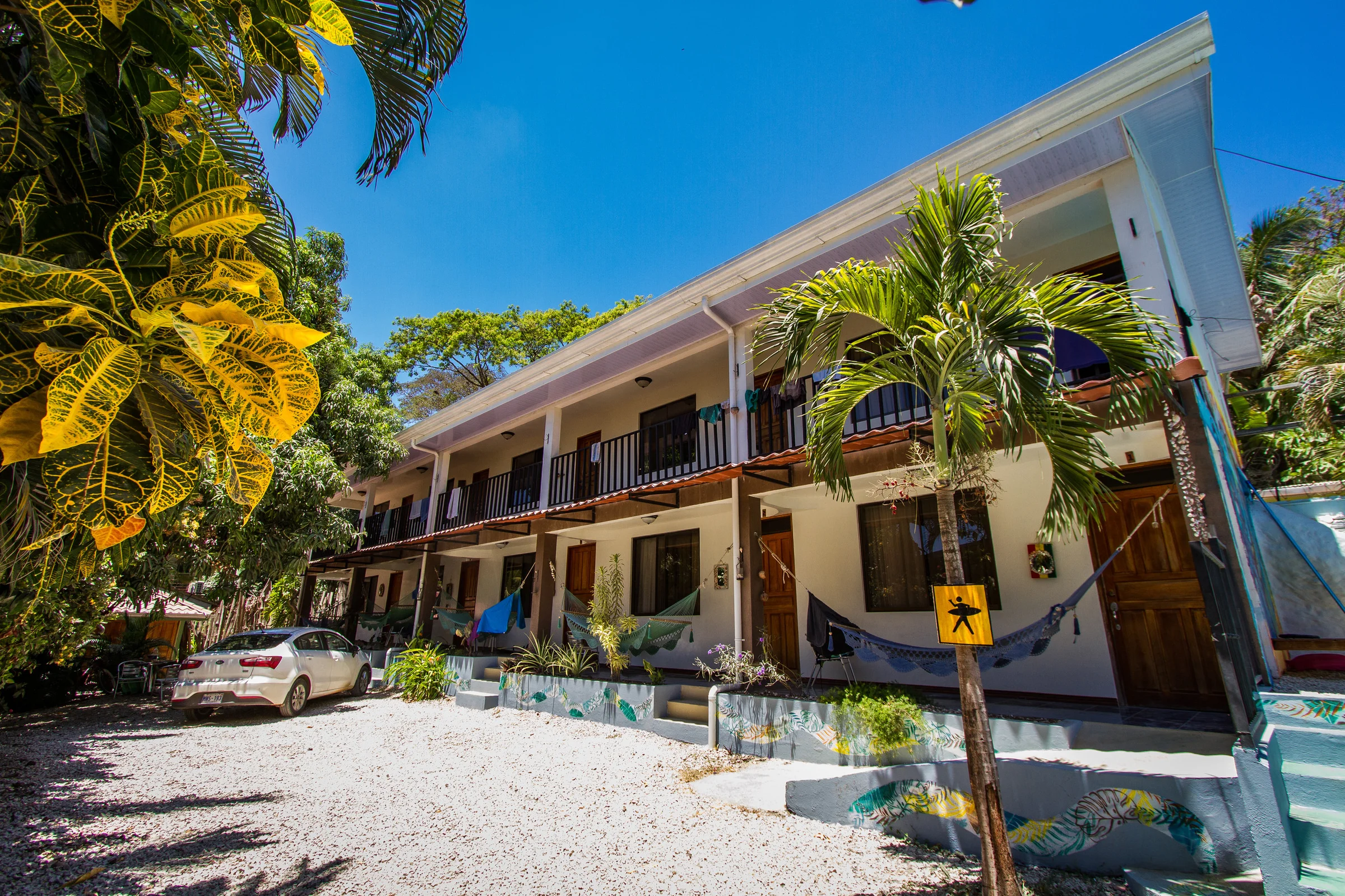
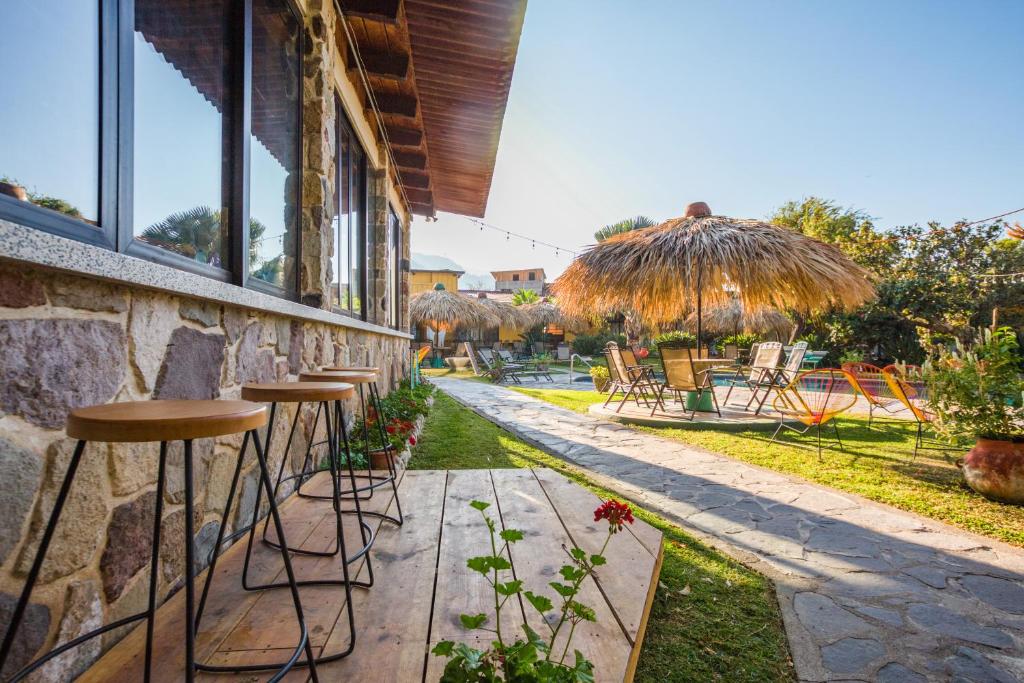
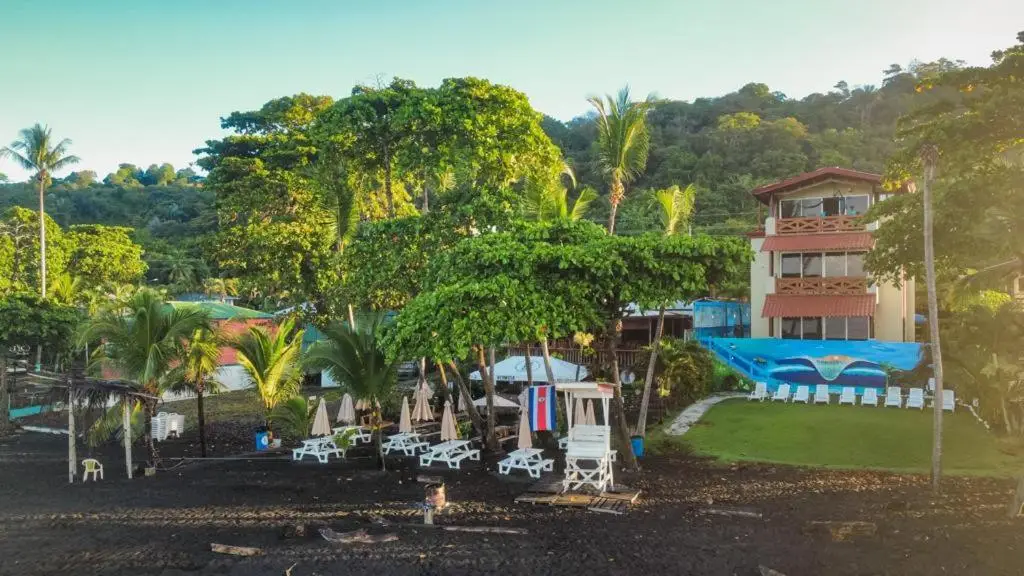
Accommodation density is highest in Tamarindo, Nosara, and Santa Teresa. Pavones and the Osa have limited options. Book those in advance during May through October. Caribbean Puerto Viejo has a solid mid-range scene but fills up around Christmas and New Year.
Boardbags fly on most carriers into Costa Rica without serious drama, though Spirit and Frontier charge extra. Budget airlines stack fees, so check before you book.
Money + connectivity
Costa Rica uses the Costa Rican Colon (CRC), but USD is accepted almost universally at surf towns and tourist businesses. I carry a mix of both. ATMs are widely available in Tamarindo, Nosara, and Puerto Viejo. Pavones and remote Osa locations have limited or no ATM access, so carry enough cash before heading south.
Credit cards work at most hotels and restaurants in tourist areas. Smaller sodas and local spots are cash-only.
eSIM coverage is solid through providers like Airalo. Local SIM cards from Kolbi or Claro are cheap and available at San Jose airport. Data speeds in Tamarindo and Nosara are reliable for surf forecasts and maps. Remote south Pacific areas drop to weak signal or none.
Wi-Fi at most surf hostels and hotels is functional but not fast. Do not plan remote-work sessions from Pavones.
Visa + entry
Most Western passport holders, including US, UK, EU, Canadian, and Australian citizens, enter Costa Rica visa-free for 90 days. You need a return or onward ticket and proof of sufficient funds at the border, though enforcement varies.
Passport-stamp extension options exist but require an exit and re-entry. Many long-term surfers do a border run to Panama or Nicaragua. There is no visa-on-arrival fee for qualifying passports. Check current requirements with your specific country before travel.
Health + safety
Water safety varies by region. Tap water is generally safe in San Jose and tourist-developed towns. Drink bottled or filtered water in rural areas and on the Caribbean coast to be safe.
Mosquitoes are present year-round. Dengue fever exists across all regions. Pack DEET repellent and use it, especially in the Caribbean and Osa where mosquito pressure is high. Malaria risk is low but not zero in remote southern zones.
Reef at Salsa Brava and some Osa breaks is sharp and shallow at low tide. Booties help. Know the tides before paddling out at any unfamiliar reef.
Hurricane season on the Caribbean runs June through November. The Pacific side faces occasional tropical storms in the same window, though direct hits are rare. Monitor forecasts during September and October.
Traffic in San Jose is genuinely bad. Give yourself extra time for any connection through the capital. Road quality outside main highways degrades fast, especially after rain.
Petty theft exists in tourist areas. Leave boards and gear locked in your vehicle. Do not leave bags unattended on the beach.
Solo travel is generally safe and well-supported by surf tourism infrastructure. Female solo surfers travel Costa Rica regularly without major issues, though standard awareness applies in any unfamiliar location.
Food + culture
The casado is the everyday meal of Costa Rica: rice, beans, salad, protein, and fried plantains on one plate for around 3,000-5,000 CRC. Find it at any soda, the small local diners that operate outside tourist pricing. I eat casados every day on a Costa Rica trip. They are filling, fresh, and honest.
Gallo pinto, the national rice-and-beans breakfast, arrives with eggs and coffee at nearly every surf hostel. It is legitimately good and powers long paddle sessions.
Tourist restaurants in Tamarindo and Santa Teresa skew toward international food at inflated prices. The quality is fine but not why you came. Wander one street back from the beach and prices drop immediately.
Costa Ricans, known as Ticos, are generally warm and patient with visitors. Learning a few words of Spanish earns real goodwill, especially outside tourist-heavy towns. Pura vida is used constantly as greeting, sign-off, and general affirmation. Use it freely.