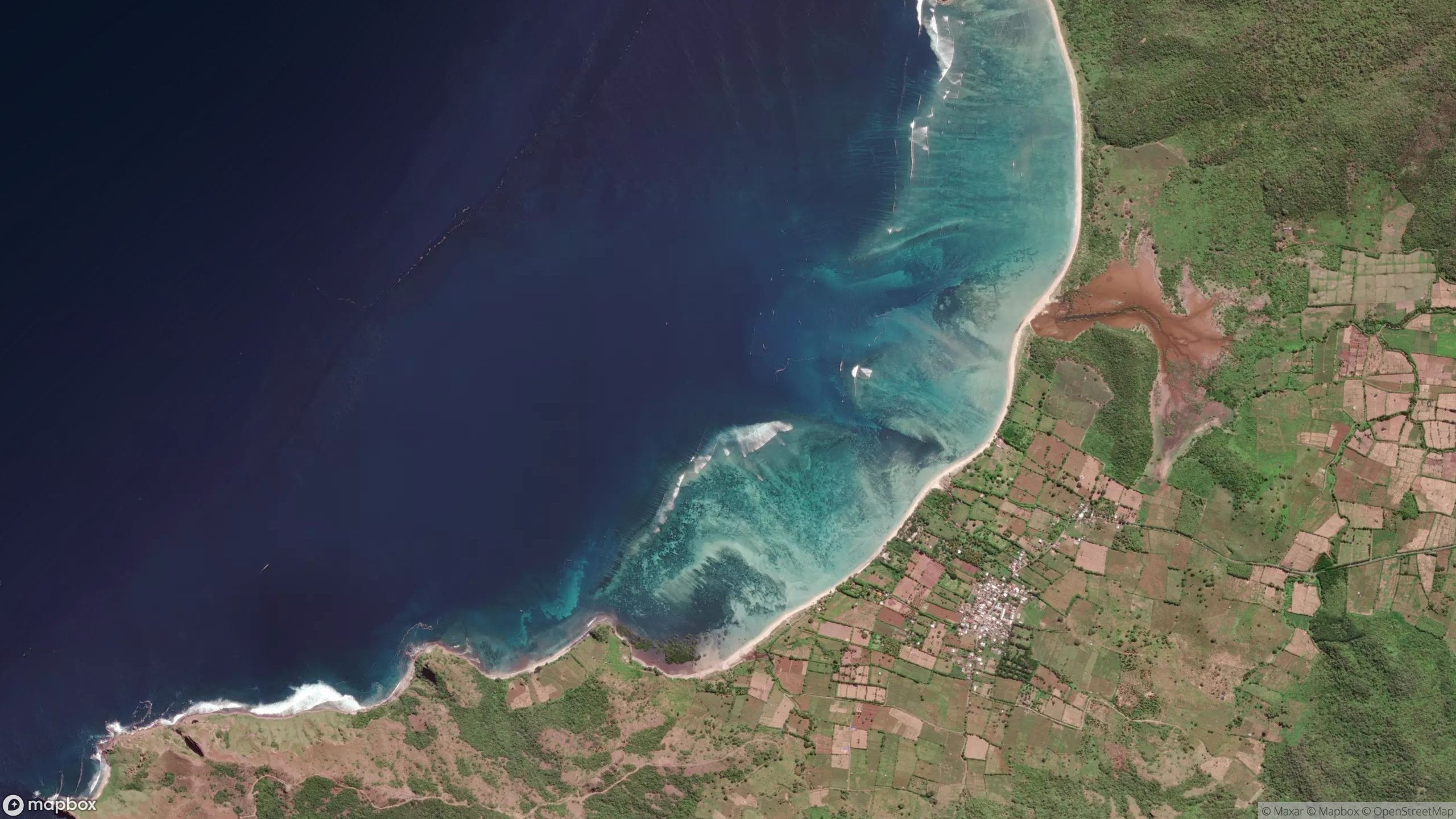
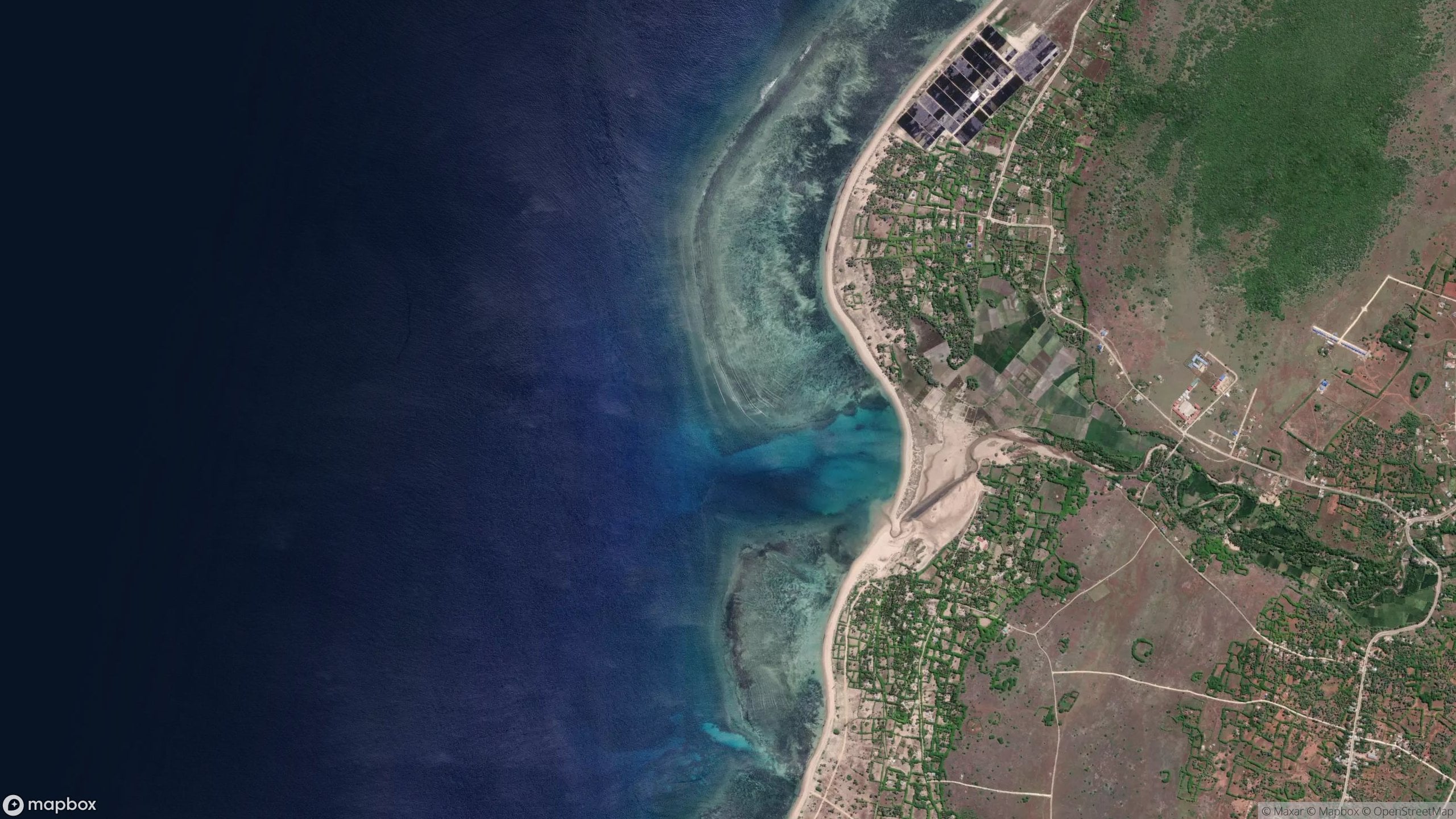
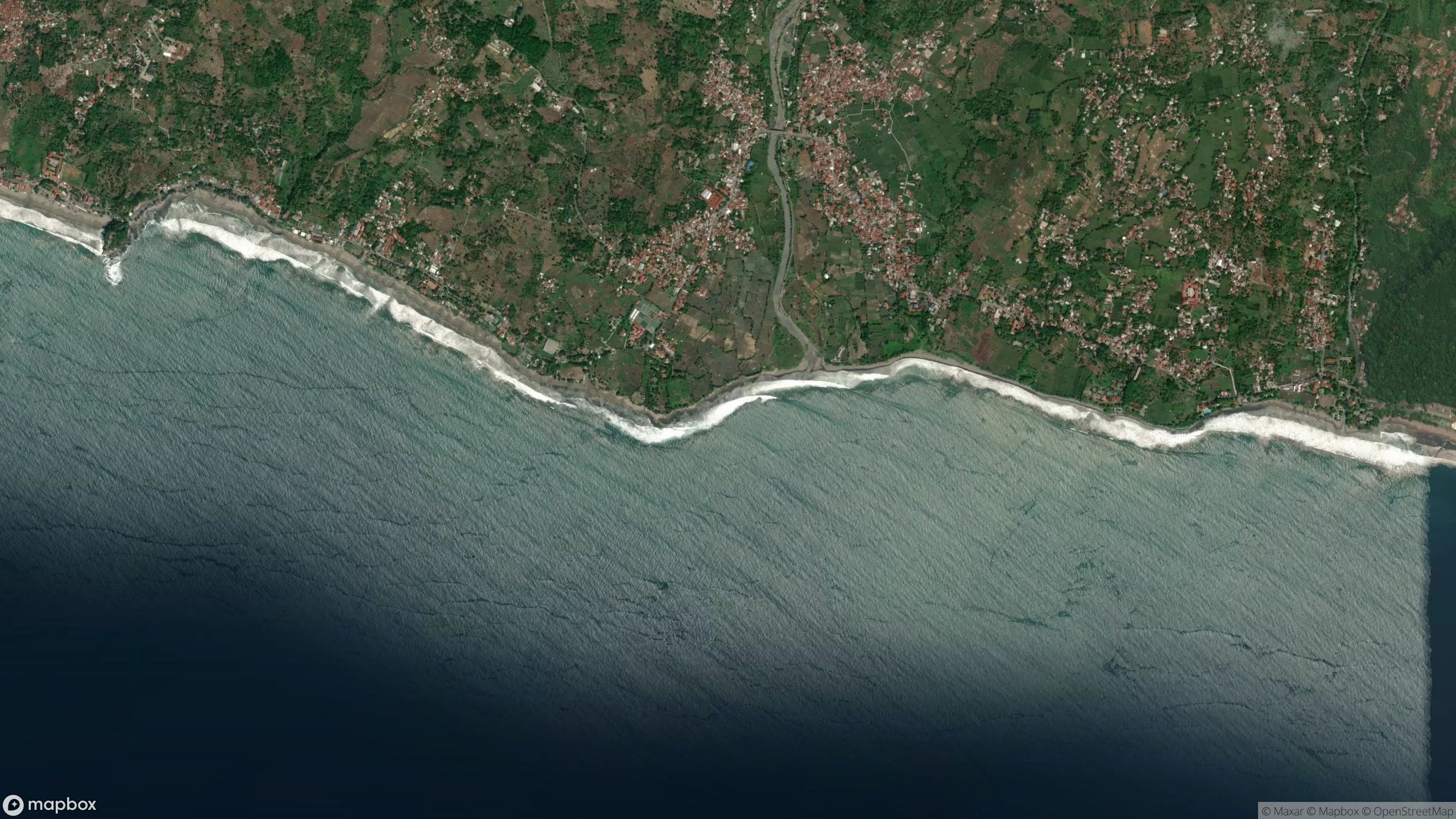
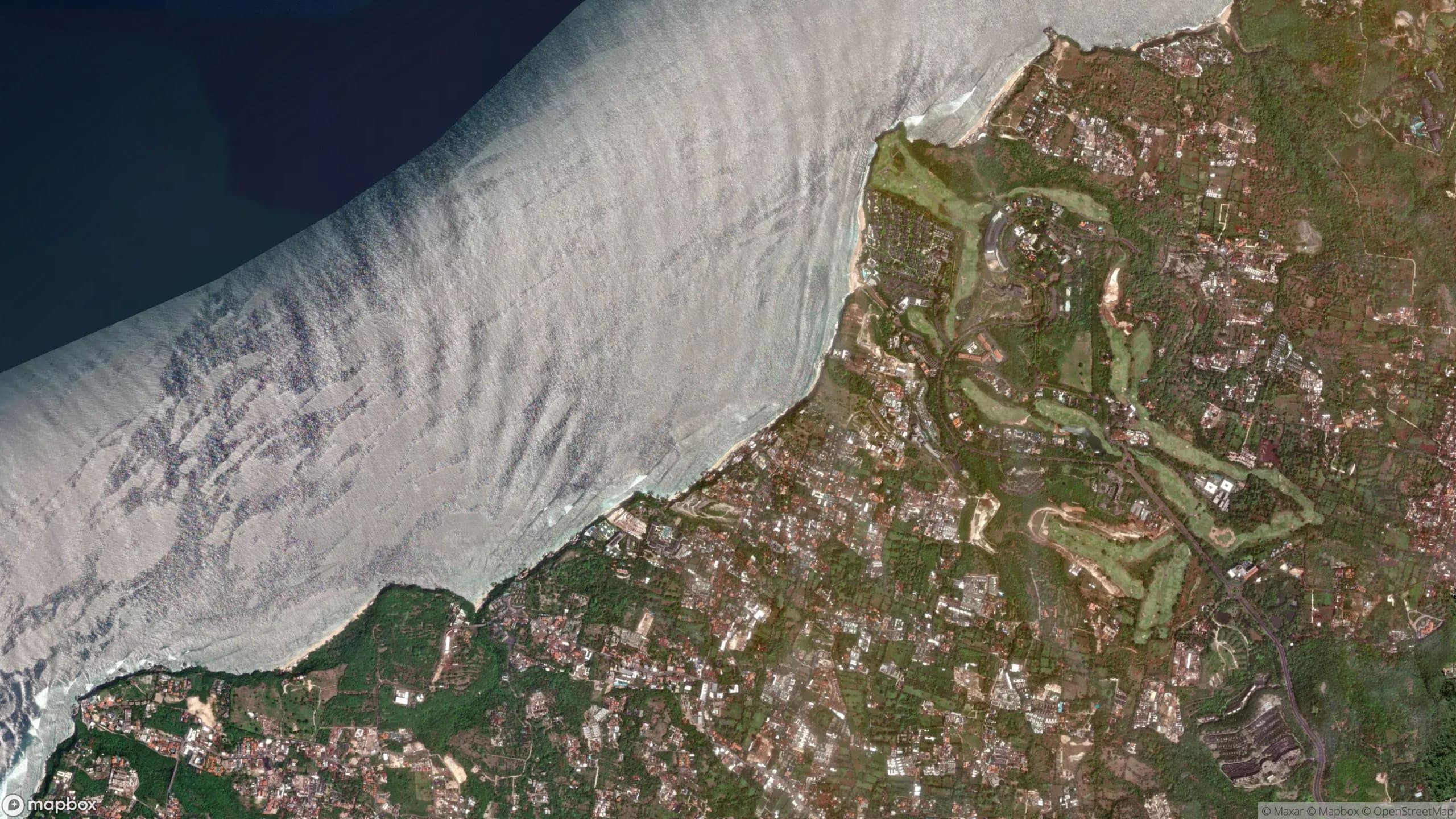
When to go
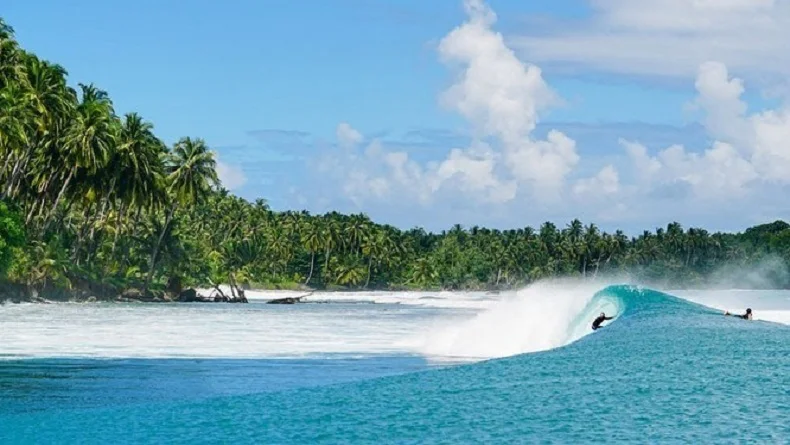
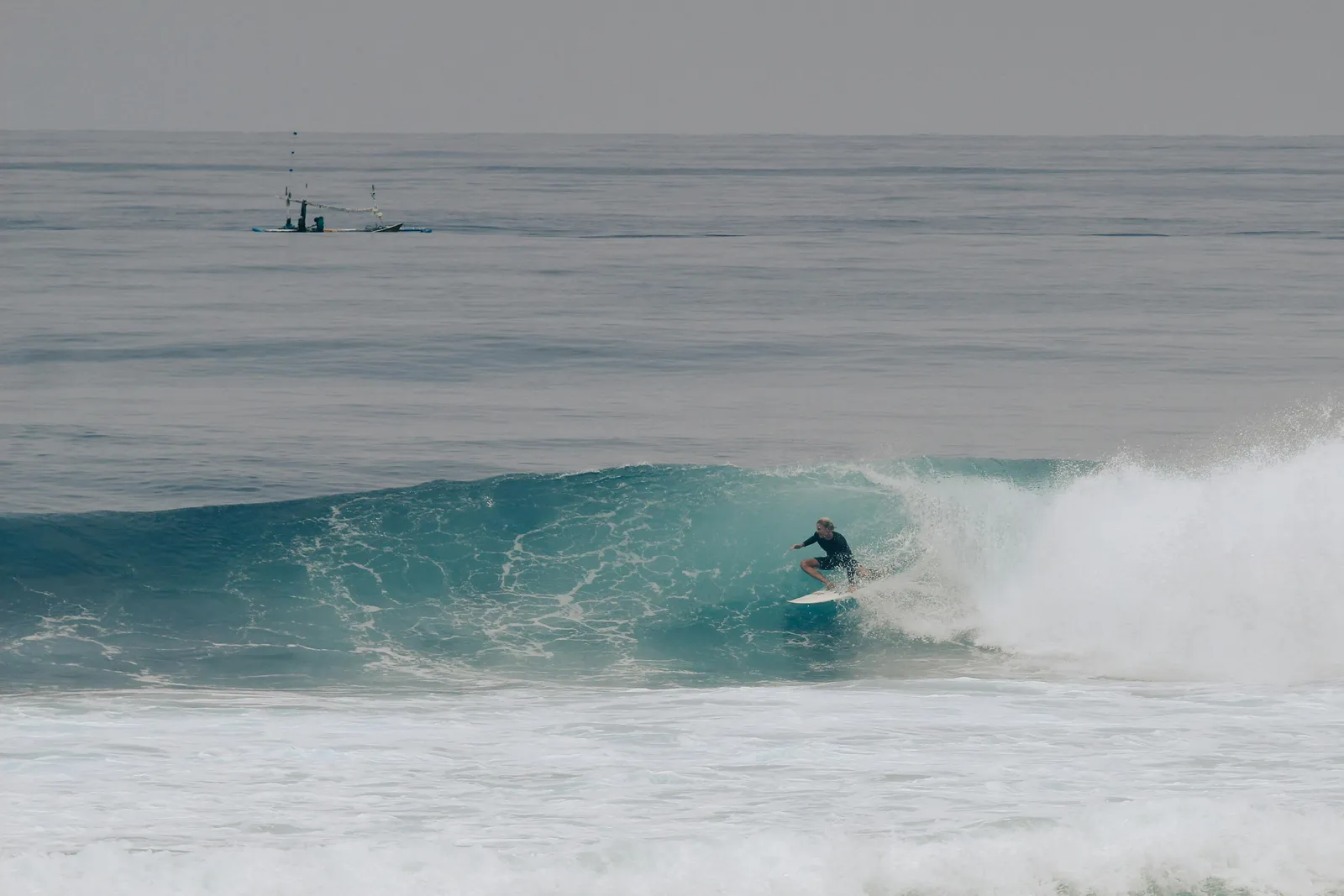
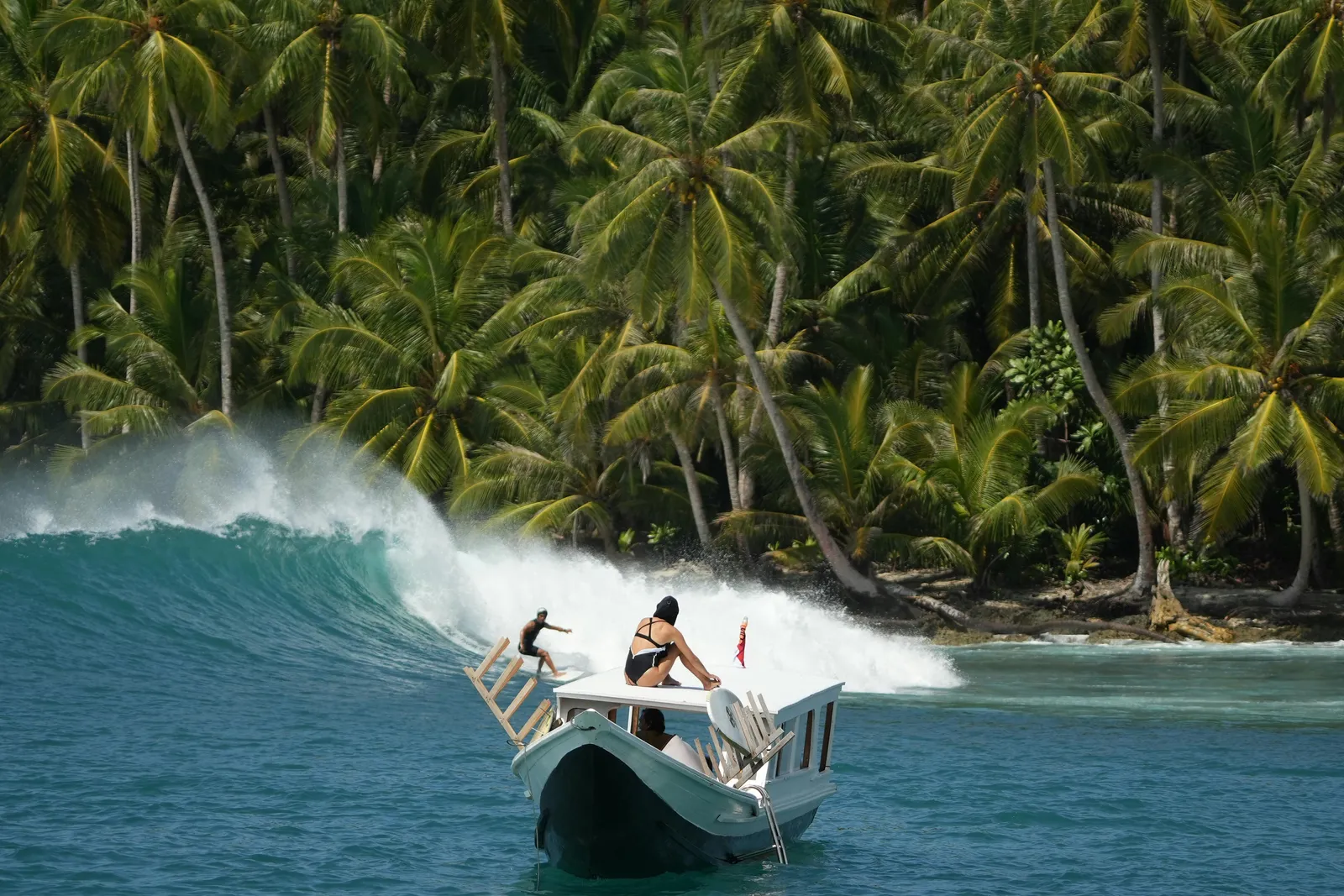
The majority of Indonesia's surf regions run on Southern Hemisphere swell, which means April through October is the core window for Bali, Lombok, Sumbawa, the Mentawais, Lampung, Simeulue, and Timor. July and August hit peak swell size and consistency, but also peak crowds and prices in Bali. I prefer May and June: swell is already running, lineups are thinner, and prices haven't spiked yet.
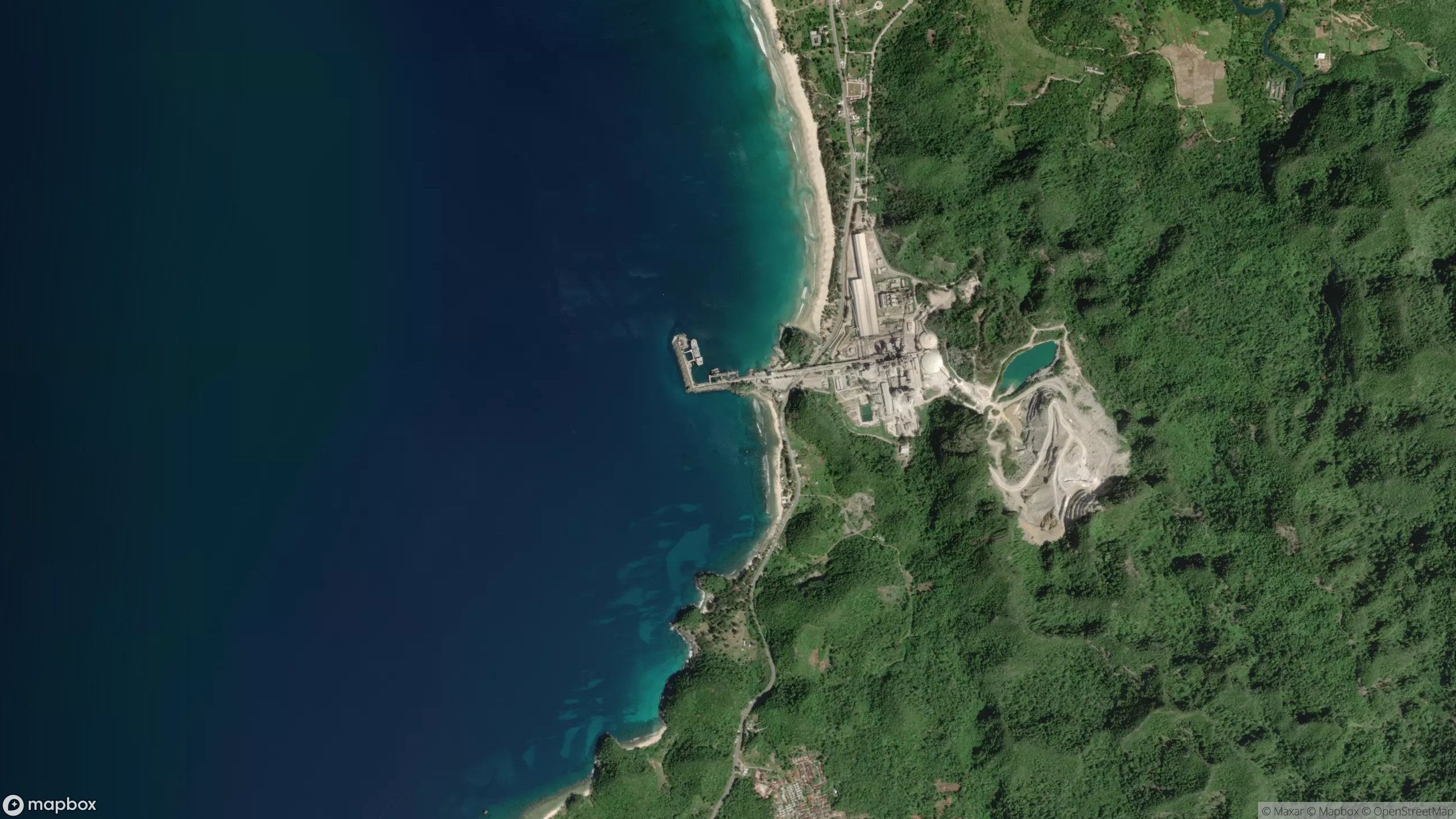
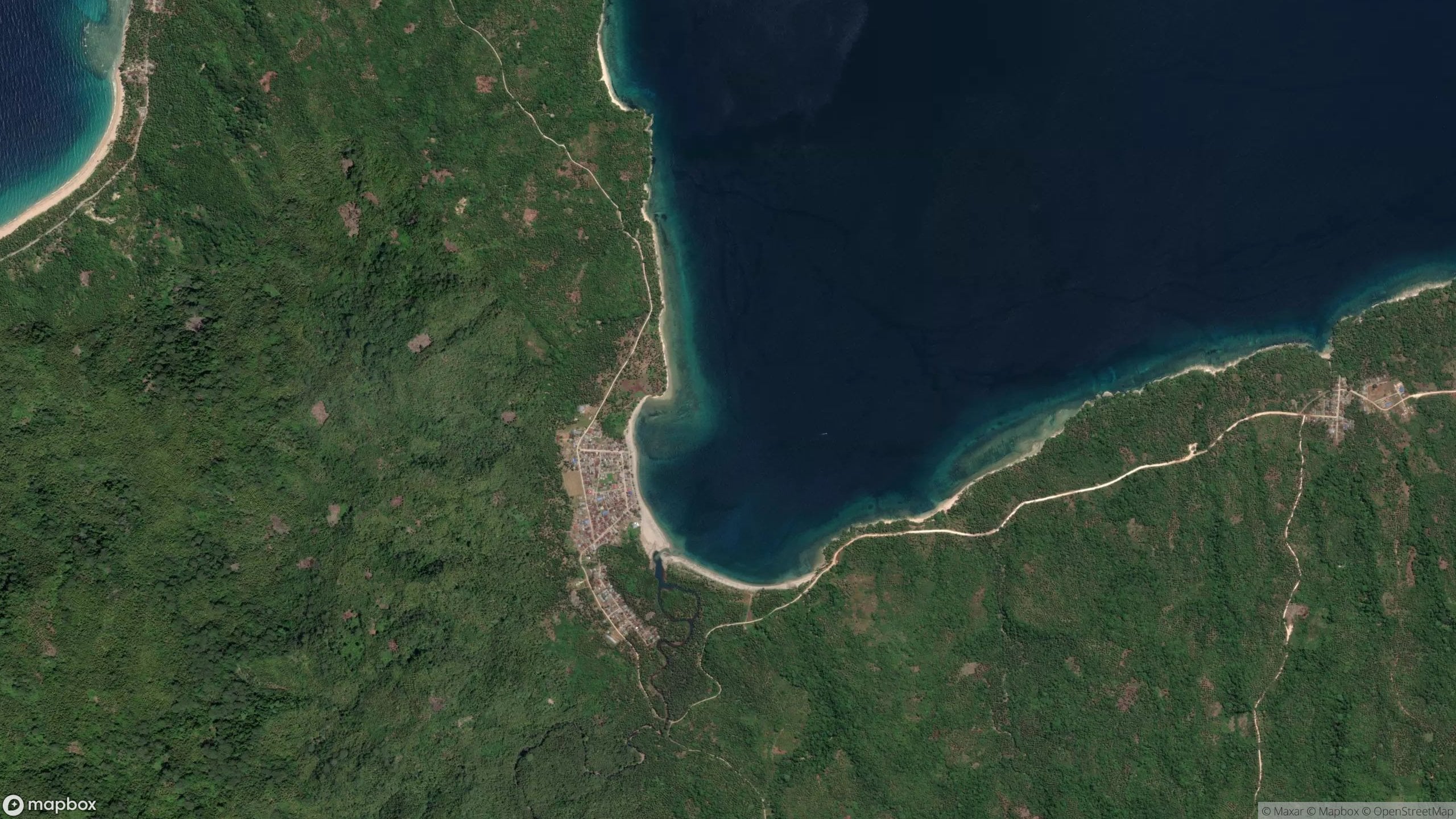
Aceh fires on a similar May through September window, driven by SW to WSW groundswell hitting the northwest tip of Sumatra. The Banyak Islands and Simeulue align with this window too, though they push into October reliably.
Maluku is the outlier. The north monsoon, running November through March, is when N to E swell lights up the island passes around Morotai and Halmahera. If you're chasing empty lineups in the eastern islands during boreal winter, this is your move.
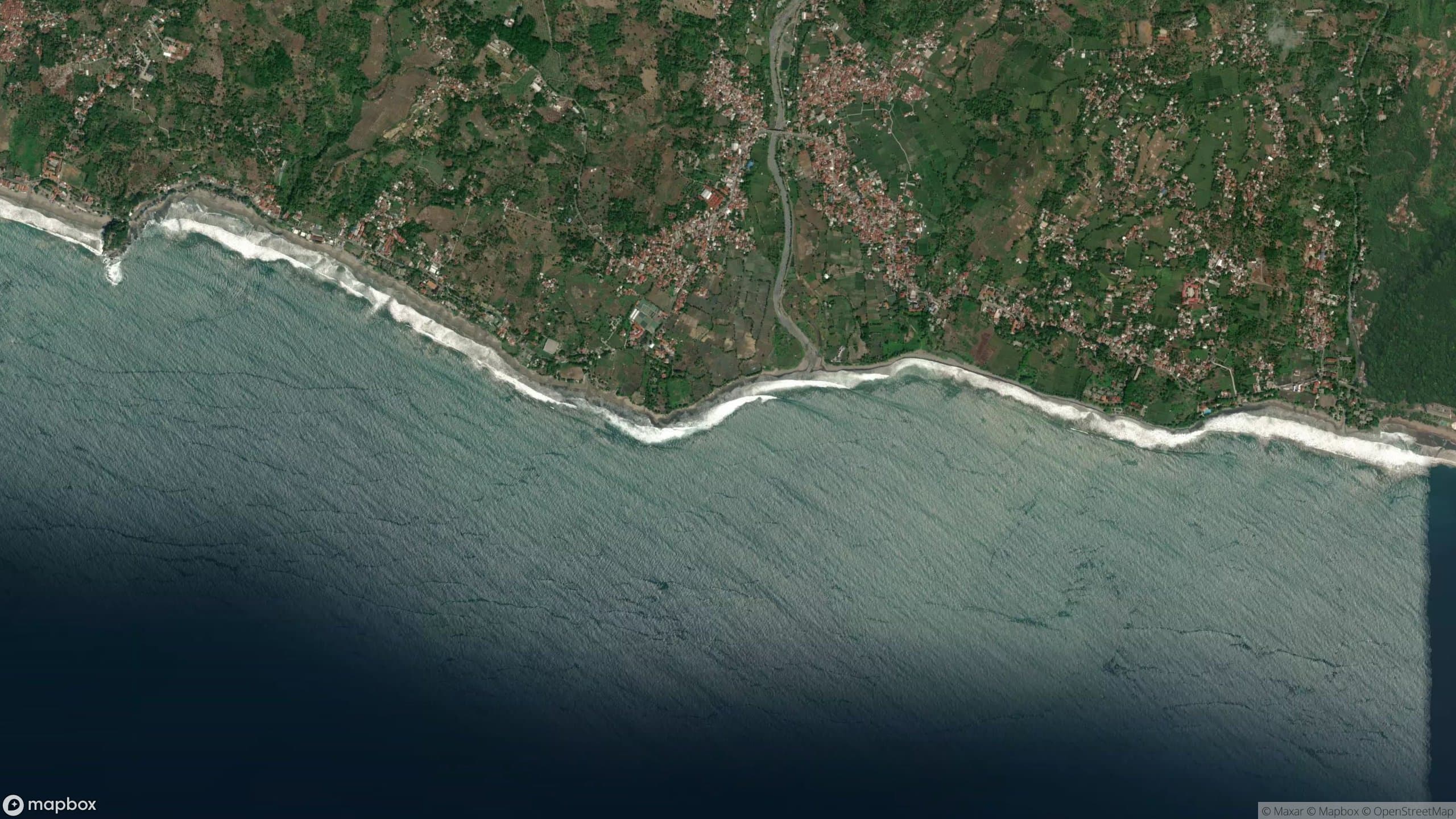
West Java has a wider window than most. March through November catches SW and W swell reliably, with March to May and August to October offering the cleanest conditions at Cimaja and Ombak Tujuh.
Avoid Bali in January and February unless you're prepared for rain, onshore winds, and inconsistent surf. It happens, but you'll wait more than you surf.
Where in the country to base
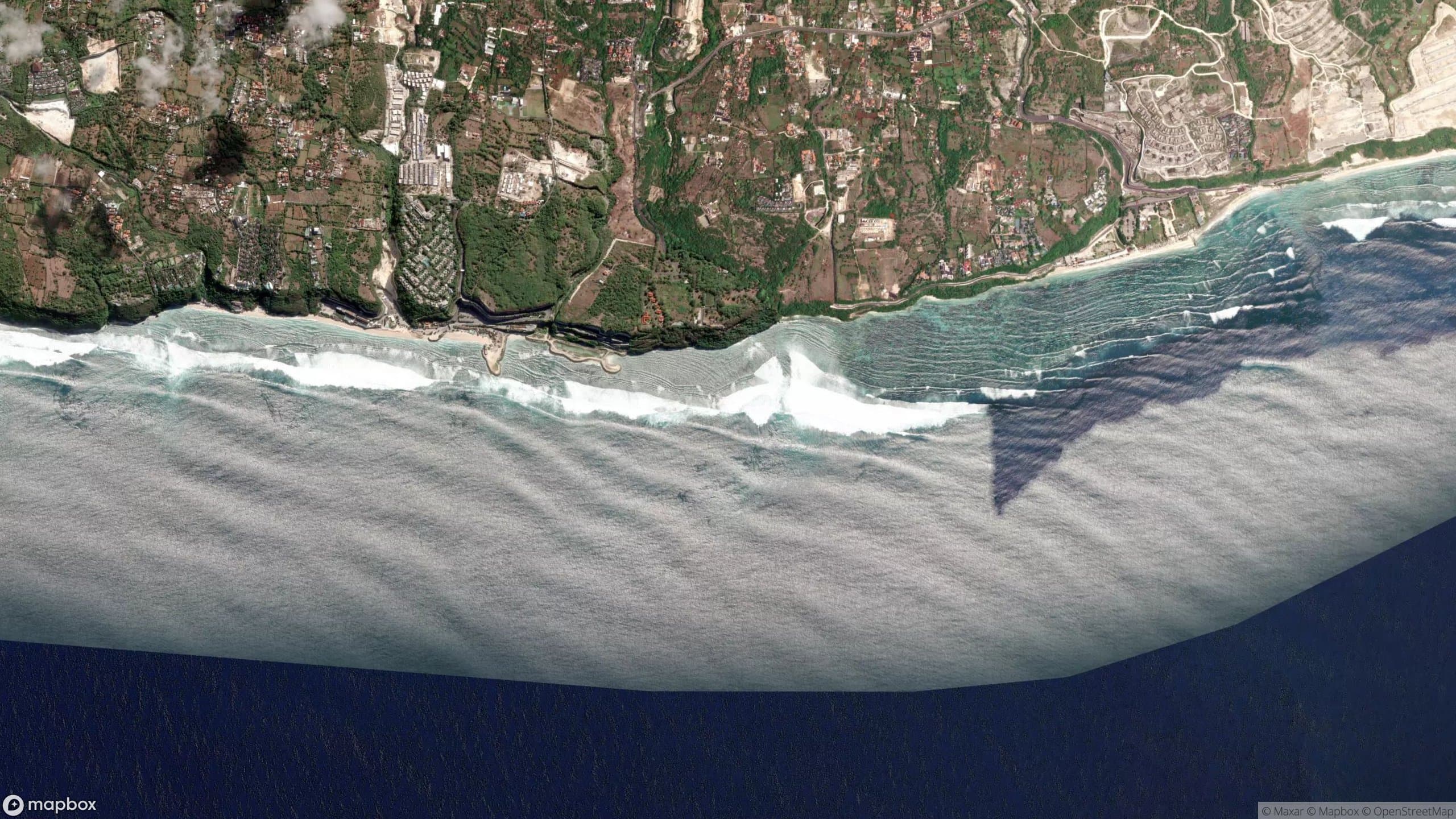
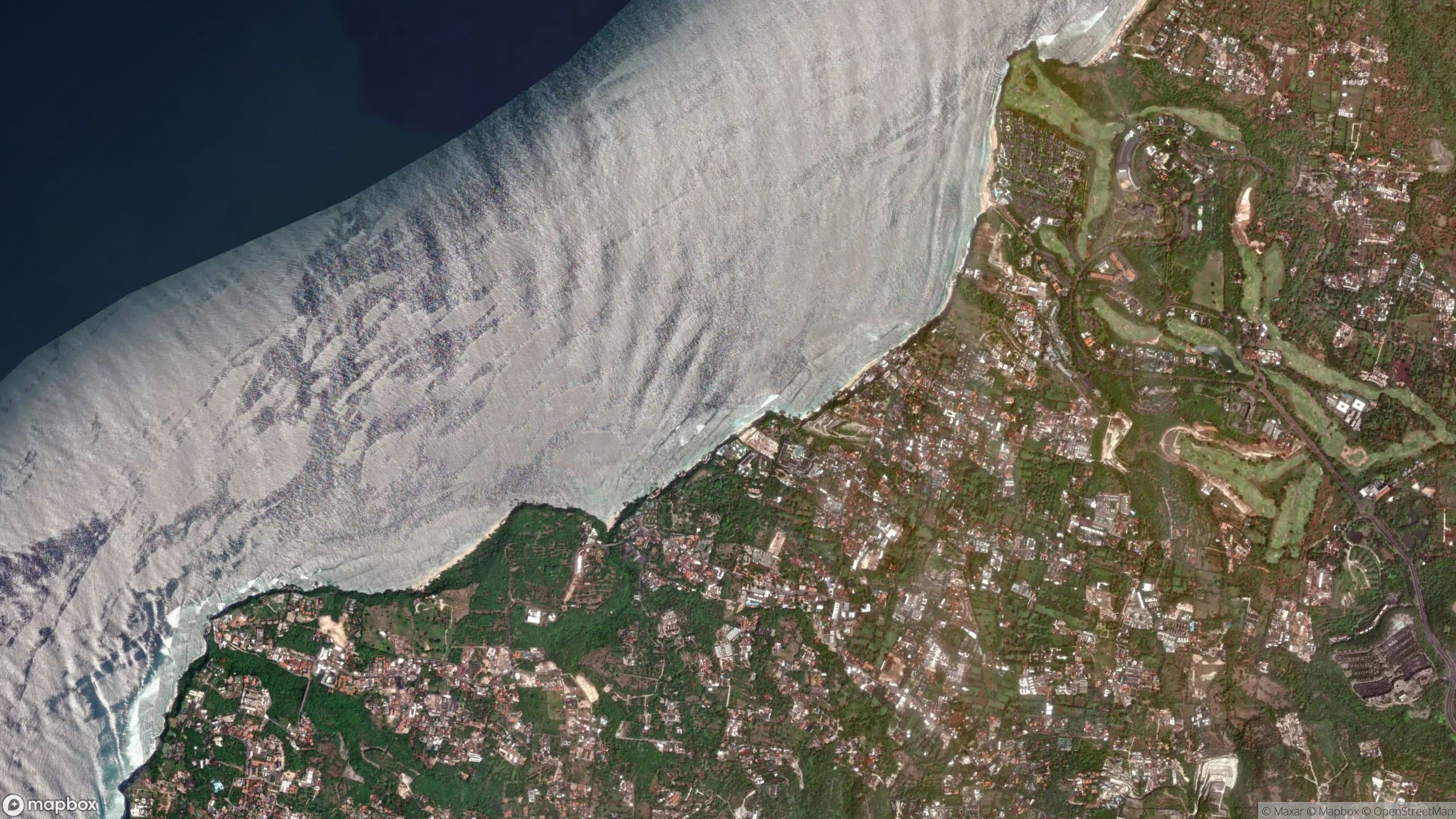
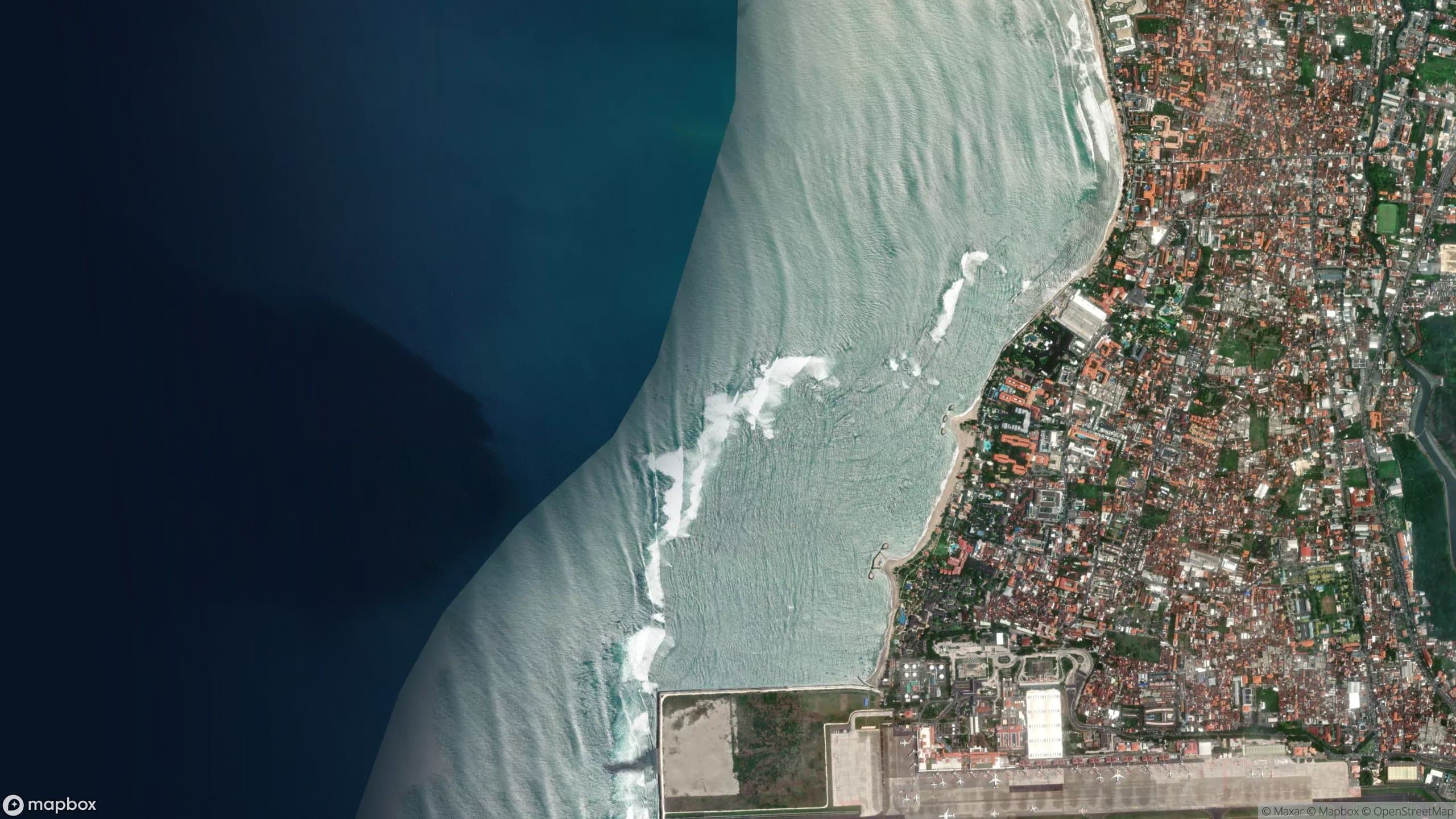
First-time visitors: Bali. There is no easier entry point. Denpasar has direct international flights from most major hubs. The Bukit Peninsula puts Uluwatu, Bingin, Padang Padang, and Impossibles within 30 minutes of each other. Canggu is the north base for Berawa and Echo Beach. Medewi, a three-hour drive west, offers a mellow left point that works for learners and long-boarders. Bali also has the deepest infrastructure: board rentals, shapers, coaches, clinics, and hospital-grade medical care in Denpasar and Seminyak.
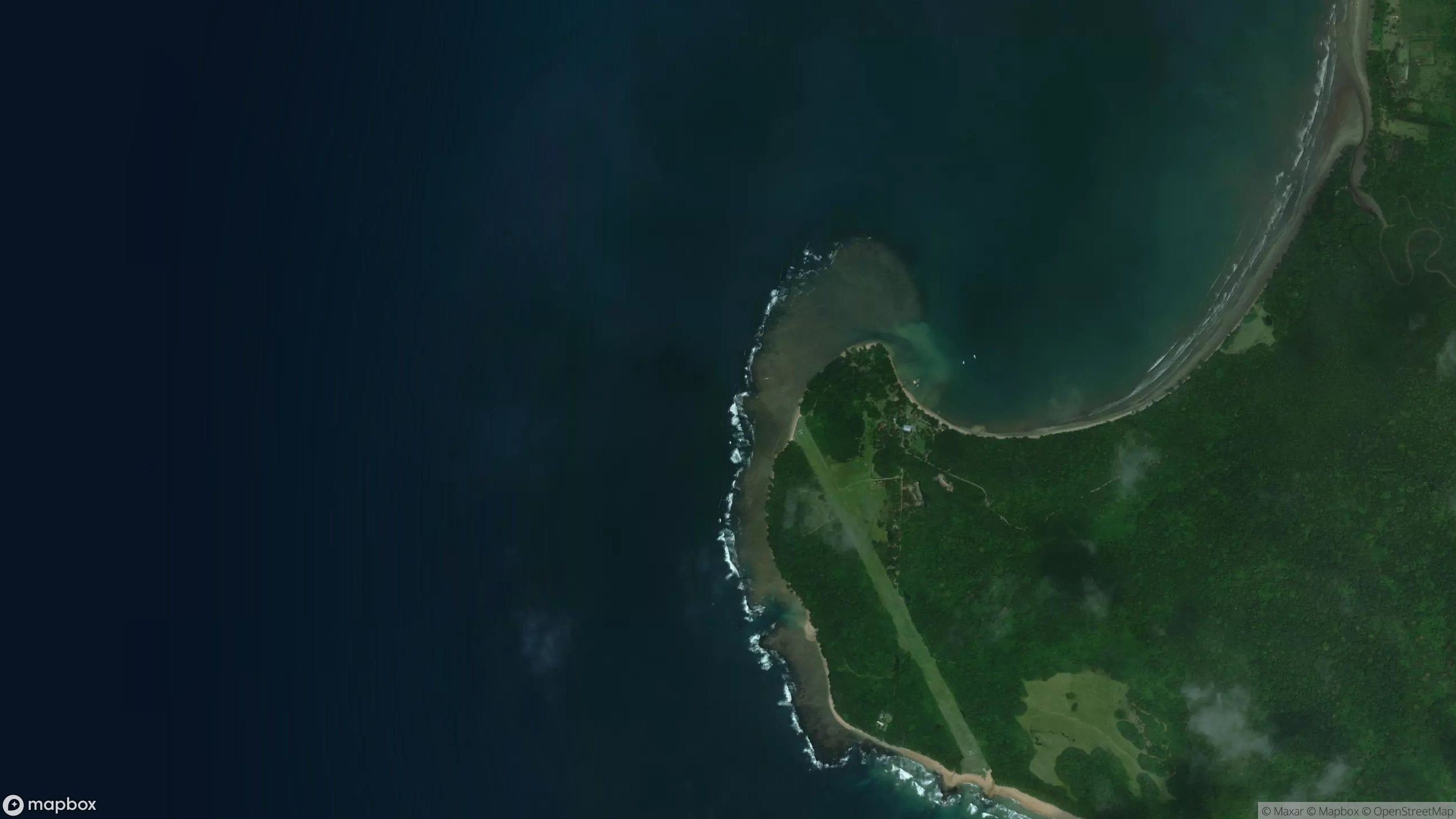
Return visitors chasing barrels: Sumbawa or the Mentawais. Sumbawa's Lakey Peak is accessible and affordable. Fly Denpasar to Bima, then overland to Hu'u. The Mentawais require more commitment: fly to Padang, then a six-hour charter boat transfer. Mentawai boat charters run 10 to 14 days and book out months ahead. If you go once, you'll plan the second trip on the boat home.
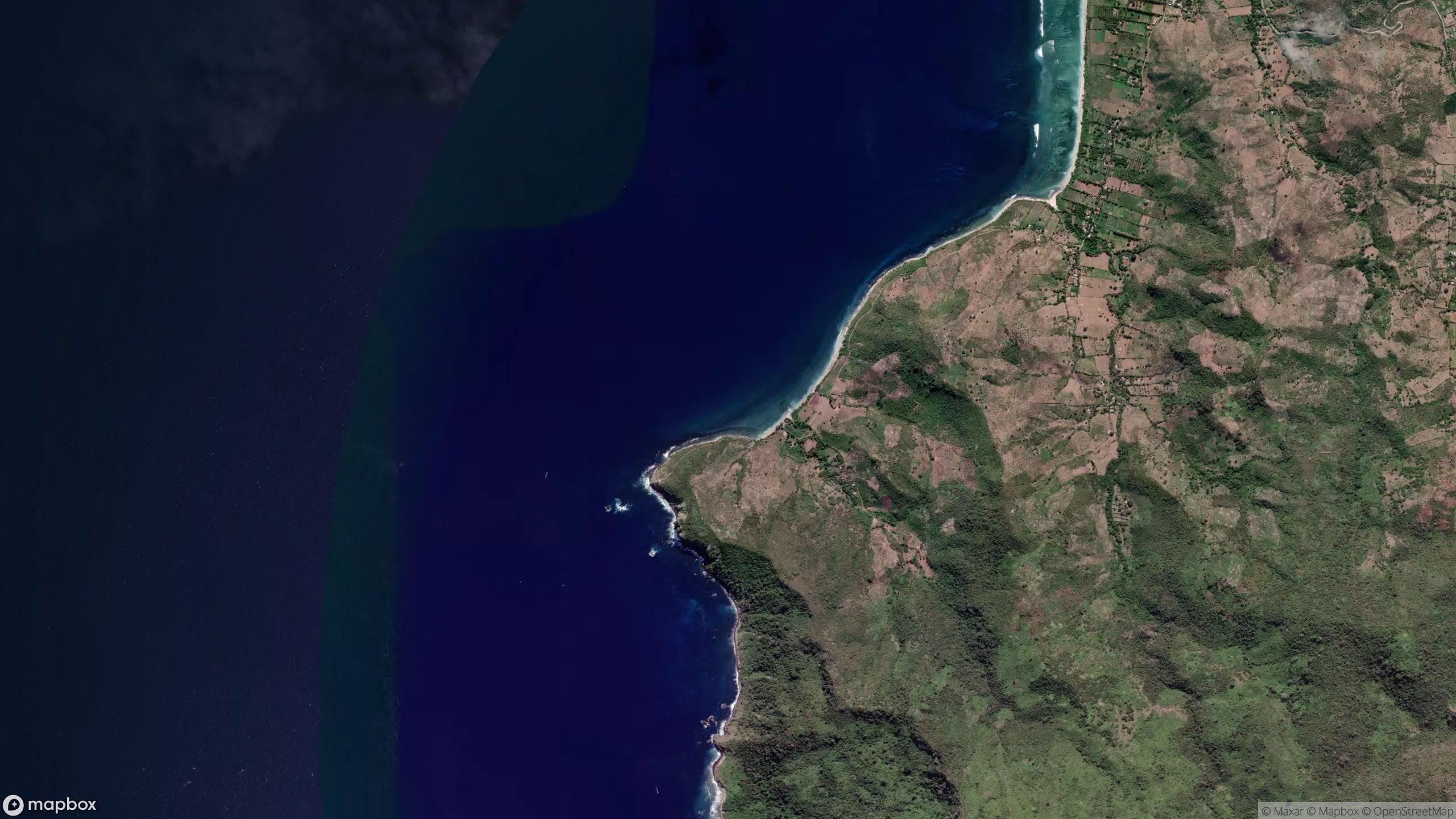
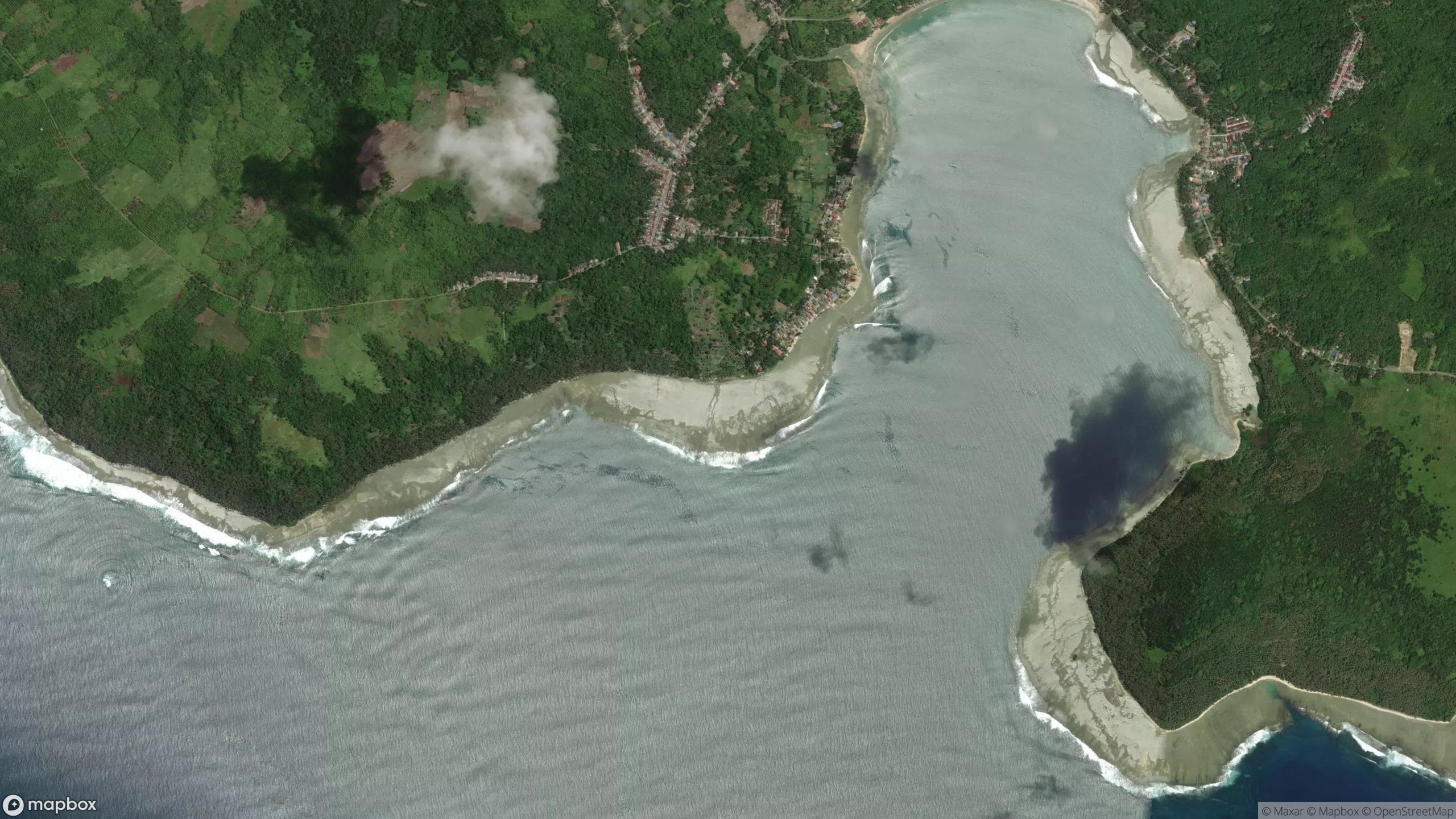
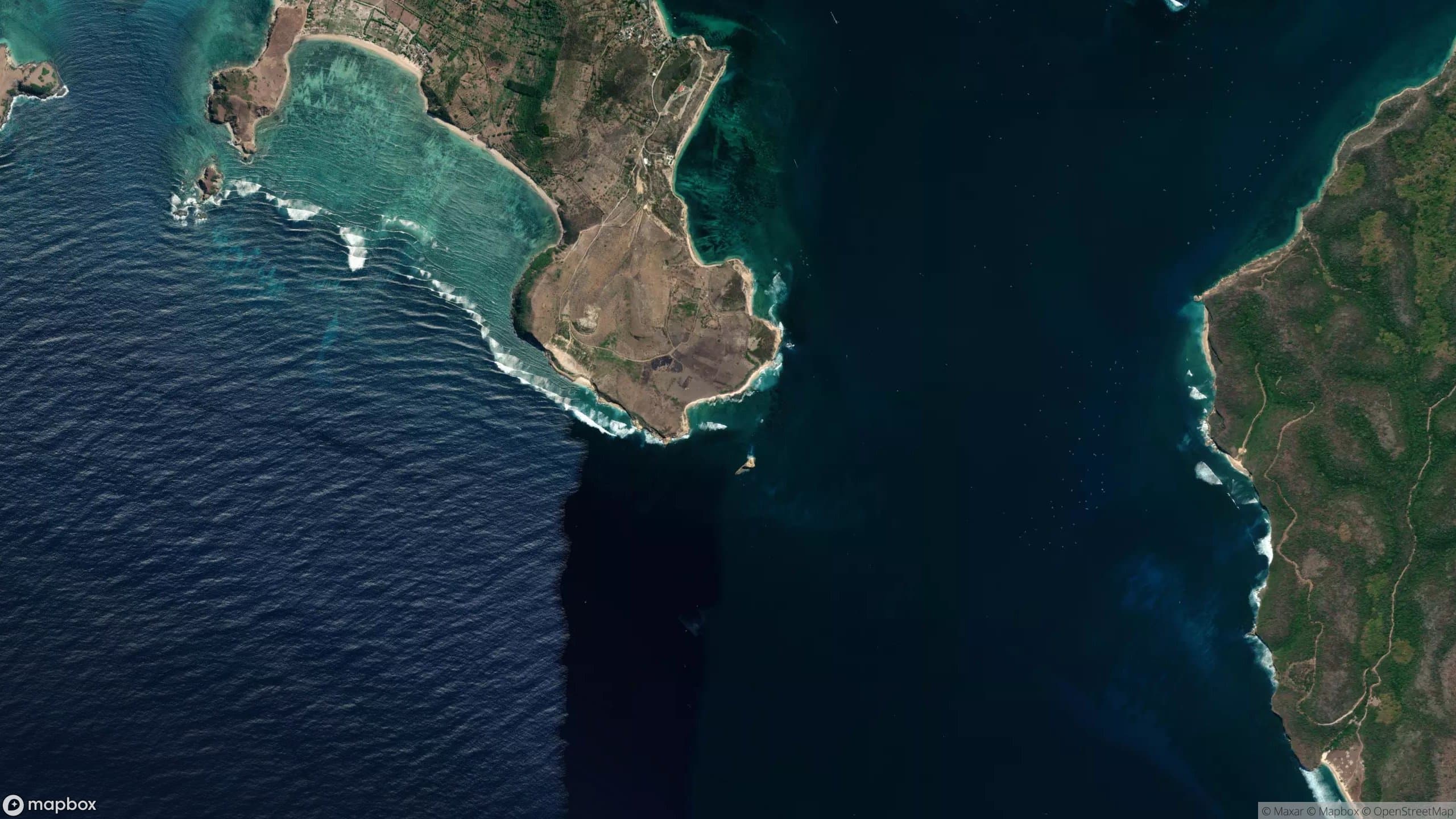
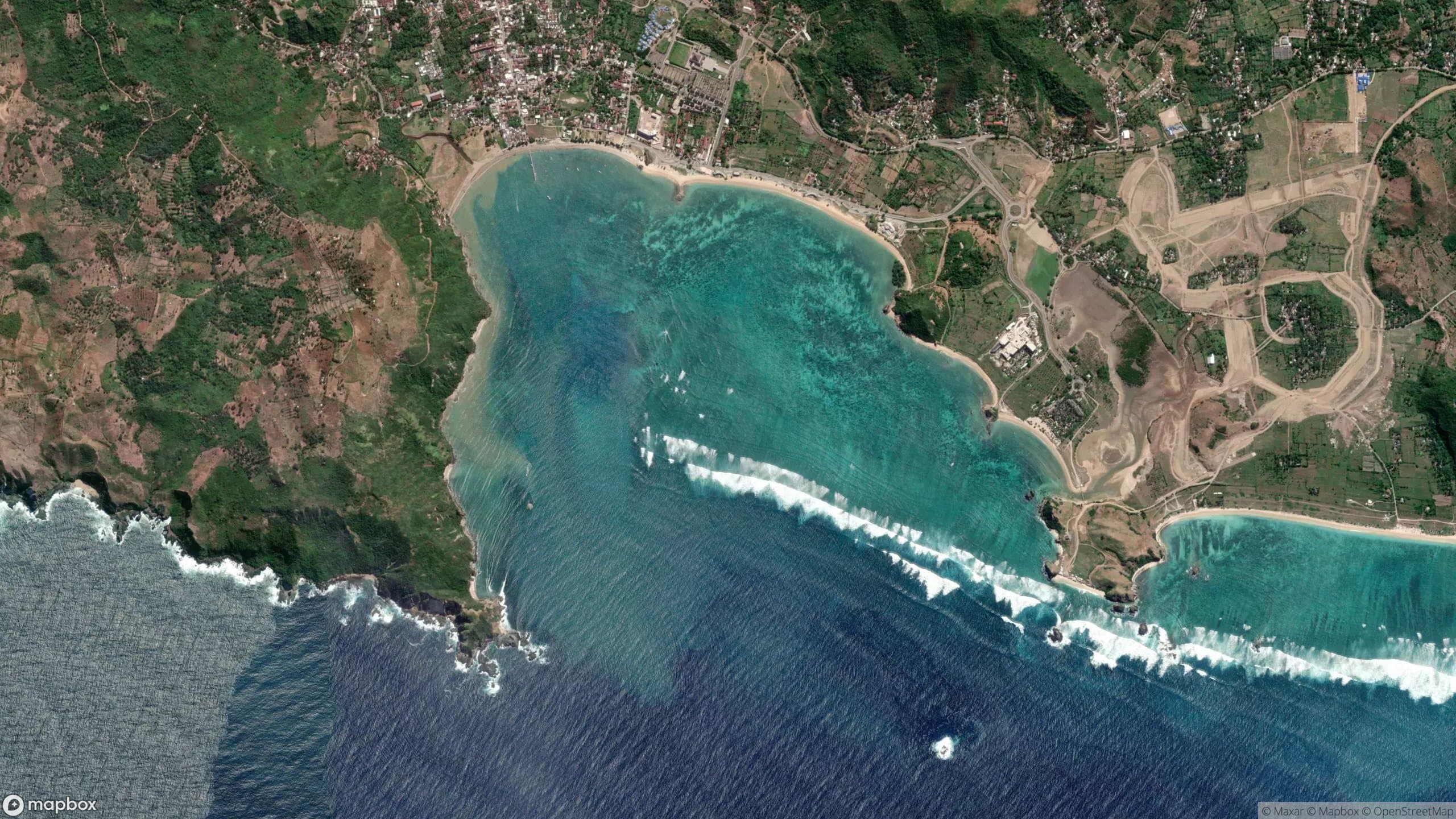
Empty lineups on a budget: Lombok. Desert Point, Mawi, and Grupuk are all within reach of Kuta Lombok. The island is a domestic flight or fast ferry from Bali. Infrastructure is thinner than Bali but improving fast. Advanced surfers will find enough variety for two weeks without repeating a session.
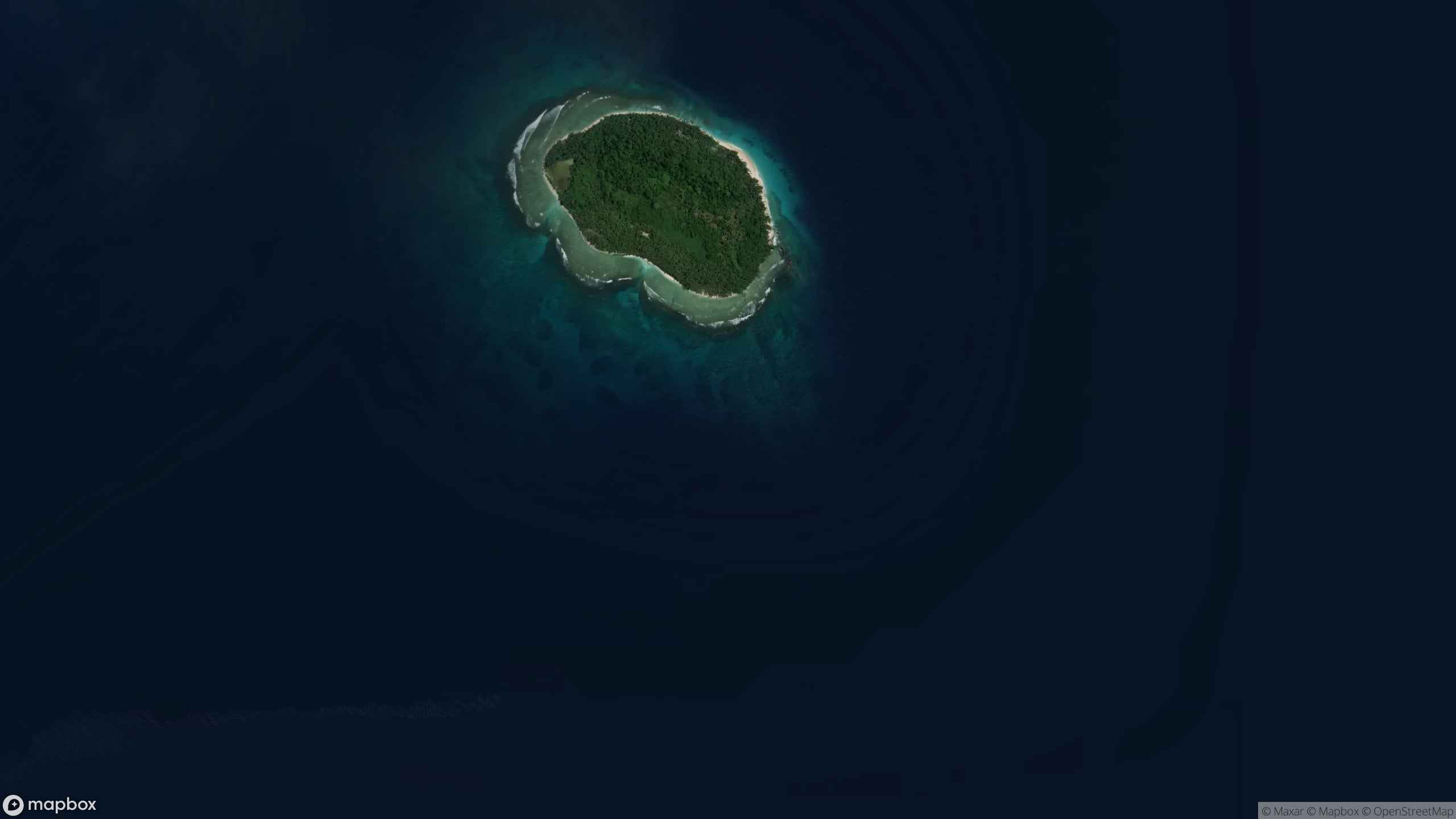
Off-the-grid: Maluku or Timor. Rote Island and Morotai are for surfers who genuinely want empty waves over convenience. Medical access is limited, logistics are slow, and you'll need local fixers. But T-Land on Rote has been on serious surfers' radar for decades and still delivers long walling lefts with almost no one out.
Logistics
Denpasar's Ngurah Rai International Airport (DPS) is the main gateway. Most surfers land here first regardless of final destination. Padang (PDG) in West Sumatra is the jump-off for Mentawais, Simeulue, and Banyak charters. Makassar (UPG) connects to Sumbawa and eastern Indonesia.
Inter-island domestic flights are run by Garuda, Lion Air, Batik Air, and Wings Air. Book early during peak season. Overland transfers in Bali use Grab or fixed-rate taxis. In Sumbawa and Lombok, ojeks (motorcycle taxis) and rented scooters handle short-range movement. Renting a scooter in Bali costs roughly 60,000 to 80,000 IDR per day. A car with driver for a day trip out of Canggu runs 300,000 to 500,000 IDR.
Bag fees for surfboards are real and inconsistent on domestic routes. Wrap boards well and expect to pay 150,000 to 400,000 IDR each way depending on airline and route. Some surfers rent locally to avoid it entirely. Bali's rental and second-hand board market is deep.
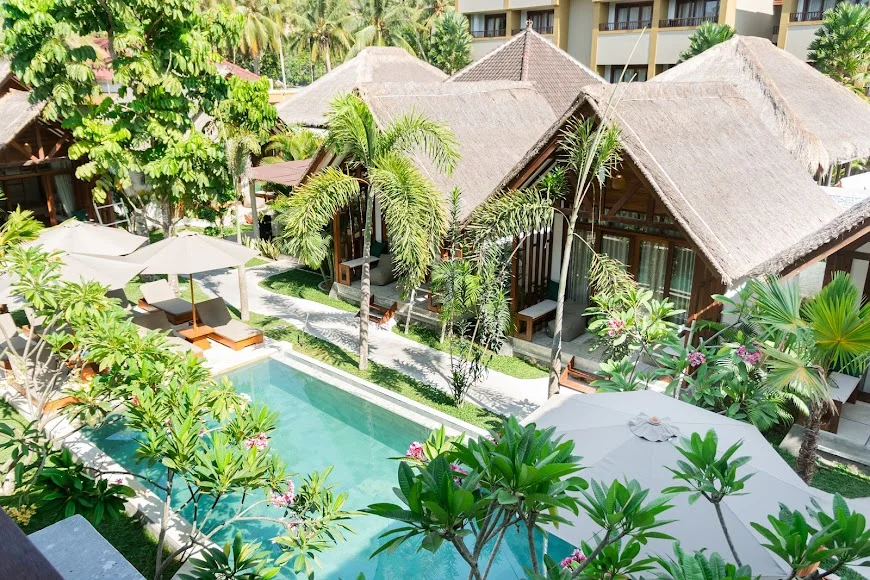
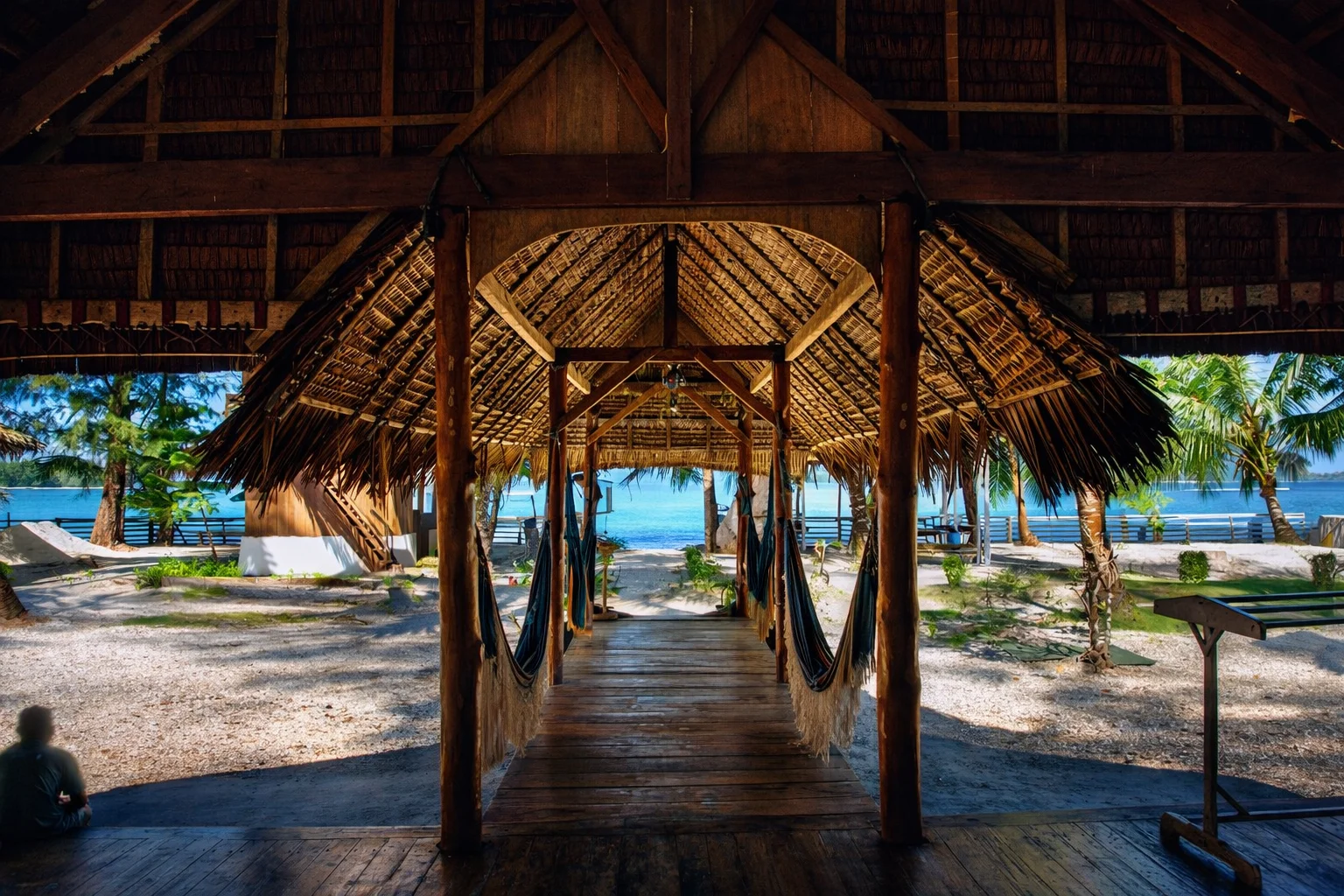
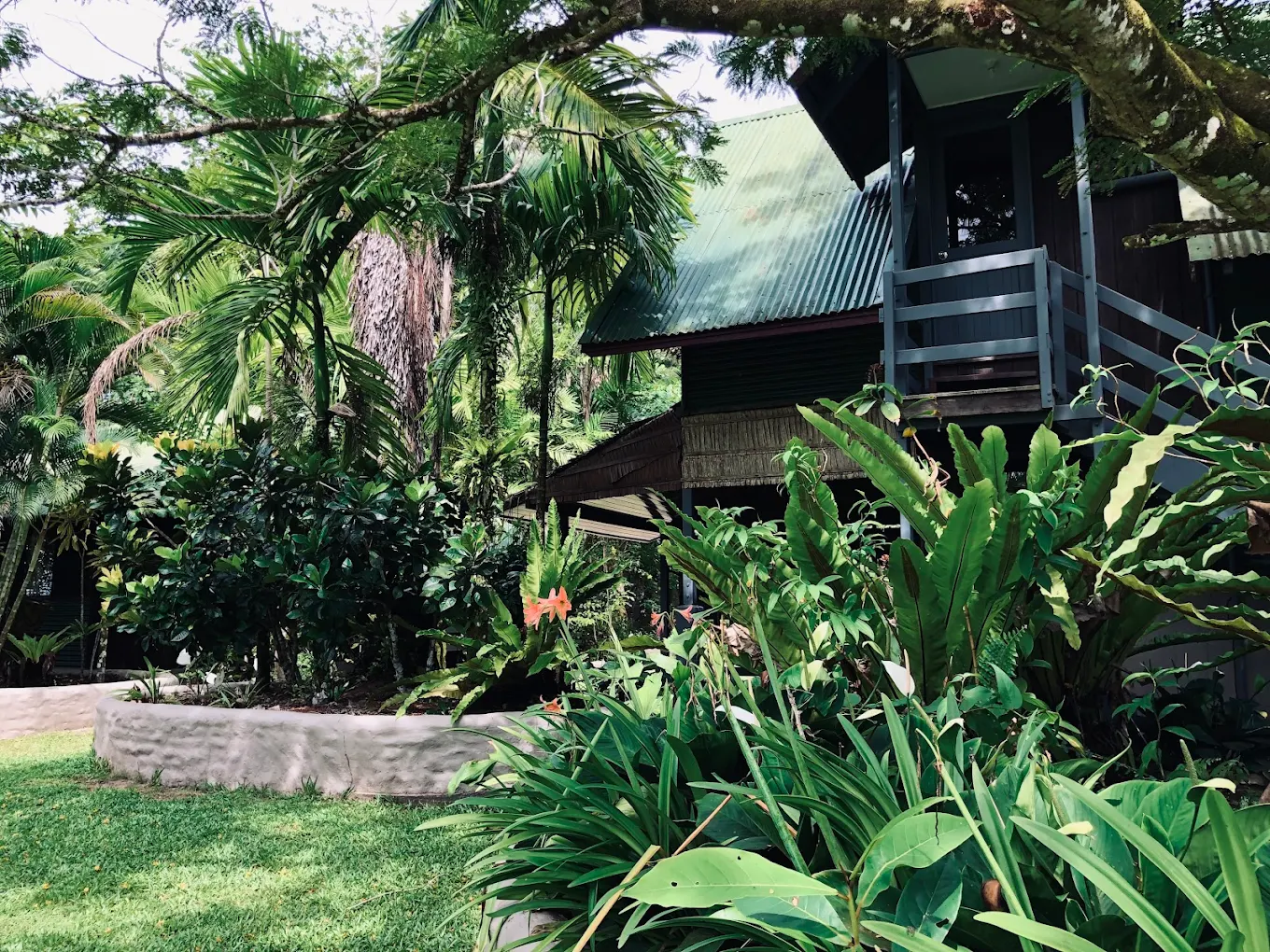
Accommodation ranges from 150,000 IDR guesthouses in Hu'u village to 3,000,000 IDR villa nights in Seminyak. Most surf-focused stays sit in the 300,000 to 800,000 IDR range and include board storage and rinse stations.
Money + connectivity
Cash is still king outside of Bali's tourist belt. ATMs are widely available in Denpasar, Seminyak, Canggu, and Kuta. In Sumbawa's Hu'u, Lombok's Kuta, and anywhere in Maluku or Timor, you'll want rupiah in hand before you arrive. BCA and Mandiri ATMs accept international cards most reliably. Daily withdrawal limits vary but typically cap around 2,500,000 to 3,000,000 IDR per transaction.
Cards are accepted at hotels and larger restaurants in Bali. Anywhere local, cash only. Carry small bills. Paying with a 100,000 IDR note at a 15,000 IDR warung creates friction.
SIM cards from Telkomsel or XL are cheap and easy to buy at airports and convenience stores. A 30-day data package with 20GB runs 50,000 to 100,000 IDR. eSIM options via Airalo or Holafly work well in Bali and larger cities but coverage drops fast in remote islands. In Maluku and Timor, expect patchy 4G and occasional dead zones.
WiFi at surf camps and guesthouses in Bali and Lombok is generally reliable. In Sumbawa and beyond, don't count on streaming.
Visa + entry
Indonesia introduced the Visa on Arrival (VoA) for most nationalities, including US, UK, EU, and Australian passport holders. Cost is 500,000 IDR, valid for 30 days, extendable once for another 30 days at a local immigration office. Total maximum stay on VoA is 60 days.
Free Visa Exemption countries (a smaller list) get 30 days without paying at the gate. Check Indonesia's official Directorate General of Immigration list before travel, as it updates.
For surf trips over 60 days, the B211A Social-Cultural Visa issued in advance allows longer stays with more flexibility. Most two-week surf trips need nothing more than VoA on arrival.
Health + safety
Reef injuries are the most common hazard across Indonesia. Most breaks fire over shallow live coral. Reef boots help on the walk-in and walk-out, but once you're surfing, fin cuts and reef rash happen. Carry a basic wound kit: antiseptic, sterile strips, and anti-infection cream. Infected reef cuts move fast in tropical heat.
Mosquito-borne illness, including dengue fever, is present. Use repellent from dusk onwards and cover up at sunset. Malaria risk is low in Bali and Java but rises in eastern regions, including Maluku, Timor, and parts of Papua. Check current recommendations with a travel medicine clinic before visiting remote areas.
Water is not safe to drink from the tap anywhere in Indonesia. Buy sealed bottles or use a SteriPen. Most guesthouses provide drinking water.
Traffic in Bali is dense and chaotic. Scooter accidents involving foreign surfers are common. Wear a helmet. Ride defensively. Don't ride after dark in unfamiliar areas.
Petty theft exists in tourist zones. Don't leave valuables on the beach during sessions. Bag-snatching by motorbike is reported in parts of Kuta and Denpasar.
Medical care in Bali is solid. BIMC Hospital in Kuta and Siloam Hospital in Denpasar handle surf injuries including coral lacerations, fractures, and respiratory issues. Outside Bali, medical access thins significantly. Serious injuries in Rote, Morotai, or the Mentawais require evacuation to Denpasar or Makassar. Travel insurance with medical evacuation cover is not optional.
Food + culture
Indonesian food is one of the great travel perks. Nasi goreng (fried rice), mie goreng (fried noodles), and sate ayam (grilled chicken skewers) appear everywhere and cost 20,000 to 40,000 IDR at a local warung. In Bali, Nasi Campur, a plate of mixed small dishes over rice, is the go-to post-surf meal. Babi guling, Balinese spit-roasted pork, is worth going out of your way for.
Bali has a deep café and restaurant scene in Canggu, Seminyak, and Ubud for surfers who want variety. Bowls, smoothies, and specialty coffee are ubiquitous and genuinely good. In Sumbawa and Lombok outside of Kuta, your options narrow to warung meals, which is not a problem. The food is honest, fresh, and cheap.
Note that Lombok and most of Sumbawa are majority Muslim. Outside of tourist zones, dress modestly away from the beach. Remove shoes before entering homes. Do not point at people or objects with your foot. Avoid public displays of affection in conservative areas. In Aceh specifically, Islamic law (Sharia) applies and dress codes are strictly observed. These are not suggestions. Respect goes a long way and the hospitality you receive in return is genuine.