
When to go
Peru is surfable year-round but each coast and latitude has its moment. At Chicama and the northern point breaks (La Libertad, Pacasmayo), April through September is the prime window. Consistent SW and NW groundswells generate long, lined-up left walls, and morning winds are typically offshore or light. August and September often deliver the biggest, most powerful swells of the year. Mancora in the far north runs warm and rideable year-round. Summer (January through March) brings the smallest and most user-friendly conditions with the warmest water. Shoulder months (April through June, October through November) offer more power with moderate crowds. Lima and south (Punta Hermosa, Cerro Azul) have consistent surf almost year-round, with winter (May through October) bringing colder water and more reliable swell. The Humboldt Current drops water temperatures to 16°C south of Lima in mid-winter, so bring the right wetsuit.
Where in the country to base
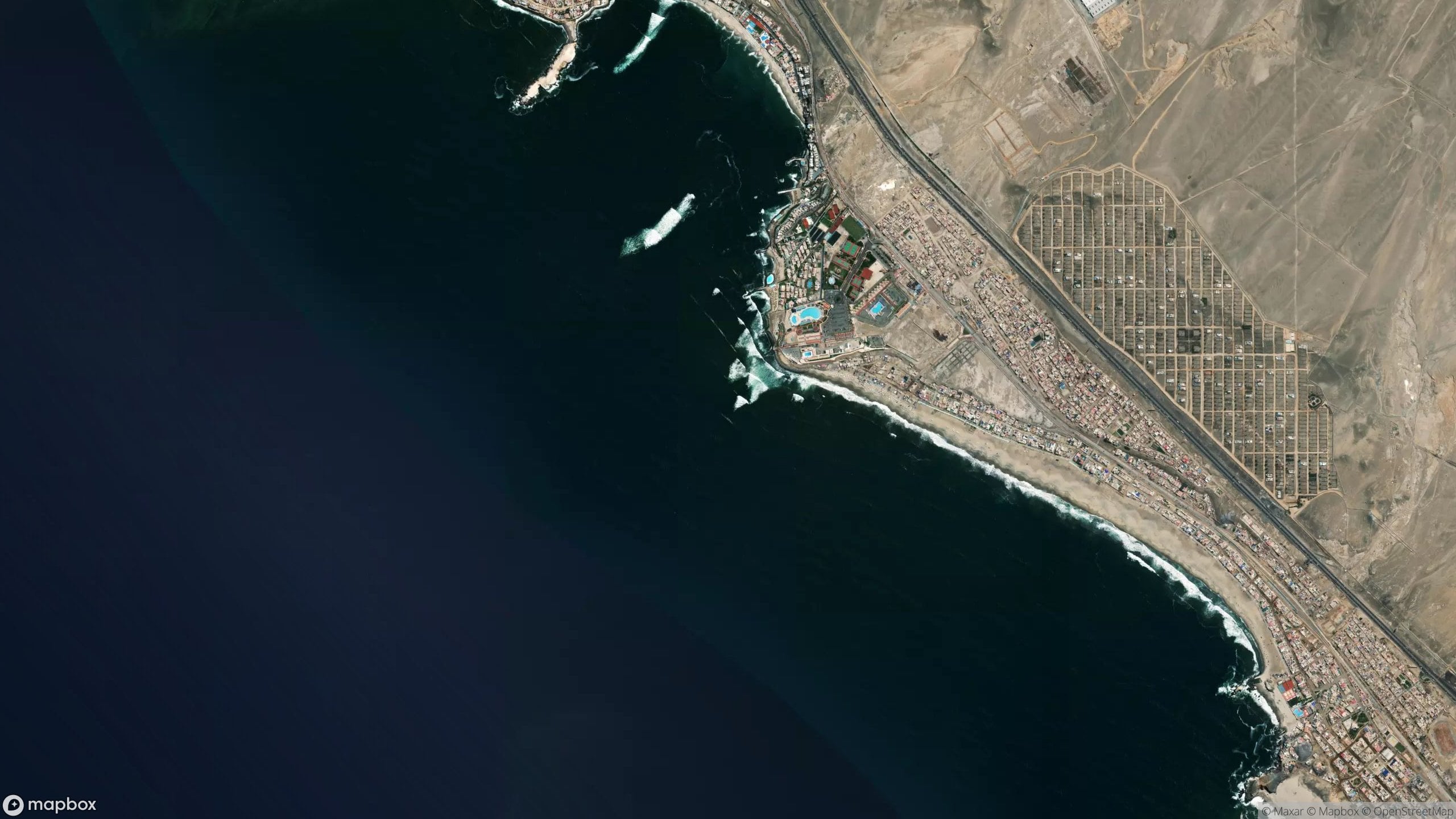
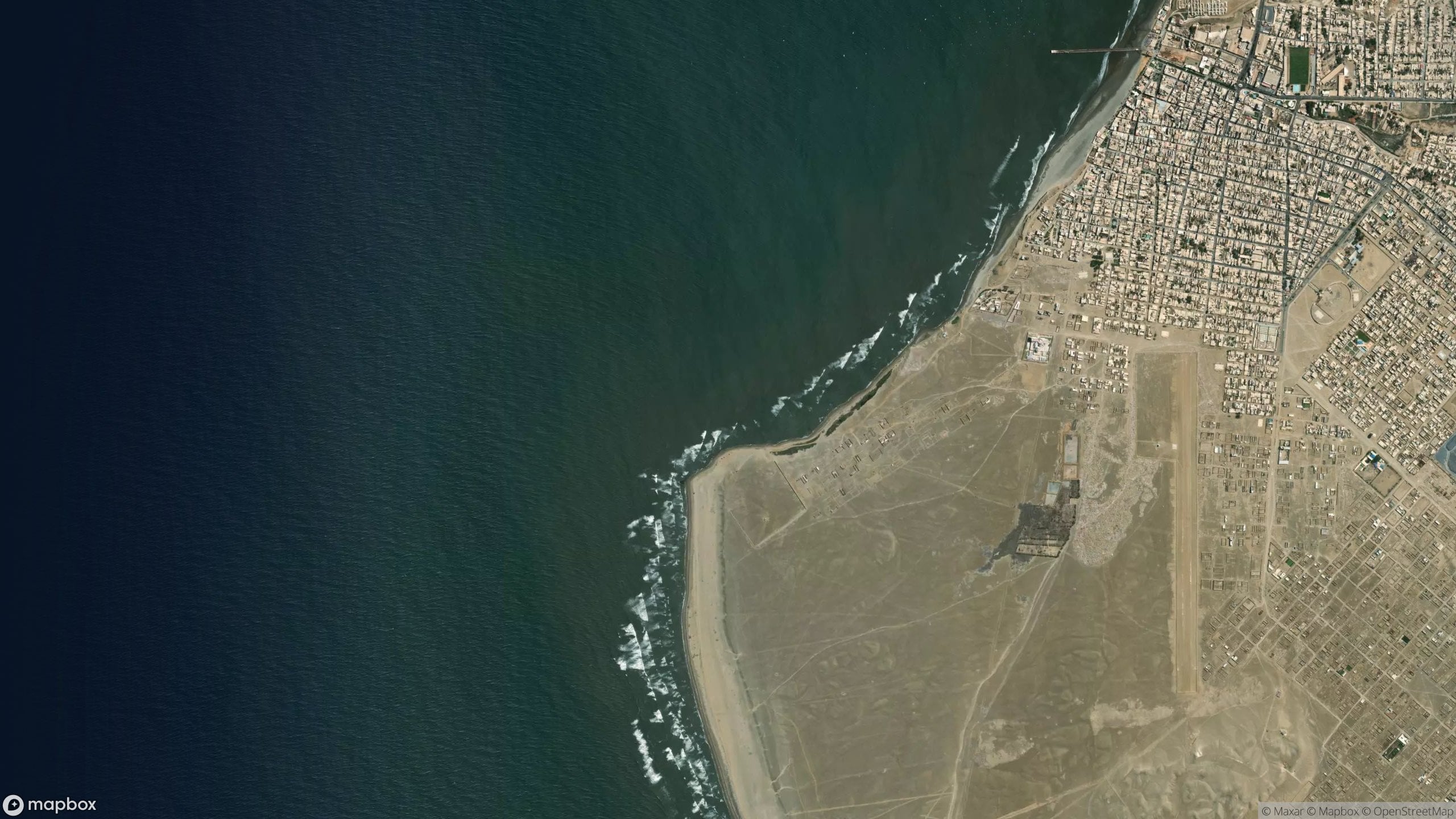
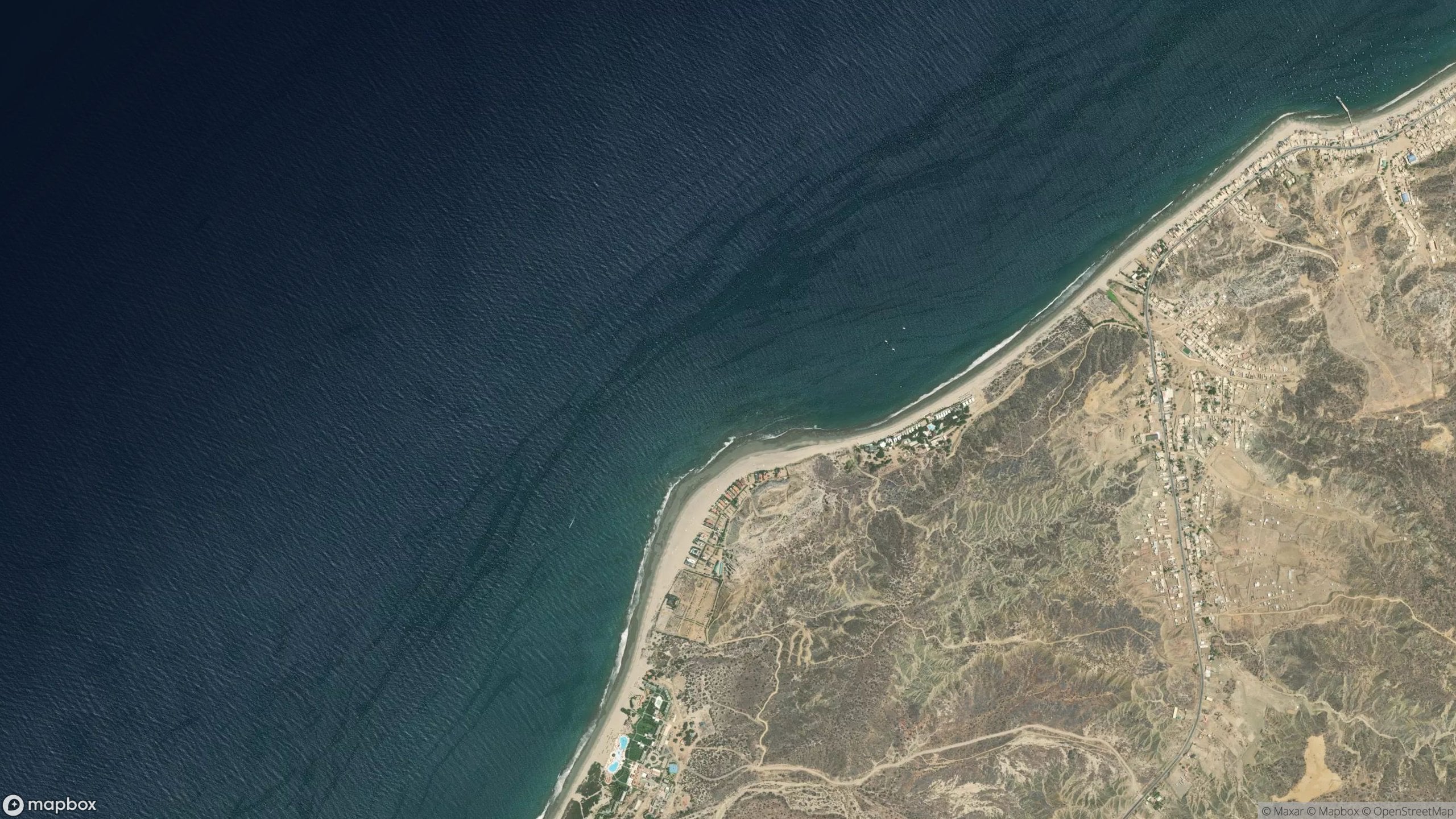
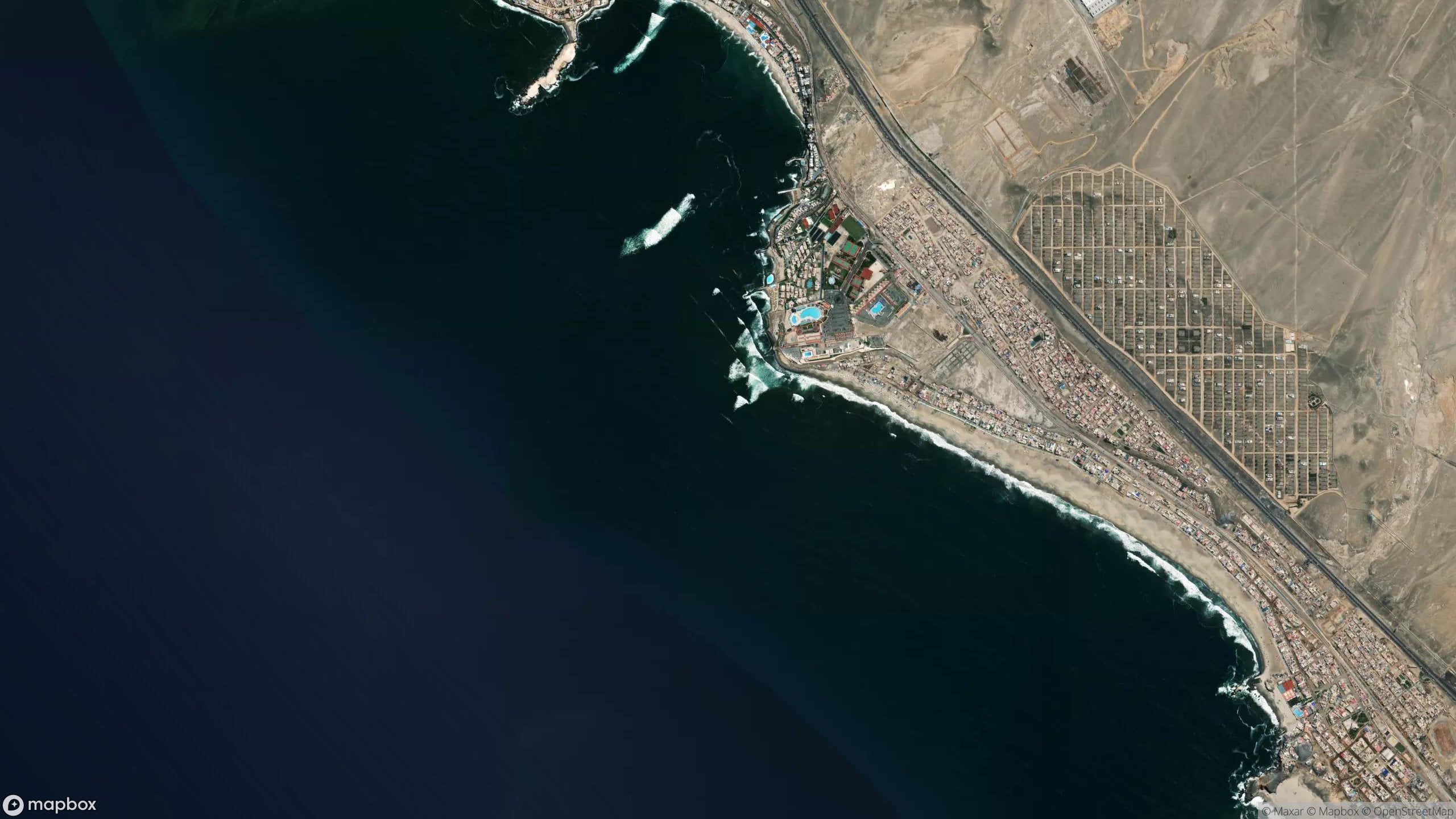
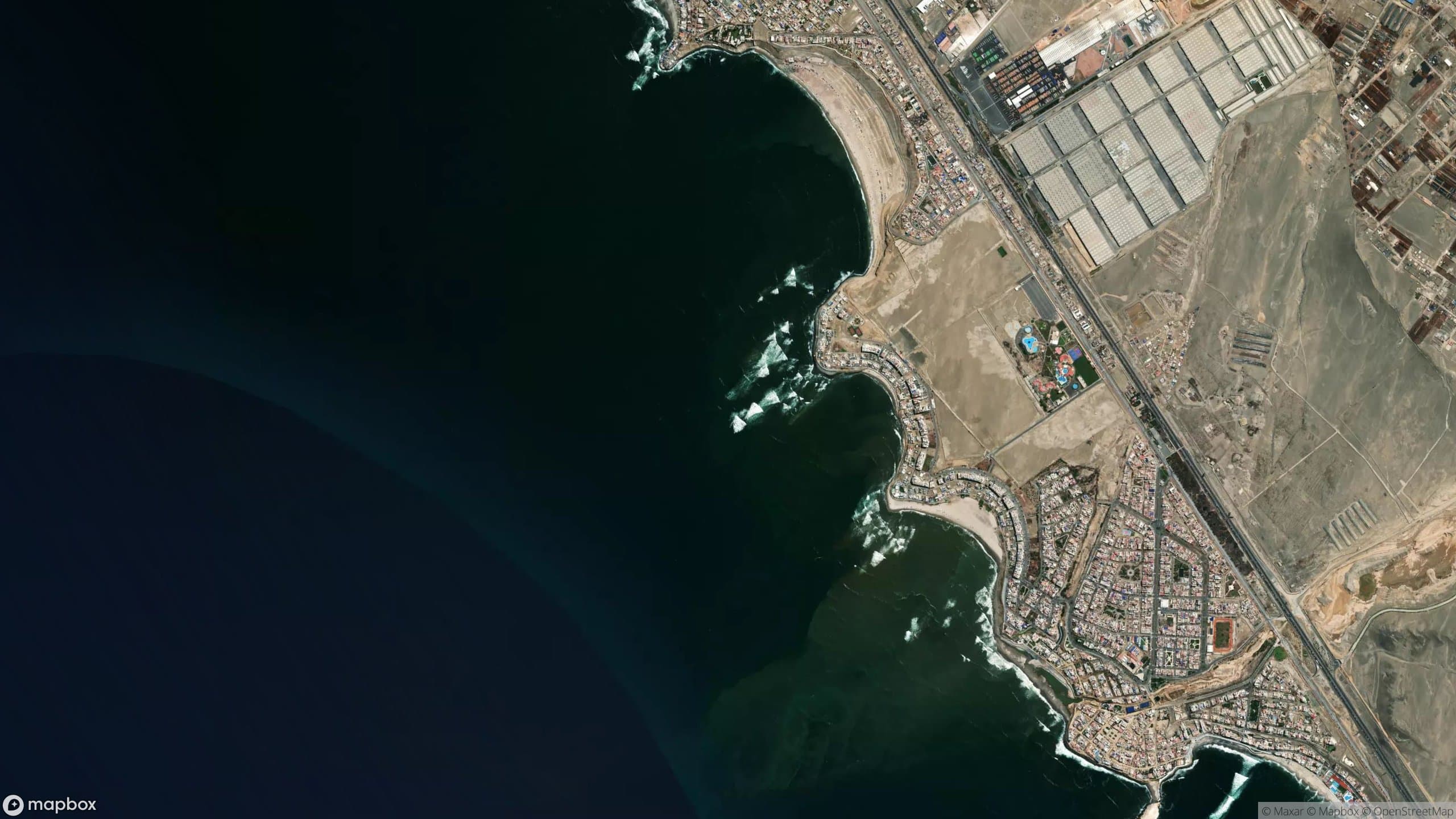
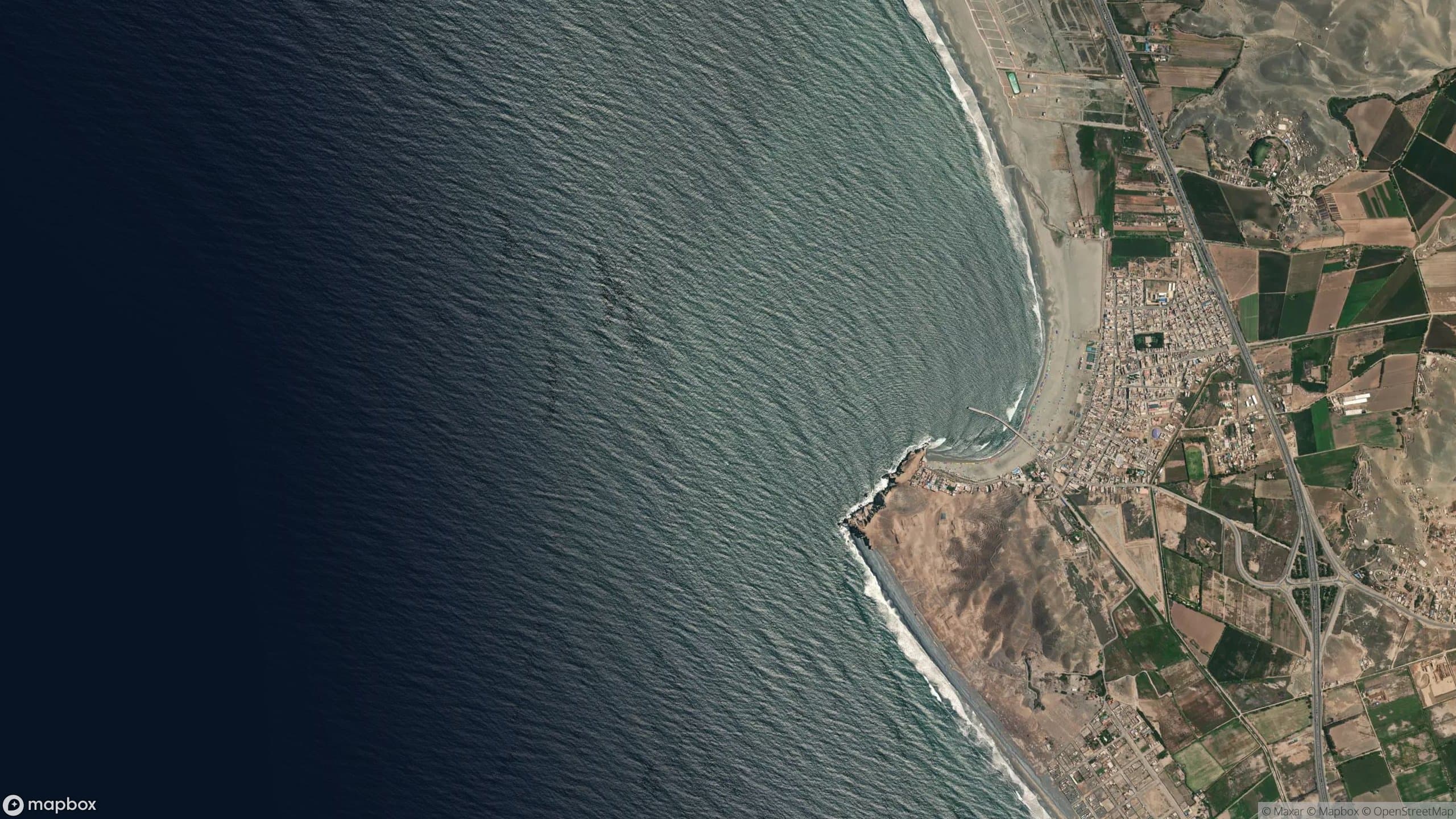
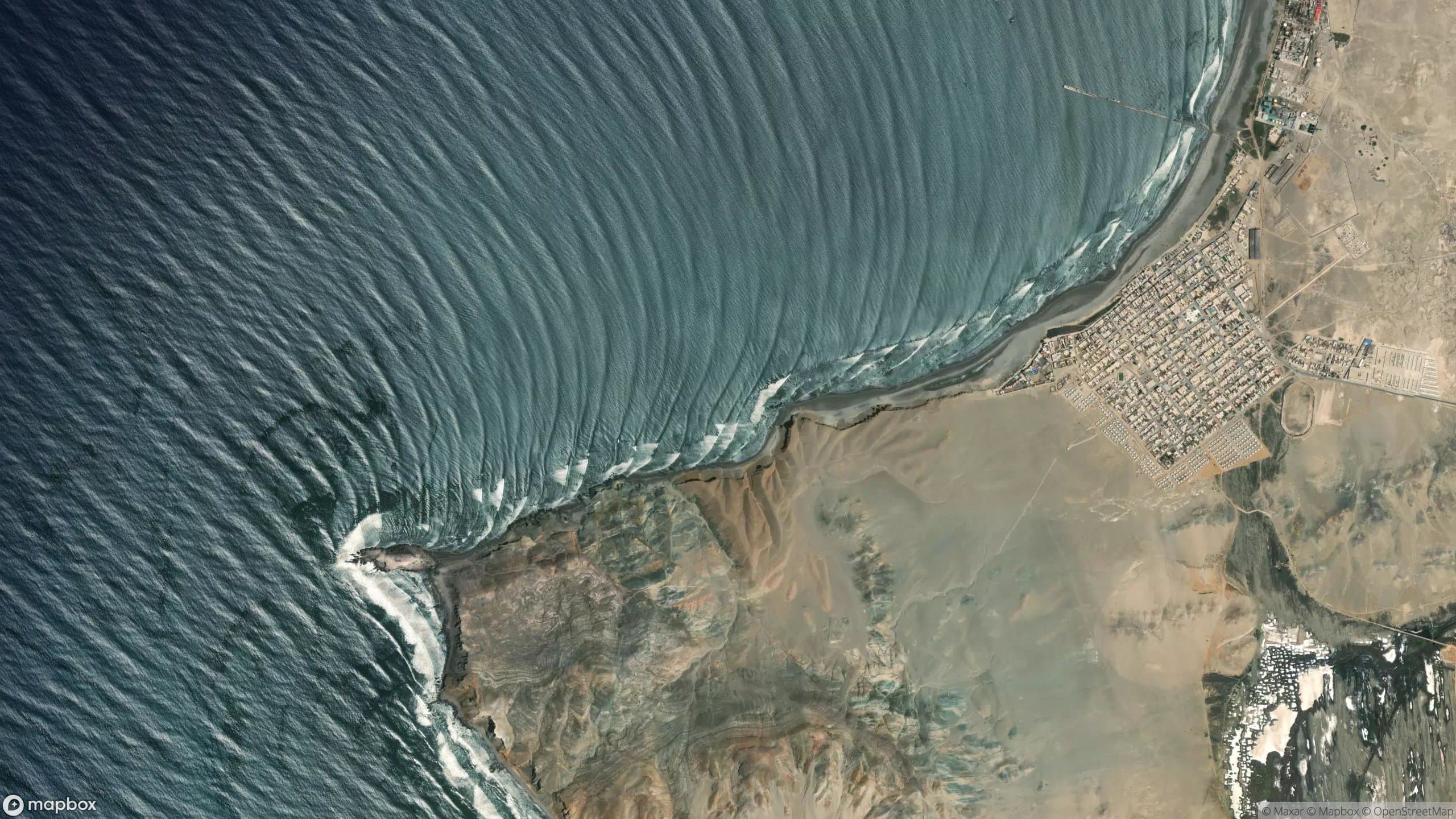
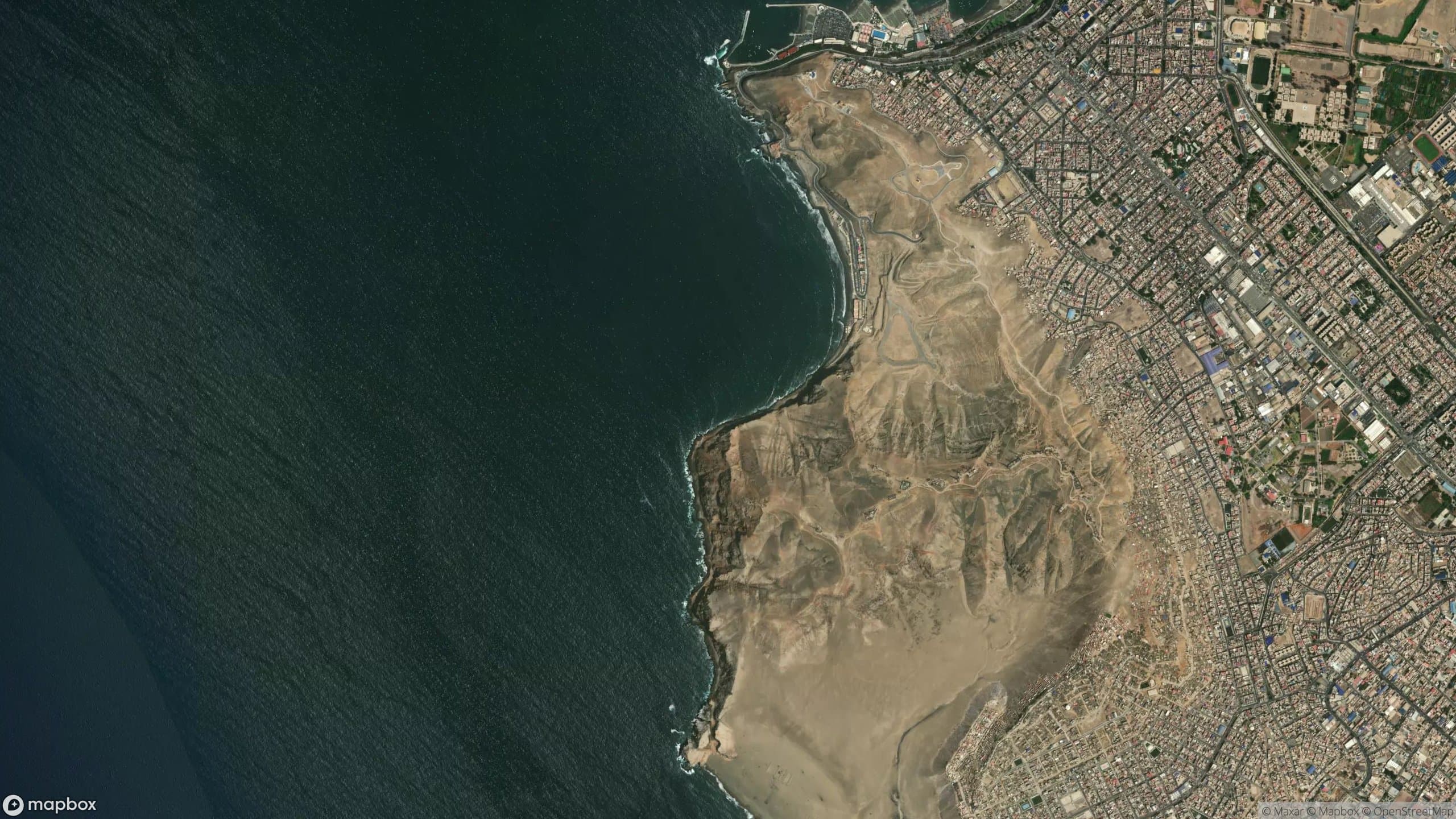
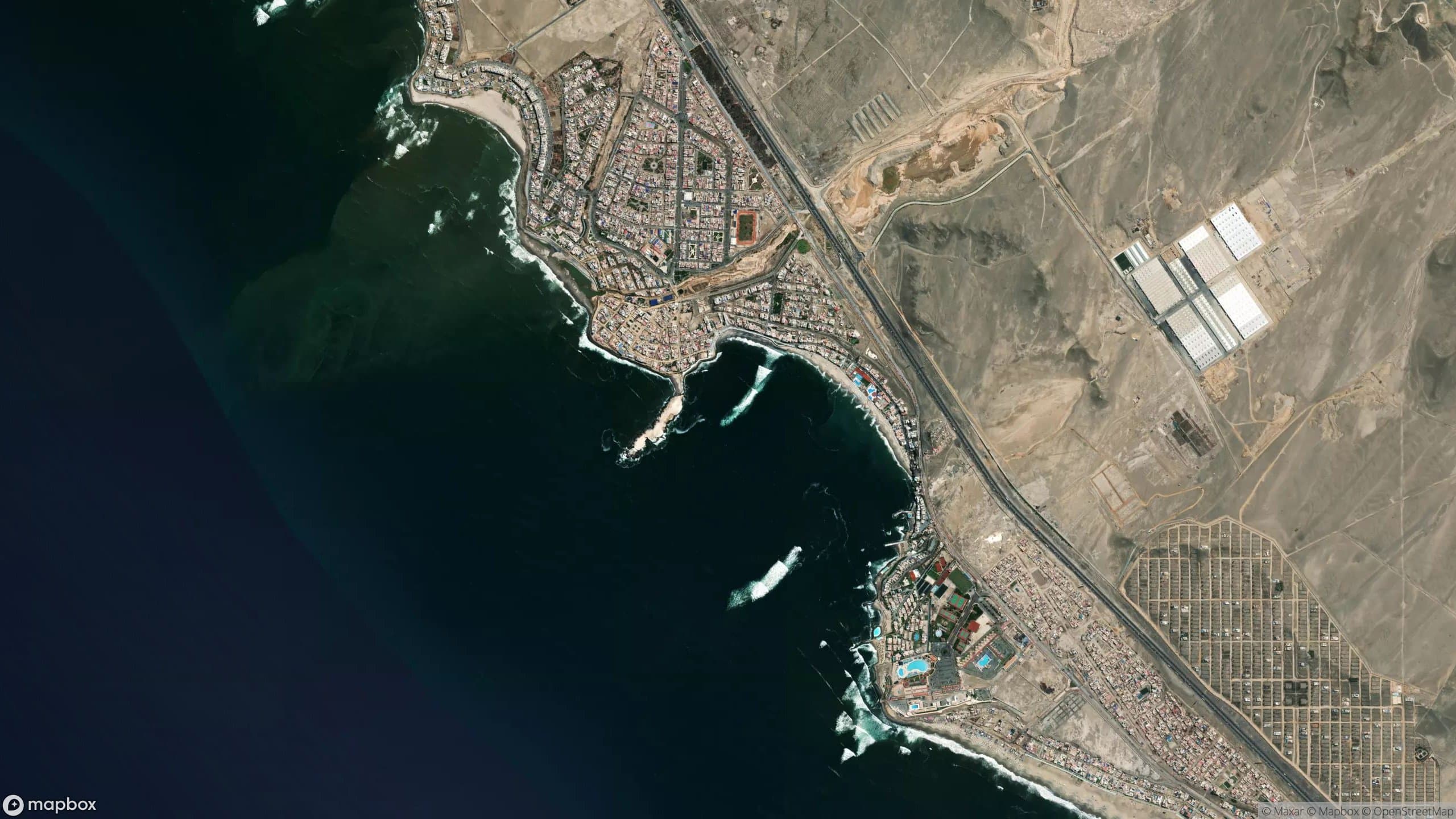
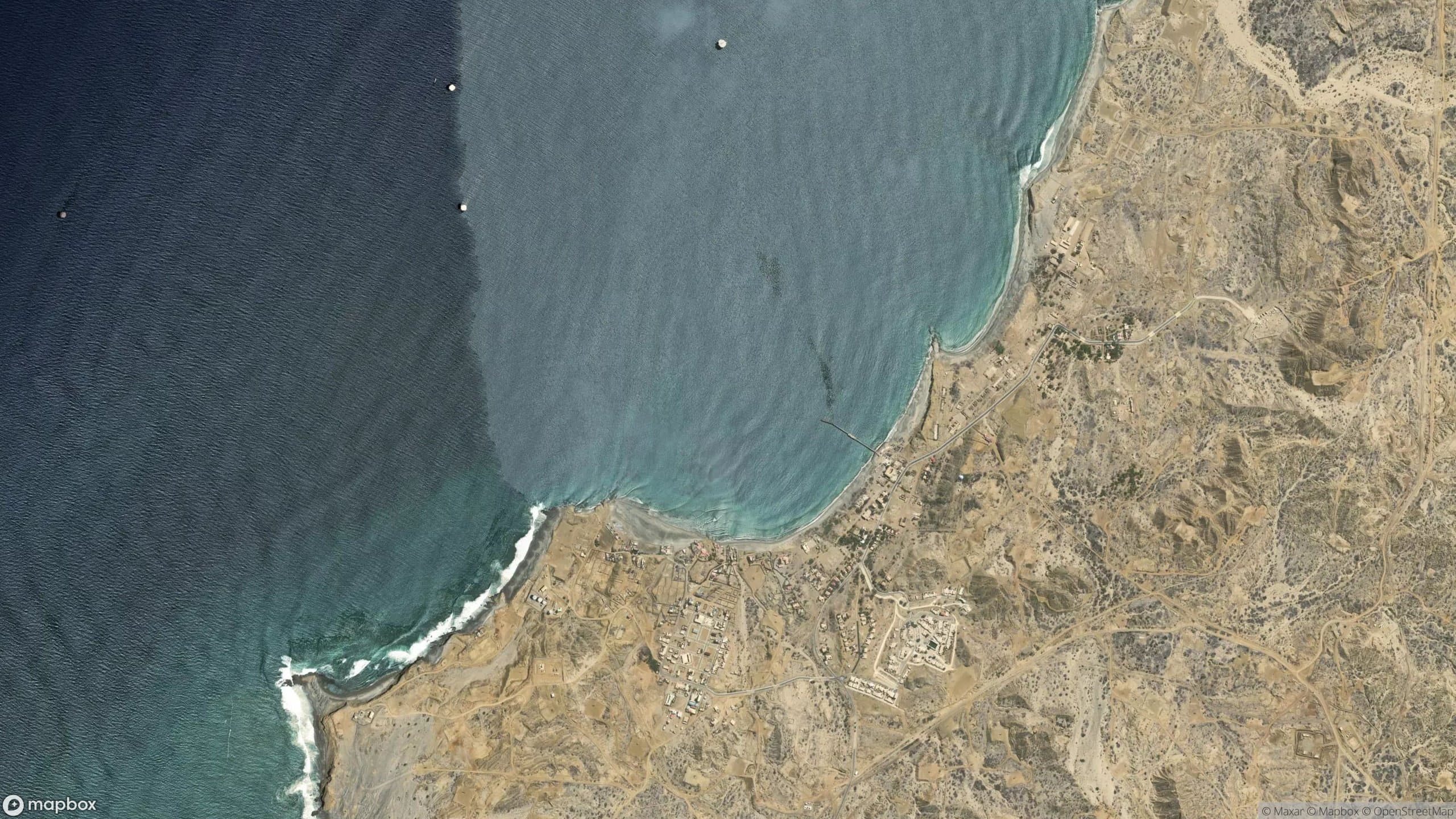
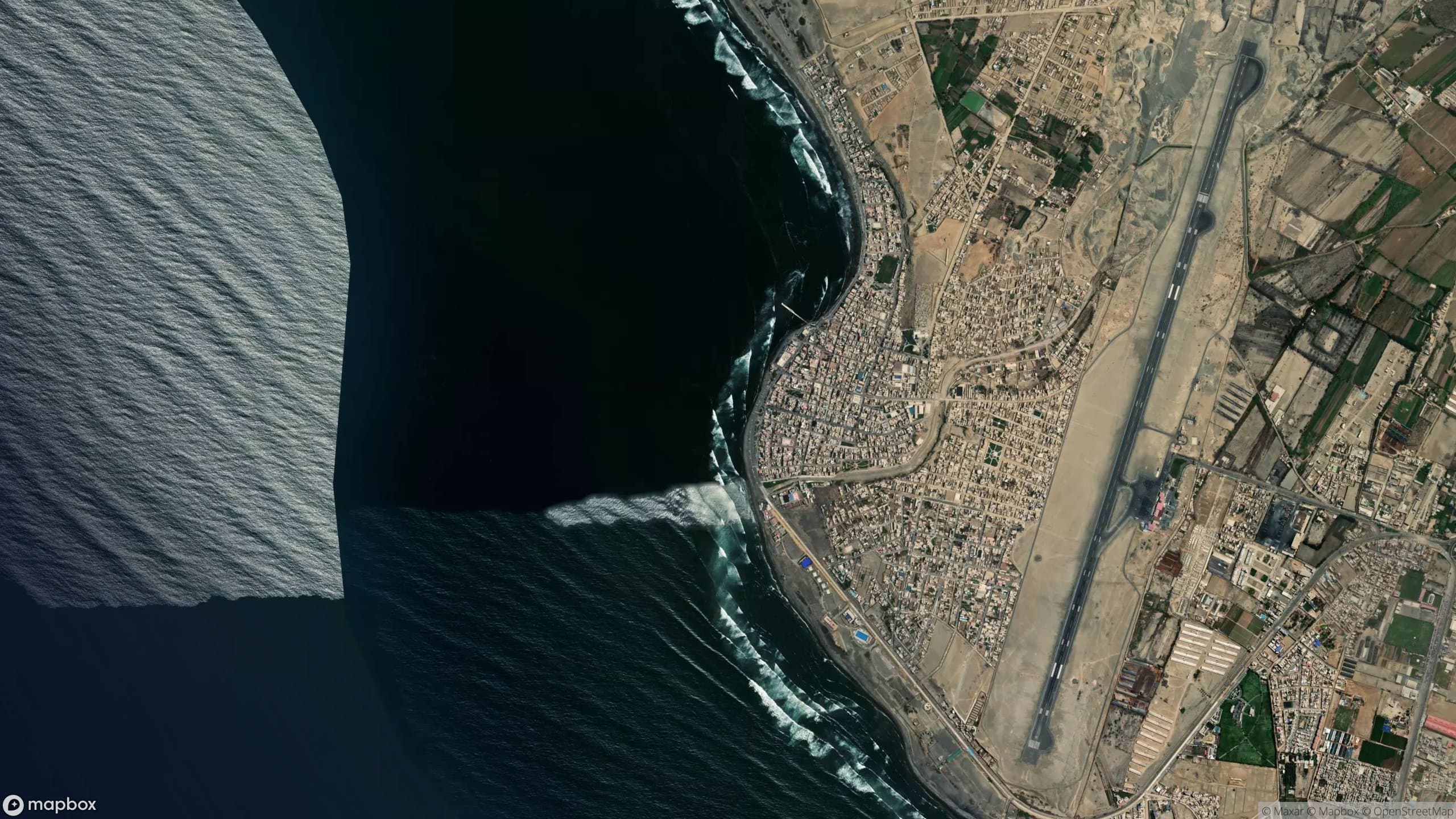
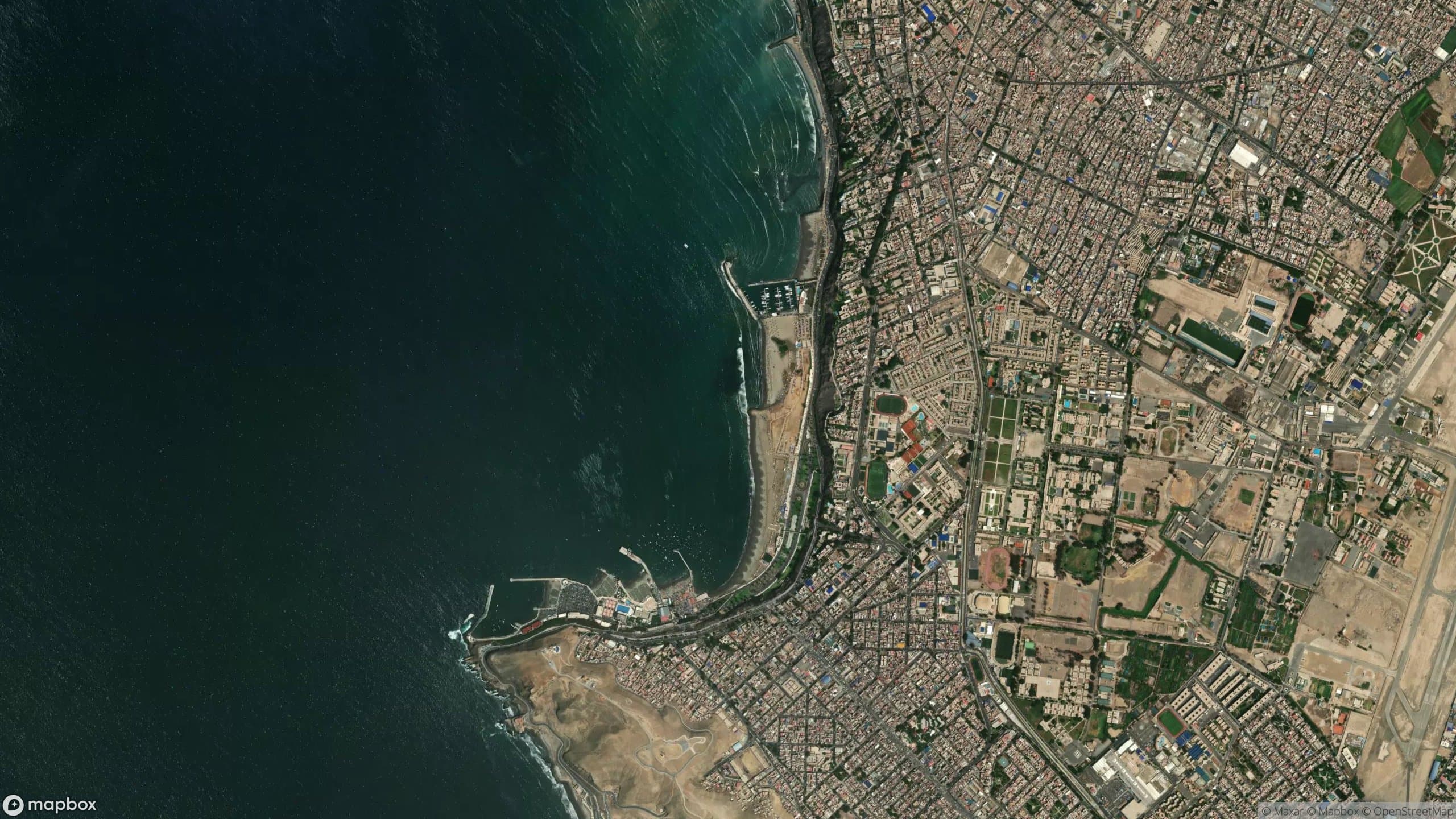
Chicama is the anchor of most Peru surf itineraries. Puerto Chicama, 85km north of Trujillo in La Libertad Region, is a small fishing town with surf hostels and camps directly on the point. On a solid swell, the wave connects from the outside section through Mochero, El Hombre, and Punto down to the final shorebreak: a continuous left wall over 2km long and the longest documented surf ride on earth. Base in Puerto Chicama itself or in the city of Trujillo (35-minute taxi) for more food and infrastructure options. Mancora sits 4 hours north of Trujillo on the far north coast, a beach town with a left-hand point break and reef and sand options for all levels. It is the warmest, most relaxed surf town in Peru and a natural bookend to a Chicama trip. Lima gives you Punta Hermosa within an hour's drive south: Pico Alto for big-wave days (handles 20ft faces on solid SW swell), Señoritas for intermediates, and Caballeros for advanced beachbreak. Cerro Azul, 2 hours south of Lima, is a reliable left-hand sand point favored by longboarders and improvers. Cabo Blanco, 3 hours north of Trujillo, is a legendary right-hand point historically fished by Ernest Hemingway and producing powerful reef waves for experienced surfers.
Logistics
Lima's Jorge Chavez International Airport (LIM) is the primary gateway. From Lima, domestic flights to Trujillo (1 hour, $50-120 USD) put you 35 minutes from Chicama. Cruz del Sur and Oltursa run comfortable long-haul buses from Lima to Trujillo (8-9 hours, $30-50 USD), with board bags allowed for an oversized item fee of $5-15 USD. From Trujillo, buses or shared taxis to Mancora take 4-5 hours along the Panamerican Norte highway. Within surf zones, moto-taxis (motorized tuk-tuks) cover short distances for $1-3 USD. Car rental is available in Lima for exploring multiple breaks down the coast and is worth it for a self-guided 14-day itinerary.
Money and connectivity
The Peruvian sol (PEN, S/) is the currency. Exchange at Lima Airport or authorized exchange offices (cambistas) in city centers for better rates than bank ATMs. USD is accepted at surf camps and some hostels but not in local markets and sodas. ATMs are readily available in Lima, Trujillo, and Mancora. In smaller towns like Puerto Chicama, carry sol and a day's budget in cash, as ATMs are limited. Claro and Movistar are the main mobile carriers. eSIM options work reliably across the north coast. Internet at surf hostels is standard, slower in fishing villages.
Visa and entry
US, UK, Australian, NZ, Canadian, and most EU citizens can enter Peru for up to 90 days without a visa. Passport must be valid at least 6 months beyond your intended departure. A tourist card (Tarjeta Andina de Migracion) is issued on arrival and must be retained until departure. Extensions to 183 days total are possible via immigration offices in Lima, Trujillo, or other major cities.
Health and safety
Hepatitis A and typhoid vaccinations are recommended. If combining surf with Cusco and Machu Picchu, plan for altitude acclimatization: Lima is at sea level, Cusco at 3,400m, and soroche (altitude sickness) affects most visitors initially. On the coast, water quality is generally good at established surf breaks. Drink bottled water only: tap water is not safe to drink anywhere in Peru. Lima and bus terminals have moderate petty theft risk. Do not walk with cameras or bags visible in central Lima markets or bus stations. The surf zones themselves (Chicama, Mancora, Punta Hermosa) are low-hassle for foreign surfers. Medical care is adequate in Lima and Trujillo. Bring comprehensive travel insurance covering surfing and water sports.
Food and culture
Peru has one of the best food cultures in South America, full stop. Ceviche at Lima cevicherias costs $5-8 USD a portion and rivals anything served in high-end restaurants globally. Lomo saltado (stir-fried beef, tomatoes, and fries) and tiradito (sashimi-style raw fish in aji amarillo sauce) are both worth ordering repeatedly. Surf zones have good local food at local prices. Mancora serves fresh tuna and mahi-mahi caught same-day at simple beachside restaurants for $4-8 USD a plate. Trujillo has a strong regional food culture including green tamales and caldo de cabeza. Tipping is not mandatory but 10% is appreciated in sit-down restaurants. Check whether cubierto (a table charge) is already included in the bill before adding more. Spanish is dominant on the coast. English is limited outside Lima and the main hotels.