



When to go
May through October is the surf season. SW groundswells from the Southern Ocean generate the consistent overhead-plus sets that Cloudbreak is famous for. June and July are typically the most consistent months, with swells arriving every 5-7 days and the SE trades holding clean conditions from dawn until early afternoon. August and September can see the largest, most powerful swells of the year when storm tracks push further north into the Tasman. April and November are transition months: lighter surf but far fewer surfers and cheaper camp rates. December through March is Fiji's cyclone season. Surf can come through on cyclone swells but persistent onshore winds and storm disruption are real risks. Most surfers skip this window. If flexibility allows, June through August is the window to book around.
Where in the country to base
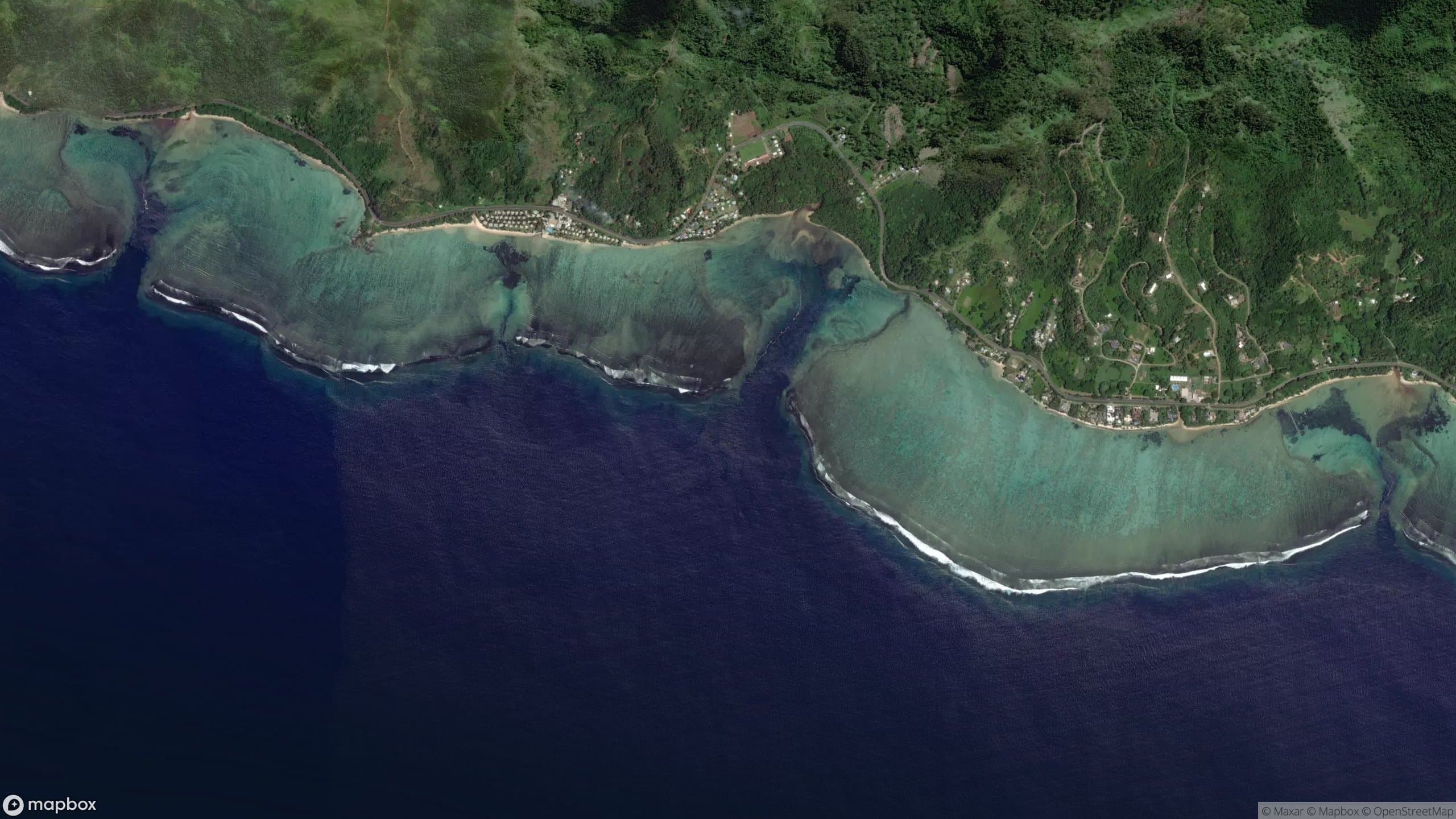
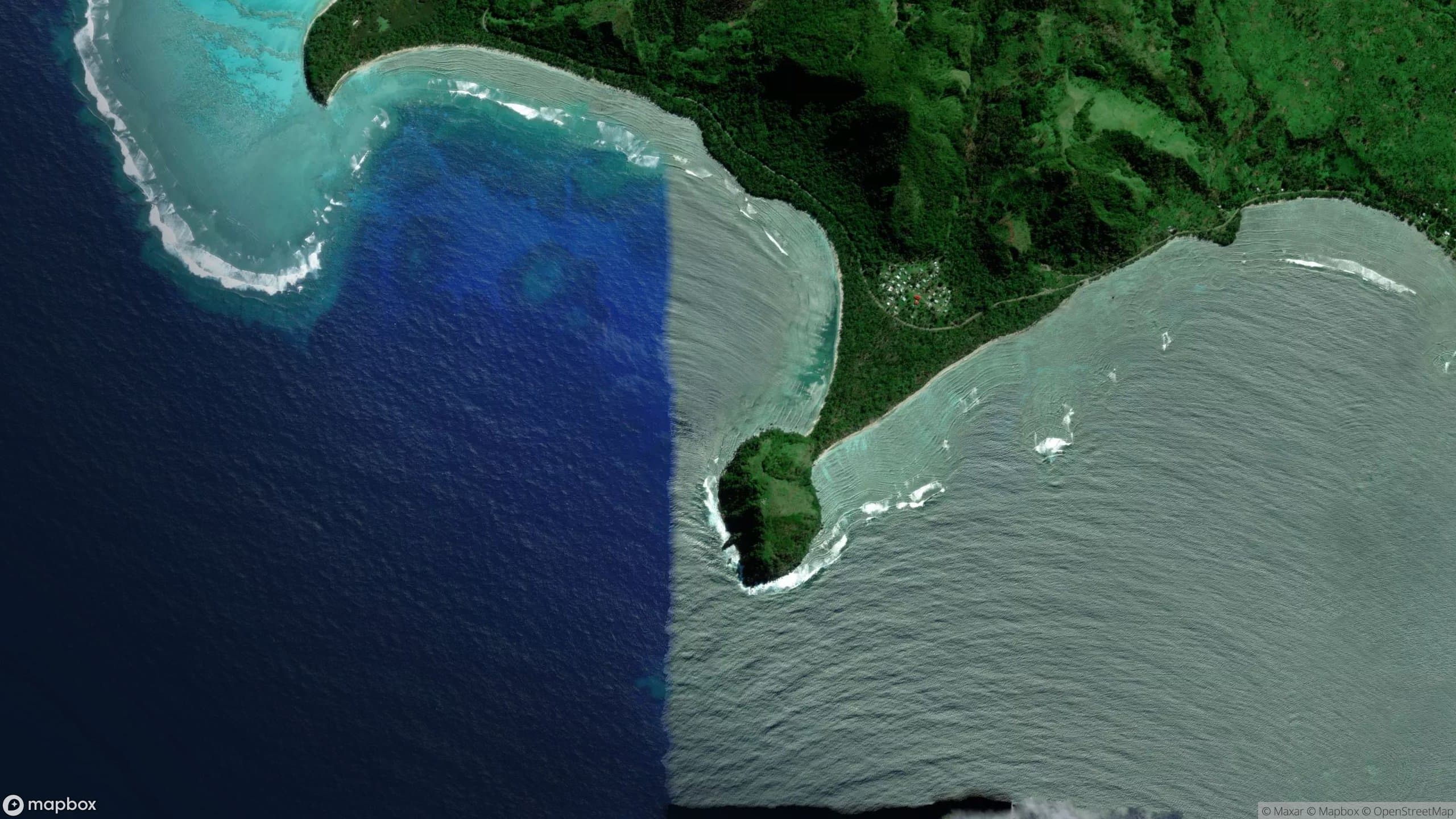
The Mamanuca reefs are the obvious anchor for a first Fiji trip. Tavarua Island Resort and Namotu Island Resort put you inside the surf zone, with Cloudbreak, Restaurants, and Swimming Pools breaking in front of camp. Guest numbers at island camps are capped, Tavarua runs 28-36 surfers at a time, which keeps lineups manageable even at peak season. Since the Fiji government opened Cloudbreak to the public in 2010, day-trip boats also run from Port Denarau Marina and Musket Cove for access without a camp booking. The Coral Coast is worth dedicating at least one day to Frigates Pass, a powerful left-hander that sits 90 minutes south of Nadi by speedboat and breaks with long, hollow walls that rival anything in the Mamanucas for quality. Charter boats operate from Nadi for the Frigates run. Budget travelers can base on the mainland near Nadi or Sigatoka and run day trips to both zones, though island camp packages give the most surf time.
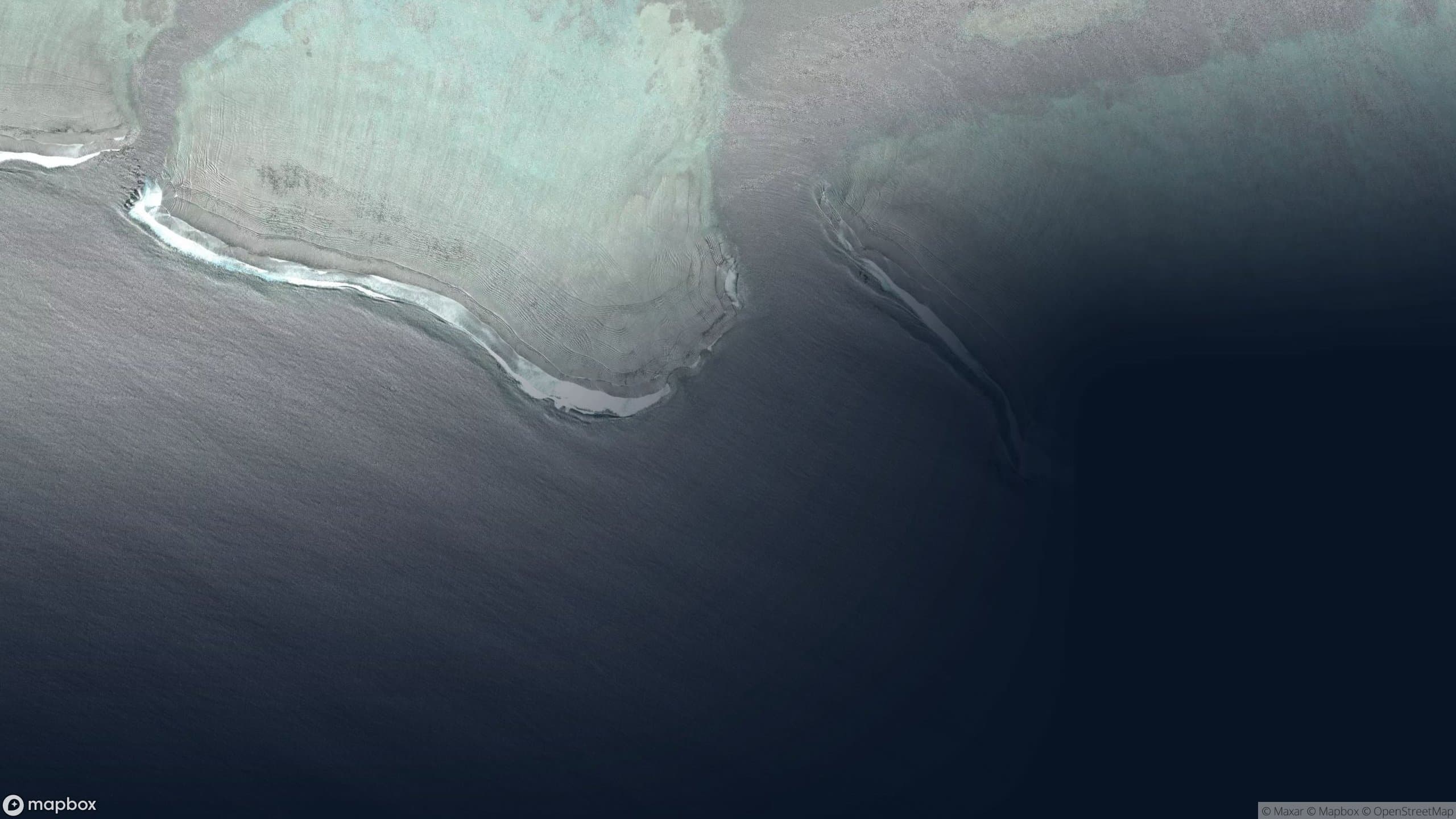
Restaurants sits adjacent to Cloudbreak and delivers a more forgiving wall than the main peak, making it the go-to for the day when Cloudbreak is too consequential. Swimming Pools, one reef further in, works best on 3-5ft SW swell and is the most accessible of the Mamanuca cluster for surfers who are not yet comfortable on overhead reef passes.
Logistics
Nadi International Airport (NAN) handles direct flights from Sydney, Auckland, Los Angeles, and Singapore, making it one of the most straightforward Pacific surf destinations to reach. Most island camps run their own transfer boats from Port Denarau Marina, a 30-minute taxi from Nadi Airport. Mamanuca island-to-island connections use small speedboats or water taxis. Getting to Frigates and the Coral Coast requires a 1.5-hour drive south from Nadi or a 2-hour coastal bus to Sigatoka, then a charter boat. Accommodations range from island camp packages (all-inclusive, $350-600 USD per night) to budget mainland hostels ($30-50 USD) with day-trip charter access.
Money and connectivity
The Fijian dollar (FJ$) is the local currency. Exchange at Nadi Airport or major banks in Nadi and Suva. Island resorts are all-inclusive so cash needs are low once you are checked in. Budget FJ$20-40 in cash for market meals and transport on the mainland. Credit cards are accepted at resorts and larger Nadi hotels, less reliable in smaller towns. Digicel Fiji and Vodafone Fiji are the two carriers. A local SIM at Nadi Airport costs under $10 USD and covers the main islands. Internet at island camps ranges from slow to adequate, stronger at mainland hotels.
Visa and entry
US, UK, Australian, NZ, Canadian, and EU passport holders receive a visitor permit on arrival at no charge. The initial permit is granted for up to 4 months. No pre-travel visa application is required. Your passport must be valid for at least 6 months beyond your departure date and a return or onward ticket is required at the border.
Health and safety
No vaccinations are specifically required for Fiji. Hepatitis A, typhoid, and an updated tetanus shot are sensible choices before departure. Water on the main islands (Viti Levu, Vanua Levu) is generally safe to drink, but use bottled water in rural areas and on outer islands. Sun exposure at tropical latitudes is intense. Reef cuts are common at shallow spots like Cloudbreak on low tide. Clean reef cuts immediately with iodine and watch for infection in the humidity. Cyclone risk runs December through March and can affect travel plans at short notice. The overall crime rate is low relative to regional neighbors.
Food and culture
Kokoda, the Fijian ceviche made with raw fish cured in coconut cream and citrus, is worth ordering at any beachside restaurant or local market. Roti is everywhere and cheap, a legacy of the Indian-Fijian community that makes up 38% of the population and has contributed seriously to the food culture. Nadi has curry houses that rival anything in the Pacific region and cost a fraction of resort meal prices. Camp kitchens at island resorts serve large, solid portions designed for surfers who have been paddling since 7am. Fijian culture is warm and formal around traditional kava ceremonies in villages. If invited to participate, accept the cup with both hands, clap once before drinking, and clap three times after. Tipping is not expected but always appreciated at resorts and for boat crew who run the surf transfers.

