When to go
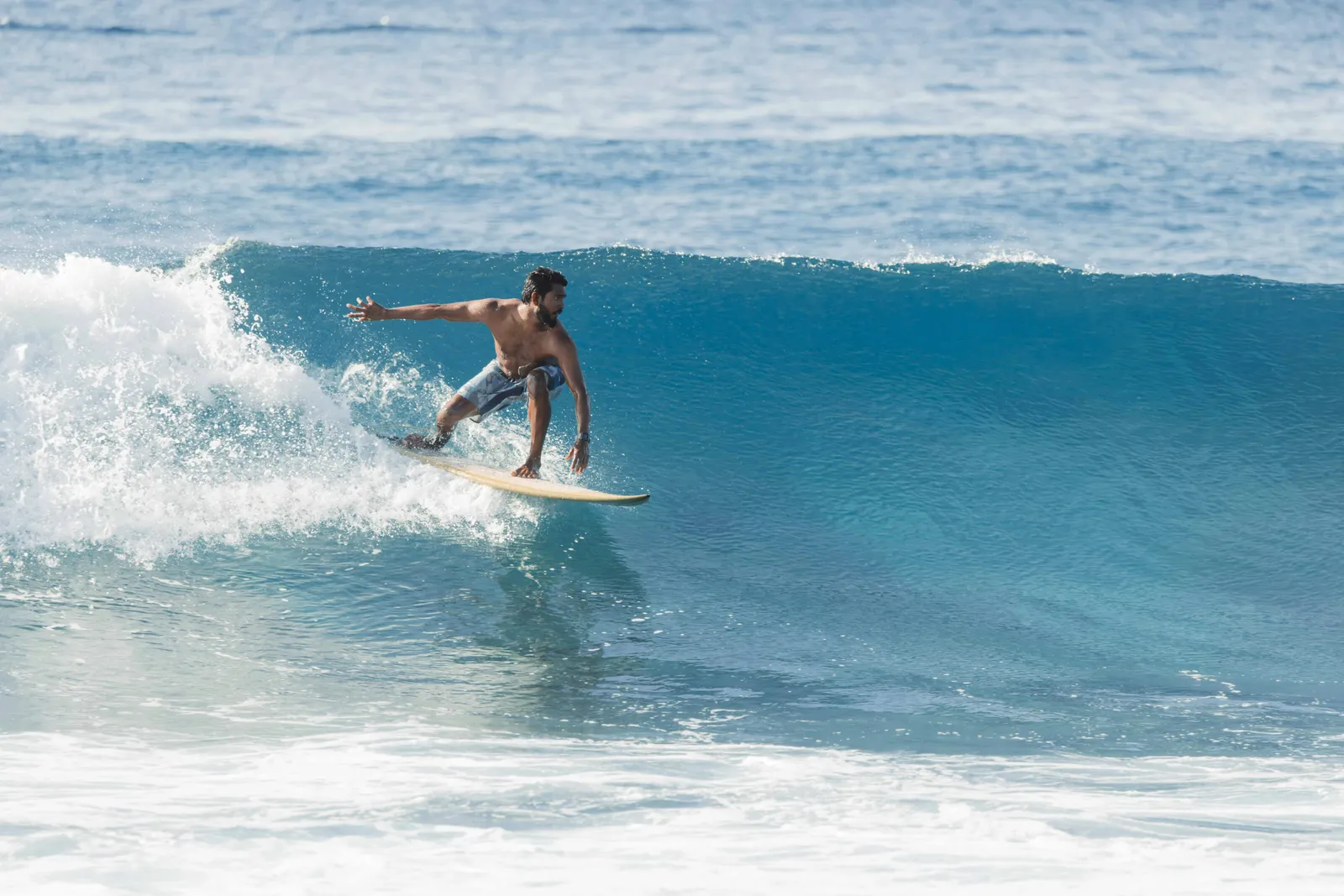
April through October is the surf window, driven by the Southwest monsoon pushing Indian Ocean groundswells toward the eastern faces of the atolls. May, June, and July are peak: consistent surf arrives every 4-7 days and the swell reaches overhead to double-overhead at premier breaks like Pasta Point and Sultans. August and September see the largest swells of the year and the South Atolls light up. April and October are shoulder months, lighter but far cheaper and less crowded. November through March is the northeast monsoon: flat most weeks with occasional sideswipe from a distant system. If surf is your primary reason for visiting, stick to May through September. The Huvadhoo Atoll in the deep south picks up swell for an extended period and can fire in October and even April when the North Male breaks are just waking up.
Where in the country to base
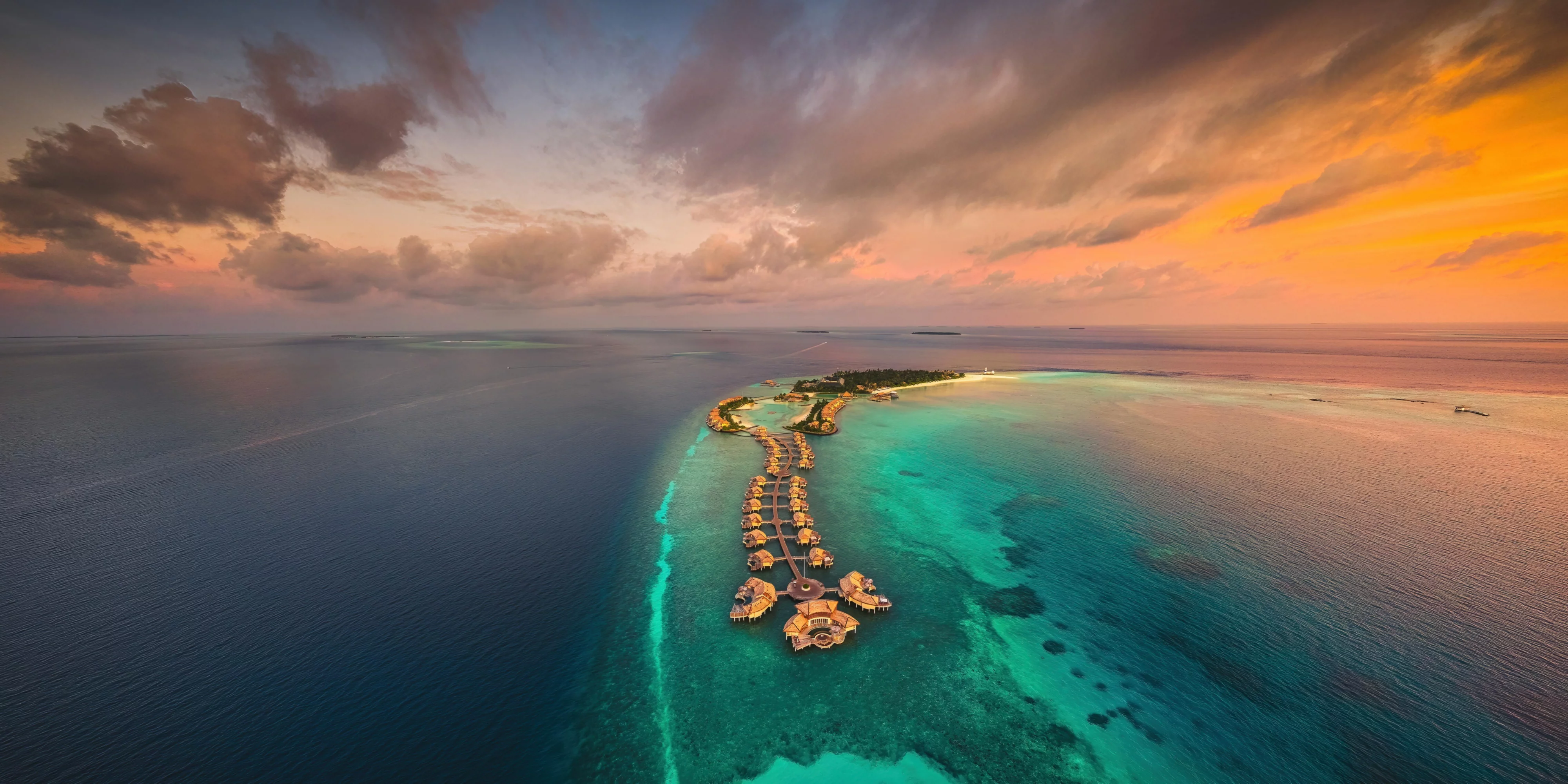
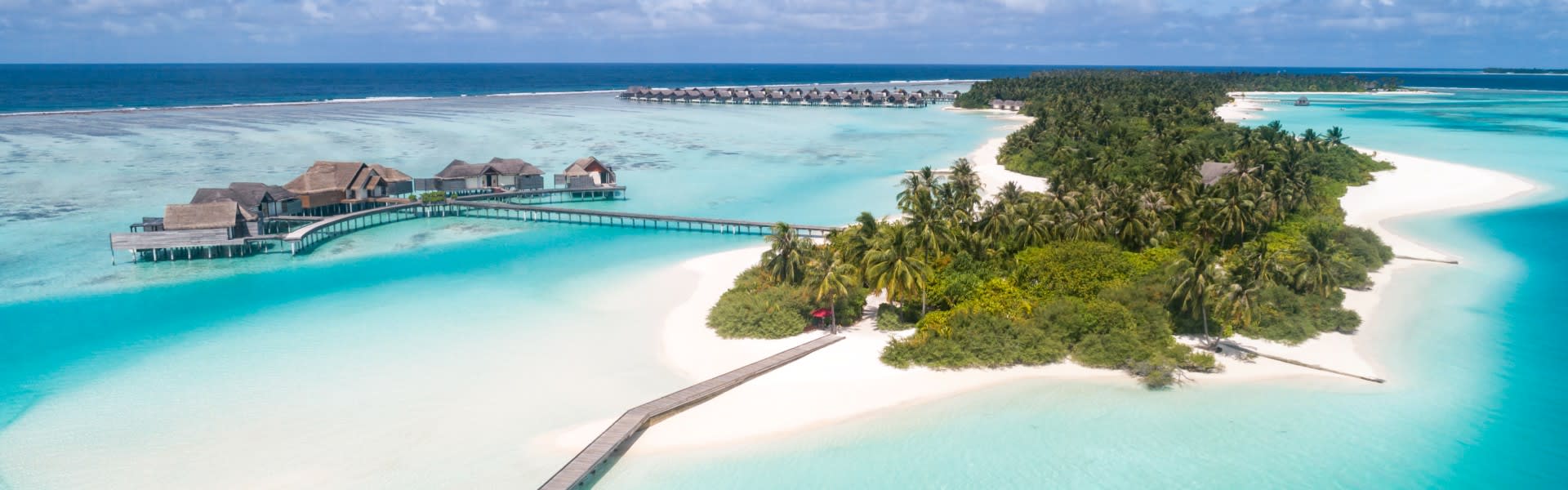
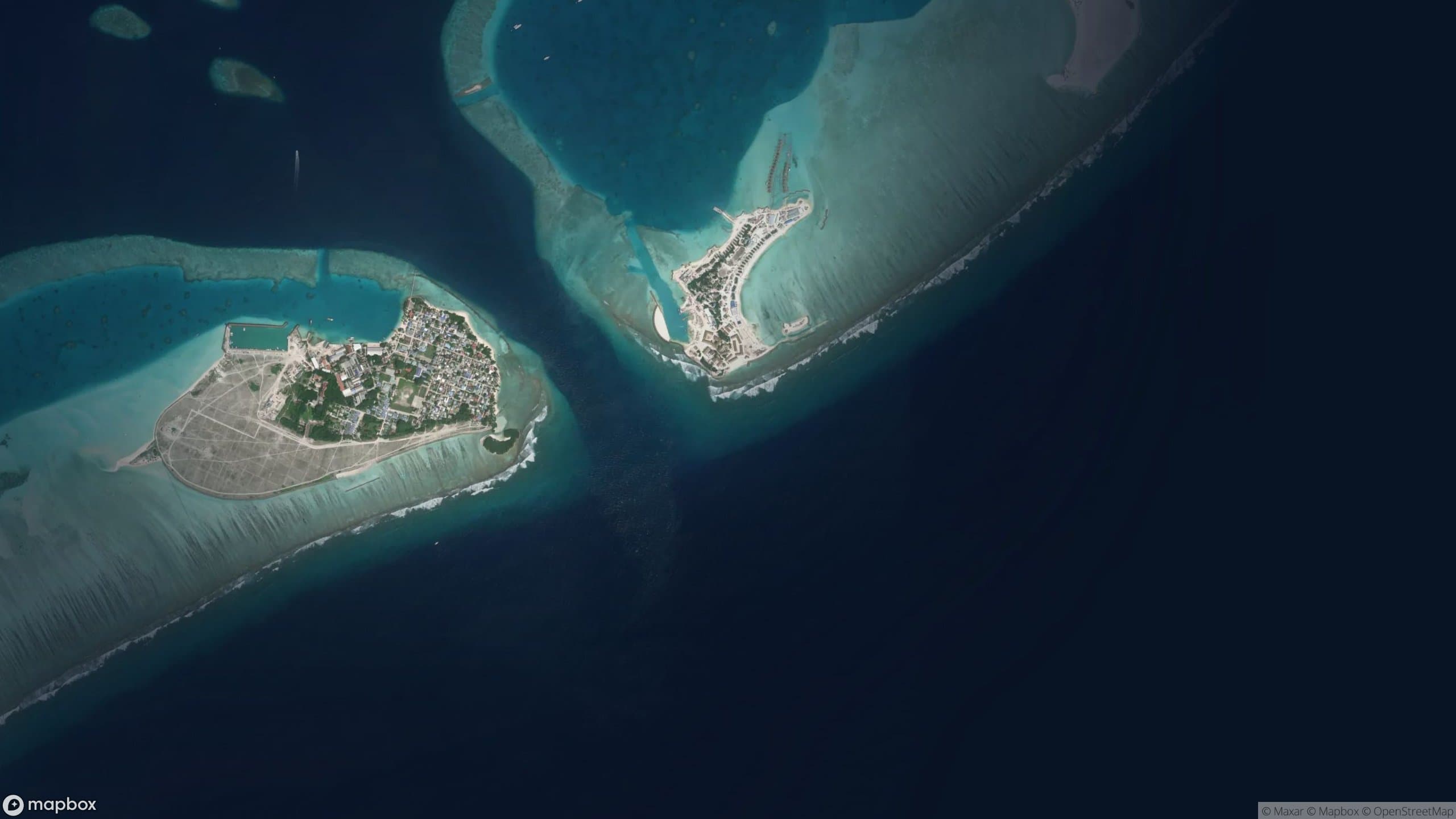
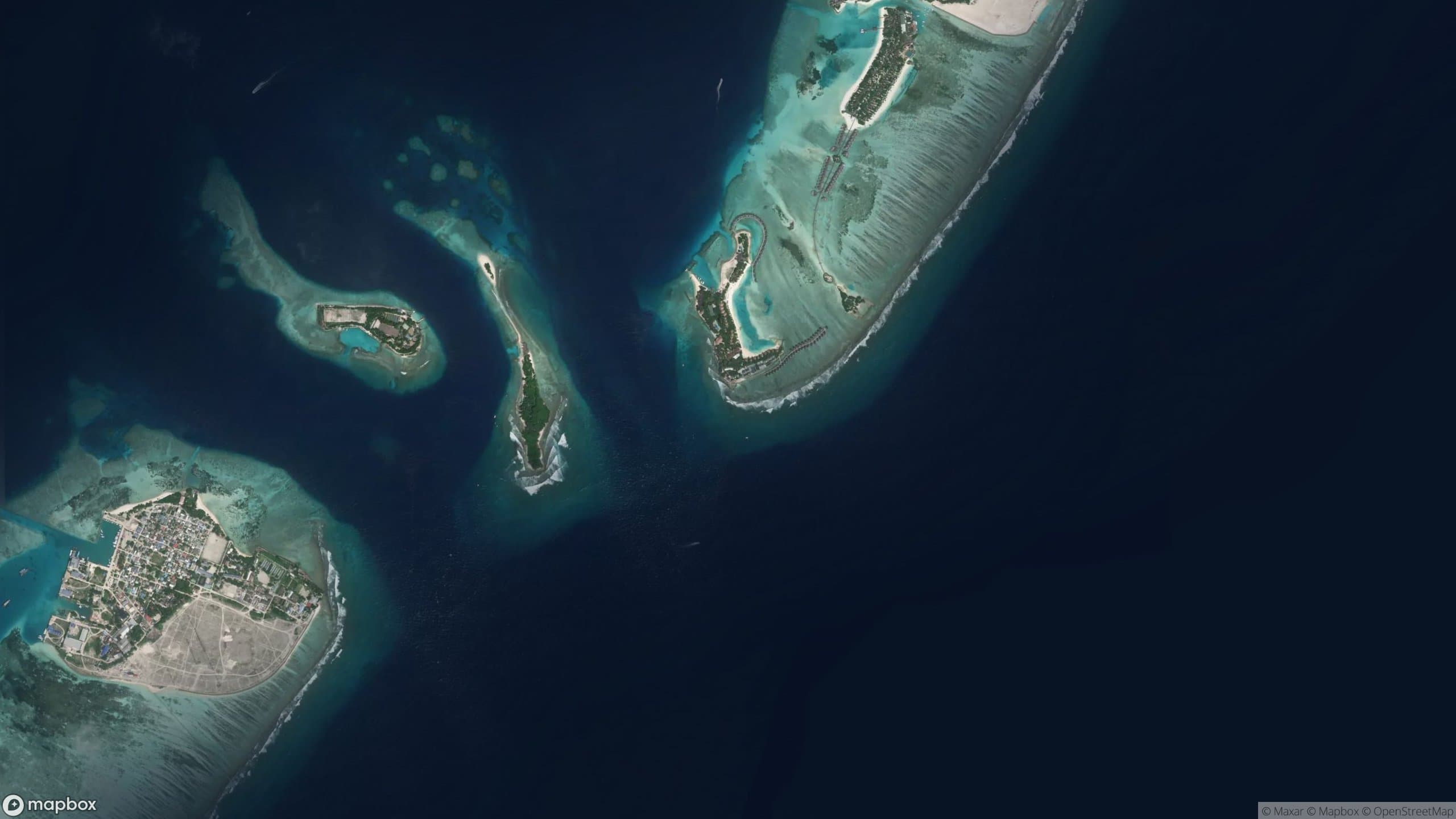
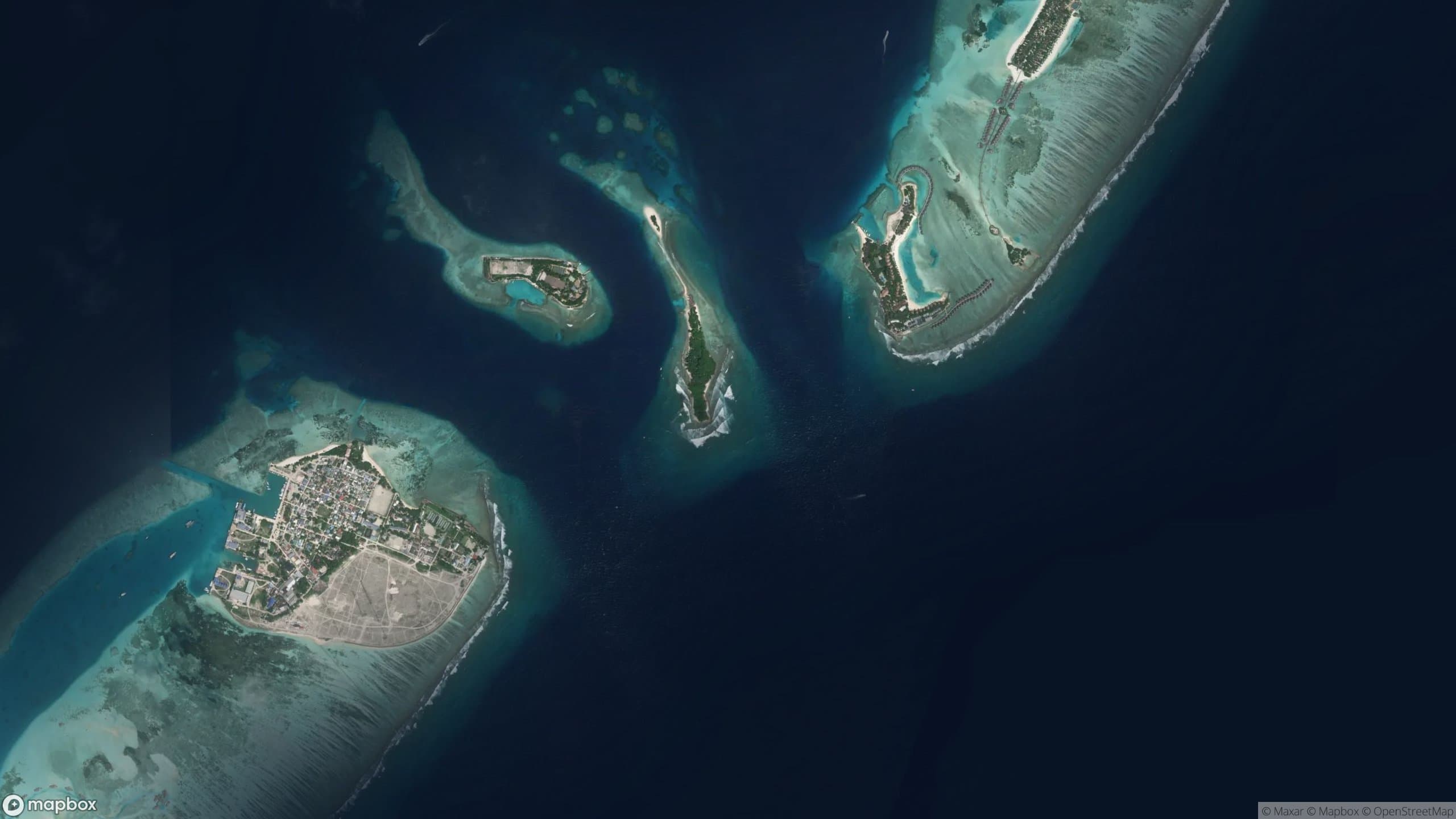
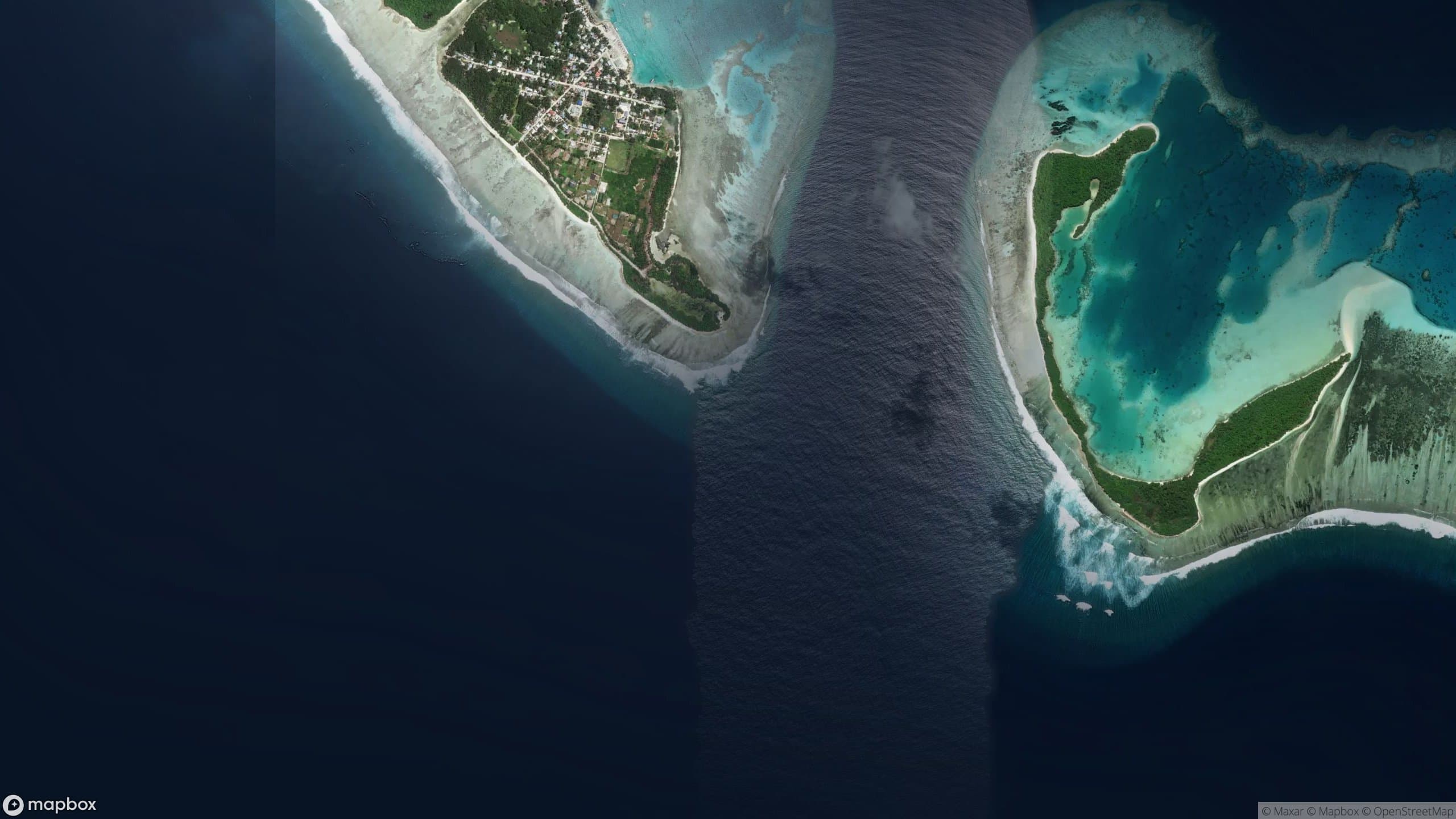
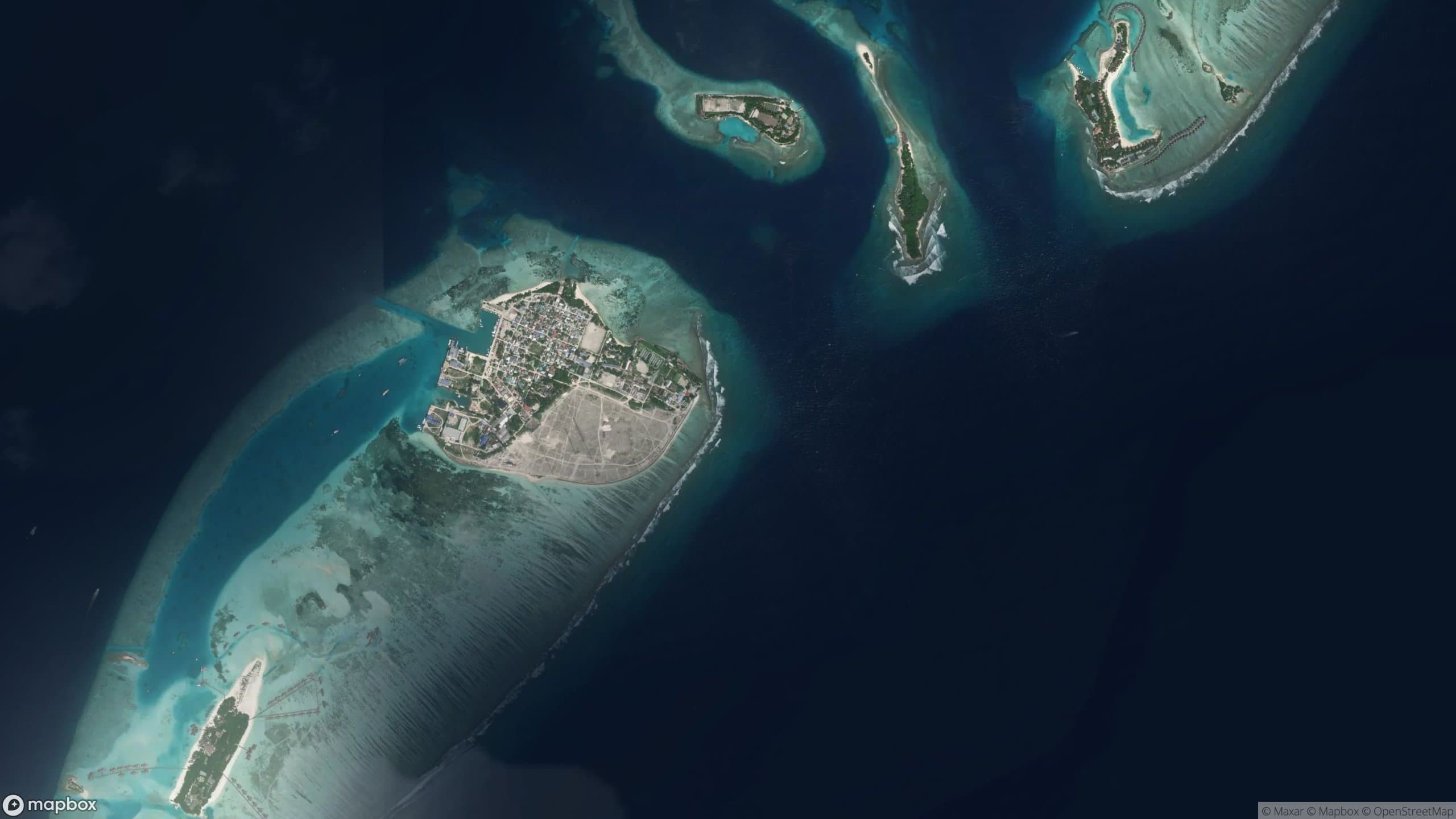
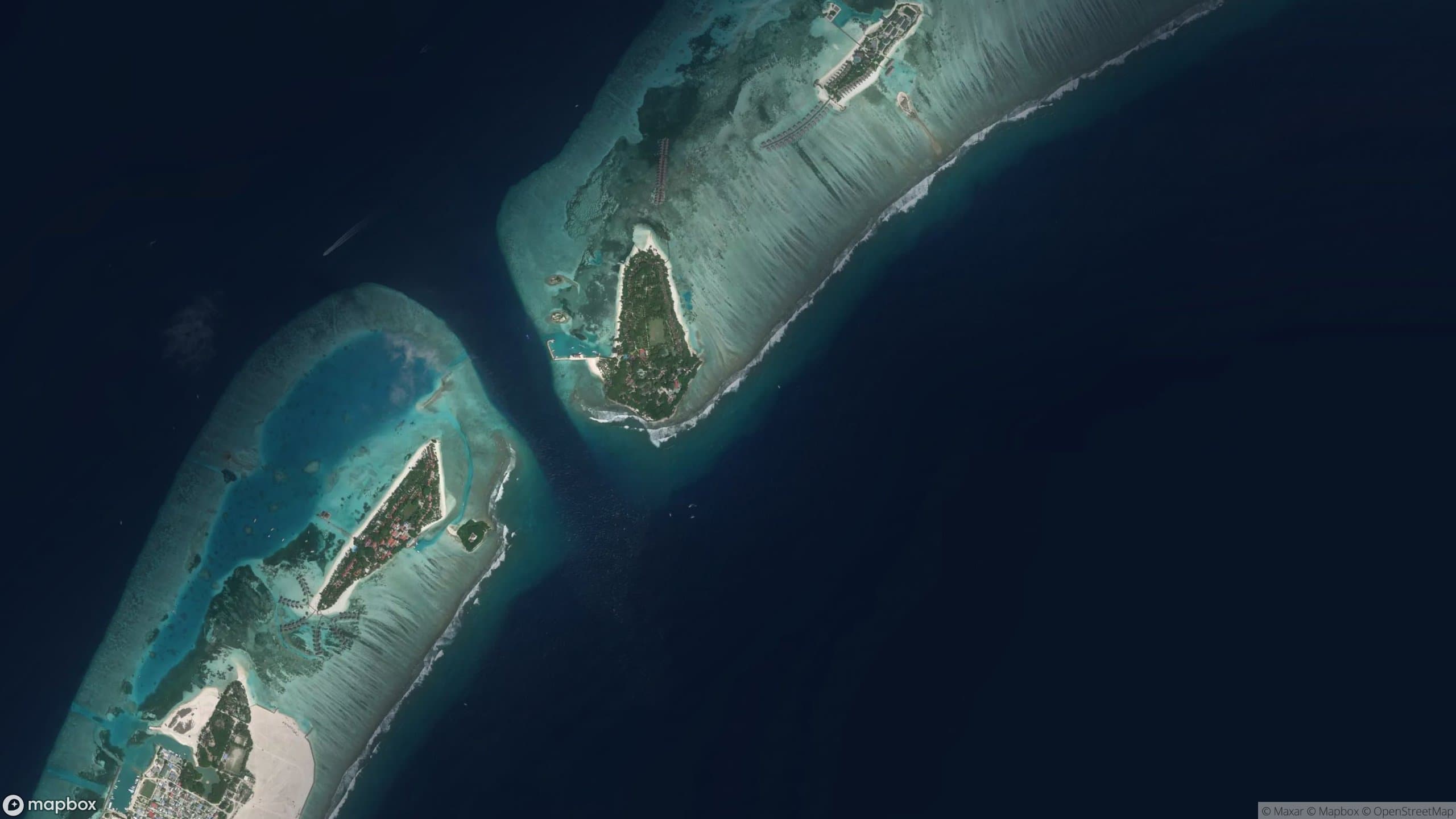
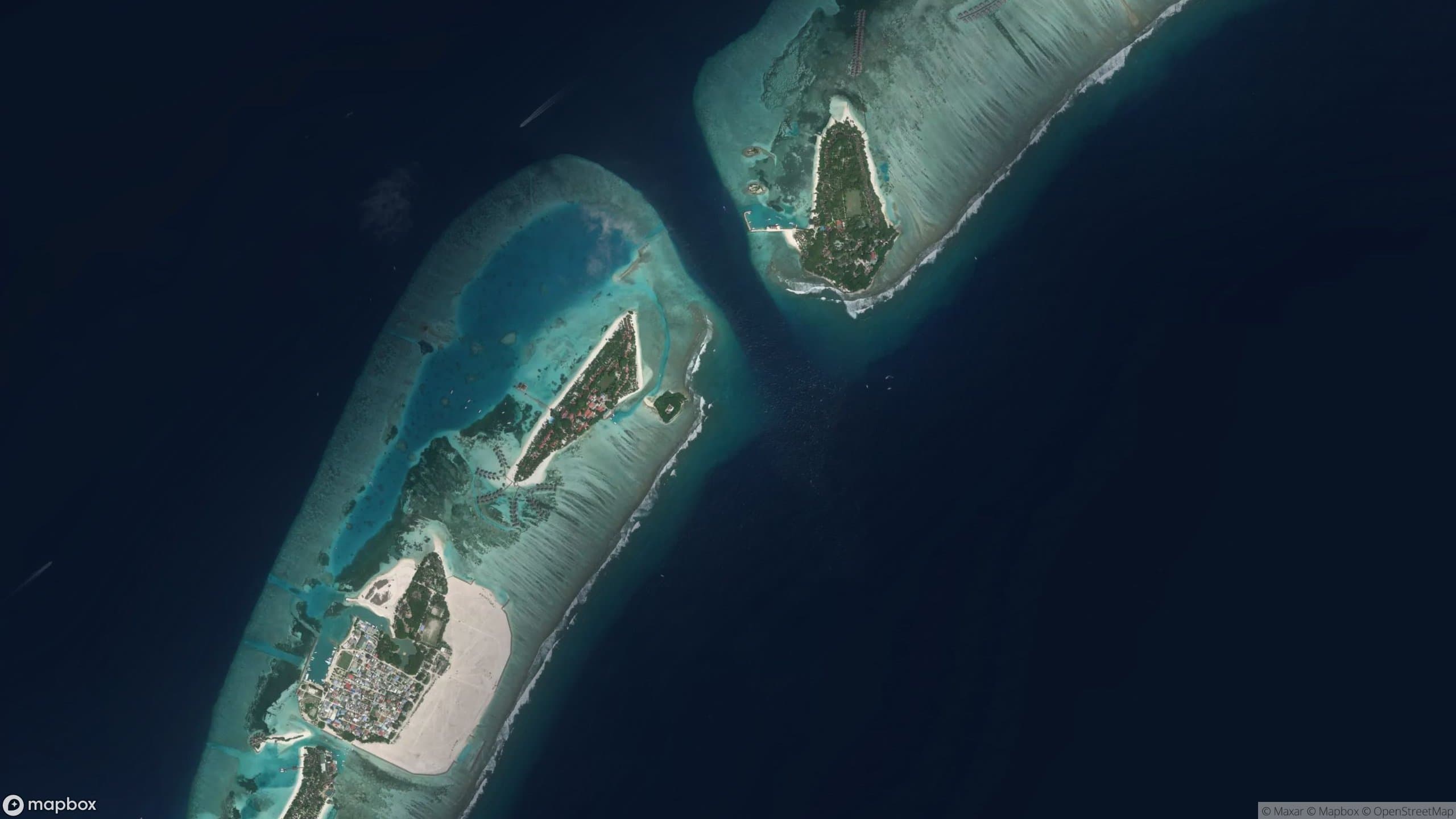
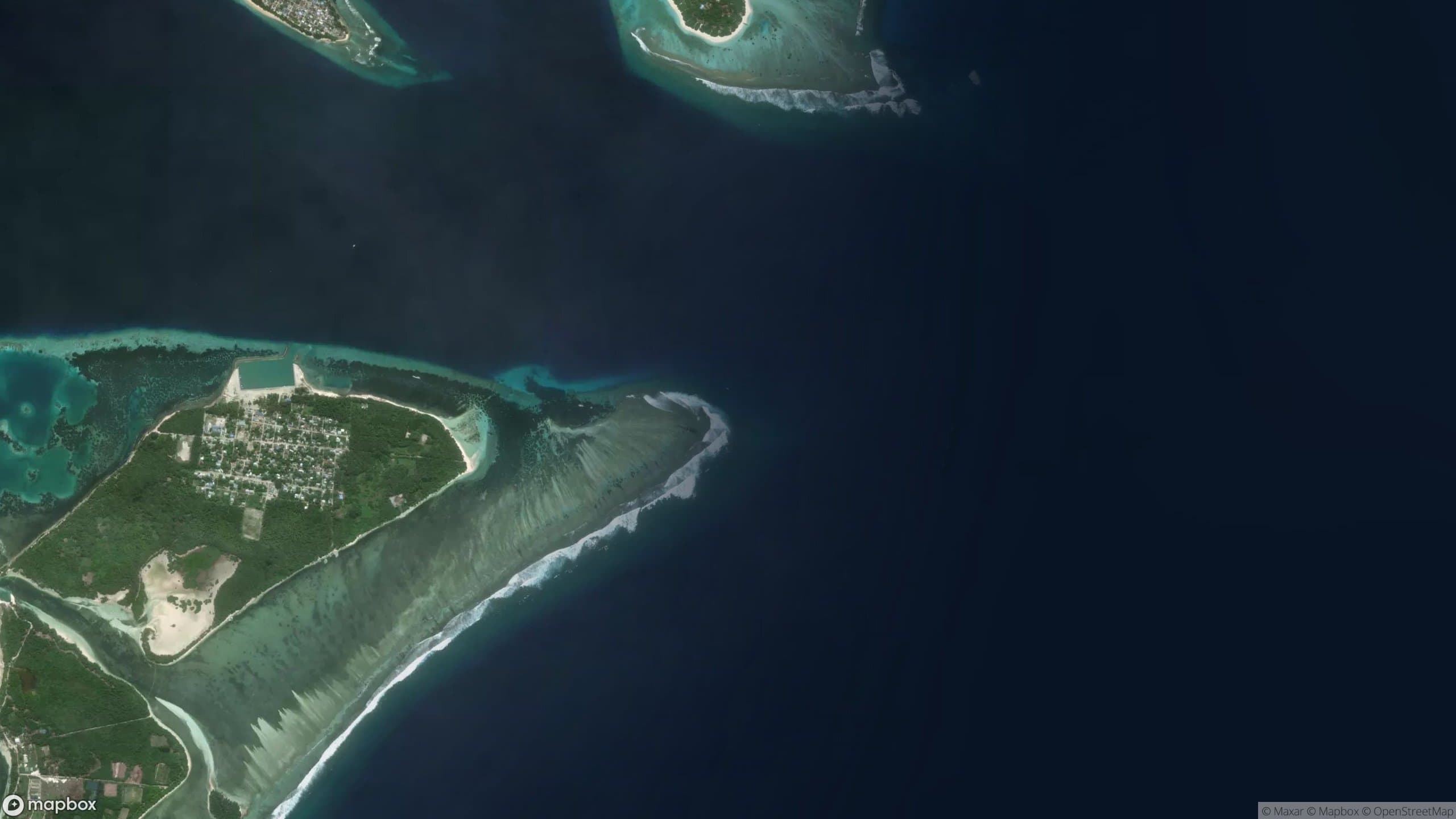
The North Male Atoll is the default choice for a first Maldives surf trip. Pasta Point at Cinnamon Dhonveli Maldives is the flagship break: a long, tapering left that works on swells from 3-10ft and breaks directly in front of the resort, with resort guests having priority access. Non-resort guests can access via live-aboard charter or pay a day-access fee. Chickens, Coke's, Lohi's, Sultans, and Honky's are all public breaks accessed by surf charter boats from Male harbor. A well-run day-charter covers 3-4 breaks in a single session. The Central Atolls (Lhaviyani, Baa, Raa) offer additional breaks with less consistent but sometimes bigger surf. The Huvadhoo Atoll is the deep-south option. Getting there means an 8-hour speedboat or a 1-hour domestic flight from Male plus another speedboat leg. That inconvenience keeps the lineups genuinely uncrowded. Surf resorts in Huvadhoo run small operations with 10-20 guests and boats running to reef passes that see fewer than a dozen surfers on a given day. For surfers willing to commit to the logistics, Huvadhoo is the Maldives at its most raw.
Logistics
Fly into Velana International Airport (MLE) in Male. From there, transfer options split by atoll: speedboats to North Male resorts take 20-60 minutes, seaplanes to mid-atoll resorts take 20-40 minutes, and domestic flights to southern atolls followed by a speedboat leg cover the Huvadhoo journey. Seaplanes operate daylight hours only, so late arrivals mean an overnight in Male before transferring. Surf charter boats (dhoni or liveaboard) operate out of Male harbor and give access to multiple North Male breaks in a single day. Live-aboard surf charters range from budget converted fishing boats to well-fitted dedicated surf vessels and travel the country from north to south over 7-14 days. Expect to pay $200-400 USD per person per day on a well-run surf charter. Resort-based access at Pasta Point requires a booking at Cinnamon Dhonveli.
Money and connectivity
The Maldivian rufiyaa (MVR) is the official currency but US dollars are accepted everywhere in resort and charter contexts. Carry small-denomination USD notes for tips and local purchases. Credit cards work at all resorts and most larger charter boats. Connectivity is strong in Male and at major resorts. Outer atolls and live-aboards vary. Dhiraagu and Ooredoo are the two mobile carriers. A local SIM at Male Airport costs under $10 USD and covers the main atolls. Live-aboards typically offer Wi-Fi via satellite, variable in speed.
Visa and entry
The Maldives issues a free 30-day visa on arrival at Velana International Airport to all nationalities. No pre-approval, no fee, no application. Passport must be valid for at least 6 months from the date of entry and a return or onward ticket is required. Extension to 90 days total is possible via application to Maldivian Immigration, available in Male. The Maldives is majority Muslim: alcohol is only available on resort islands designated for tourism, not on local islands.
Health and safety
No mandatory vaccinations for the Maldives. Hepatitis A and typhoid are sensible for outer island travel where food handling standards vary. Drinking water is desalinated at resorts and generally safe, but bottled water is standard practice. Sun intensity at 4 degrees north of the equator is extreme. Wear reef-safe sunscreen and a rash vest in the water. Reef breaks over shallow coral carry a real cut risk. Reef boots are advisable at shallower spots. Strong tidal currents run through the channels between islands: follow local boat crew advice on entry and exit routes, especially on incoming and outgoing tides. The Maldives has one of the lowest crime rates in the Indian Ocean region.
Food and culture
Maldivian food is built on tuna. Skipjack and yellowfin appear in nearly every local dish: mas huni, a breakfast staple of shredded smoked tuna, coconut, and onion, eaten with flatbread; garudhiya, a clear tuna broth; and rihaakuru, a thick paste that accompanies rice at local restaurants. Resort meals mix Maldivian dishes with international options and are usually buffet-style. Local island cafes, on islands not designated for tourism, serve cheap and honest Maldivian food at a fraction of resort prices. The country is Muslim: dress modestly on local islands (cover shoulders and knees), avoid alcohol outside resort areas, and be aware of Ramadan schedules if visiting in that window. Tipping is not expected (most resorts add a 10-12% service charge) but cash tips to boat crew and instructors are always welcomed.