
Surf trips in North Morocco
Long-period Atlantic peelers, year-round beachbreaks, point-break marathons from Taghazout to Essaouira.
North Morocco's Atlantic coast delivers a mix of right-hand points, punchy beachbreaks, and the occasional hollow reef.
The region splits into two seasons: autumn through early spring picks up NW to W groundswell on the exposed coast, while summer relies on smaller windswell and occasional wake-up sets from distant Southern Hemisphere storms. Skill ranges from beginner-friendly beachbreaks like Tamri and Devil's Rock near Taghazout to serious intermediate-advanced territory at Anchor Point and Dar Bouazza.
Base yourself in Taghazout, Essaouira, or Casablanca depending on which coasts appeal. A 7-10 day trip gives you enough swell windows to catch different breaks.
Fair warning: the most famous spots draw heavy crowds during peak season, and locals control the lineup hierarchy at several points.
Where should I surf in North Morocco?
43 spots and 6 camps in North Morocco.
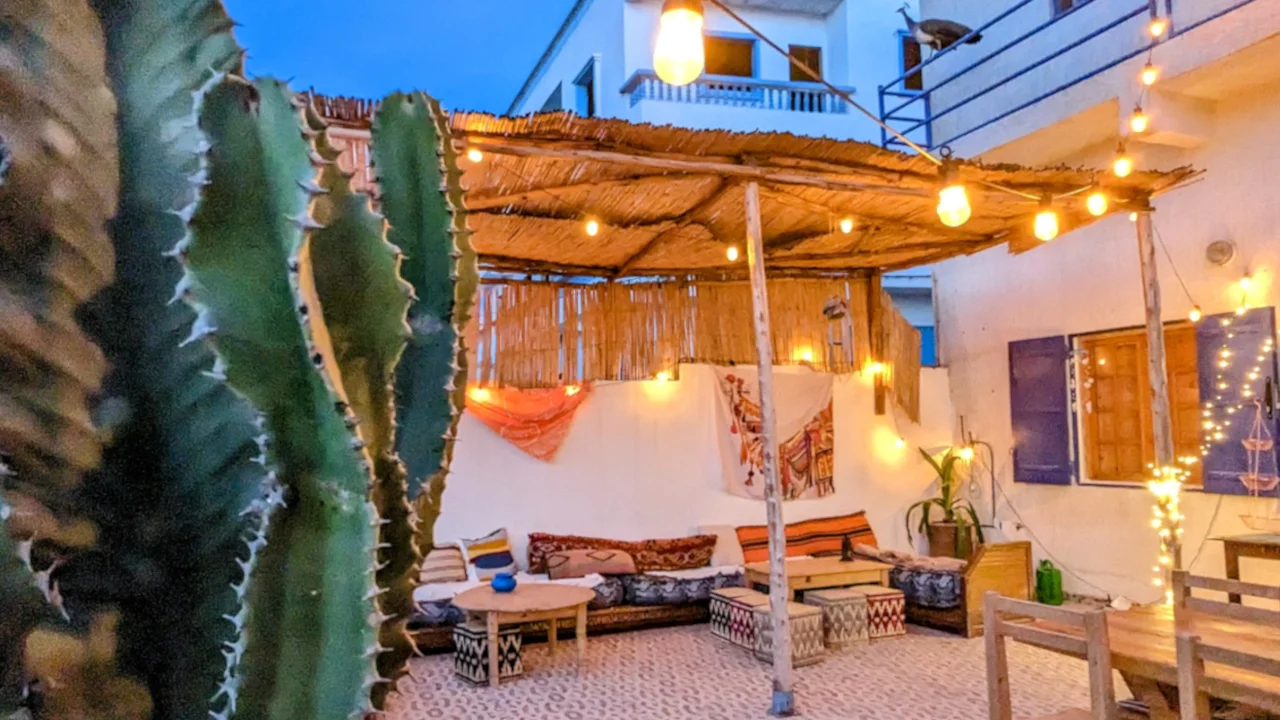
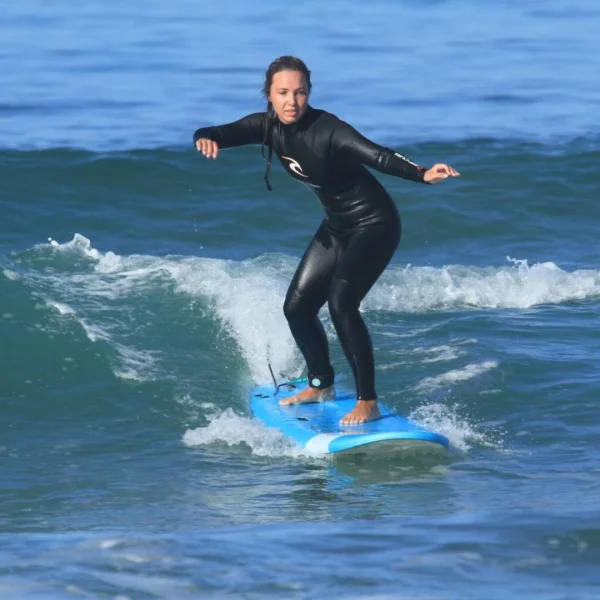
All 43 surf breaks in North Morocco, A-Z
- Ain Diab
- Anchor Point
- Banana Point
- Boats point
- Bouznika Plage
- Cap Sim
- Cap Spartel
- Casamar
- Dar Bouazza
- Devils Rock
- Doura
- Eden Island
- El Jadida
- El Oualidia
- El Ouatia
- Essaouira
- Haouzia
- Imsouane
- Imsouane (Cathedral Point)
- Jack Beach
- Killers
- La Derecha
- La Izquierda
- Legzira
- Mirleft
- Moulay Bousselham
- Mysteries
- Oued Cherrat
- Panorama Point
- Plage Blanche
- Safi
- Sidi Abed
- Sidi Ifni
- Sidi Kaouki
- Sidi-Rbat
- Spiders
- Tafedna
- Tamri
- Tan-Tan Plage
- The Boiler
- The Money Wave
- Tifnit
- Yoyo
When North Morocco fires
North Morocco, the long version
Logistics
Flights land in Marrakech, Casablanca, or Agadir depending on which coast you're hitting first. From Casablanca airport, you're 45 minutes to the beachbreak zone around Dar Bouazza and Oued Cherrat, or 3-4 hours north to Taghazout. From Agadir, Taghazout is 90 minutes by shared taxi or rental car.
I'd rent a car or scooter if you're planning to island-hop between breaks. Taghazout is the regional hub: dense accommodation, multiple surf shops, reliable internet, and good food. Essaouira sits 2 hours south and works as a secondary base for Cap Sim and Sidi Kaouki.
Casablanca offers urban infrastructure but less direct beach access. Most breaks are within 15-60 minutes of your accommodation. Road quality varies: smooth motorway through most coastal zones, rough 4x4 tracks to remote spots like Cap Sim.
Budget 3-5 days minimum to dial in the local swell window and find your rhythm.
Lineup Etiquette
Taghazout's famous breaks operate on an unwritten hierarchy. Anchor Point attracts serious surfers and local crews who've earned respect over years. Drop in aggressively as a visitor and you'll get called out fast.
Mysteries and Banana Point are slightly more forgiving but still watch first. At beginner-friendly breaks like Devil's Rock and Tamri, the vibe is more relaxed, though even there you'll share peaks with organised school groups who have priority during lesson hours. La Izquierda and Cap Sim have reputations for tight local control.
If the lineup is full, move on. Respect the pecking order: locals who know the break > regulars > visitors. Paddle to the side and ease into the wave selection.
Share the peaks. Don't snake or hog the best takeoff spot. On reef breaks, never touch living coral.
Apologise if you accidentally drop in. A friendly "merci" and genuine respect go further than ego.
What to Pack
Bring a 5'10 - 6'2 intermediate shortboard and a 6'4 - 7'0 step-up for bigger swell. A softtop or fish is useful for the shifty beachbreaks when you're dialling in the banks. Water temperature ranges 14-23°C depending on month.
September through May demands a 3/2 springsuit. June-August a shorty or rash vest most days, though March mornings can be chilly. Reef booties are essential for Anchor Point, La Izquierda, and rocky point breaks.
Bring a solid first-aid kit: reef cuts are common and inland pharmacies stock basics but not specialised wound care. Reef-safe sunscreen is non-negotiable on the shoulder-season swells when you're out for 3-4 hours. Pack a small repair kit: spare leash, fin key, ding repair paste.
Local shops have basic supplies but stock and hours are unpredictable.
When to Go
October through March is the prime window. NW and W Atlantic groundswell trains push through most weeks, giving you consistent options. September can fire if a late Southern Hemisphere storm sends a swell, but consistency isn't guaranteed.
November and December are peak: long-period swell, offshore winds, and manageable crowds outside the Taghazout hotspot. January and February still work but can flatten out between storms. March is a grey zone, hit or miss.
April through August is lean. Summer winds turn SE and push onshore, favoring sheltered bays and beach breaks over open reef. Windswell keeps some beachbreaks ticking over, but the magic long-period groundswell dries up.
If you must go June-August, target sheltered spots like Oued Cherrat, Banana Point, and Mysteries. The absolute cheapest period is June-August, but you're gambling on swell. Holiday weeks (Christmas, Easter, UK summer break late July-August) pack out Taghazout hard.
I'd avoid December 20-January 5 and mid-July through late August unless you enjoy crowded lineups.
Where to Eat Post-Surf
Taghazout's main drag hosts seafood tagines at roadside spots near the beach. Fresh sardines grilled over charcoal are your best bet under $3 USD. Jungle Cafe sits slightly inland and serves proper coffee and eggs.
Locals hang there mid-morning. In Essaouira, the coastal medina has active fish stalls and casual grill stands. Order whatever's fresh off the boat and eat at a picnic table overlooking the harbor.
Casablanca's Anfa neighbourhood near Dar Bouazza has sit-down restaurants with wine lists and proper service, but prices triple compared to smaller towns. All regions offer mint tea and bread as a standard post-session refuel. Tap water in cities is safe.
Outside tourist zones, stick to bottled water.
Hidden Alternatives
When Anchor Point and Devil's Rock are slammed, Jack Beach 20km north of Casablanca produces powerful, uncrowded beachbreak peaks on a wide swell window. The drive is long but isolation is the reward.
Similarly, Sidi Kaouki south of Essaouira offers fast a-frame peaks with light crowds most days, though the access road is rough. If offshore winds ruin the main breaks, hunt sheltered bays like Banana Point in Taghazout or the Moulay Bousselham rivermouth near Larache, both of which hold wave quality when coastal zones blow out.
The questions we get asked most
Yes. Tamri, Devil's Rock, and Oued Cherrat are beginner-friendly beachbreaks with forgiving peaks. Avoid Anchor Point and La Izquierda until you're solid intermediate. Most regions near Taghazout have active surf schools if you need lessons.
Taghazout's main breaks (Anchor Point, Devil's Rock, Mysteries) peak December-January and July-August. If you want solitude, avoid those windows. Jack Beach and Sidi Kaouki stay lighter most of the year.
Yes. Water temps range 14-23°C. Wear a 3/2 springsuit September-May. June-August you can get away with a shorty or rash vest, but March mornings are still chilly.