
Surf trips in Krui
Hollow reef barrels and long walls on Sumatra's southwest coast, May through September.
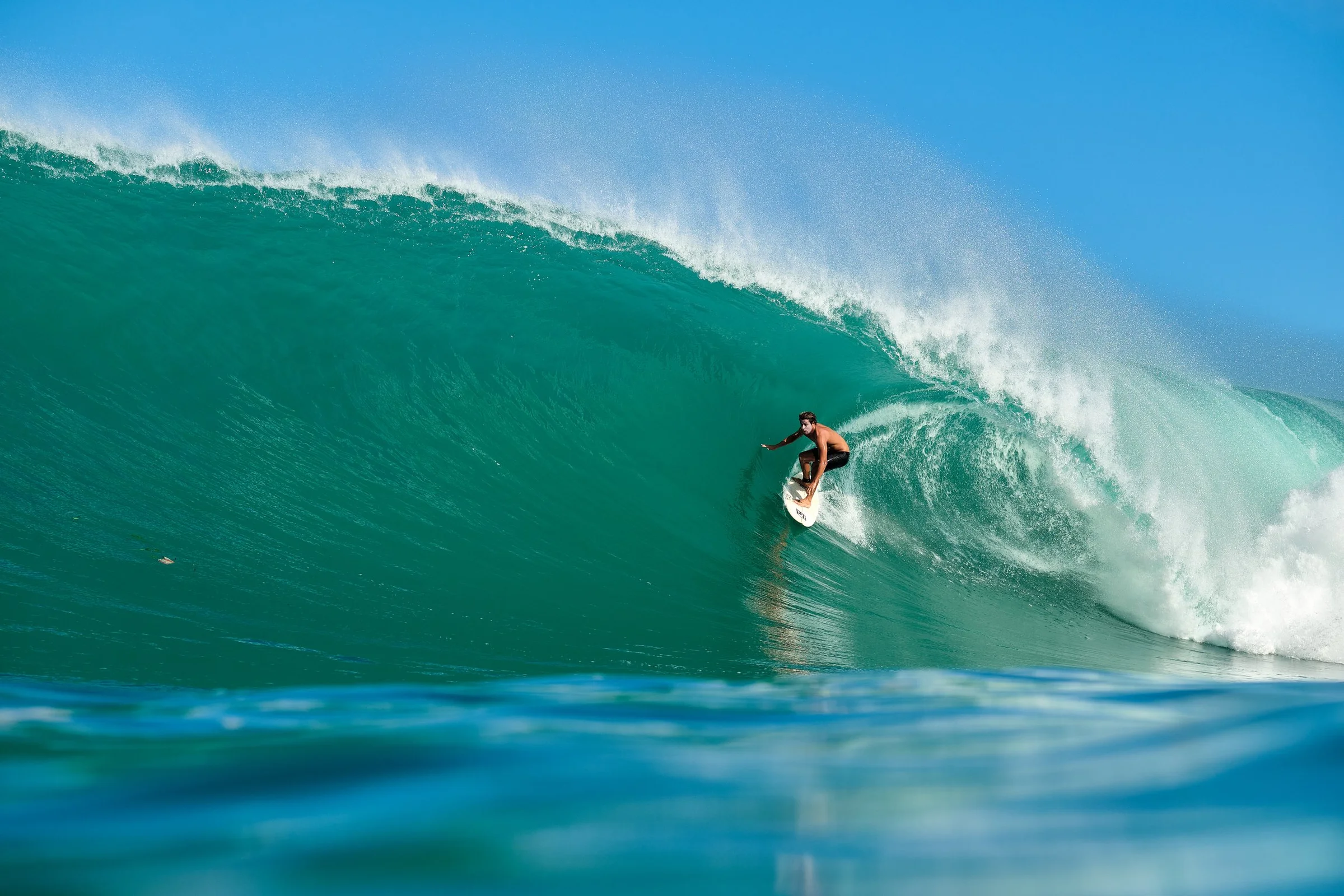
Lampung's southwest coast is a barrel-focused reef region tucked beneath the Mentawai's shadow, with fast-peeling lefts and A-frame peaks that demand respect and reward precision.
The core swell window runs May through September when Southern Hemisphere storms send SW swell across the Indian Ocean, firing reefs from Krui south to the scattered breaks near Bakauheni. Offshore SE trades groom the faces clean during this season, though November through March sees occasional W to NW ground-swell pulse through when local conditions cooperate.
Most breaks suit intermediate-to-advanced surfers, with a handful of forgiving walls for builders still dialing in their barrel game. Base yourself in or near Krui village, the region's de facto hub, where scooter access unlocks breaks within 30 minutes both directions.
Lampung rewards a minimum five-to-seven-day window to catch different tide stages and swell angles. One honest note: the region's remoteness and boat-access breaks mean spotty local intel exists online, so arrive flexible on exact conditions.
Where should I surf in Krui?
7 spots and 3 camps in Krui.
All 7 surf breaks in Krui, A-Z
When Krui fires
Krui, the long version
Logistics
Lampung is a five-to-six-hour overland grind from Bandar Lampung airport via minivan or hired driver. Most surfers skip the capital and land in Jakarta first, then catch a flight to Lampung or use an international connection through Jakarta to Bandar Lampung. From the airport, arrange a driver or tour operator pickup to Krui, roughly 120km south.
The road is paved but slow, especially during rainy season. Once in Krui, a scooter (rented locally for $5-8 USD daily) becomes essential. Fuel up in Krui town center.
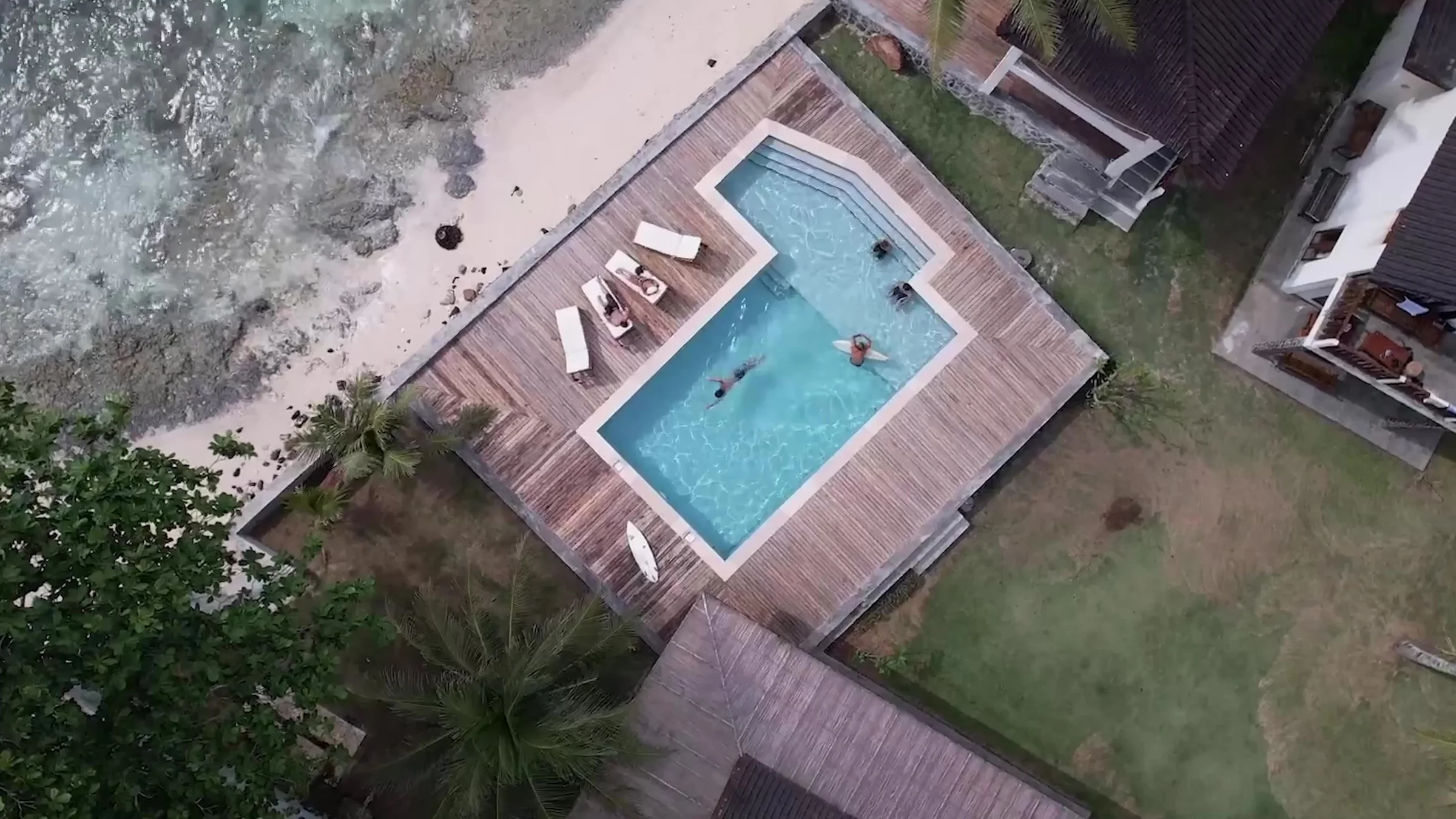
The nearest proper repair shop is 90 minutes inland, so carry basic spare parts. Accommodation ranges from basic guesthouses ($15-25 USD) to nicer beachfront homestays ($40-60 USD) clustered around Krui's main beach. Internet is patchy but functional with a local SIM card ($2 USD top-up).
Krui has one or two basic surf shops that sell wax and repair tape but no serious board shaping. Plan ahead for ding repairs.
Lineup Etiquette
Lampung's breaks are predominantly local-friendly, with the famous breaks like Way Jambu and Krui Left drawing visiting surfers who respect the line-up. The golden rule: show respect, paddle wide, and don't snake. Most lineups are low-key and positional rather than aggressive, but Krui Left can tighten when swell is good and waves are scarce.
Avoid paddling straight through the peak on crowded days. The A-frames like The Peak and Pulau Pisang reward proper back-row positioning and clean entries. Boat access breaks like Pulau Pisang are entirely dependent on local guides and captains, so pay fairly and treat the relationship as partnership.
Drop-ins and wave-stealing draw quick responses, especially from small crews of visiting surfers who've staked their session. Wave-hog instinct gets called fast. Beginner-level interference (struggling takeoffs blocking your own line) gets tolerance.
Intentional wave theft does not.
What to Pack
Bring a board quiver spanning 5'8 - 6'4, weighted toward narrow-gutted barrels guns (5'10 - 6'0) for the hollow reefs and a slightly wider all-rounder (6'2 - 6'4) for wall-building days and beginner-intermediate breaks. One fish or hybrid for softer peaks will round out options without excess baggage. Reef booties are essential, not optional.
The sharp volcanic reef shreds skin and fins. Boardies or a springsuit suffice year-round in 26-30°C water, though sunrise sessions and November-March swells occasionally cool water enough for a lightweight 2/2 rashguard vest. Pack reef-safe sunscreen SPF 50+, a basic first-aid kit with antibiotic cream and tweezers for coral splinters, and a small sewing kit for board bag seams.
Bring a good rash guard or UV shirt for UV protection. A lightweight rain jacket compresses small and handles April-October drizzle or November-March wet season showers. Spare fin key and fin boxes.
One spare leash.
When to Go
May through September is the canonical dry season and swell season. May and June are the softest entry: SW swell is consistent but not massive, winds are clean, and crowds remain manageable. July and August are peak season by swell energy and visitor count.
Expect bigger barrels, more wind-related texture some afternoons, and visible crowds at Krui Left and The Peak on good days. September still delivers quality waves with slightly lower visitor traffic. October is a transition month where SW swell fades but occasional W ground swell still fires some breaks.
November through March is wet season: rain squalls are frequent, especially November and February, but the region doesn't close. Occasional W or NW swell can produce fun, uncrowded sessions at Ujung Bocur and the other long-wall breaks. December through January are quieter and cheaper but less reliable.
If you have flexibility, target June-August for consistent swell and April or September-October for fewer visitors and lower accommodation rates.
Where to Eat Post-Surf
Krui village has a cluster of small warungs (traditional eateries) along the main beach road. Warung Mak Siti serves fresh grilled fish, rice, and simple greens for $3-5 USD. Kedai Kopi Krui is the social hub for surfers, espresso and iced coffee, and local chat.
Their nasi goreng (fried rice) is reliable. For higher ambition, Krui Beach Resort's restaurant has decent pasta and Western-style breakfast for $8-12 USD. Avoid the tourist-priced stalls near the mosque after 5pm unless you enjoy paying double.
Fruit stalls near the main market sell fresh papaya, mango, and passion fruit at dawn. Supermarket-style indri is 45 minutes away in Bakauheni if you want packaged snacks or electrolyte powder. Drinking water: buy bottled or refill at your guesthouse.
Hidden Alternatives
When Krui Left and The Peak choke under crowds or poor tide, Ujung Bocur, 45 minutes south by scooter, offers the same swell in isolated conditions. The long walls and alternate barrel sections reward different bottom-contouring skills, and the break rarely sees more than three or four surfers.
Balimbing, slightly north of Krui, is even quieter and suits intermediate surfers hunting playful, less-critical walls. Both are accessible by road on good days and offer full solitude during shoulder seasons (April, October, November).
For boat access adventuring, Pulau Pisang remains the region's secret weapon if you can coordinate a captain. The twin-faced reef serves fast barrels on both sides and consistently runs uncrowded because the boat logistics exclude casual drop-ins.
The questions we get asked most
Mostly no. Most breaks are reef-based and suit intermediate-to-advanced surfers. The Peak's left side and Krui Right are gentler options for those building bar techniques, but beginners will find safer conditions at famous beginner destinations (Cimaja, Uluwatu flats). A week-long coached trip can accelerate learning.
November through April. Peak season is July-August. April and September-October offer good swell with half the visitors. November-March is wet but cheap and nearly empty if you don't mind rain squalls.
No. Water is 26-30°C year-round. Boardies or a lightweight springsuit suffice. Sunrise sessions and November-March swells may warrant a thin rash guard for UV protection.