
Surf trips in Central Chile
Cold-water left points, consistent SW swell, world-class barrels within 2 hours of Santiago.
Central Chile wraps legendary left-hand points and reef breaks around a 200km stretch of coast south of Valparaiso, anchored by Punta de Lobos and Puertecillo, two of South America's most consistent waves.
May through August brings the heaviest SW swell and cleanest offshore winds, though quality waves fire year-round if you read the forecast. September to April softens considerably but crowds thin and water temperature edges up slightly.
I'd classify most breaks as intermediate-to-advanced territory, with a few beginner-friendly beachbreaks mixed in, though lineups at Punta de Lobos and Renaca fill fast. Base yourself in Pichilemu town or near Valparaiso depending on your skill level and commute tolerance.
Expect cold water, powerful offshore winds, and a no-nonsense local scene that rewards respect.
Where should I surf in Central Chile?
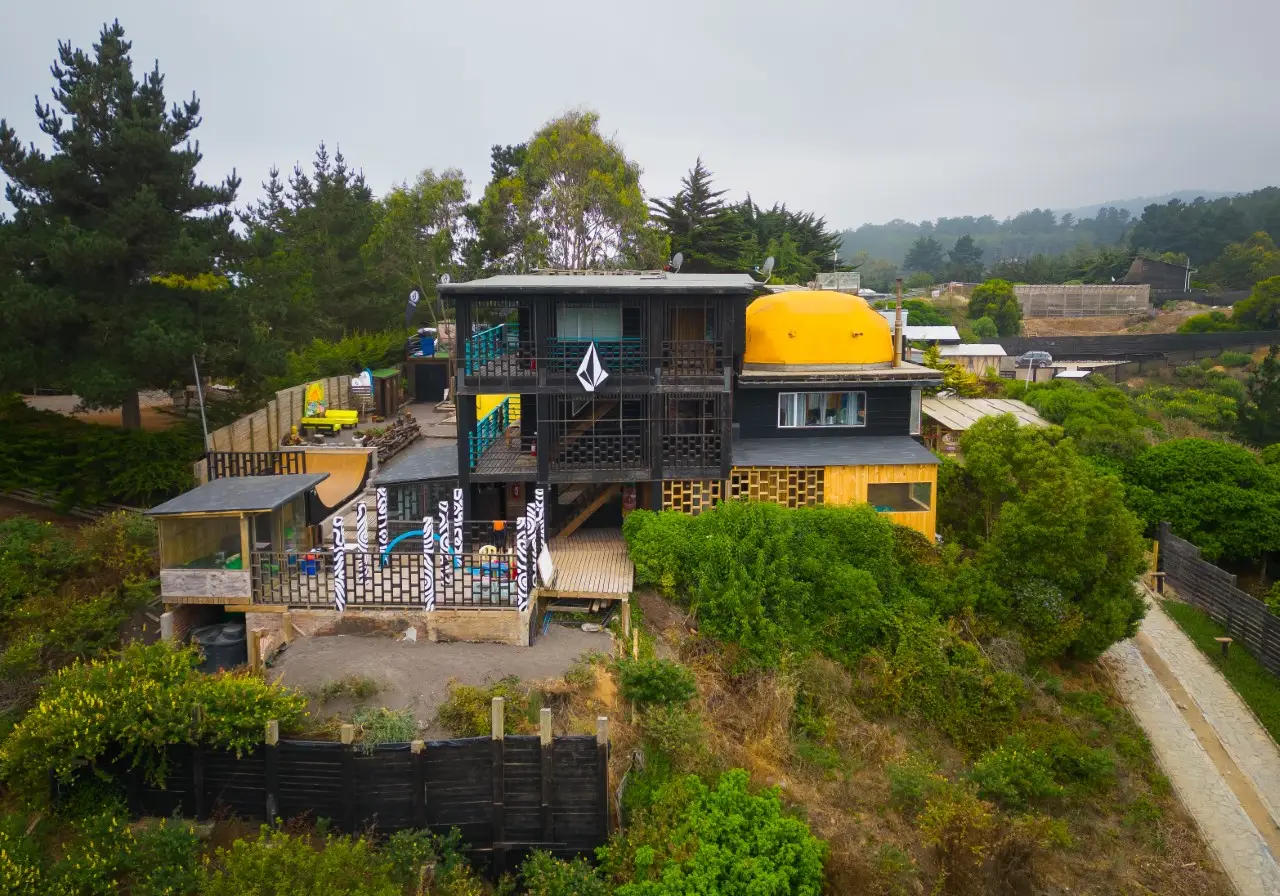
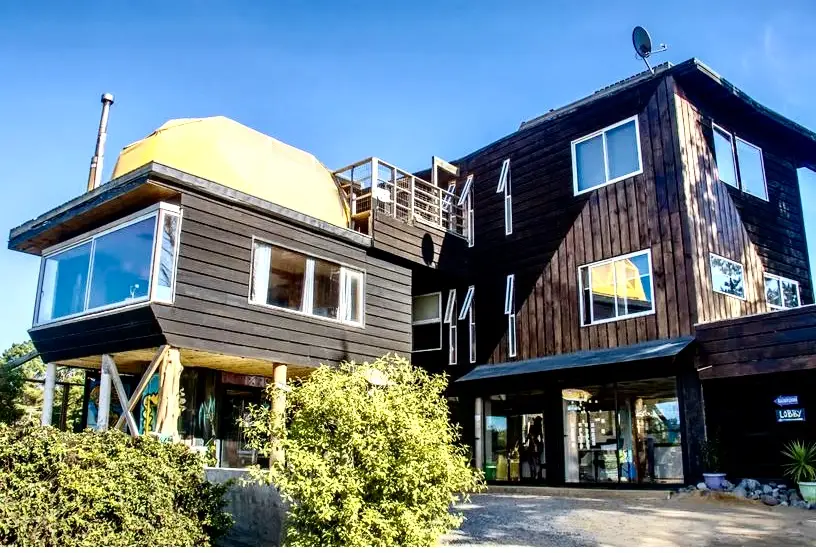
16 spots and 2 camps in Central Chile.
All 16 surf breaks in Central Chile, A-Z
When Central Chile fires
Central Chile, the long version
Logistics
Santiago's Comodoro Arturo Merino Benítez International Airport is the main entry. Rental cars and colectivos (shared vans) serve the region, though a private vehicle gives you the most freedom to hunt down lesser-known beachbreaks and chase swell direction shifts. Pichilemu town sits roughly 200km south and takes 2.5-3.5 hours by car from Santiago.
Valparaiso and Viña del Mar are closer (90-120km north) but tend to be busier during austral summer (December-February). Accommodation clusters around Pichilemu town, Matanzas, and the Valparaiso corridor. Pichilemu has several small surf shops and board repair services, though inventory is thin and prices are steep.
Internet reliability is decent in town but spotty in remote access areas. Budget 5-7 days minimum to get a real sense of the coast and chase a proper swell window.
Lineup etiquette
Central Chile's lineups are territorial but not hostile if you show up with humility. Punta de Lobos and Puertecillo attract a mix of local chargers and traveling surfers, and the break's size means there's usually room if you aren't a snake. Respect the peak hierarchy at point breaks.
El Claron and Infiernillo have smaller, tighter communities and expect you to sit on the shoulder on your first sessions. Pichilemu's left point draws bodyboarders and beginners alongside advanced surfers. Don't hog the shoulder if you're learning.
Reef breaks like Papagayo and Algarrobo demand knowledge of local bottom and tide sequences. Sit back and observe tide changes and swell angles before paddling out. Most locals are welcoming if you're genuinely interested in the wave and not treating it like a tick box.
What to pack
Bring a 6'0 - 6'4 high-performance shortboard for cleaner, overhead days and a 6'2 - 6'8 mid-range wave-rider for mushier summer swells. A single-fin 5'8 - 6'0 can work for Pichilemu's long walls if you're confident. Pack a 4/3 wetsuit for May-August and a 3/2 for September-April, though water temps at 12-14°C in winter demand serious heat retention.
Reef booties are essential for Algarrobo, Papagayo, and Infiernillo. Bring a good first-aid kit. Sea urchins are present along rocky sections and minor cuts from barnacles are common.
Reef-safe sunscreen is non-negotiable given the austere coastline and lack of shade. A rashguard under your wetsuit reduces rash during longer sessions. Quick-dry board bag and travel towel will save your hotel laundry situation.
When to go
May through August is the peak window. SW swells are most consistent, SE offshore winds dominate, and water temps sit at a bracing 12-14°C. Expect 4-12ft+ swell regularly and empty lineups outside summer holidays.
April and September are shoulder season. Swell becomes inconsistent but crowds ease, water warms slightly, and prices drop. October through December sees lighter, less organized swell but long sunny days and 16-17°C water.
Beachbreaks like Ritoque and Renaca shine on smaller days. January through March is austral summer. Tourists flood Renaca and Pichilemu's town, swell is weakest (often 2-4ft, mushy), but water reaches 18°C and early mornings before 9am offer glassy beachbreaks.
If you want cold-water performance waves and don't mind a wetsuit, book May-July. If you want warmth and are okay with mushier shape, January-February works if you're flexible on size.
Where to eat post-surf
Pichilemu town has a growing food scene. Fuente Alemana does solid fish-and-chips and empanadas if you need fast fuel. Their ceviche is reliable.
Rincon de Mague is a small restaurant near the plaza that serves fresh local fish and seafood with real kitchen time. Book ahead on weekends. For coffee and pastries before a dawn patrol, Cafe Pichilemu in town is the standard meeting spot and doubles as unofficial swell forecast headquarters.
In Valparaiso, El Taller on Serrano Street does ceviches and local fish ceviche in a casual, bohemian setting. If you're based near Algarrobo or Matanzas, focus on beachside comedores (simple local eateries) for empanadas and fresh catch rather than hunting restaurants. Quality varies but prices are low and portions are huge.
Hidden alternatives
When Punta de Lobos and Pichilemu are crowded, head south toward Matanzas and La Boquilla. Matanzas delivers long walls off a mini headland with a fraction of Pichilemu's crowds, though the wave runs fast at mid tide.
La Boquilla, a rivermouth left further down the coast, is isolated and requires solid water sense but rewards you with empty peaks and powerful walls when the SW swell lines up. For reef explorers, Algarrobo and Papagayo sit on the Valparaiso side of the region and attract fewer pilgrims than the Pichilemu zone.
Papagayo in particular is finicky and wind-sensitive, so it stays relatively quiet even when nearby breaks are packed. Scout these alternatives during your first few days rather than waiting until your main break is crowded.
The questions we get asked most
Partially. Ritoque, Maitencillo, and Renaca have mellow beachbreak sections, but most quality breaks are intermediate-to-advanced due to cold water, strong currents, and sharp rocks. Expect a learning curve and consider a guide for your first sessions.
December through February sees the heaviest tourist crowds at Renaca and Pichilemu town, though wave quality is weakest. May-August has fewer tourists but attracts dedicated traveling surfers. Weekends year-round mean more locals in lineups.
Yes. Water temps range 12-18°C. Pack a 4/3 for May-August and a 3/2 for September-April minimum. Winter requires serious heat retention to avoid hypothermia on longer sessions.