When to go
Chile's peak surf season runs May through September across all three zones. That alignment makes a single trip viable if you want to sample north, central, and south in one sweep.
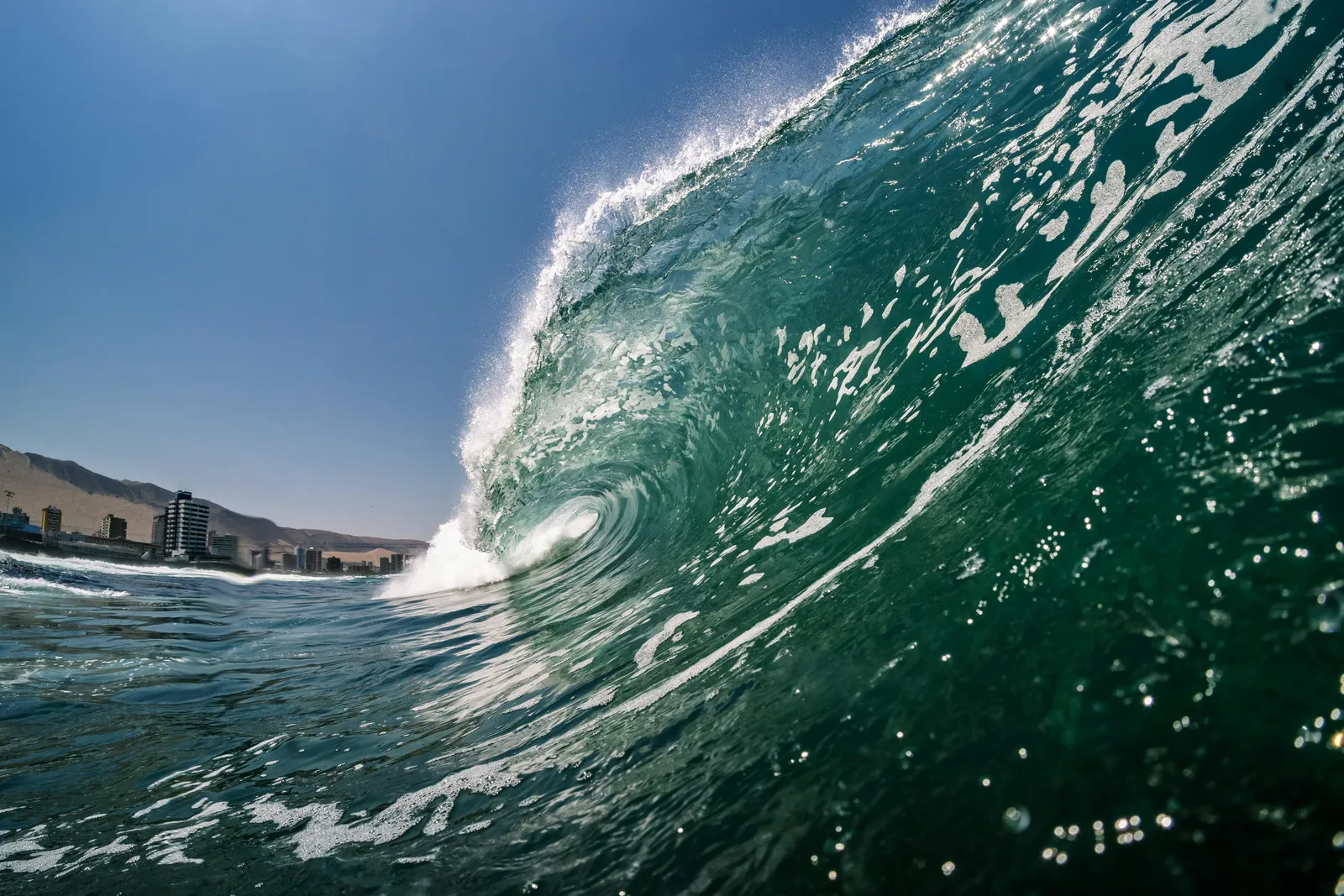
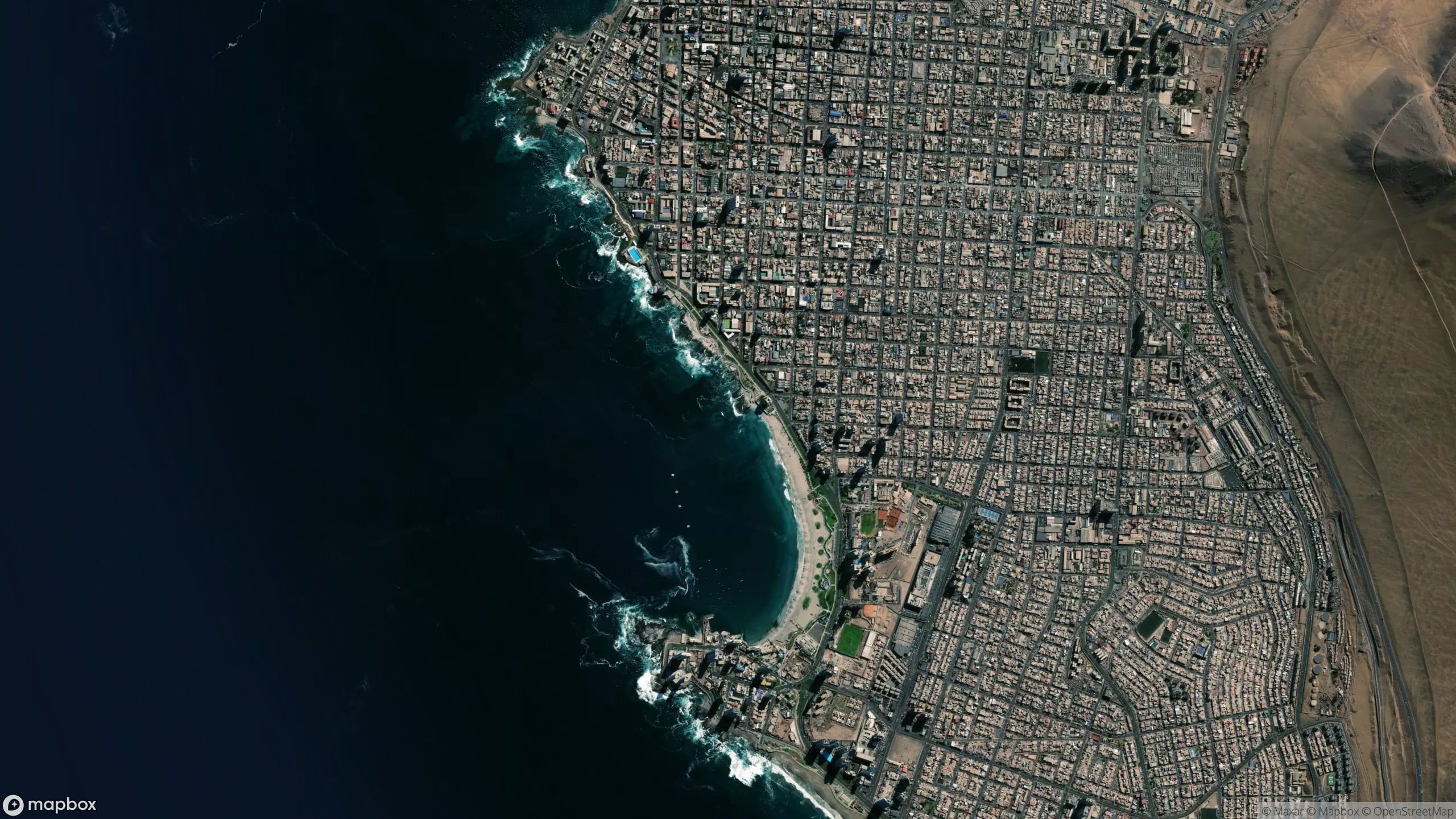
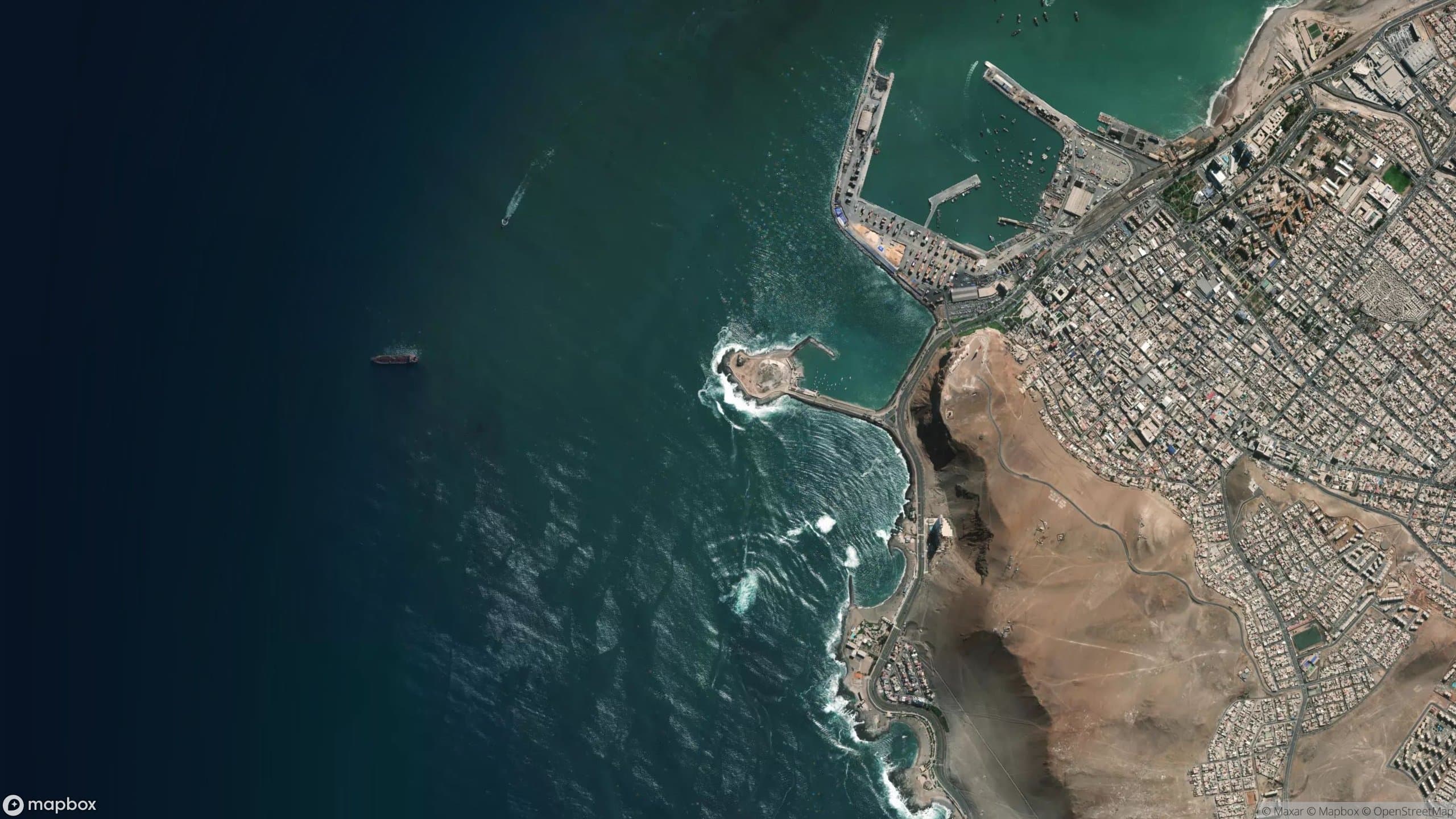
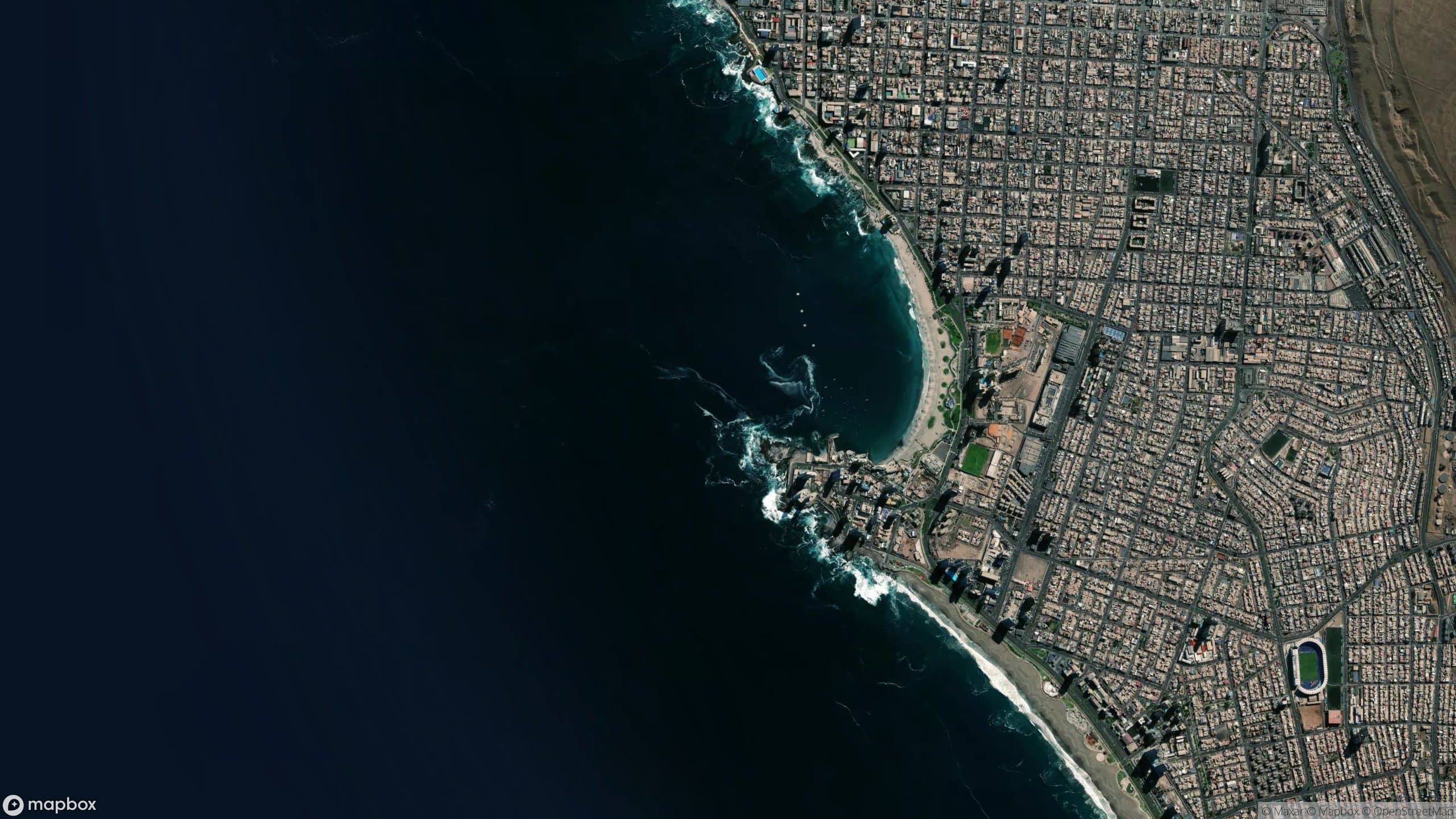
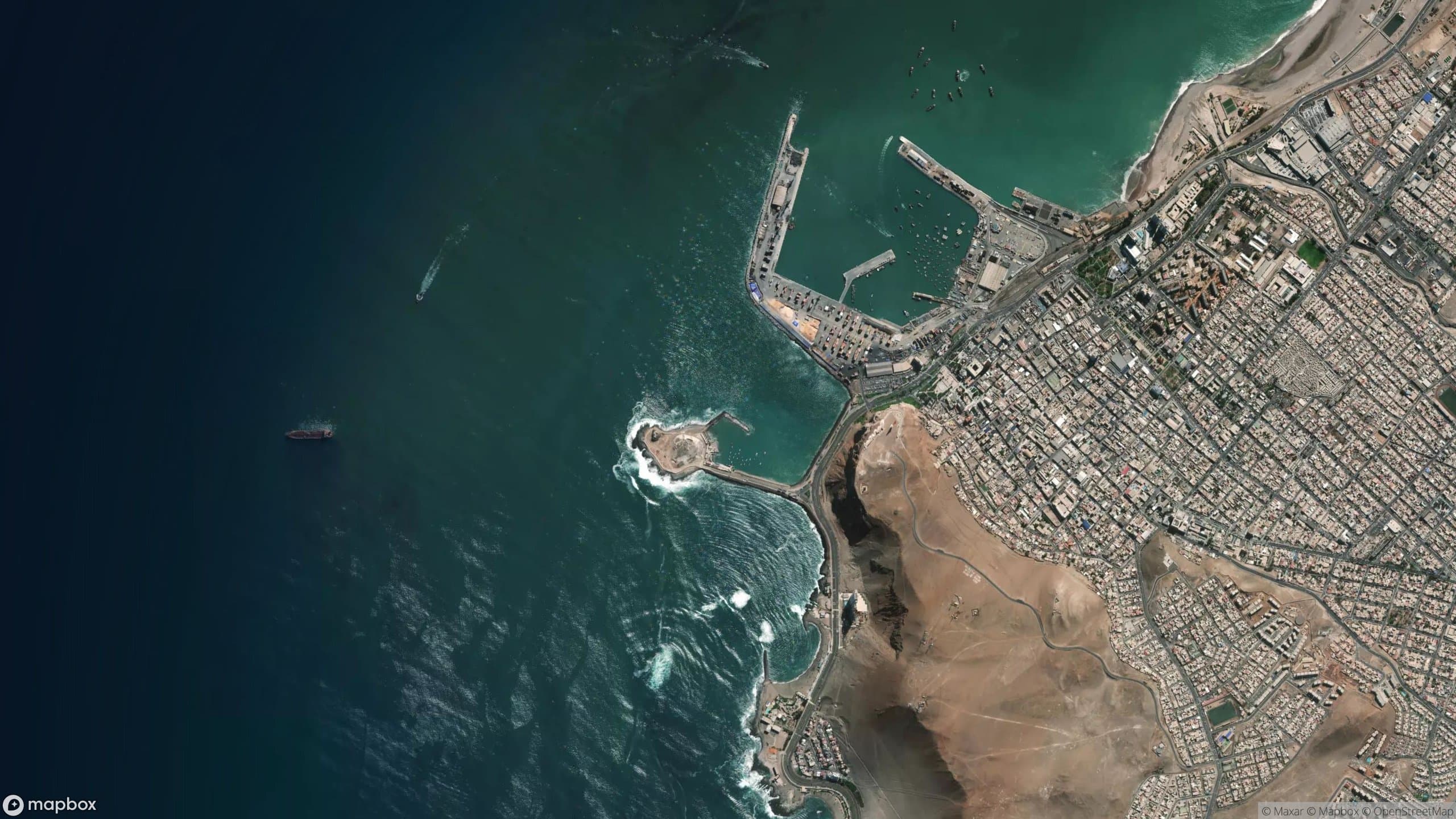
In northern Chile, Antarctic storms push S and SW groundswells up the Atacama coast from May through September. Winter months, June through August, bring the most consistent size. La Cúpula and El Muro light up on the bigger swells. Summer, November through March, delivers lighter winds but smaller and inconsistent surf. Not worth flying specifically to the north in summer.
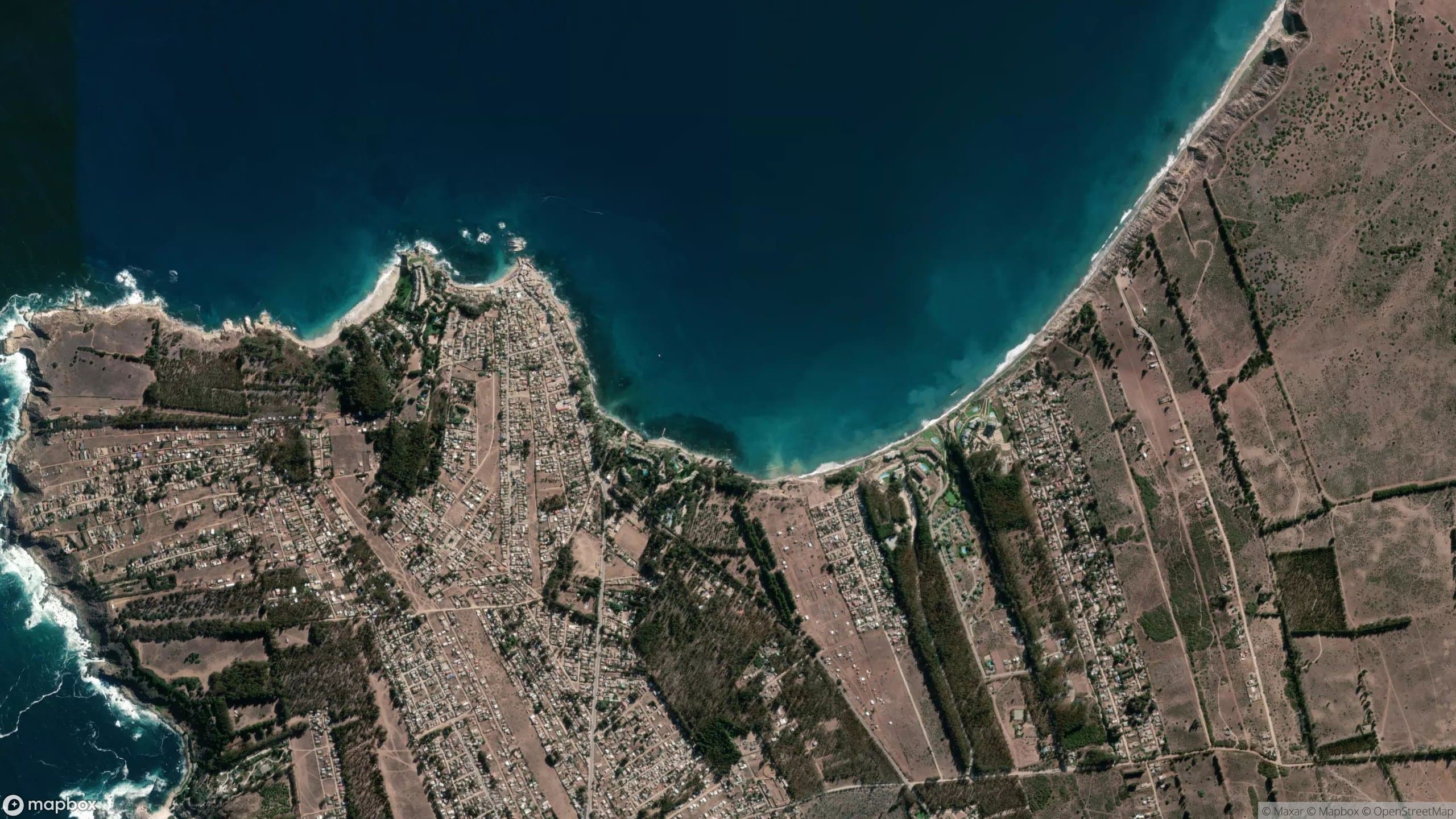
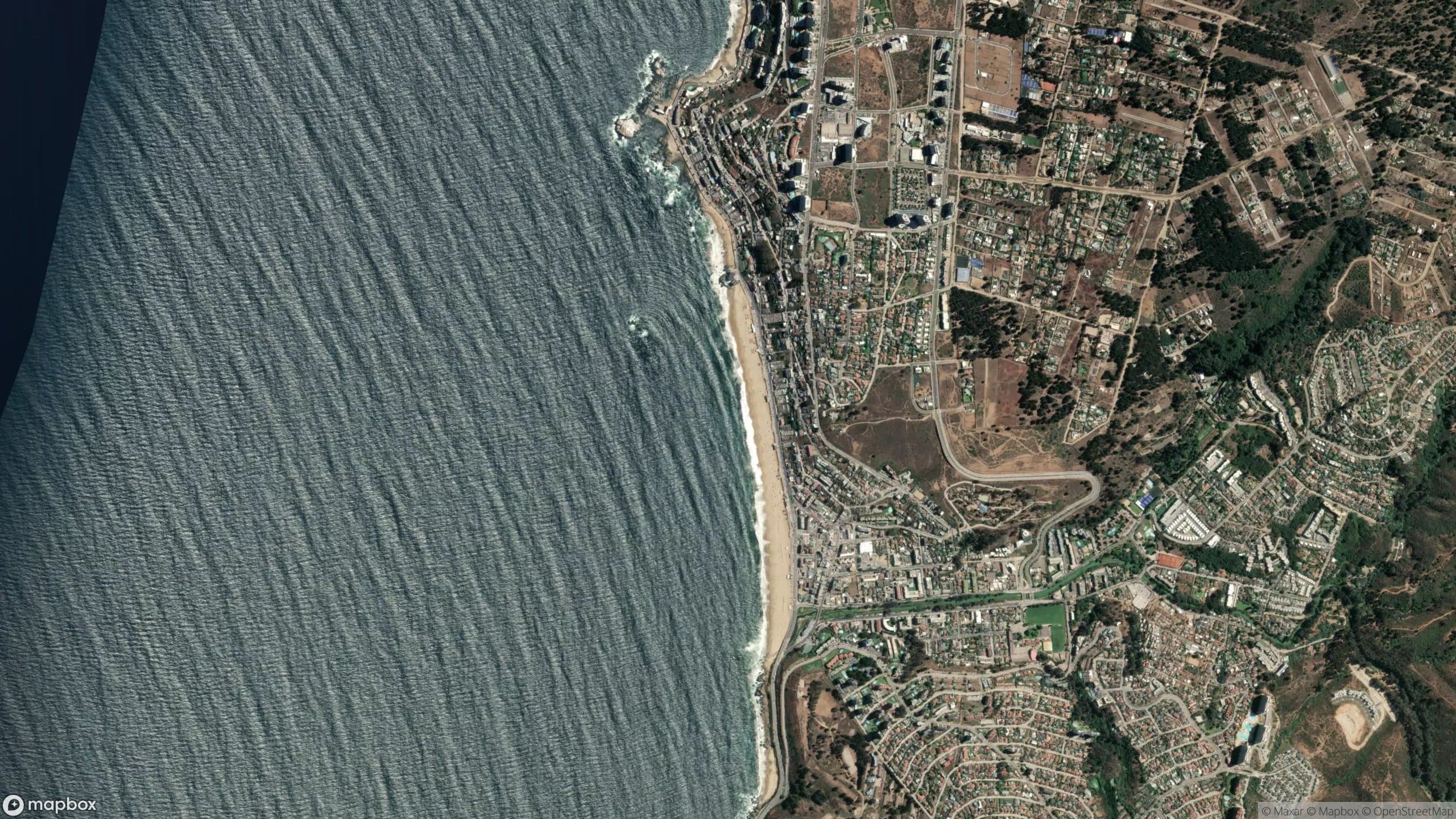
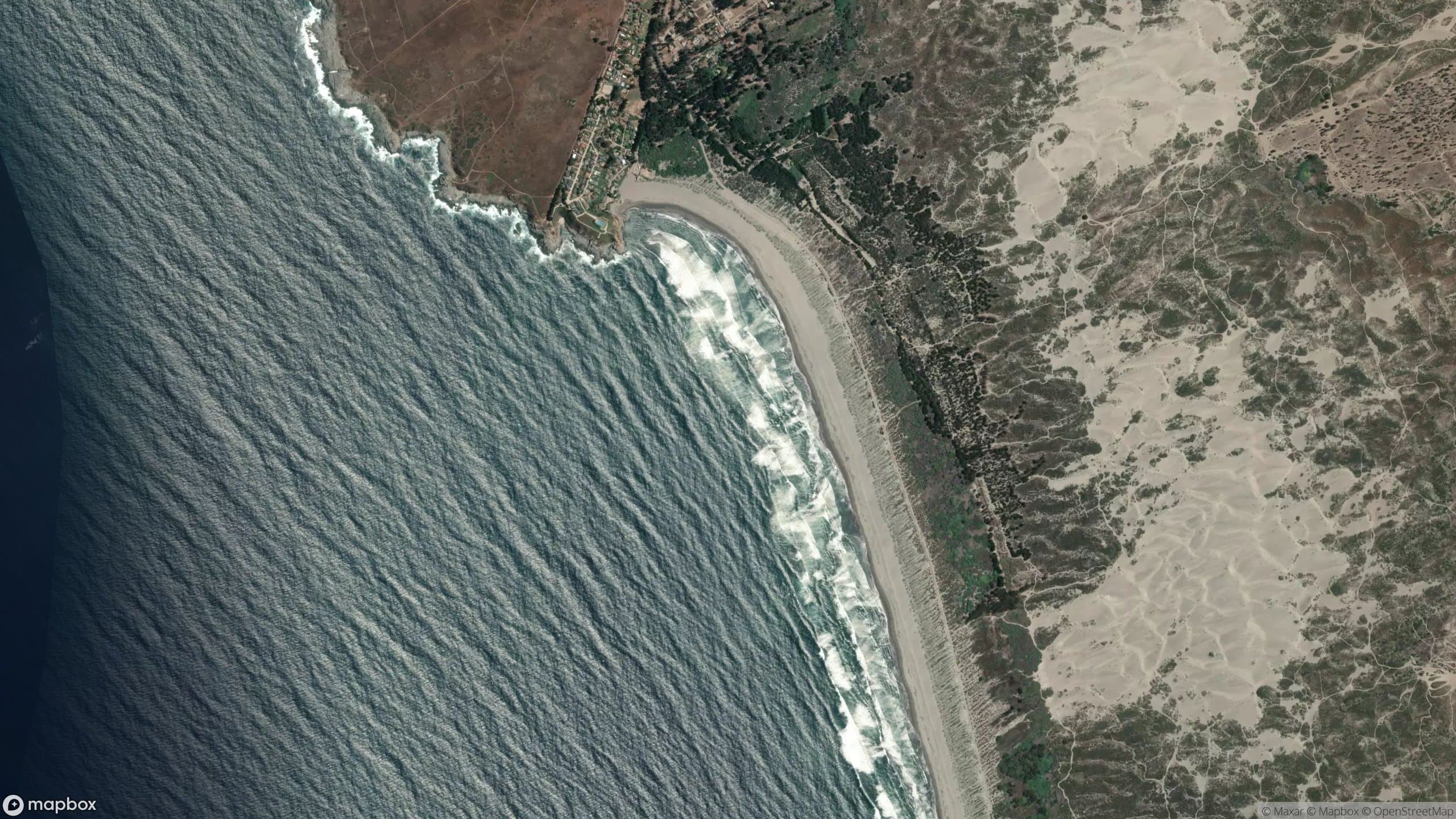
Central Chile peaks on the same May through August window. Punta de Lobos is the benchmark. When a 12-second-plus SW swell arrives with a clean north wind, that wave produces some of the best left-hand walls in South America. Forecast-dependent sessions fire outside that core window too. September through April sees smaller surf, thinner crowds, and marginally warmer water.
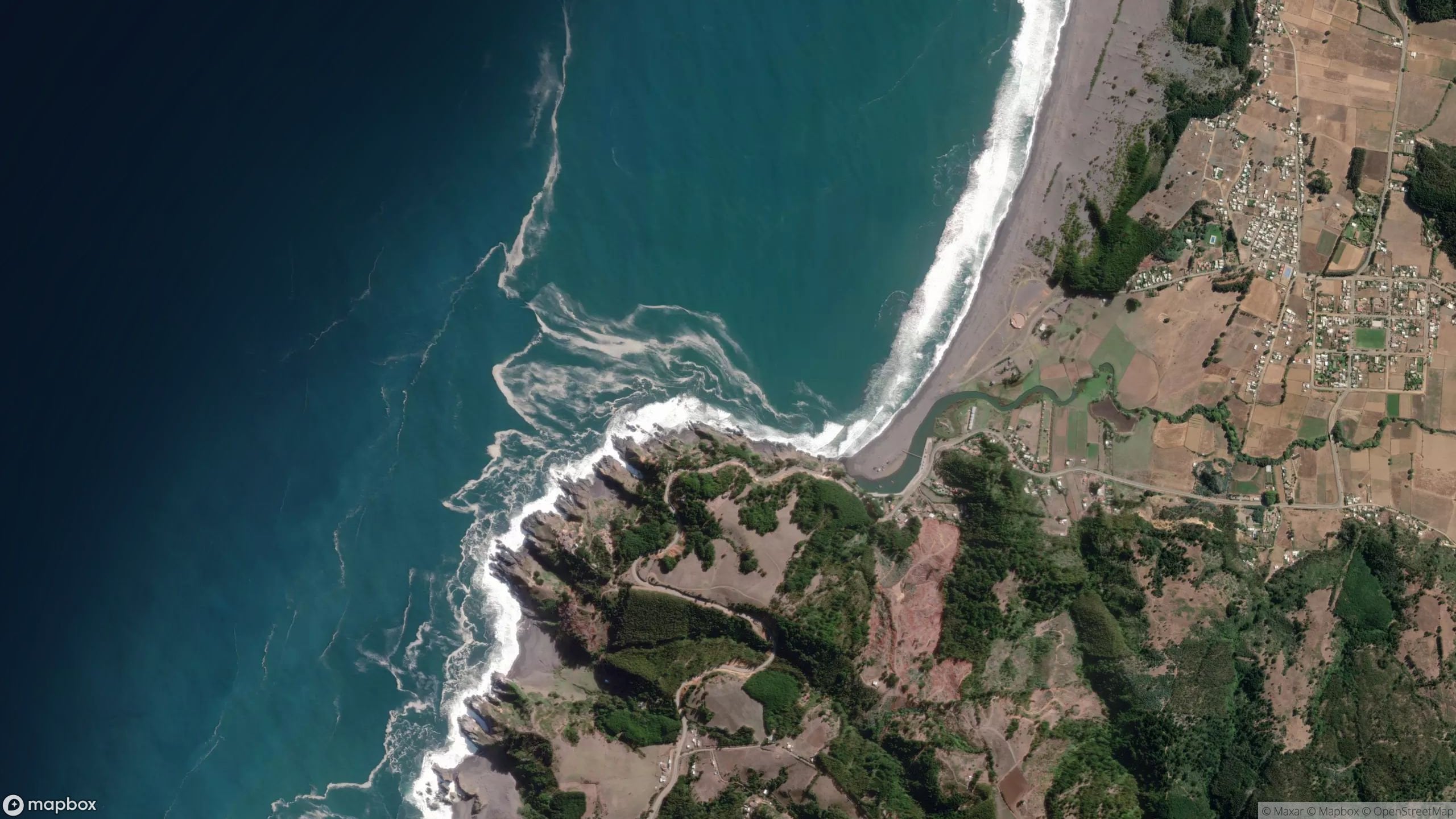
Southern Chile stretches its season a little wider. April through October captures Southern Ocean groundswell wrapping into the Arauco and Bio Bio coastlines. Spring and autumn, April to May and September to October, offer friendlier swell sizes for intermediate surfers. June through August is serious. Long walls and rivermouth setups at proper size are not for the uncommitted.
Water temperature stays cold everywhere. The Humboldt Current keeps the north between 16C and 20C. Central and southern zones dip to 10C to 14C in winter. Pack a 4/3 wetsuit at minimum. Boots and gloves are smart for the south in winter.
Where in the country to base
Arica or Iquique (North): Both cities give you airport access, accommodation range, and vehicle hire. Arica sits closest to the border with Peru and catches exposed swell first. Iquique has a bigger city infrastructure and a stronger local surf scene. I'd base in Iquique and day-trip north or south by rental car. Two weeks minimum to do the north properly.
Pichilemu (Central): This small town is the spiritual home of Chilean surfing. Punta de Lobos is a 10-minute drive south. Puertecillo and Renaca are within day-trip range. Pichilemu has surf shops, board rentals, hostels, and restaurants scaled for visiting surfers. For a first Chile trip, I'd start here. One week gives you enough swells to judge the place.
Lebu or Cañete (South): Southern Chile is rawer. Infrastructure thins out fast once you drop below Concepcion. Lebu provides a functional base with access to rivermouth and point breaks along the Arauco coast. Fewer surf-specific services. Bring spares, a repair kit, and self-sufficiency. The payoff is genuine empty lineups and long walls with nobody on them.
For a two-week first trip, I'd split seven days in Pichilemu and five to seven days in the north or south depending on the swell forecast at booking time.
Logistics
Santiago's Arturo Merino Benitez International Airport is the main entry point. Most international flights route through here. A second option for the north is Chacalluta Airport in Arica, served by domestic carriers from Santiago.
Getting between regions requires commitment. Chile is 4,300km long. Flying between Santiago and Arica takes about two hours. Driving the same route takes over 30 hours. For surfing, I'd fly between zones and rent a vehicle at each end rather than attempt an overland run unless time is not a constraint.
On the ground, a rental 4WD is the right call everywhere. Access roads to the best breaks in northern and southern Chile are unpaved and occasionally rough. Central Chile around Pichilemu is easier, with paved roads to most major breaks, but a higher vehicle still helps for lesser-known spots.
Accommodation in central Chile is well-developed for surfers. Pichilemu has a full range from hostels to rental houses. Northern Chile's cities have solid hotel infrastructure but fewer surf-specific options. Southern Chile is sparse. Book accommodation in the south in advance during the peak April to October window.
Money + connectivity
The Chilean Peso is the local currency. Cards are widely accepted in cities and larger towns. ATMs are reliable in Santiago, Arica, Iquique, and Concepcion. In small coastal towns and southern Chile, carry cash. I've been in surf towns in the south where the single ATM was out of service for days.
Withdrawal limits vary by bank but typically cap around 200,000 to 300,000 CLP per transaction. Factor in ATM fees if drawing from a foreign account. Budget cards with fee-free international withdrawals save real money over two weeks.
eSIM options work well in Chile. Entel and Claro have the broadest rural coverage. Download an eSIM before arrival or buy a physical SIM at the airport. Signal is strong in cities and main coastal towns. It drops out significantly once you're on dirt roads in the north and south.
WiFi in hostels and cafes in Pichilemu and the main cities is functional. Southern Chile coverage is patchier.
Visa + entry
Chile offers visa-free entry for most Western passport holders, including the US, EU countries, UK, Australia, Canada, and most of Latin America. Standard tourist entry allows 90 days. Extensions are possible through the immigration authority in Santiago but involve paperwork and waiting time. Most surfers on a trip of two to four weeks will have no issues. Check your specific passport nationality before travel as rules occasionally shift.
Health + safety
Chile is one of South America's safer destinations. Street crime exists in Santiago and Valparaiso, particularly pickpocketing and bag theft in crowded areas and on public transport. Keep valuables locked in your accommodation. Don't leave boards or gear visible in a parked vehicle.
In the water, reef cuts are the primary hazard. Central and northern Chile have sharp volcanic and magma rock reefs. Booties help in rocky areas. Leash checks are important before paddling out at heavy slabs.
Cold water is a real safety concern. Hypothermia risk rises fast if you're under-suited in southern Chile in winter. A quality 4/3 with sealed seams is mandatory. A 5/4 is worth considering for the south from June through August.
The Atacama in the north is one of the driest places on Earth. UV intensity is extreme even on overcast days. Apply high-SPF sunscreen and reapply consistently. Altitude can be a factor if you're transiting inland from the north before heading to the coast.
Mosquitoes are not a major surf-zone concern compared to tropical destinations. Malaria risk in Chile is negligible. Consult a travel health clinic for current recommendations before departure.
Medical facilities are strong in Santiago and the main regional cities. Rural southern Chile has limited hospital access. Travel insurance with evacuation cover is important, especially for the south.
Food + culture
Chilean food is honest, meat-heavy, and built for cold weather. Cazuela, a slow-cooked meat and vegetable broth, is the kind of post-surf meal that actually works after a cold-water session in the south. Empanadas are everywhere and reliable as quick fuel between surfs. In coastal towns, fresh seafood is the right call. Locos (Chilean abalone), machas (razor clams), and corvina (sea bass) show up on menus throughout the coast.
In Pichilemu, a handful of restaurants cater to the surf crowd with straightforward Chilean plates. Nothing flashy, but portions are large and prices are low by international standards.
Chileans are generally reserved on first meeting but warm once rapport is established. In the lineup, respect local surfers and observe the pecking order at popular breaks. Punta de Lobos has a strong local presence and a proud surf culture. Dropping in or ignoring lineup etiquette will not go unnoticed.
Spanish is essential outside Santiago and the main tourism zones. Coastal towns in the north and south have little to no English spoken. Basic Spanish phrases go a long way. Learning surf-specific terms in Spanish earns respect from local surfers faster than anything else.