
Surf trips in Sumbawa
Hollow reef barrels, 26–30°C water, April–September swell season. Lakey Peak cluster dominates.
Sumbawa's south coast is a concentrated barrel factory.
Lakey Peak, Periscopes, and Scar Reef fire hollow A-frames and rights over sharp coral reefs when SW groundswell arrives April through September. Dry season and SE trade winds align perfectly, offering glassy mornings almost daily during the peak window.
The crowd is real at Lakey, especially on swell, but smaller peaks nearby and the north coast offer empty alternatives when you chase them. Base yourself in Hu'u village or Maluk to access the main cluster.
Minimum five days lets you read tide windows and score at least one proper dawn patrol session. Reef cuts and sharp wipeouts are genuine hazards.
Respect the experienced locals who've been charting these passes for years.
Where should I surf in Sumbawa?
10 spots and 2 camps in Sumbawa.
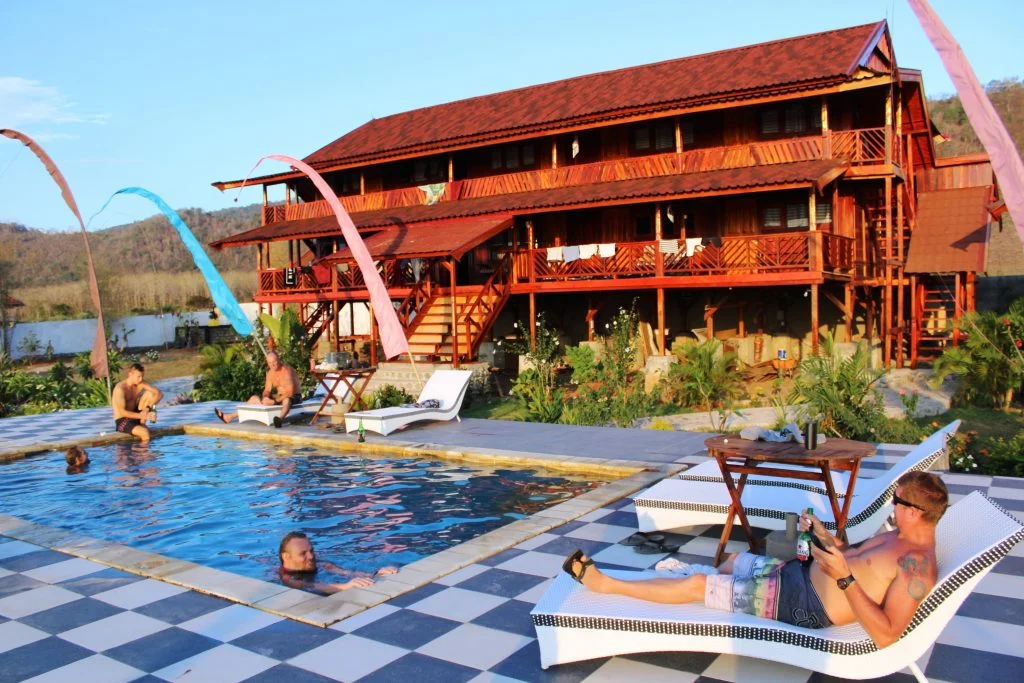
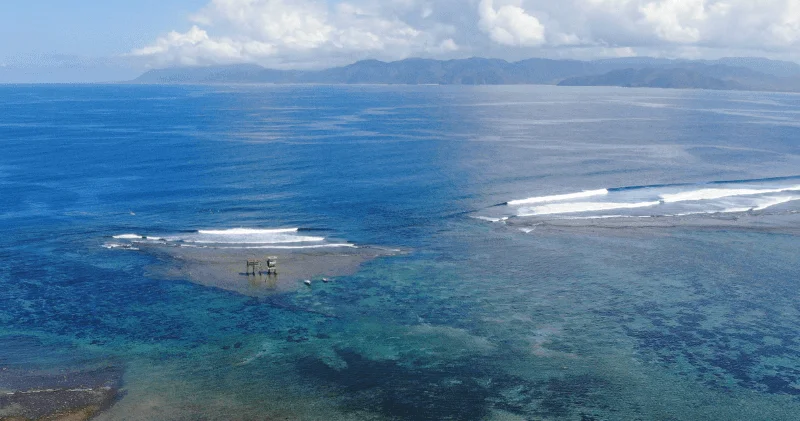
All 10 surf breaks in Sumbawa, A-Z
When Sumbawa fires
Sumbawa, the long version
Logistics
Flights land in Mataram, Lombok, roughly 2.5 hours by fast boat or scooter-ferry combination to Hu'u village (the de facto hub for Lakey Peak and Periscopes). Sumbawa's only real airport is in Bima, east of the surf zone, adding 4-5 hours travel time. I'd skip it and come via Lombok.
Boat shuttles between Hu'u, Maluk, and the north-coast breaks are arranged through your accommodation or local fixers. Expect 45 minutes to two hours depending on destination. Scooter rental in Hu'u costs 80-120k IDR daily.
The island has no traffic lights and one main coast road, so navigation is straightforward but surfaces are rough on the eastern stretches. Accommodation clusters around Hu'u and Maluk, ranging from basic losmen (guest houses) at 150-250k IDR per night to mid-range surfer bungalows at 400-600k IDR. Internet is spotty.
Download maps and forecasts before you arrive. No dedicated surf shops stock quality repairs, so arrive with spare leashes, fins, and ding repair materials. Pharmacies in Hu'u stock basic medical supplies.
ATMs exist but cash out larger amounts in Mataram or Lombok.
Lineup etiquette
Lakey Peak and Periscopes attract a mix of visiting charters, local guides, and long-term expats. Respect the hierarchy: give deference to locals who grew up in these lineups and have proven their skill. Drop-in culture is low compared to other Indonesian breaks, but the wave demands focus and respect for others' positioning.
Never paddle out in front of a group already locked in on a set. Wait for a lull and communicate your presence. The shallow reef means mistakes harm other surfers, not just you.
Scar Reef, tucked into a bay with limited entry points, feels more exclusive. If a charter is working the break, stay out of their water unless explicitly invited. At smaller breaks like Tropical and Dedjoeng Wane, crowds are manageable and locals are friendlier.
Weekends and full moons bring visiting boats, so weekday mornings are your best bet for uncrowded waves.
What to pack
Bring a 5'10 - 6'2 high-performance thruster for Lakey and Periscopes. A 6'0 - 6'4 for bigger reef passes. And a softer 5'8 - 6'0 for smaller, playful breaks like Tropical and Yo-Yos.
Water temperature sits 26-30°C year-round, so boardies or thin trunks are standard. A light lycra rashguard offers sun protection and reef rash prevention. Reef booties are essential.
The coral is sharp enough to cause deep lacerations. Pack a comprehensive first-aid kit: antibiotic ointment, sterile gauze, pain relief, and tweezers for coral fragments. Sunscreen must be reef-safe (zinc oxide or non-nano formulations).
Chemical sunscreens damage the ecosystem and irritate cuts. Bring polarized sunglasses for reading swell on the horizon and spotting channels. A 4-5mm spring suit or rash vest is advisable if you've got sensitive skin or plan frequent sessions.
Most locals and visiting surfers go shirtless or lycra-only. Overhead projector or swell chart on your phone. Forecasting apps are your primary tool.
Insect repellent for evenings. Mosquitoes carry dengue and other diseases.
When to go
April through September is the guaranteed window. April sees the first reliable SW groundswell with light SE trades. By May the pattern is locked in and waves are consistent 4-8ft most days.
June and July are peak: swell runs double overhead regularly, winds are light offshore mornings, and the dry season keeps rain to isolated showers. August holds well but can get choppy afternoons as winds strengthen. September still fires but is the tail end.
Swells begin tapering and rain increases. October onward, the trade winds flip, NW monsoon moisture rolls in, and S-facing breaks go flat. North-coast breaks like Scar Reef are counter-seasonal (best January-March) but require a different trip logistics-wise.
Winter in the Southern Hemisphere (June-August) pumps South African and Australian swells, which Sumbawa catches as S to SW groundswell with 5-10 day travel windows. If you can only go once, aim May-July. Budget surfers should target April or September fringes when flights drop and crowds thin slightly, though consistency dips.
Avoid November-January. The island is wet, swell is rare, and accommodation prices don't drop proportionally.
Where to eat post-surf
Hu'u village has a handful of beachfront warung (family-run eateries) and a few dedicated surfer cafes. Warung Sumbawa near the main beach serves solid nasi kuning (turmeric rice), grilled fish, and satay at under 50k IDR per plate. Order in the morning and eat with other surfers mid-morning.
Bamboo-roofed spot closer to Periscopes takeoff serves cold coconut and fresh papaya juice post-dawn sessions. Breakfast cost is negligible. Maluk village, the northern hub, has fewer options but a small market sells ripe mango, banana, and tamarind paste cheap.
Bring instant coffee or tea bags if you're particular. Rice, eggs, and grilled fish are staples everywhere. Expect authentic, unseasonable flavoring with turmeric and chili.
Fresh fruit is best bought from morning markets (around 6-7am) at the village center. Restaurants catering to tourists exist in larger towns but mark up aggressively. Cook your own meals in bungalows with kitchenettes if budget is tight.
Hidden alternatives
When Lakey and Periscopes are crowded, Dedjoeng Wane and Sejorong on the south coast offer long walls and empty lineups, though consistency is lower and you'll need a boat or patient local knowledge to find them. These spots work best during the off-season (Oct-Mar) or on smaller swell days when the marquee breaks are sectioning. Sejorong's 200-500m reef pass is a novelty if the swell angle and wind align.
Expect a 1-in-4 shot at proper conditions. Northern Right-handers and Tanjung Bloam remain lightly documented. Ask local guides if conditions match your skill level.
Tropical, near Yo-Yos, is a legitimate mid-tier alternative during shoulder seasons and handles inconsistent swell better than the big-wave reefs. It's shorter, friendlier, and rarely crowds beyond 8-10 people.
The questions we get asked most
No. Almost every major wave sits on sharp coral reefs in 4-12ft swells with strong currents. Yo-Yos and Tropical suit intermediate surfers on small days. First-timers should gain reef experience elsewhere before committing a trip here.
June-August peak season brings visiting charters to Lakey Peak and Periscopes. Weekends compound it. Weekday mornings April-May or September offer half the crowd with the same swell.
No. Water runs 26-30°C year-round. Boardies and a lycra rashguard for sun protection suffice. Reef booties are mandatory. The coral will cut bare feet.