
Surf trips in North Costa Rica
Consistent warm-water A-frames and reef barrels, April through October peak, beginner-friendly with world-class pockets.
North Costa Rica's Pacific coast serves up fast beachbreaks and reef-fed barrels across the Nicoya Peninsula and central coast, with Tamarindo and Santa Teresa anchoring the most accessible infrastructure.
April through October is when SW and S swells fire hardest, pairing with NE offshores to clean up morning faces across most breaks. March and September also deliver solid windows if crowds press you.
Beginners thrive here: mellow sandbars at Nosara and Guiones absorb skill ranges without gatekeeping, though lineups swell on weekends and holidays. Base yourself in Tamarindo for logistics (airport transfers, scooter rentals, restaurants) or Santa Teresa for a quieter pulse with similar breaks five minutes down the coast.
Plan two weeks minimum to avoid the seasonal grind and catch windows across multiple spots. The honest caveat: peak season prices spike hard, and finding elbow room at famous breaks requires early mornings or secondary spots.
Where should I surf in North Costa Rica?
26 spots and 4 camps in North Costa Rica.

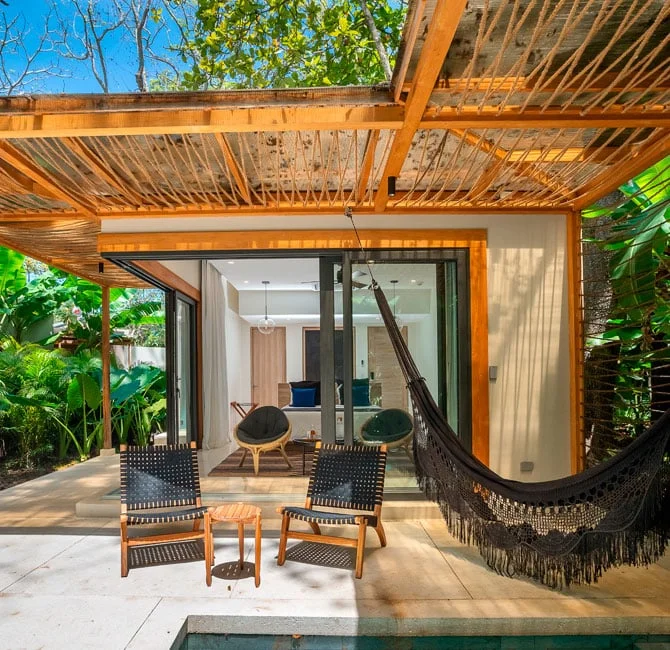
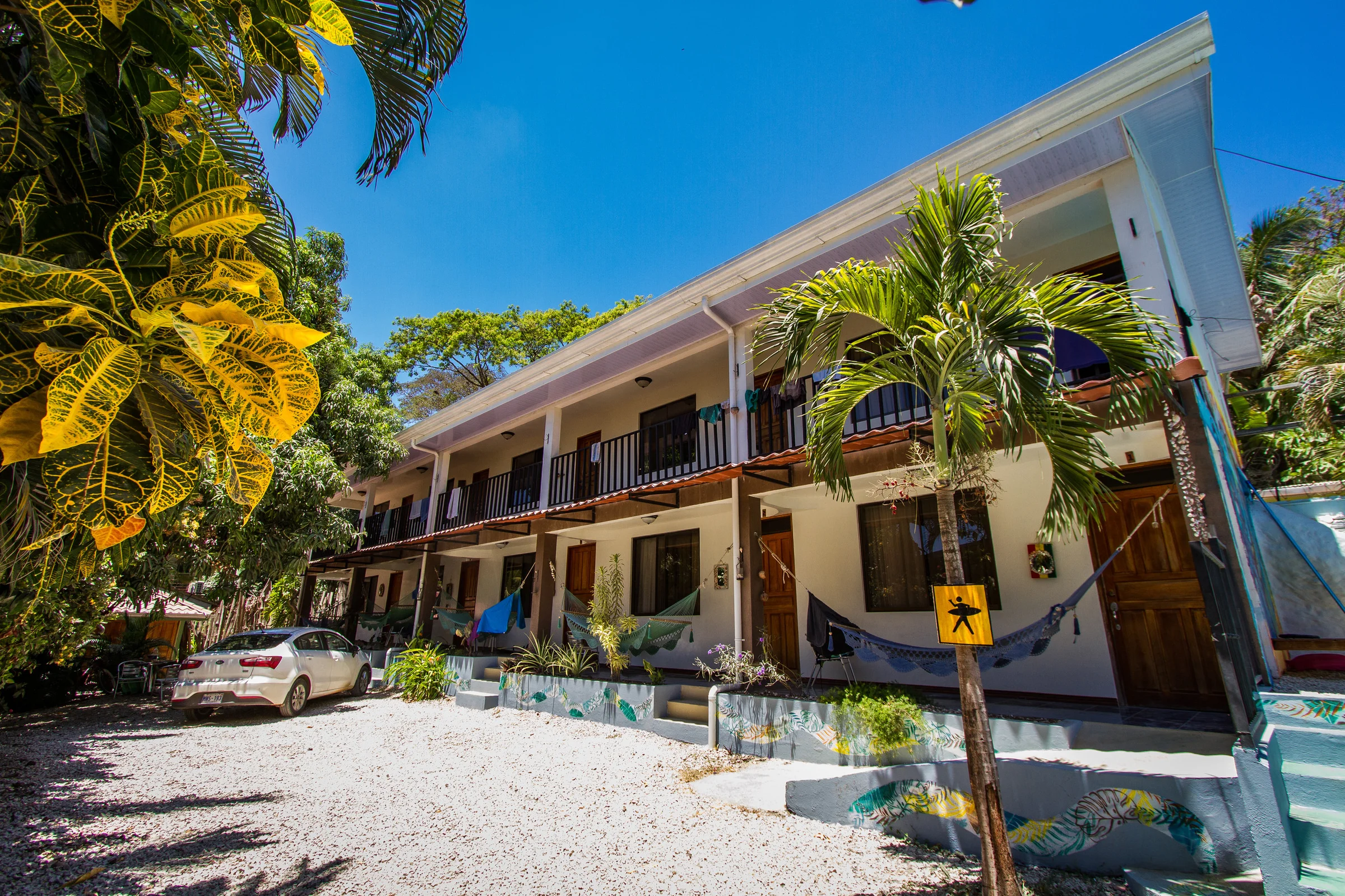

All 26 surf breaks in North Costa Rica, A-Z
When North Costa Rica fires
North Costa Rica, the long version
Logistics
You'll fly into San Jose (SJO) or Liberia (LIR). Liberia is closer to Guanacaste's famous breaks: 90 minutes to Tamarindo by car or shuttle. From San Jose, budget 5-6 hours to the Nicoya Peninsula or 3.5 hours to Jacó on the central coast.
I'd rent a 4WD scooter at either hub for $10-15 per day. Roads to secondary breaks can flood in green season, and traction matters in sand and gravel. Tamarindo has reliable shops, repair stands, and internet.
Santa Teresa is 45 minutes south by car. Roads are rougher but passable. Nosara sits north of Guiones and feels more isolated, though accommodations cluster in town.
Jacó anchors the central coast and connects quickly to Playa Hermosa. Plan 2-3 km of daily driving minimum to rotate breaks and avoid crowds.
Lineup etiquette
North Costa Rican lineups run relaxed but not lawless. Tamarindo and Nosara attract global tourists, so locals have seen every accent and ego trip. They don't mind sharing waves, but respect the peak position and don't drop in.
Playa Negra and Roca Loca are heavier and more local-centric: watch the pack before paddling out. At remote breaks like Ollie's Point (boat access only), the crew is usually friendly because you've paid for the ticket and endured the commute. Reef breaks demand precision over aggression.
Paddle the shoulder, not the impact zone. If a local waves you in, take the wave. If you snake a set, expect a stern word or silence, both worse than a shout.
The vibe improves if you bring respect, smile, and don't hog inside position.
What to pack
Bring two boards: a 5'10 - 6'2 high-performance shortboard for hollow A-frames and reef sections, plus a 6'4 - 7'0 all-rounder or fish for weaker days and beginner-friendly banks. Boardies alone are fine year-round. Water runs 24-30°C.
Reef booties are essential at Playa Negra, Roca Loca, and Ollie's Point to avoid sea urchins and sharp coral on entry and exit. Bring a quality sunscreen (reef-safe, mineral base) because tropical sun accelerates damage and locals here take UV seriously. Pack a basic first-aid kit: antibiotic cream, bandages, and tweezers for urchin spine removal.
A 3mm springsuit is optional for dawn patrols in the cooler months (March, October), but most surfers ditch it by 7am. Rent fins locally if you prefer. Shops stock decent options.
When to go
April through October is the wet season, but it's also peak swell window. Morning offshore winds and smaller crowds before rain hits make early May and June the best weeks. July-August heat and humidity climb, but swell consistency holds.
By September, Atlantic hurricane swells wrap around and pump the Caribbean-facing coast. Peak season tourists thin out and prices drop. October is golden: swell still solid, crowds easing, rain tapering.
March is a shoulder month with decent S swell and fewer tourists. November through February dries out, but swell fades and Caribbean swells (Miskito Cays) are unreliable this far south. If you hate crowds, skip Christmas-New Year and Easter weeks at all costs.
Book flights 8-10 weeks early for April-May to lock in lower airfare.
Where to eat post-surf
Tamarindo's beachfront strip caters to tourists but delivers consistent breakfast (Lazy Wave for acai, Fuego Brew for coffee) and casual dinner. Pachamama's pulls fish tacos worth the queue. Santa Teresa has Pepes Pizzeria (honest pie, cold beer, surfers everywhere) and Kintamani for Indonesian curries.
Both towns have sodas (local lunch spots) for $5-8 rice-and-bean plates. Nosara's smaller but Sabor Español does fresh ceviche and grilled fish. Jacó leans tourist-trap, but Fuego Brew maintains standards.
Pro tip: eat lunch early (11:30am-1pm) before the tourist wave hits. You'll find empty tables, faster service, and genuine local food, not modified "gringo" versions.
Hidden alternatives
When Tamarindo and Santa Teresa pack out, head north to Ostional: empty beachbreak peaks, black sand, longboard-friendly walls, and almost no tourists beyond Nosara day-trippers. Access is a paved 45-minute drive from Guiones.
Playa Coyote (north of Punta Coyote, a dirt road off the main highway) is a semi-powerful A-frame over reef that stays near-empty because the access is genuinely rough and the nearest town is 30 minutes away. Bring snacks and a full tank.
For serious surfers comfortable with heavy reef, Roca Loca (1km south of Jacó on the central coast) fires harder and cleaner than Playa Hermosa, with a fraction of the crowd because entry and exit via rocks demands focus and respect.
The questions we get asked most
Yes. Nosara, Guiones, Tamarindo, and Mal Pais have mellow, forgiving sandbars and A-frame peaks ideal for learning. Avoid reef breaks like Playa Negra and Roca Loca until you're comfortable with entry and exit precision.
December-January and Easter week see peak tourist flights and full lineups at Tamarindo, Nosara, and Santa Teresa. May-June and September-October are less crowded and still have solid swell.
No. Water runs 24-30°C year-round. Boardies are standard. A 3mm springsuit is optional for dawn patrols in March and October if you're cold-sensitive, but most surfers skip it.