
Surf trips in Jeffreys Bay
Long-walled point breaks, powerful Southern Ocean swells, winter consistency, crowded but world-class.
Jeffreys Bay is defined by linked right-hand point breaks that peel for hundreds of metres when Southern Ocean swells align.
J-Bay's Supertubes and Seal Point form the backbone, both demanding respect and reward precision. Winter (May through October) delivers consistent SW and S swells that wrap into the bay.
Summer brings smaller, messier conditions and lighter swell windows. Intermediate to advanced surfers will find their level here, though crowds reflect the region's prestige.
I'd base in the town of Jeffreys Bay itself and make day trips to Cape St Francis or venture 100km west when the main points pack out. The region has genuine teeth: fast, hollow walls, shifting tides, and sharp reef sections mean you're surfing consequences, not novelties.
Where should I surf in Jeffreys Bay?
4 spots and 4 camps in Jeffreys Bay.
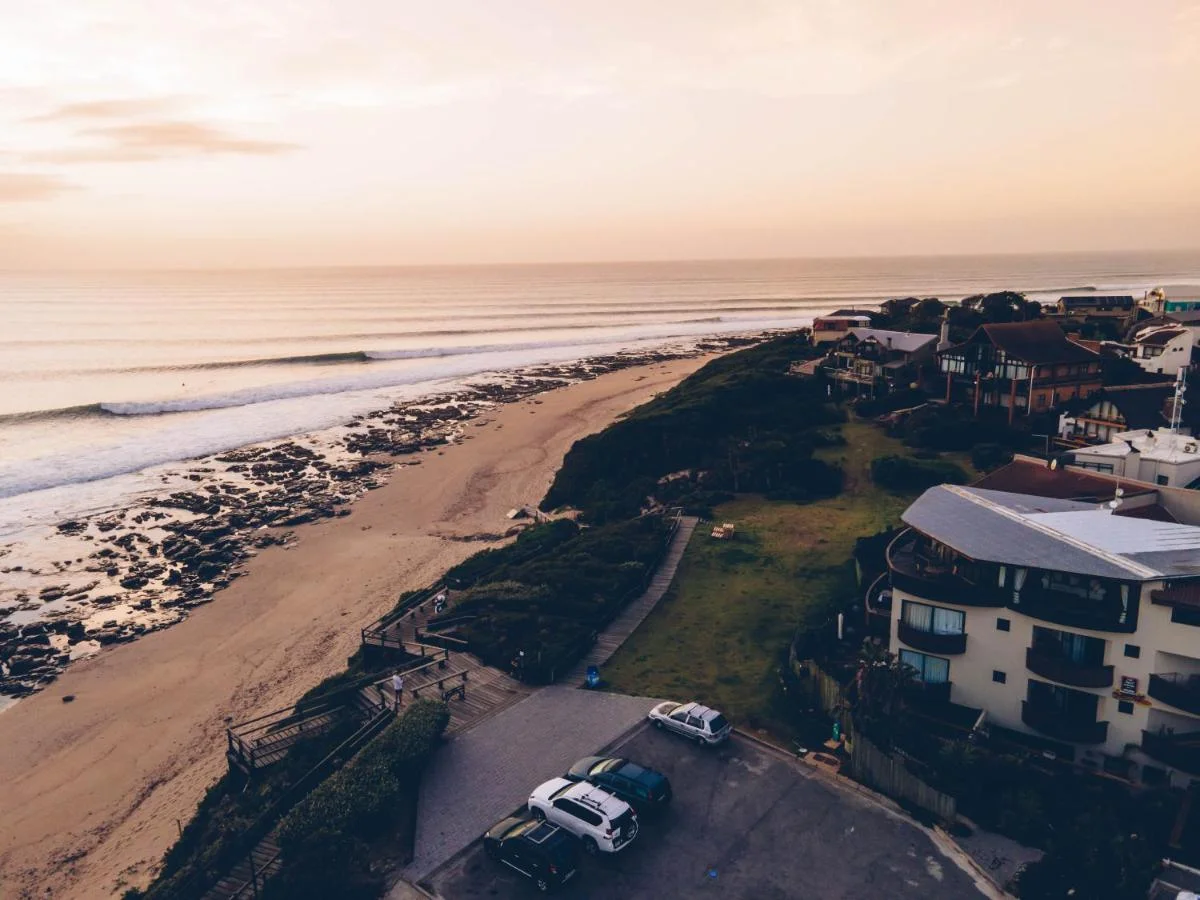
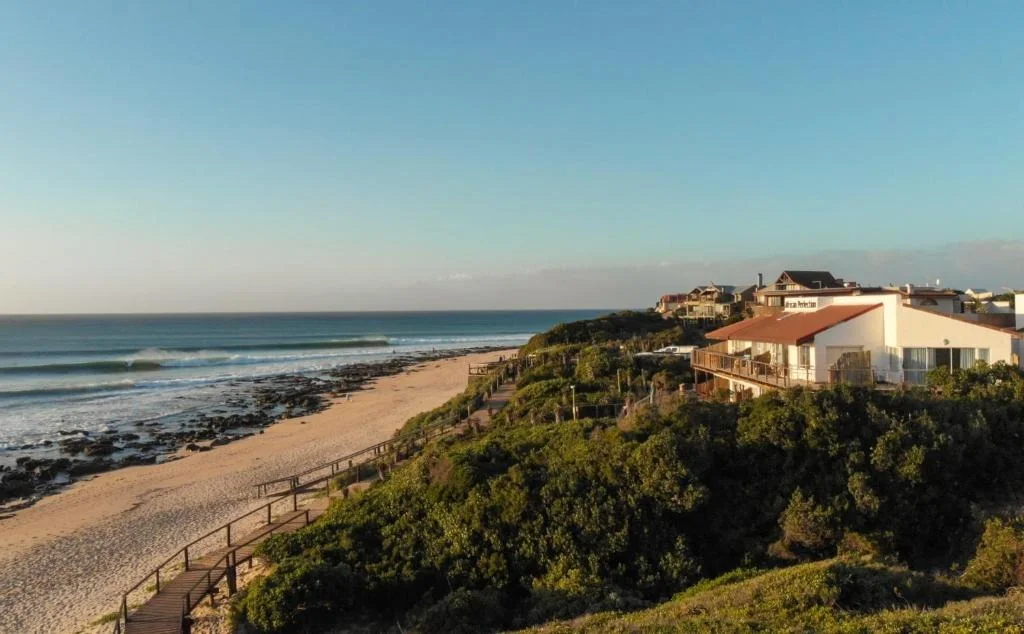
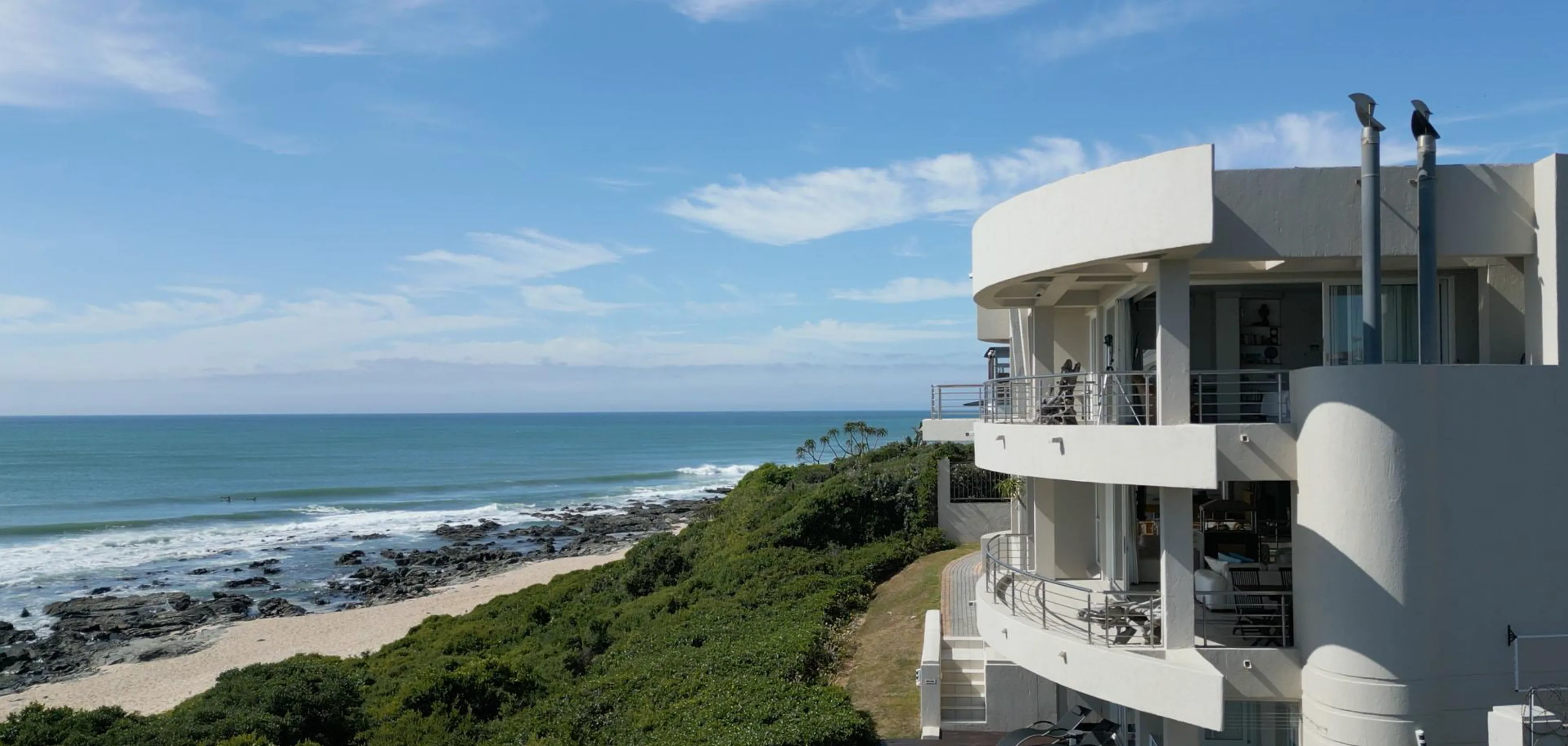
All 4 surf breaks in Jeffreys Bay, A-Z
When Jeffreys Bay fires
Jeffreys Bay, the long version
Logistics
Port Elizabeth International Airport (PLZ) is your entry point, roughly 70km west of Jeffreys Bay town. Rental car is essential. The drive takes 90 minutes and opens up the full Eastern Cape coast.
Jeffreys Bay town sits on the N2 highway and has basic accommodation scattered through town and along the beachfront. Internet is reliable in town but spotty in outlying breaks. Fuel stations and supermarkets cluster near the main drag.
For repairs and board work, local shapers and repair shops operate in town, though serious damage may require a drive to Port Elizabeth. If you're spotting swell variation, a scooter won't help you chase points 100km apart. Keep the car.
Lineup Etiquette
J-Bay has a hierarchy earned by consistency and skill. Locals own the peak at Supertubes, and they watch newcomers closely. Don't drop in, don't paddle inside, don't snake sets.
Intermediate surfers should expect to earn waves through patience and respect. The break rewards positioning and wave knowledge over aggression. Seal Point carries fewer locals but is faster and hollower, punishing mistakes.
Cape St Francis is slightly more forgiving in spirit, though it still demands technical competence. Solo travelers without local vouching will sit deeper and wait longer. The unwritten rule: show up early, surf quiet, and paddle out ready to work.
Attitude earns you nothing. Smooth strokes and respect earn you room.
What to Pack
Bring a 6'0 - 6'4 performance shortboard for Supertubes and Seal Point. The fast walls and barrel sections reward turning space over float. A thinner 5'10 - 6'0 is useful for smaller winter days and Cape St Francis.
Reef booties are not optional. Urchins and sharp rock are part of the break. A 3/2 springsuit handles May through October.
August water temperature drops to 14°C, so consider a 4/3 for peak winter or layering capacity. Bring reef-safe sunscreen, a basic first-aid kit (vinegar for sting rays, waterproof bandages for abrasions), and ear protection if you're prone to surfer's ear. Your leash should be 6ft minimum.
Points require it. Leave the soft-top at home.
When to Go
May through October is the window. May and September sit at the sweet spot: consistent S and SW swells, fewer international travelers than July and August, and water temperature still manageable (18-20°C). June and July are the coldest and most reliable.
Expect overhead+ barrels regularly and peak crowds. August is technically best swell-wise but brings the coldest water and the most travel traffic. October is underrated.
Swells continue, crowds thin noticeably, and water begins warming. April and November are hit-or-miss. December through March is summer: smaller swell, NE winds that ruin faces, and warm water (24-26°C) that attracts beginner tourists and crowds without quality.
Where to Eat Post-Surf
Jeffrey's Bay town has a functional restaurant strip near the beach. Waffle House serves strong coffee and breakfast through early afternoon, ideal for a post-dawn-patrol refuel. Peppery's in town does straightforward seafood and burgers with a local vibe.
For a sit-down dinner after bigger sessions, The Driftwood offers simple fish and chips and views across the bay. None of these are destination restaurants, but they're genuine fuel stops frequented by working surfers and fishermen, not tourists. Stock your accommodation with peanut butter, bread, and fruit if you're chasing early mornings.
Eating out multiple times daily adds up fast.
Hidden Alternatives
When Supertubes crowds hit double digits, Seal Point on Cape St Francis peninsula picks up similar swell but spreads the lineup thinner. It's only 10km away but requires paddling around the headland and reading the swell differently.
Cape St Francis itself, 100km west, still holds the mythology from *The Endless Summer* and works on slightly larger swell. It's a full day trip but rewarding on clean winter swells.
Closer to town, Pollok Beach and Summerstrand offer slower, smaller-wave alternatives on NE swells or when the points are blown out, though they're true B-tier and best approached as backup sessions rather than primary targets.
The questions we get asked most
No. J-Bay and Seal Point require intermediate skill minimum. Points are fast, barrels are real, and paddling in means paddling consequences. King's Beach offers beginner-friendly shape, but the region's reputation rests on advanced-only breaks.
June, July, and August peak with international travel. If solitude matters, skip winter peak or visit May and September instead. Even then, Supertubes regularly has 30+ surfers on good days.
Yes. May through October requires a 3/2 to 4/3 depending on cold sensitivity and month. August water hits 14°C. December through March is warm (24-26°C) but rarely worth visiting for swell quality.