
Surf trips in Panama Caribbean
Warm Caribbean reefs, expert tubes, October through February swell window.
Panama's Caribbean coast wraps around the Bocas del Toro archipelago, where submerged reef breaks deliver sharp, fast-walling tubes and short violent kegs that demand respect.
The dry season runs October through February, when northerly and easterly Caribbean swells march across the islands at 2-10ft, peaking December through January. Summer sees sporadic NE wind-swell and occasional storms, but the dry months are where you hunt.
Most breaks suit intermediate-advanced surfers and above. The reef doesn't forgive sloppy takeoffs, and the locals are territorial enough to keep you honest.
Base yourself in Bocas town, rent a boat or water-taxi between islands, and plan 5-7 days minimum to work through the lineup rotation. Crowds cluster at Paunch.
The reefs farther out stay emptier and angrier.
Where should I surf in Panama Caribbean?
5 spots and 1 camps in Panama Caribbean.
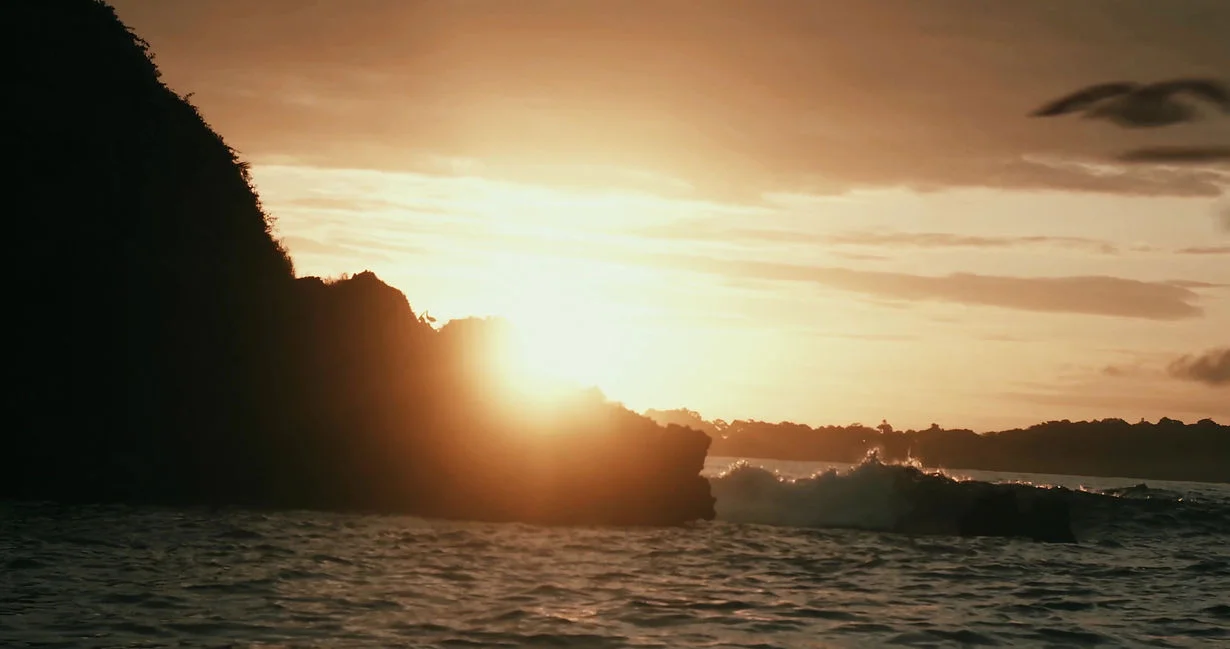
When Panama Caribbean fires
Panama Caribbean, the long version
Logistics
Tocumen International Airport in Panama City is your gateway. From there, catch a domestic flight to Bocas del Toro (45 minutes, roughly $50-80 USD one-way) or drive 5-6 hours north to Almirante and ferry across to the islands (cheaper, slower). Most surfers fly.
Once in Bocas town, you'll need a boat or water-taxi to reach the outer reefs. Rent a speedboat ($50-150 USD per day split among friends) or hitch rides with boat operators who know the breaks. Scooters work for beach-break scouting on the main islands, but you're water-dependent for the proper reef work.
Accommodation ranges from budget hostels ($12-25 USD) in Bocas town to mid-range hotels and vacation rentals ($40-80 USD). Internet is spotty but functional. Repair shops are minimal.
Bring spare fins, leashes, and basic tools. Pharmacies stock sunscreen, but reef-safe options are limited, so pack your own.
Lineup Etiquette
Bocas del Toro's outer reefs are not beginner-friendly, and the lineup knows it. Respect the hierarchy: experienced local guides and resident expats have first claim on the peak at Dumpers, Silverbacks, and the harder reefs. Paunch, being closest to town, attracts surf schools and intermediates.
Keep your ego in check and don't drop in on instructors leading groups. The Bocas community is small and tight. Showing up with humility, taking turns, and respecting the reef's danger earns you waves faster than aggression.
Never paddle out unprepared or under-skilled. The locals won't help a drowning tourist who ignored warnings. At beach breaks like Wizard Beach, the vibe loosens, but the empty lineup is a privilege, not a right.
Sit on the shoulder, read the peak, and earn your set.
What to Pack
Bring two boards: a 5'8 - 6'0 performance shortboard for the punchy reefs and a 6'2 - 6'6 mid-length for when swell softens or you need paddle power through channel currents. The reefs don't tolerate thick, stiff guns. Go responsive and loose.
Water temps run 26-30°C year-round, so boardies or a 2mm springsuit is enough most days. However, pack a long-sleeve rash guard for sun protection and minor abrasion defense. Reef booties are non-negotiable.
The coral cuts deep and fast. Bring a quality first-aid kit with antiseptic, bandages, and antibacterial ointment. Sunscreen should be reef-safe (zinc oxide based) and high SPF.
The equatorial sun here is relentless. A small dry bag with dry clothes, flip-flops, and a waterproof phone case makes post-surf mobility easier. If you're boat-dependent, bring a light backpack and secure it well.
When to Go
October through February is the window. October marks the start of the Caribbean dry season and the first real NE and N swells. Expect 3-6ft, occasional crowds as word spreads, and afternoon winds.
November consolidates the pattern: 4-8ft becomes reliable, morning glass is common, and December through January stay the busiest and most consistent. Dumpers, Silverbacks, and the harder reefs light up at 6-10ft during these peak months. Paunch and Bocas del Toro stay busy with intermediates.
February thins out both swell and crowds but still delivers 4-6ft on solid mornings. March sees the trade winds peak and become onshore by afternoon. Still rideable but choppy.
April through September is summer: sporadic NE swell, frequent afternoon thunderstorms, muggy heat, and the cheapest rates. Some sessions fire, but consistency drops to 30-40 percent, and you're chasing forecasts between rain squalls. First-timers should target December or January for maximum learning days.
Budget travelers and crowd-shy surfers prefer late October or early February.
The questions we get asked most
No. Most breaks here are submerged reef with sharp takeoffs and fast tubes. Paunch can accept confident intermediates with instruction, but Dumpers, Silverbacks, and the outer reefs are expert-only. Wizard Beach offers a more forgiving beach-break option.
December through January see the most visitors and the fullest lineups, especially at Paunch and Bocas del Toro town breaks. October, November, February, and March are noticeably quieter with similar or better swell.
No. Water is 26-30°C year-round. A rash guard and reef booties are more essential for sun and coral protection. A 2mm springsuit is optional comfort on cooler mornings.