
Surf trips in Southwestern Sri Lanka
Warm reef and beach breaks, November to April dry season, beginner-friendly with performance pockets.
Southwestern Sri Lanka is a string of warm-water reef and sand breaks that fire consistently during the northeast monsoon window.
The coast splits into two seasons: May through October brings smaller, scattered swell to the west, while November through April is when SW groundswell wraps the south coast, lighting up spots from Weligama Bay through Galle. Beginners own the lineup here, and skilled surfers find their own deep-reef challenges at places like Rams and The Rock.
Most visitors base in Hikkaduwa or Midigama for 5-10 days and scooter between breaks. One honest note: this coast is crowded, especially at the famous breaks, and the reef tax is real if you don't respect the shallow coral.
Where should I surf in Southwestern Sri Lanka?
14 spots and 10 camps in Southwestern Sri Lanka.
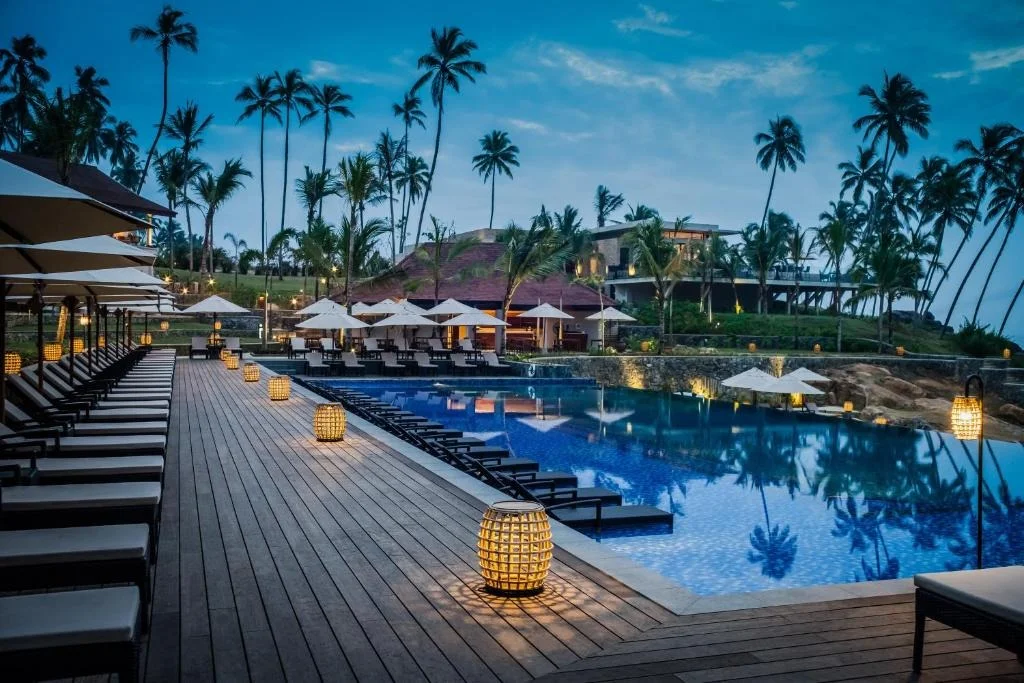
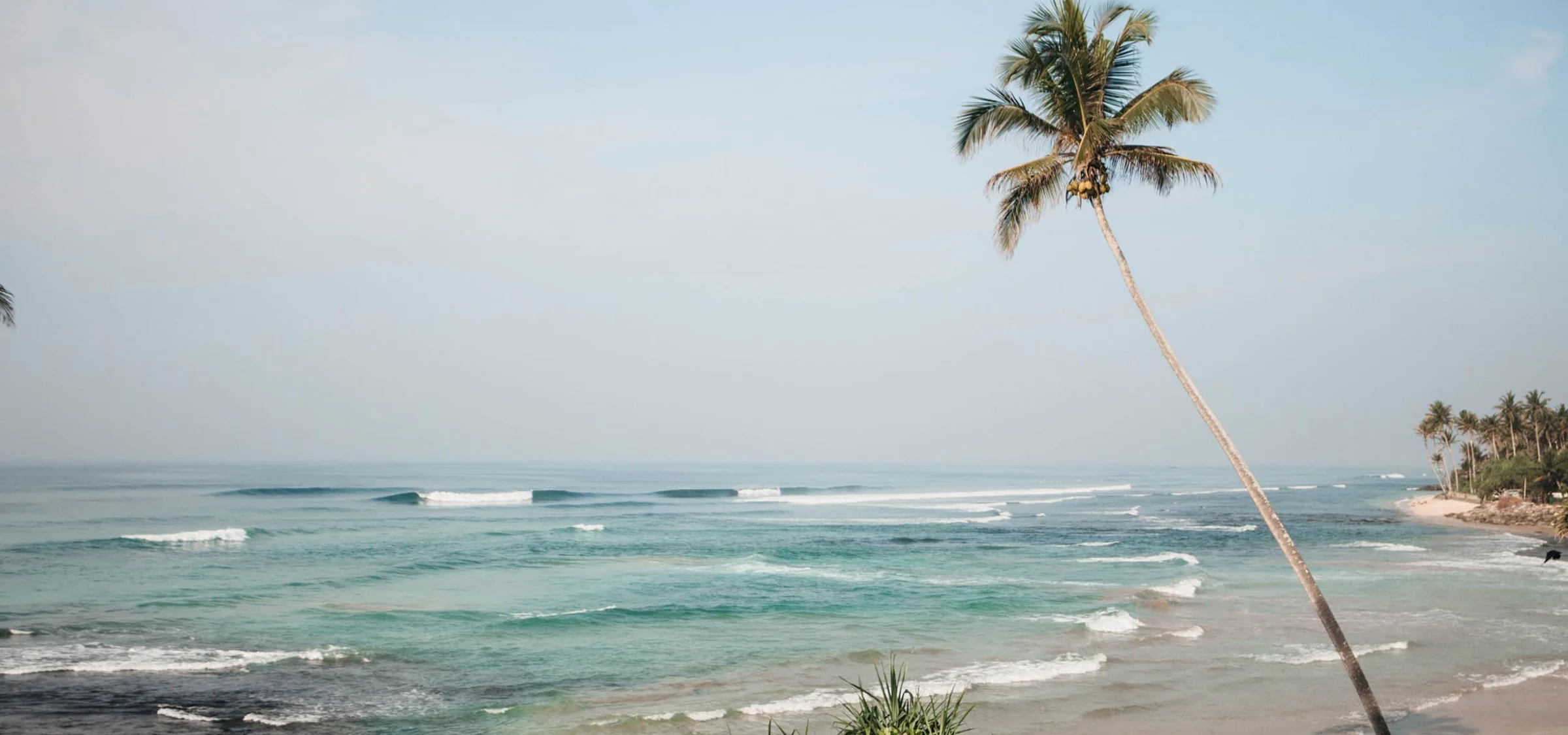
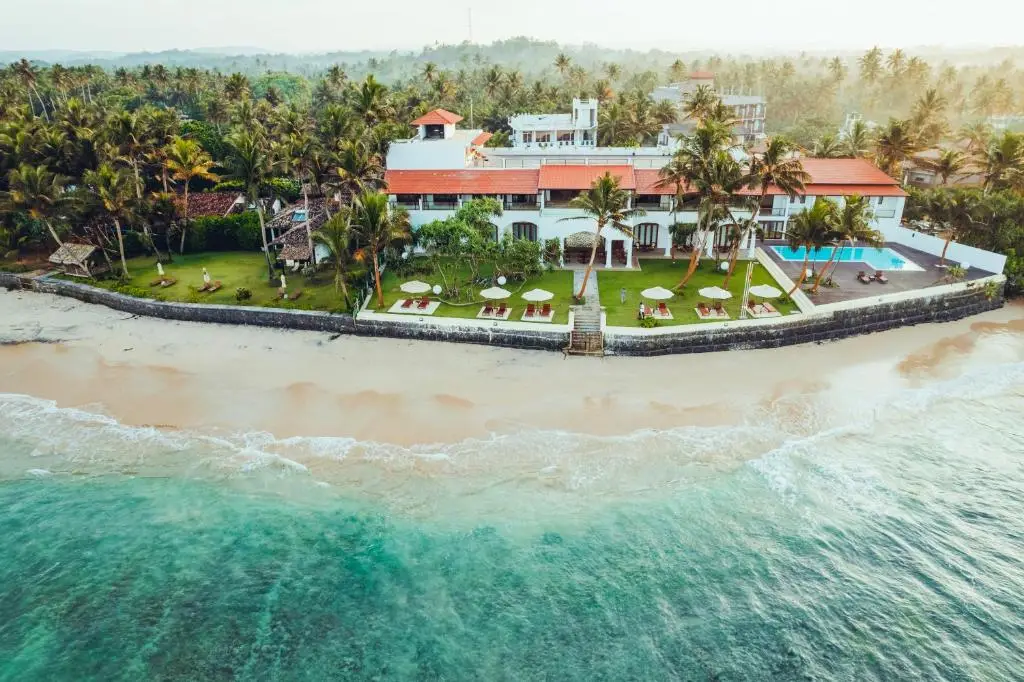
All 14 surf breaks in Southwestern Sri Lanka, A-Z
When Southwestern Sri Lanka fires
Southwestern Sri Lanka, the long version
Logistics
Bandaranaike International Airport (CMB) near Colombo is the entry point. From there, hire a scooter or ride share down the coastal highway toward Galle, roughly 130km and 3-4 hours by road. Most surfers base in Hikkaduwa or Midigama, the twin hubs of the southwest coast.
Both towns have guest houses, hotels, and surf schools clustered within walking distance of the breaks. Guesthouses cost 15-40 USD per night. Scooter rental runs 5-8 USD daily.
The main highway is busy but straightforward. Stick to daylight riding. Surf shops and repair stands are scattered through Hikkaduwa and Midigama, though spare boards and quality repairs can be hit-or-miss.
Bring backup equipment. Mobile internet is solid via Airtel or Dialog SIM cards, purchasable at the airport.
Lineup etiquette
This coast draws a mix of guesthouse learners, local regulars, and traveling surfers. Respect is currency. At beginner breaks like Weligama and Sunbeach, don't drop in on beginners learning their pop-up.
At the reefs like Rams and The Rock, experienced locals will have first pick of the tubes. Don't paddle out at Rams unless you can barrel. It's not a learning wave and the locals will let you know.
At Main Point and Hikkaduwa, lineups are dense but unaggressively managed. Sit on the shoulder, read the wave, take your turn. If you're foreign and unskilled, morning sessions before 7am are quieter.
Locals don't hold grudges if you're humble and don't hog waves.
What to pack
Bring a 5'8 - 6'2 high-volume shortboard for the beginner breaks, a 6'0 - 6'4 all-rounder for chest-to-head-high days, and a 5'6 - 5'10 reef gun if you want to try Rams or The Rock. Boardies suffice year-round. The water runs 26-30°C.
Reef booties are essential. Cuts on shallow coral are common and easy to get infected. Pack a solid first-aid kit with antibiotic ointment and blister tape.
Bring reef-safe sunscreen. The sun is unforgiving. A light rash guard helps with both UV and coral scrapes.
Leave your ego at home and respect the shallow reefs.
When to go
November through April is the only window worth planning around. November and December see the season kick in with solid SW groundswell and light NE offshores. January through March is the peak: most consistent swell, cleanest winds, and warmest water.
April thins out but still works. May through October is monsoon season on this coast. The west coast and north coast fire during this period, but the south coast gets choppy, smaller, and less organized.
If you're locked into May through September travel, skip the southwest and head to Arugambe or Midigama's west-facing alternatives.
Where to eat post-surf
Hikkaduwa has a thick backpacker restaurant strip. Lucky Fort serves solid curry and fresh fish right by the break. Temple Surf Restaurant on the main road does good hoppers and strong coffee.
Midigama is quieter. Moon House sits near Lazy Left and serves Sri Lankan standards with a traveler-friendly vibe. Galle town, 20 minutes south, has real restaurants: Pedlar's Inn serves Western standards and local plates in the old fort district.
Post-surf meals run 3-8 USD at warungs, 12-20 USD at sit-down places.
Hidden alternatives
Matara, near the southwestern tip, is undercut by most guidebooks. It's a powerful sandbar break with fewer tourists and genuine empty days, especially February through March.
Unawatuna sits west of Galle and offers sheltered, mellow peaks perfect for a rest-day session away from the Hikkaduwa crowds. Devil's Island requires a boat, which is a hassle, but the reef rewards patient hunters in the Jan-Mar peak window.
The questions we get asked most
Absolutely. Weligama Bay, Hikkaduwa, and Sunbeach Break are built for learners. The water is always warm, and most breaks have a soft entry. Expect crowds at sunrise and late afternoon when local schools paddle out.
Peak season is January through March. Hikkaduwa and Weligama get packed 7-9am and 4-6pm. If you want empty waves, hit Matara or sunrise sessions away from town, or travel in November or April shoulder season.
No. Water is 26-30°C year-round. Boardies are sufficient. Wear a light rash guard to reduce reef cuts and sun damage.