When to go
The Atlantic coasts run September through March. That is the window I plan around every time. October and November are the sweet spot for the Southwest: NW groundswell arrives on a rhythm, 4-8ft days stack up in Hossegor, and the water is still manageable at around 16-18°C. December through February brings bigger, rawer swell and water temps that drop to 12-14°C. You will need a 4/3mm or 5/3mm suit plus boots and gloves for January surf sessions in Brittany or Normandy.
Spring is a shoulder season. March and April still produce swell on the Atlantic, but frequency drops. May through August is largely flat on the Atlantic standard, with occasional small-swell days keeping the beachbreaks active. Summer in Hossegor and Lacanau means crowds without the waves to justify them.
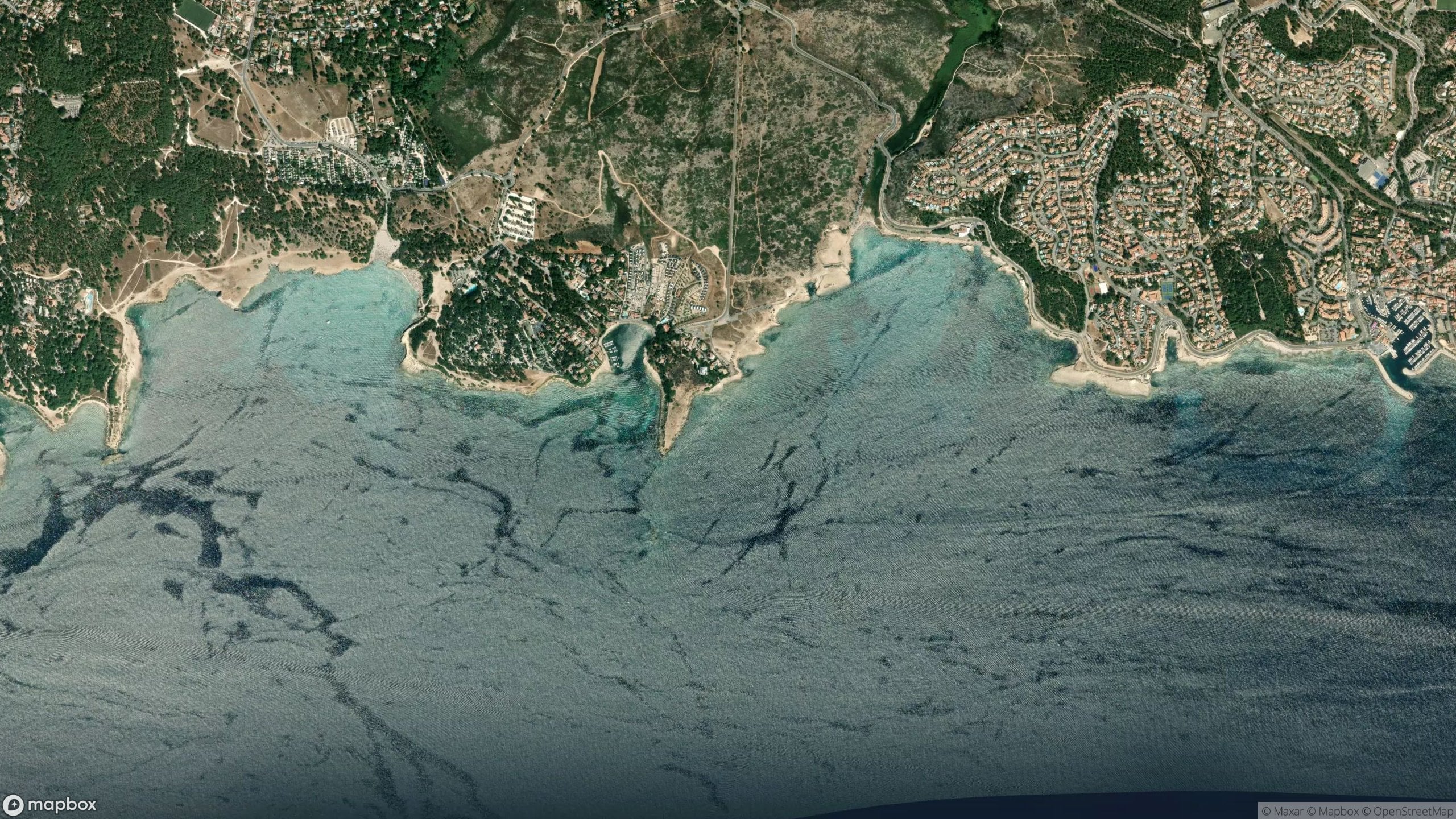
The Mediterranean coasts, Marseille, Languedoc, and the Riviera around Cannes, need Atlantic storm systems to stall over the western basin. October through March gives the best odds. Expect inconsistency. Two days of chest-high reef surf followed by a week of glass. If I were chasing Mediterranean surf specifically, I would build a flexible itinerary and treat the flat days as cultural time.
Reunion Island flips the calendar entirely. April through October is the prime window, driven by Southern Hemisphere swells wrapping around the island and trade winds grooming the faces clean. Water temperature sits around 24-26°C year-round. Plan Reunion as a separate trip rather than tagging it onto a mainland France surf trip.
Where in the country to base
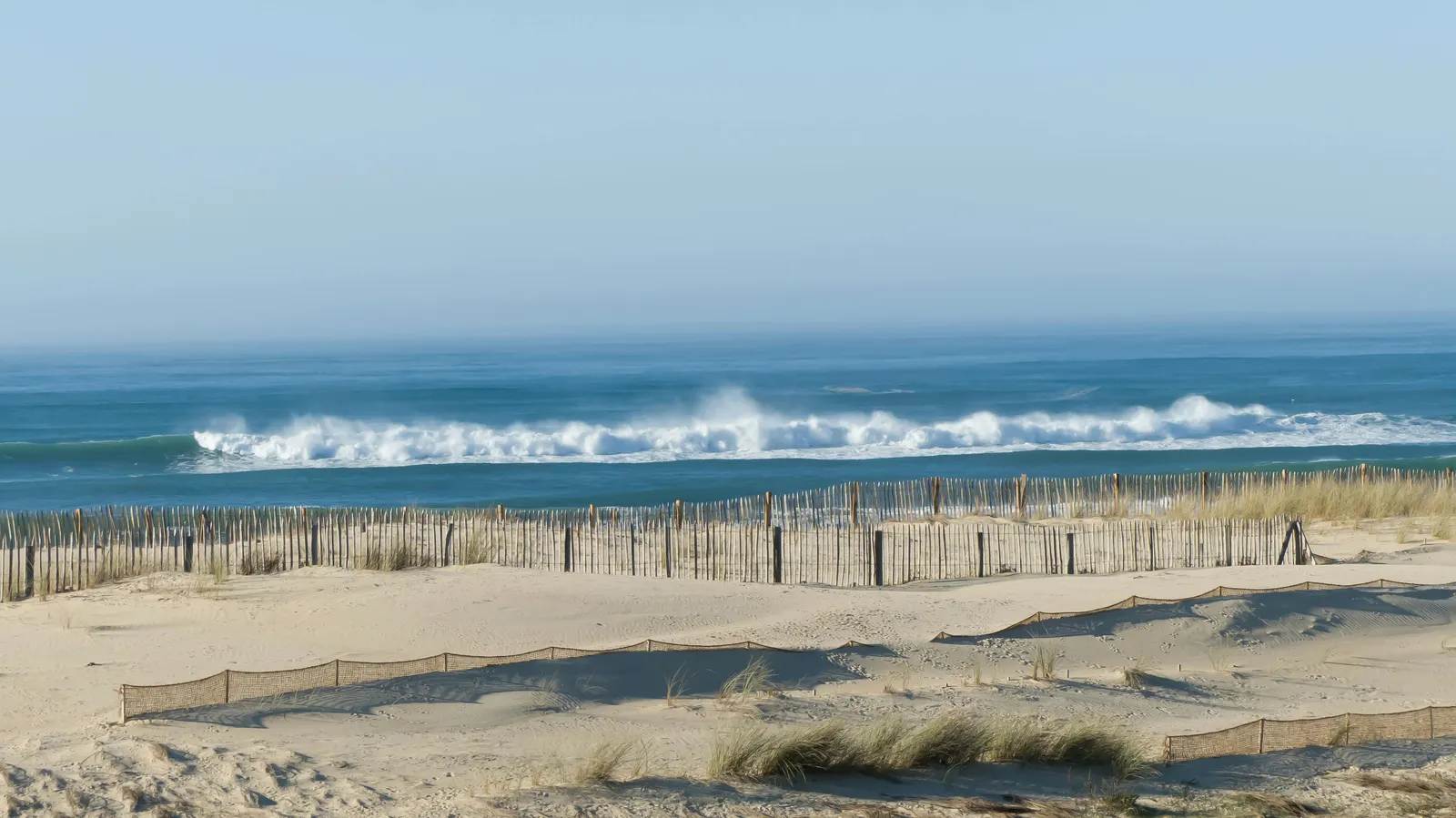
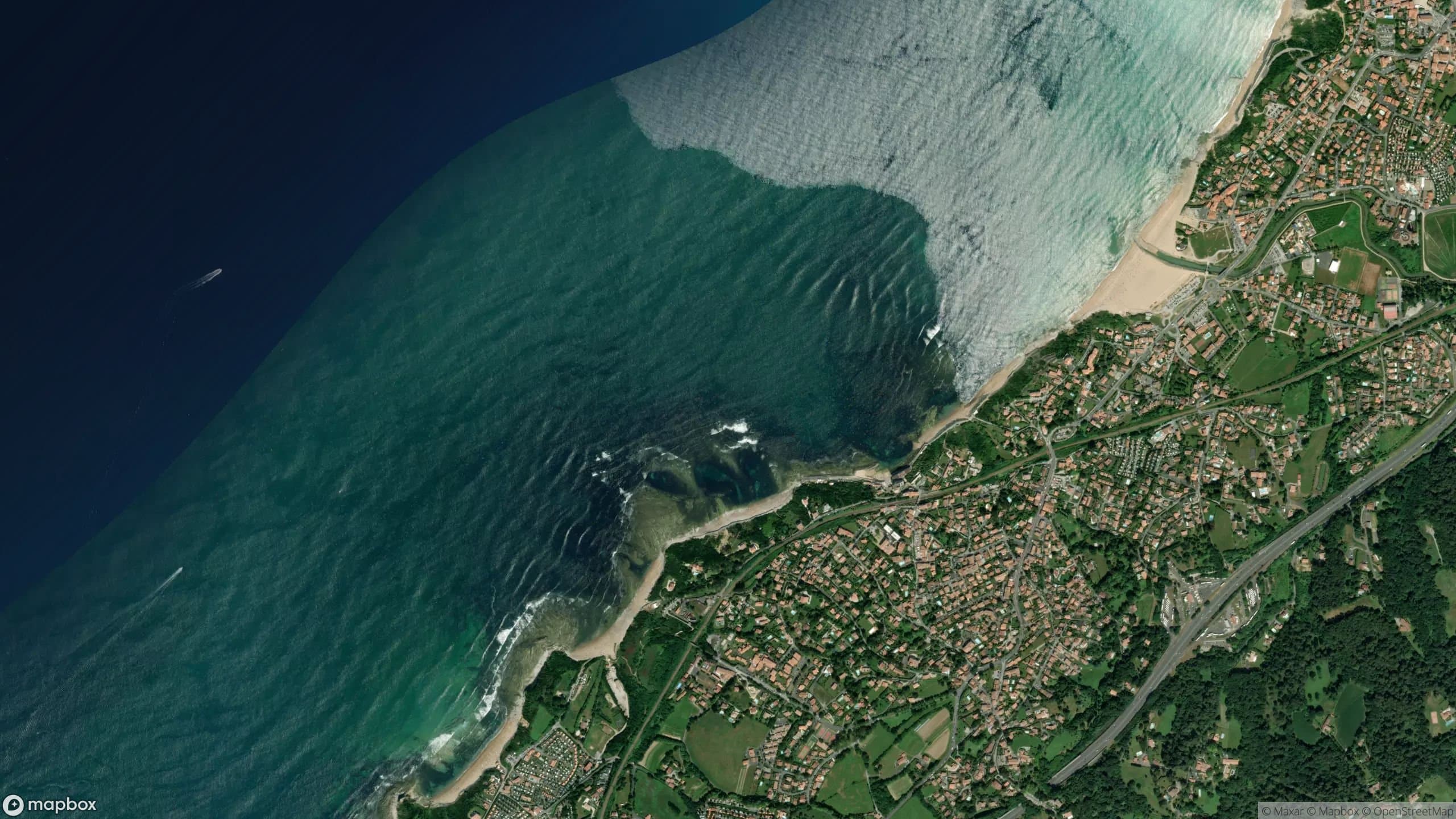
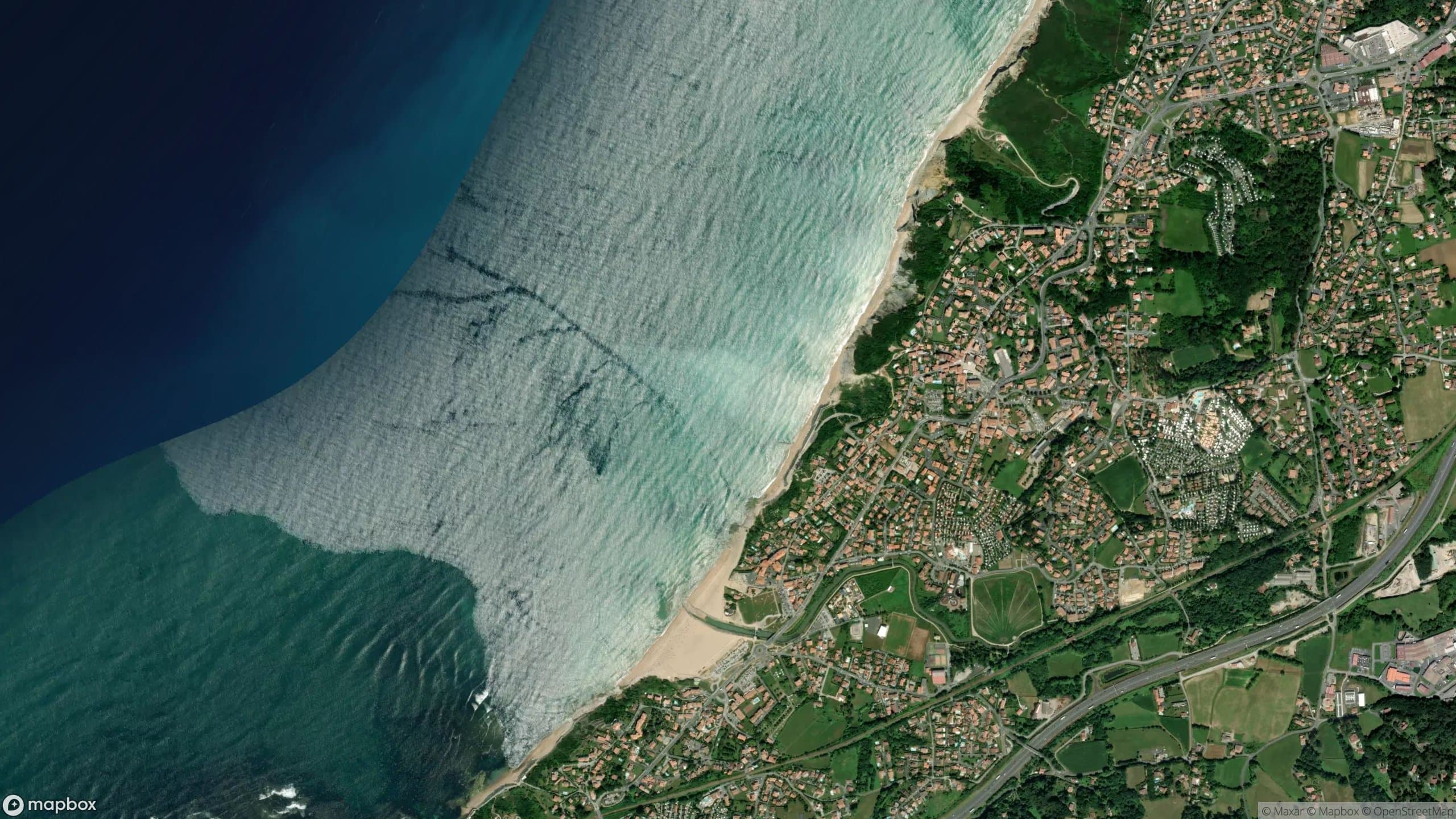
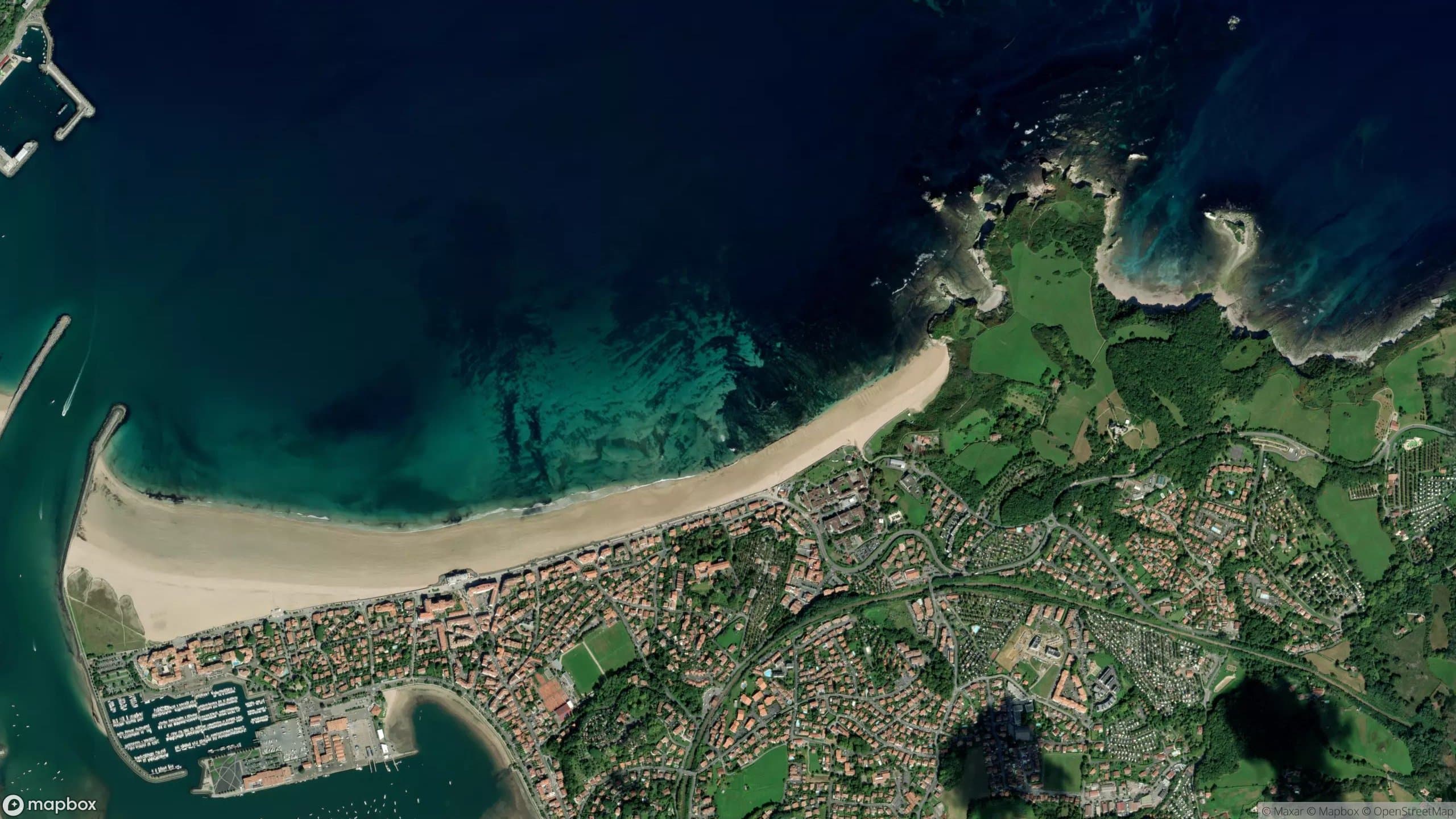
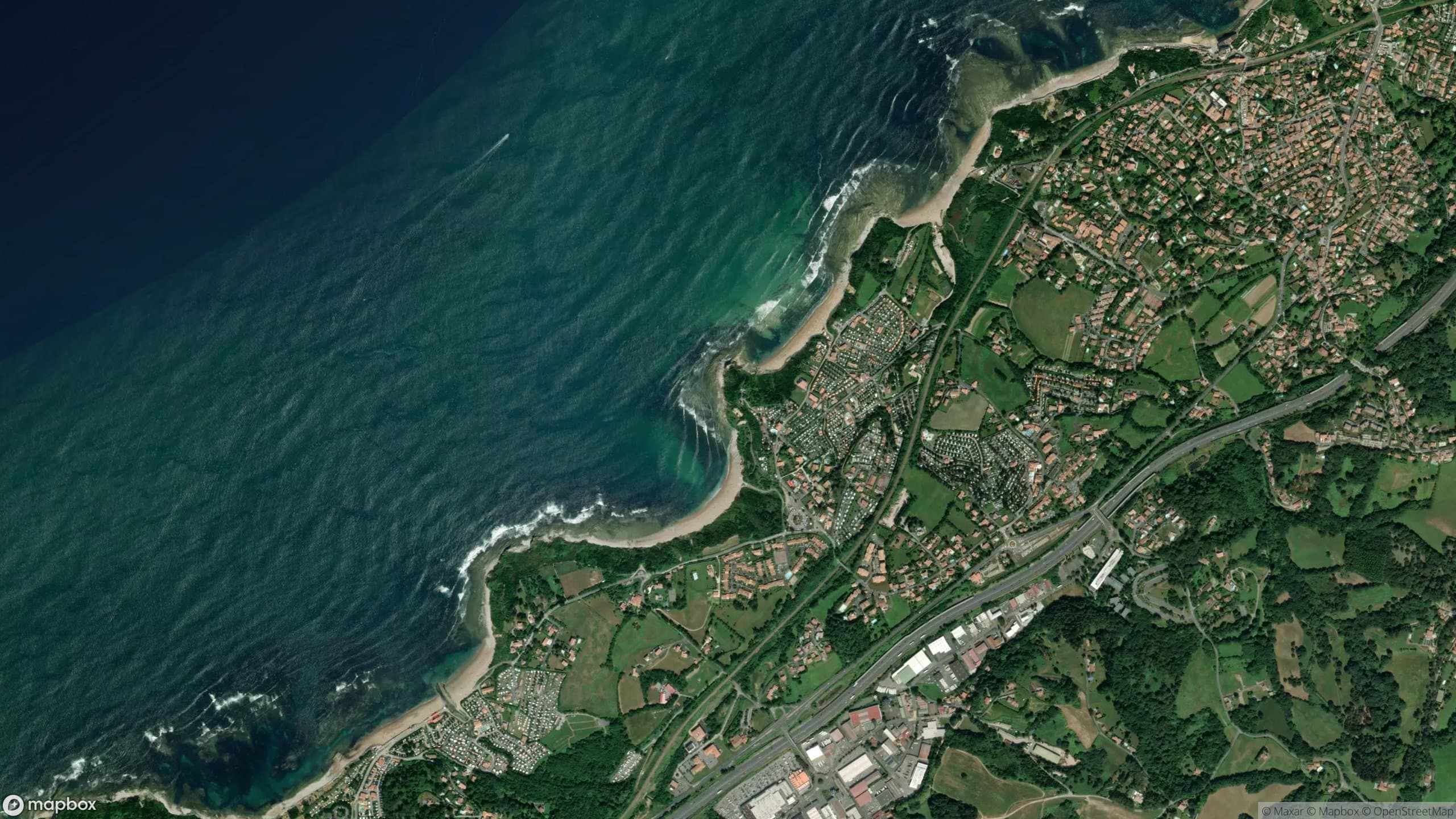
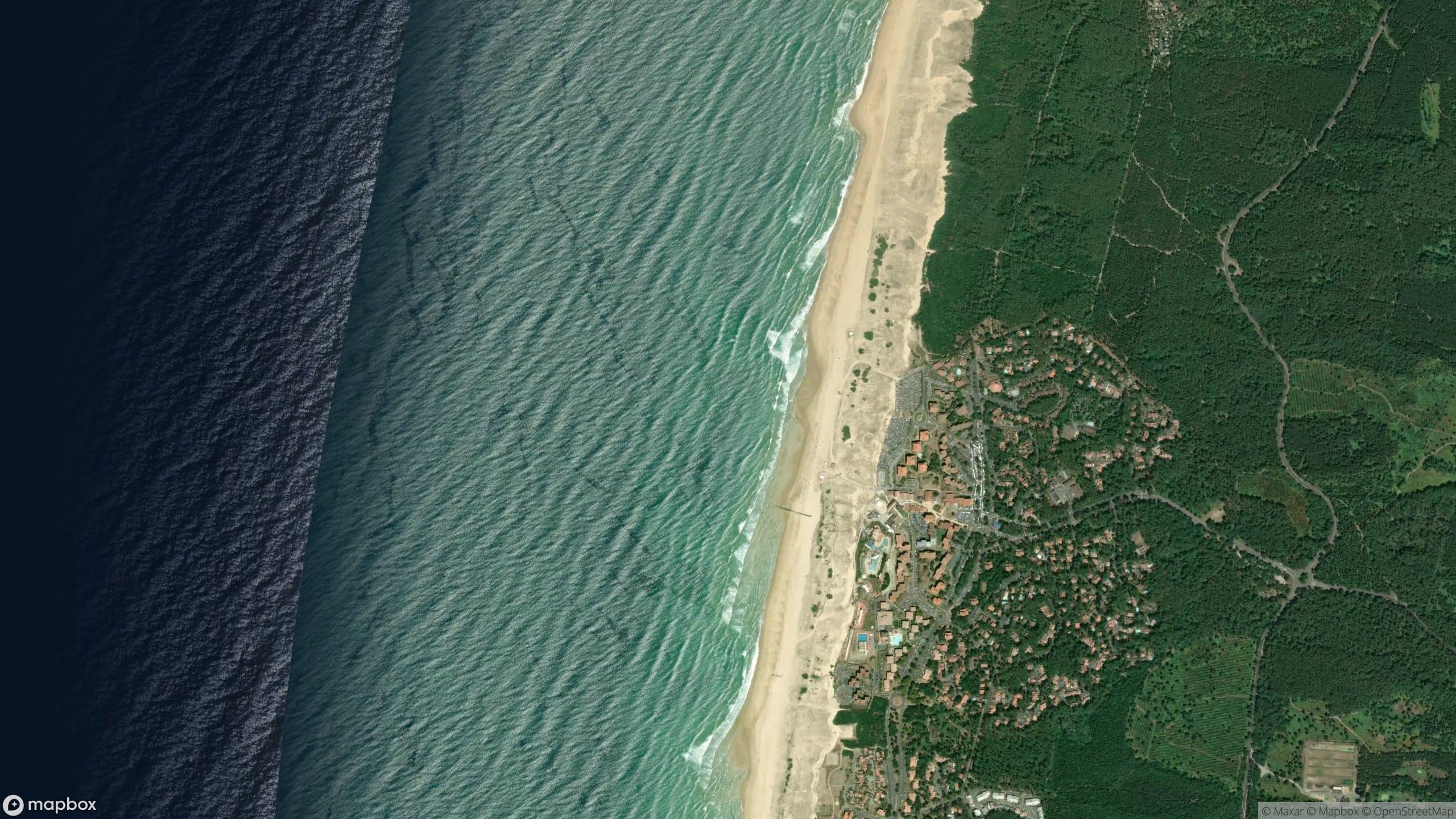
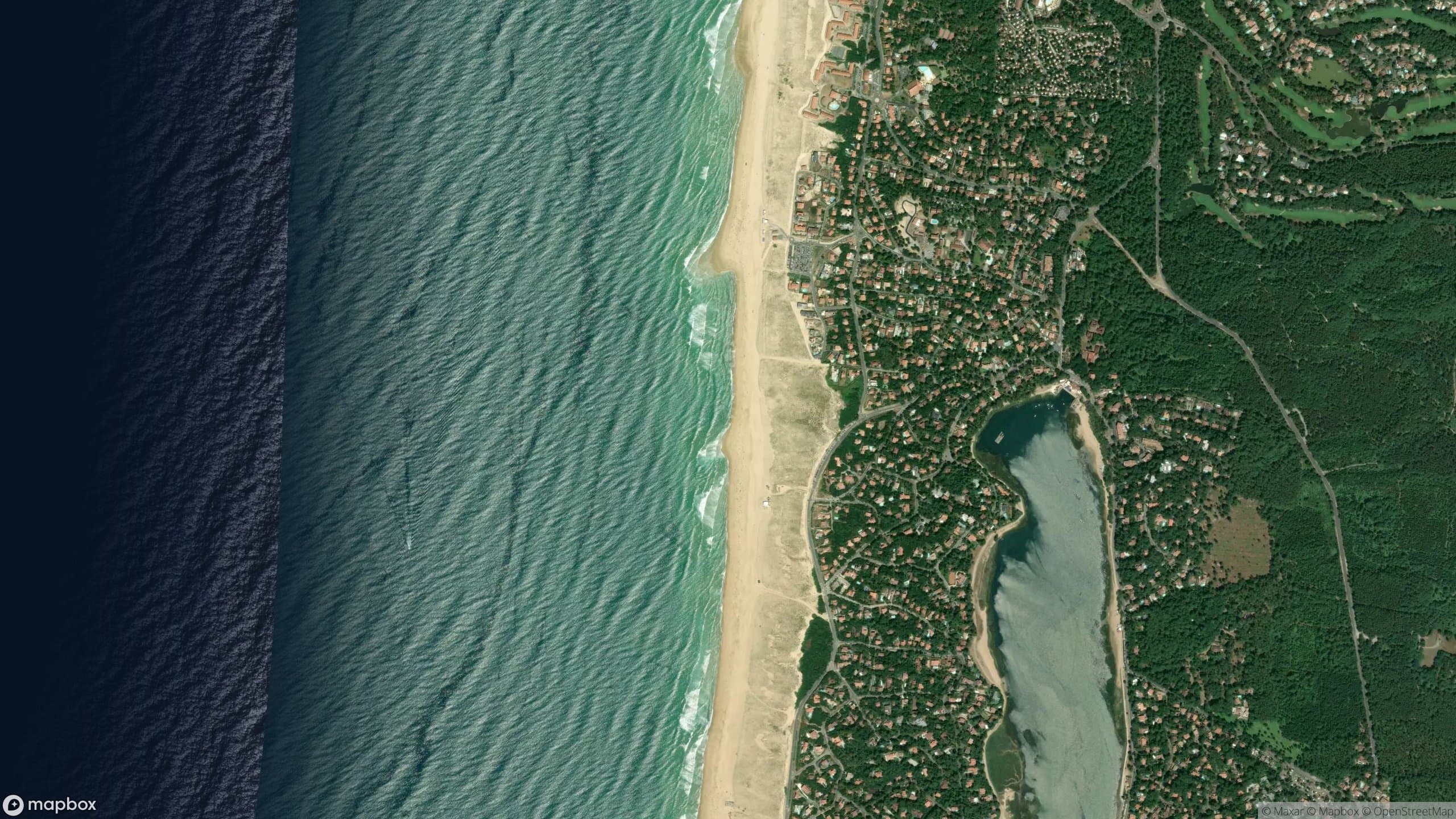
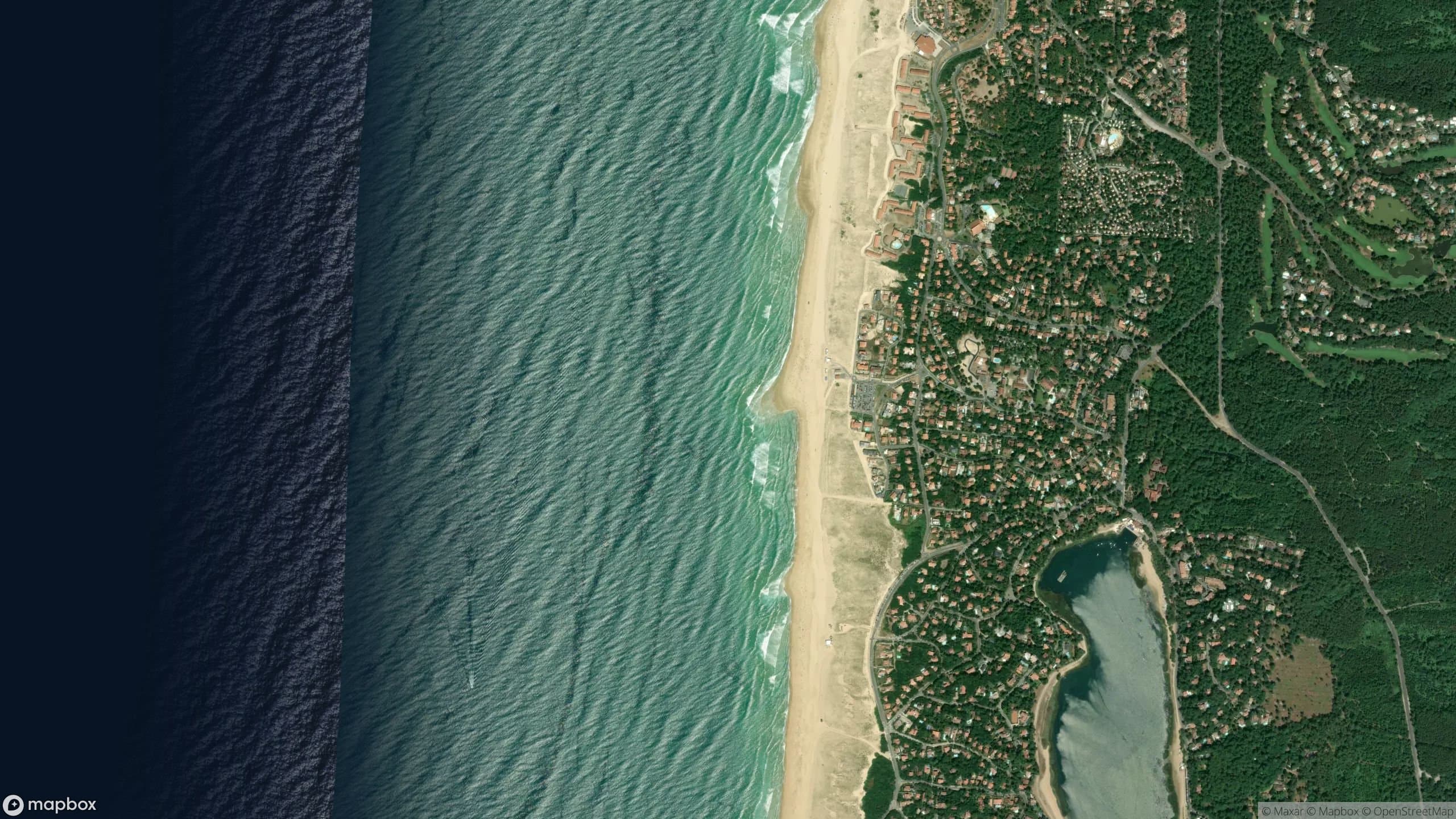
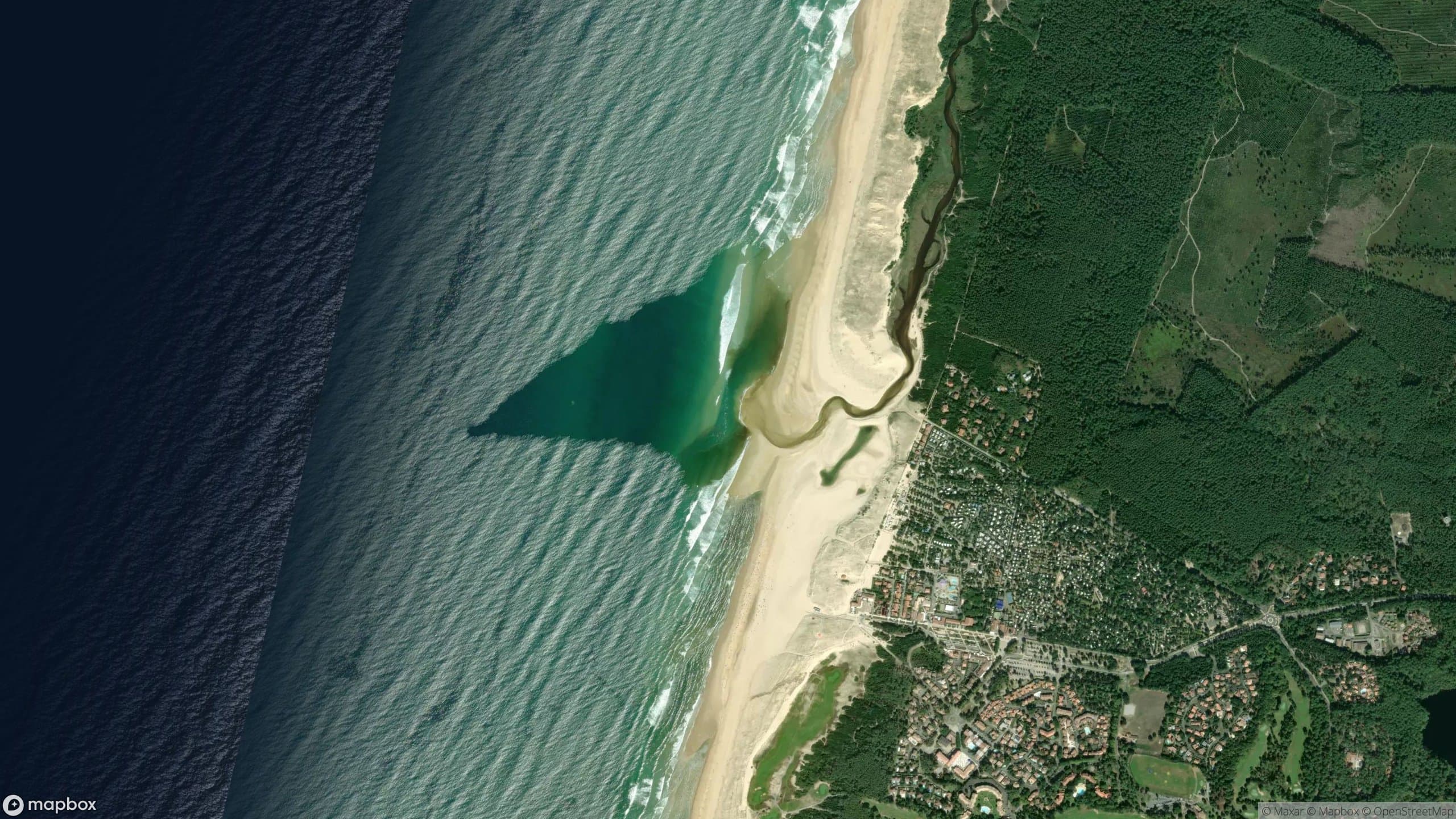
Southwest France (Hossegor / Basque Coast): This is the entry point for most surfers visiting France. Hossegor and Capbreton hold a dense cluster of A-frame beachbreaks within walking distance of each other. The Basque coast south toward Guéthary and Saint Jean-de-Luz adds reef passes and point options. I would base here for a first trip to France surf. Rent a car, drive 10 minutes north or south, and read the sandbars each morning. Beginners belong at Hendaye. Intermediate to advanced surfers have everything they need within a 30km stretch.
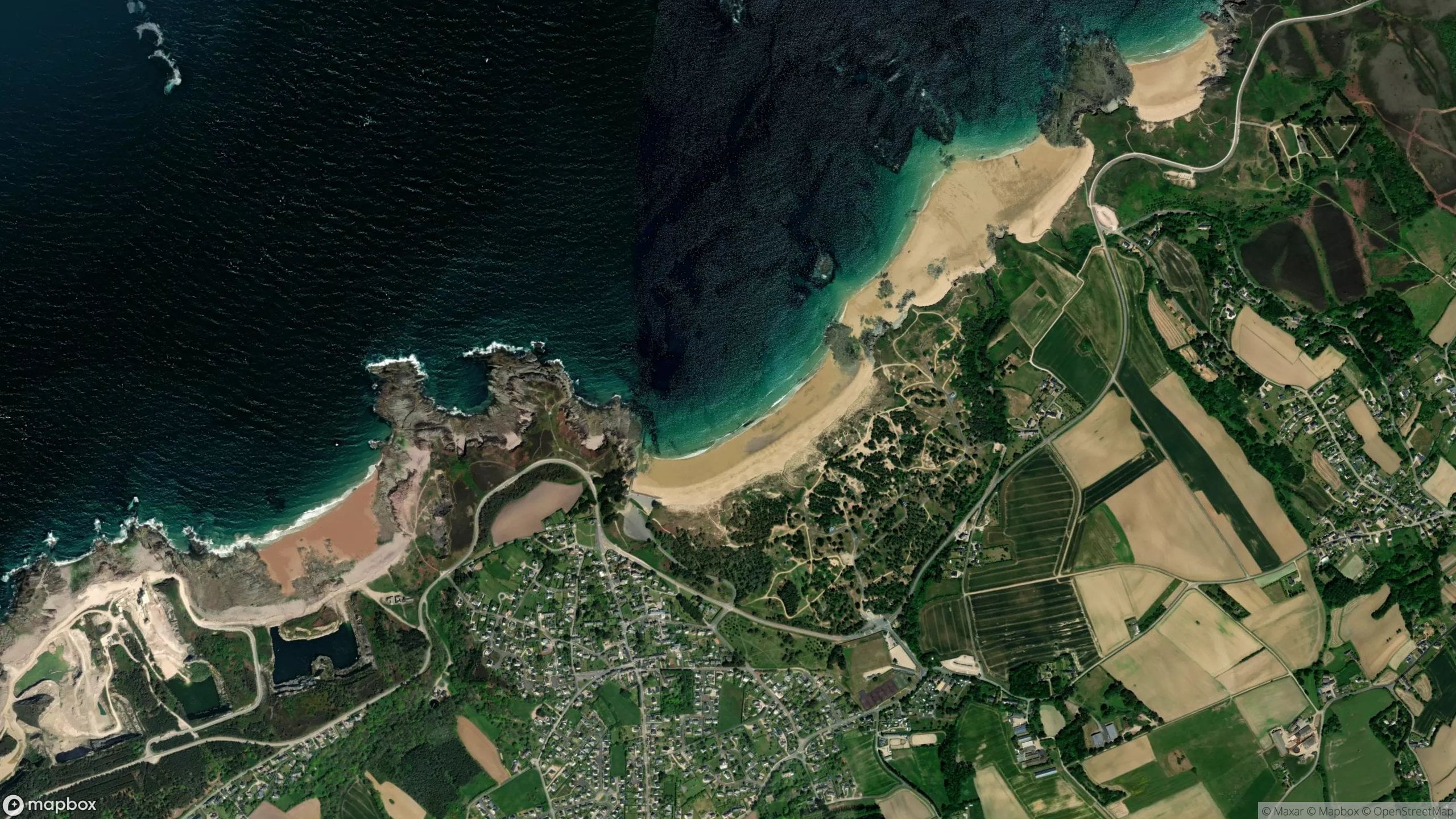
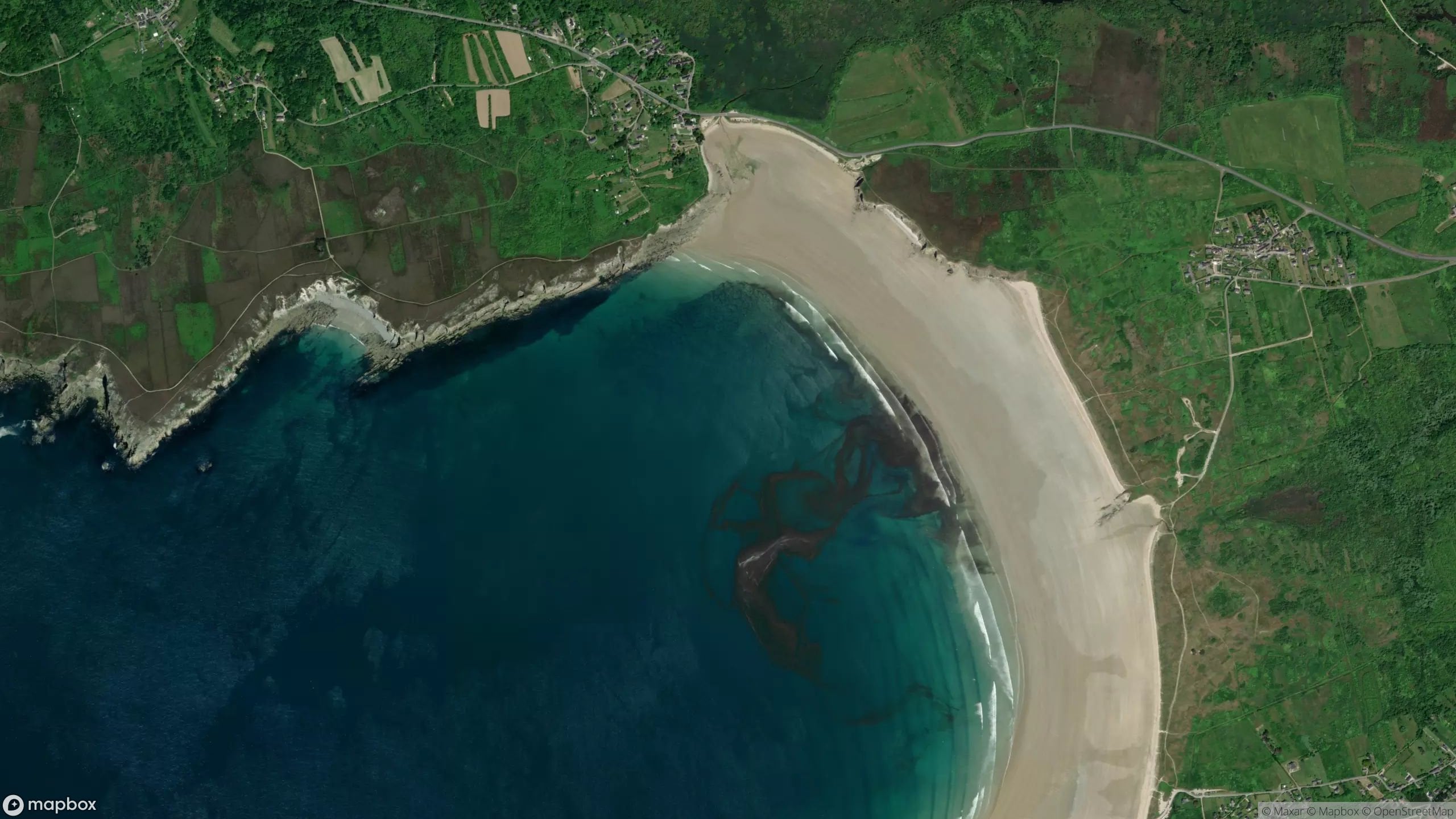
Northwest France (Brittany): La Torche on the Finistère tip is the headline break, but the Brittany coast runs for hundreds of kilometers with rivermouth setups, reef passes, and exposed beachbreaks. Base yourself near Penmarc'h or Douarnenez. This is a return-visit destination for most travelers. The surf is quality but the logistics require more research and a solid car. Crowds thin quickly once you leave La Torche.
North France (Normandy / Cotentin Peninsula): This is cold-water, low-crowd territory for surfers who want Europe's equivalent of a Scottish surf experience. The Cotentin Peninsula near Siouville and Le Rozel faces the full Atlantic fetch and produces quality beachbreaks and reef setups. Water rarely exceeds 15°C even in summer. Suit up in a 5/3mm from October through April. The reward is empty lineups and waves that hold their shape without hundreds of people competing for priority.
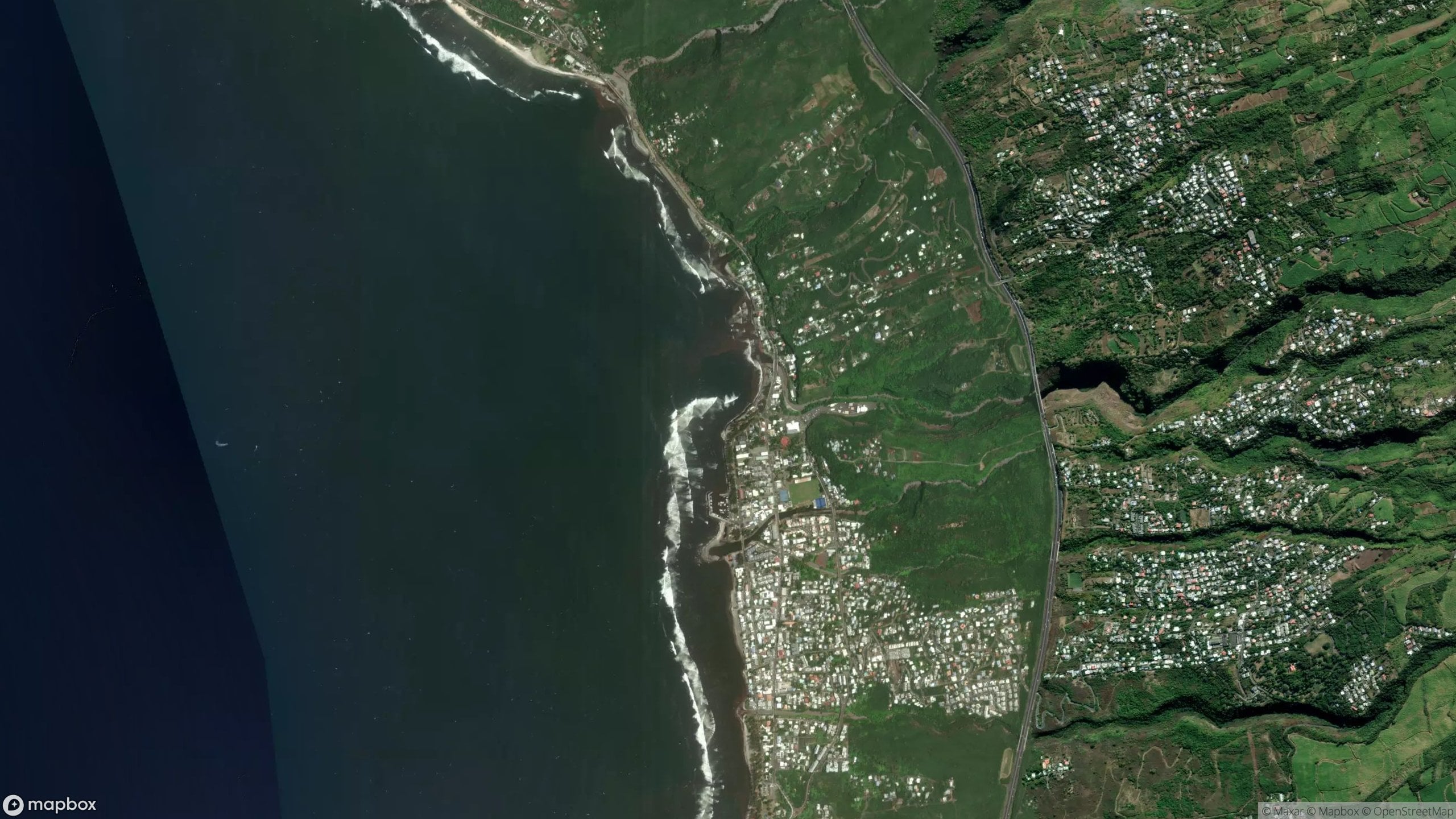
Reunion Island: A standalone destination. Base in the St Gilles or St Leu corridor on the west coast. St Leu is the headline break, a long left-hand reef that handles size well. Weekends get crowded with local rippers who know every section. Intermediate surfers will find the experience challenging but manageable on smaller days. Advanced surfers will love it. Flying time from mainland France is roughly 10 hours.
Logistics
For mainland France surf, the two key airports are Biarritz (BIQ) for the Southwest and Brest (BES) or Nantes (NTE) for Brittany. Paris (CDG or ORY) works as an entry point but adds a long drive. High-speed TGV trains connect Paris to Bayonne in about 4 hours, and Bayonne sits 15 minutes from Hossegor. For Brittany, the train to Quimper then a car rental is the practical route.
A rental car is essential outside of Hossegor. Public transport does not serve surf spots efficiently. Budget around 40-70 EUR per day for a compact car in peak season. Fuel is expensive by North American standards, closer to 1.80-2.00 EUR per liter.
Accommodation runs from surf camp hostels around 40-60 EUR per night near Hossegor to self-catering apartments that work well for groups. Summer pricing spikes hard, especially July and August. September and October pricing drops and the surf improves simultaneously. The decision is obvious.
For Reunion, fly from Paris CDG with Air France or Corsair. Book early. Flights fill fast during the April-October surf season. Car rental is essential on the island.
Money + connectivity
France uses the Euro. ATMs are widely available in all cities and large towns, though smaller Breton villages may have limited access. Contactless card payment works almost everywhere on the mainland. I carry 100-150 EUR cash as a backup and use a no-fee travel card for everything else.
Mobile connectivity is excellent on the mainland. Orange, SFR, and Free Mobile offer tourist SIMs and eSIM options. Coverage is strong across the Atlantic coast, though remote Normandy or deep Breton headlands can drop to 3G. For Reunion, eSIM from your home provider often works on roaming, but a local SIM from Orange Reunion is cheaper for a multi-week stay.
Public Wi-Fi exists in cafes and accommodation but quality varies. A 4G or 5G SIM solves the problem cleanly.
Visa + entry
France is part of the Schengen Zone. Most common passport holders, including US, UK, Australian, Canadian, and most EU citizens, enter visa-free for stays up to 90 days within any 180-day period. UK travelers post-Brexit are subject to passport validity rules: the document must be less than 10 years old and valid for the duration of the stay.
The EU ETIAS travel authorization for non-EU visitors (originally planned for 2024) has been delayed. Check current requirements before travel. Reunion Island is an overseas department of France and follows the same entry rules as mainland France.
Health + safety
Reed rash and reef cuts are the main hazards on Reunion and the Mediterranean reef breaks. Clean wounds immediately with fresh water, apply antiseptic, and watch for infection in the warm Indian Ocean environment. Hepatitis A vaccination is recommended before visiting Reunion.
On the Atlantic coast, cold water is the primary physical risk. Hypothermia is real in January surf sessions in Normandy without proper neoprene. Invest in a quality 5/3mm suit with hood, boots, and gloves.
Rip currents exist at the Landes beachbreaks. Hossegor channels can run hard during big swells. Know your exit points before paddling out.
Traffic on coastal roads in summer is slow and frustrating rather than dangerous. Theft from parked rental cars near surf spots happens. Leave nothing visible. Mainland France is a low-risk destination overall for solo and group travelers.
Reunion has shark risk. Bull sharks have been responsible for a number of attacks in recent years. Check current restrictions before surfing at unprotected breaks. The lagoon-protected breaks are generally safe. Obey local advisories. This is not a reason to skip Reunion, but it is a reason to research current conditions.
Food + culture
The Basque coast delivers some of the best food in Europe. I would eat pintxos in Saint Jean-de-Luz or Hendaye over any restaurant meal on the trip. Order at the bar, grab a plate, and work through the selection. Budget 15-25 EUR for a generous spread with a glass of local Txakoli wine.
Brittany is galette country. Buckwheat crepes filled with egg, ham, and cheese cost around 8-12 EUR and will keep you fueled for a morning session. The region also produces excellent oysters and cider. Markets in Quimper or Douarnenez on weekend mornings are worth an early alarm.
French surf culture is genuinely local. Hossegor locals are protective of their breaks, and rightly so given the crowd pressure they handle. Read lineups before paddling out, wait your turn, and do not snake. Basic French greetings go a long way. Most young locals in surf towns speak workable English, but making the effort in French is noticed and appreciated.