When to go
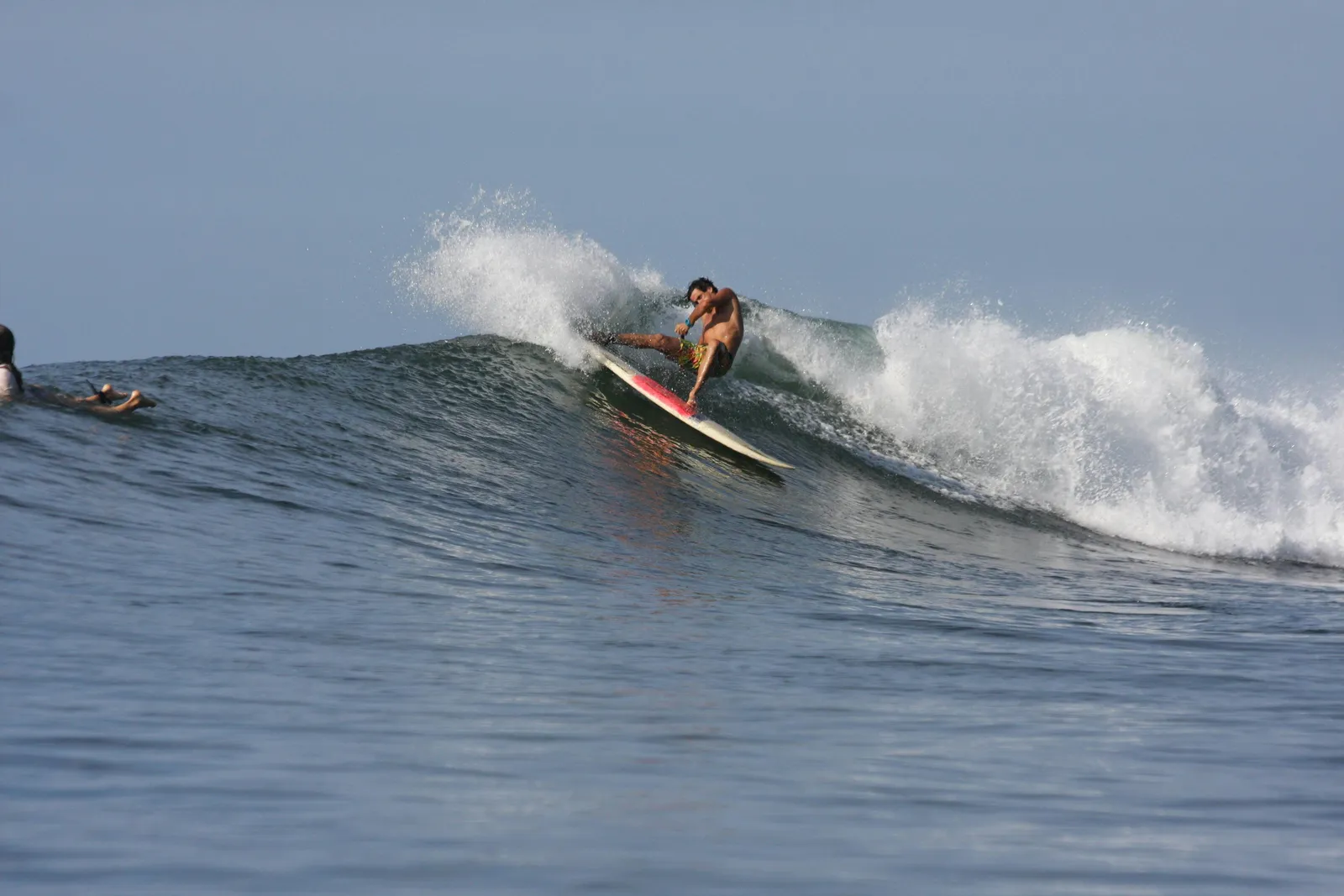
The primary swell window runs April through October. That is when SSW and SW groundswells generated deep in the South Pacific march up Central America's coast and stack against El Salvador's cobblestone points with consistency and size. June, July, and August tend to produce the most reliable overhead-to-double-overhead days at Punta Roca and Sunzal. April and May are my favorite months personally. Crowds are lighter, the water is warm at around 27C, and you still catch quality swell without the full northern-hemisphere summer rush.
The eastern coast around Las Flores and El Cuco operates on a slightly different calendar. SE swells from the Caribbean side of the Pacific basin feed this stretch with more regularity outside the main window, which makes it worth targeting November through March if you are on a shoulder-season budget trip. It is smaller and more scattered than the west, but you will often score empty lineups at quality setups.
Rain is a factor June through September. El Salvador's rainy season overlaps directly with the best swell. Mornings are usually clean. Afternoon onshores and rain squalls are normal. Plan your sessions early and you will rarely be disappointed.
Where in the country to base
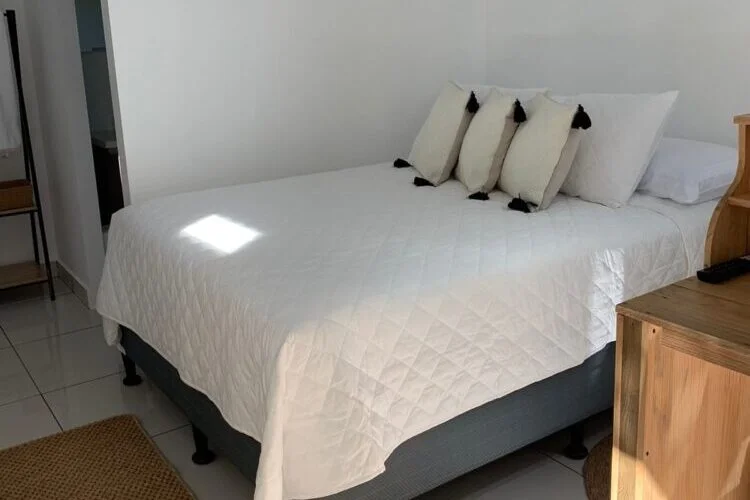
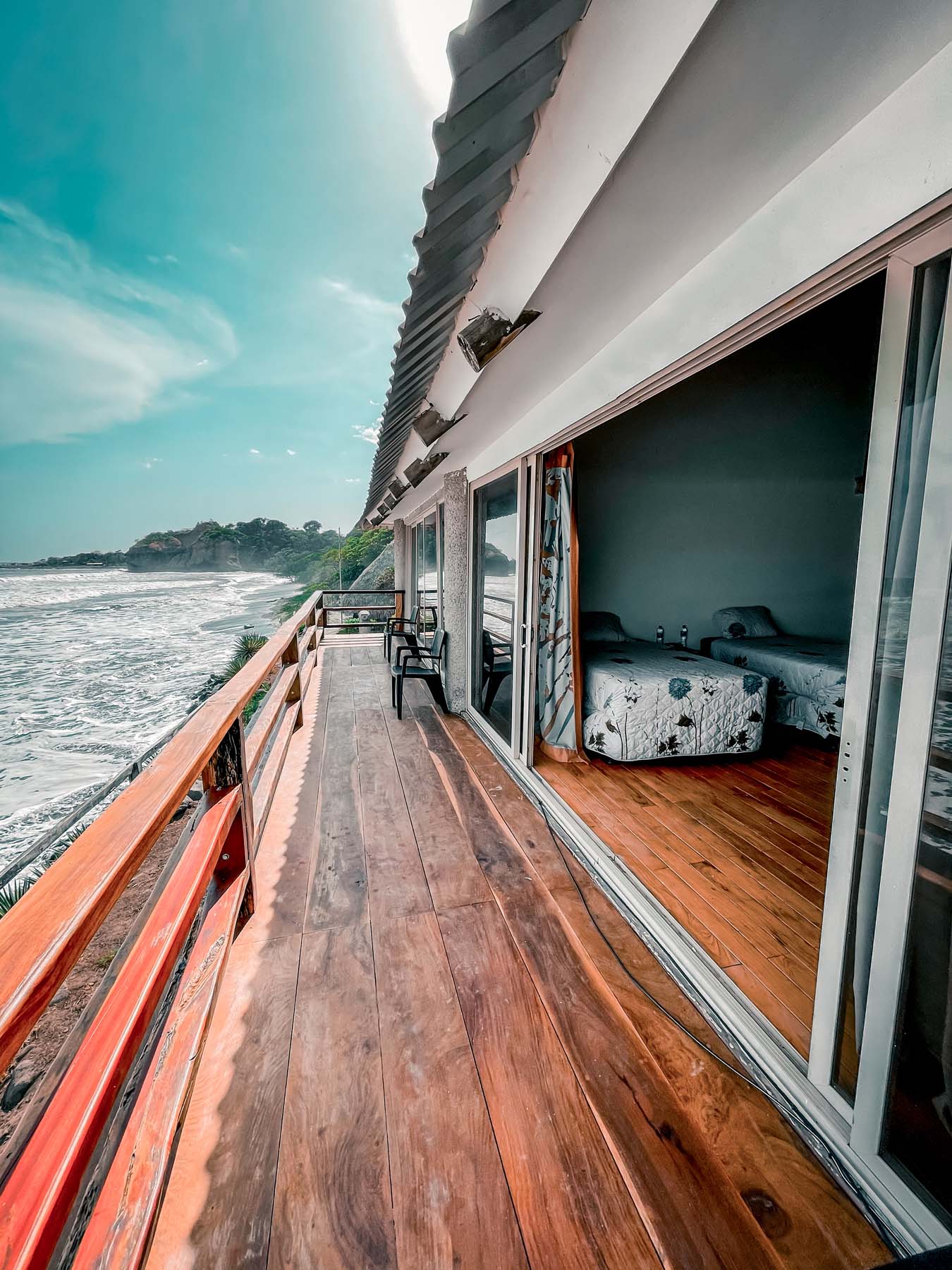
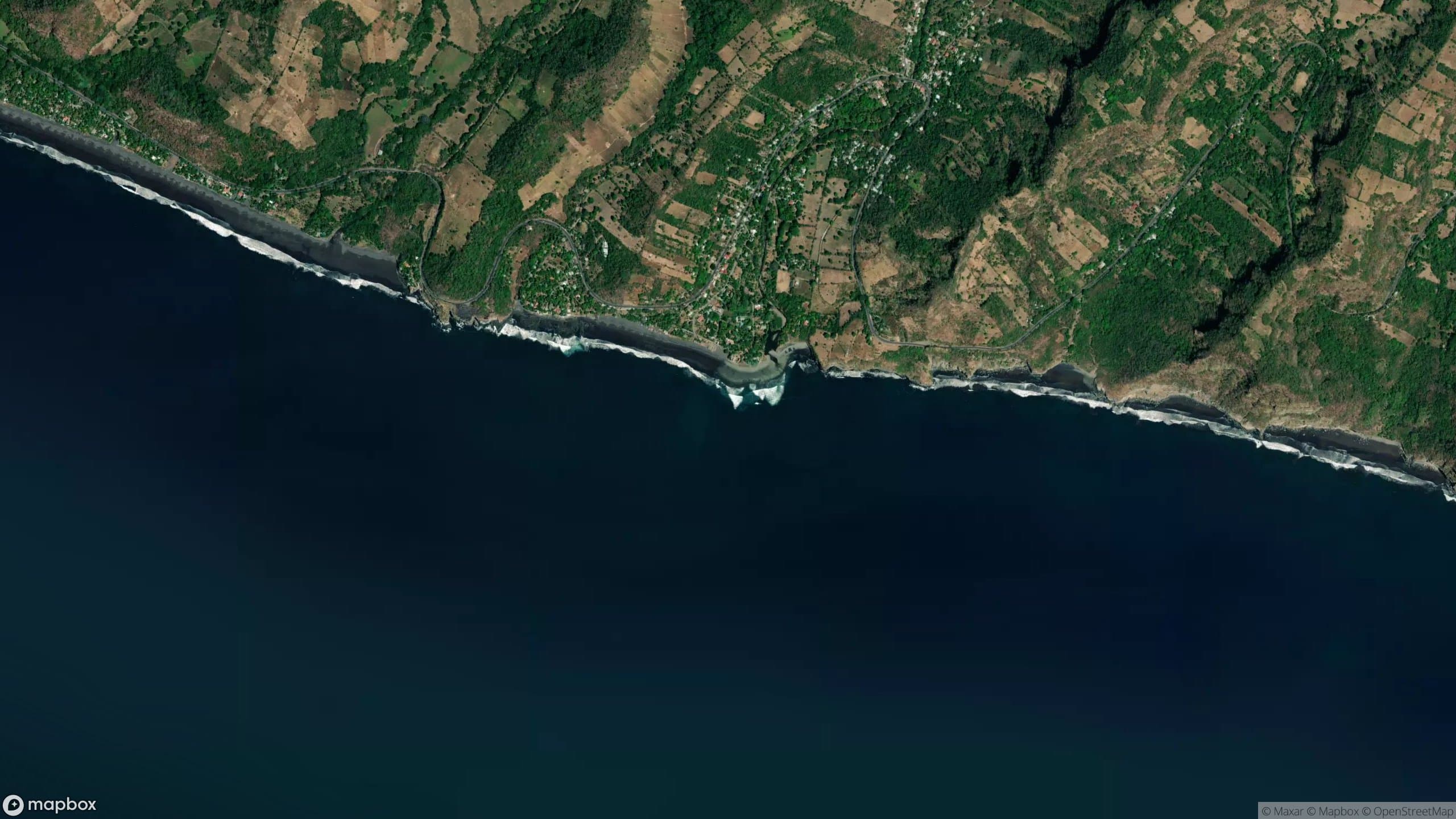
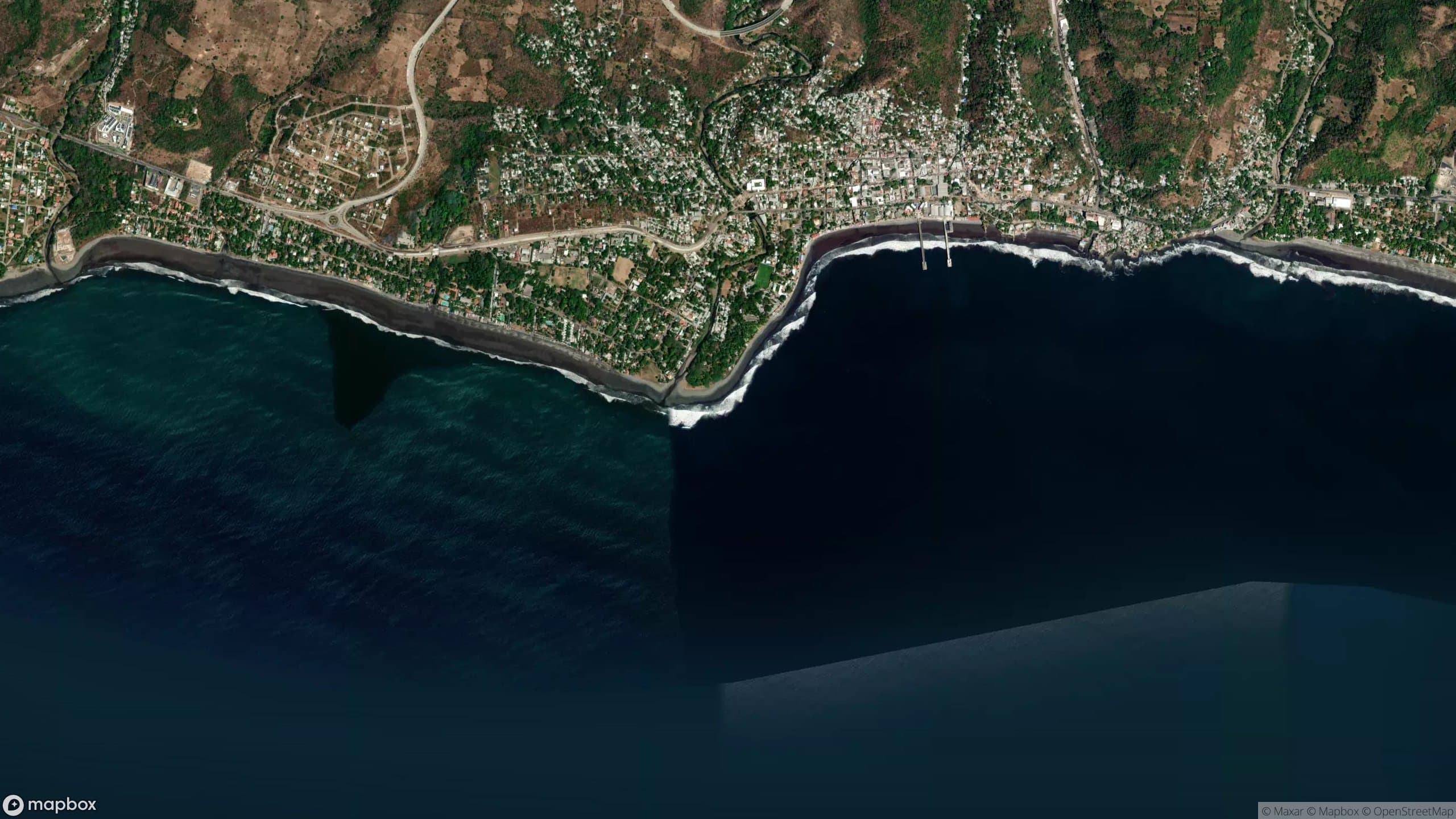
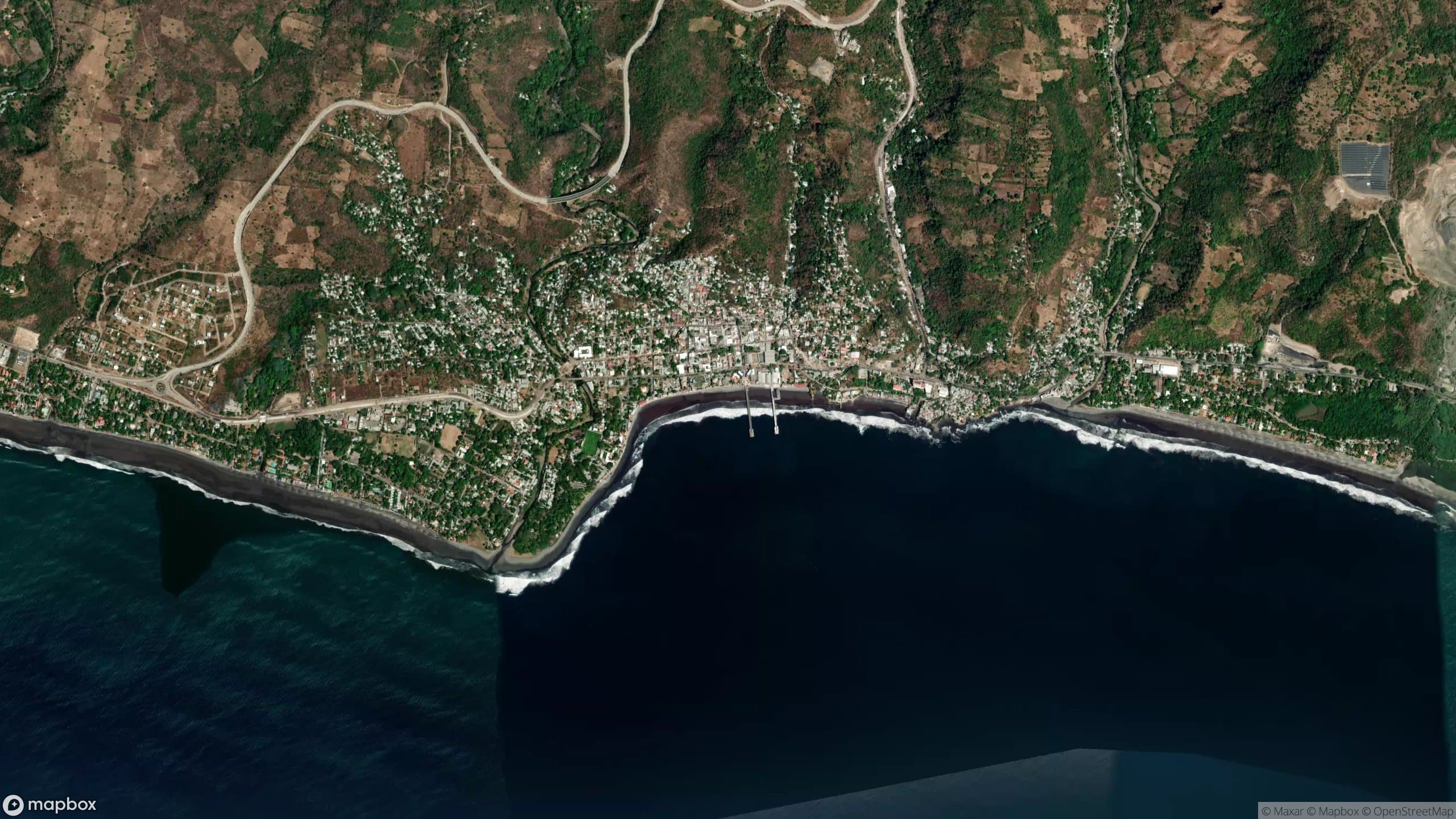
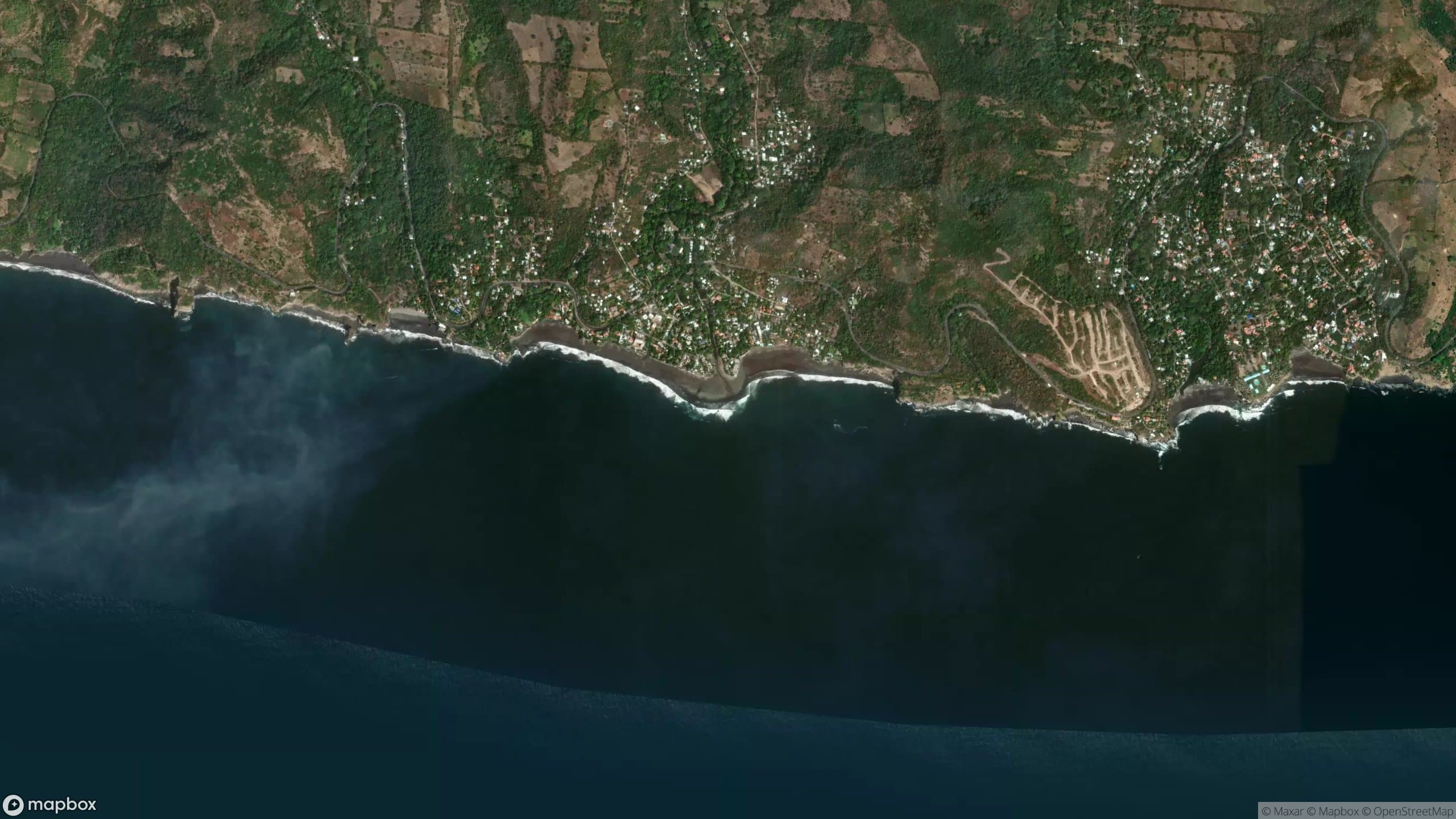
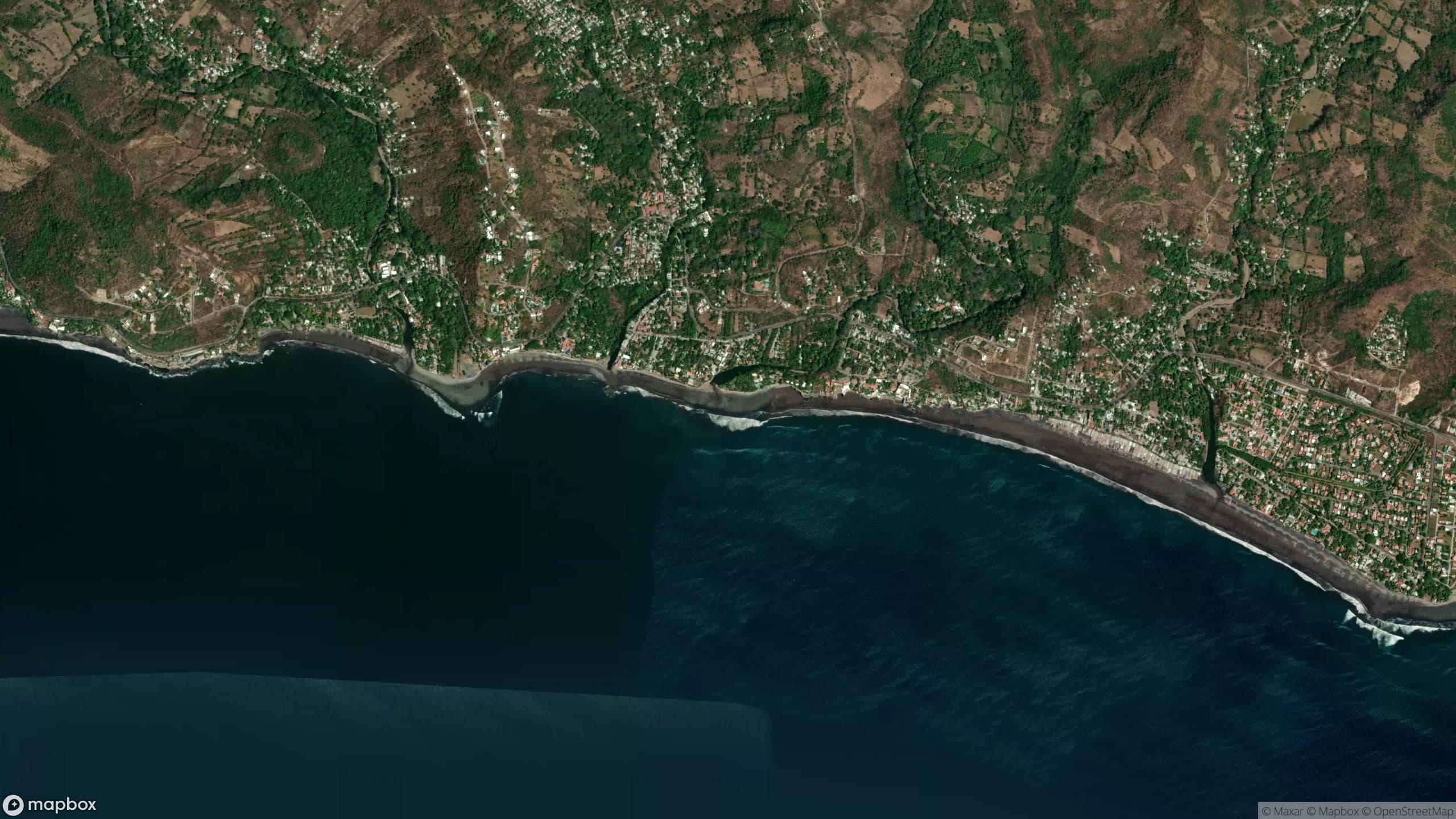
La Libertad is the default base for a reason. Punta Roca is a ten-minute walk from the pier. Sunzal, El Tunco, and El Zonte are all within a thirty-minute drive west. Accommodation ranges from budget guesthouses in El Tunco to mid-range surf camps in El Zonte. I prefer El Zonte for atmosphere. It is quieter than El Tunco, has a small but genuinely good food scene, and sits right on a fun beach break that is friendlier than Punta Roca.
El Tunco is where most first-timers land. It is the social hub, with restaurants, hostels, and a lively nightlife strip. The break directly in front of town is inconsistent but workable for intermediates. It is useful as a staging point but I would not surf exclusively from here.
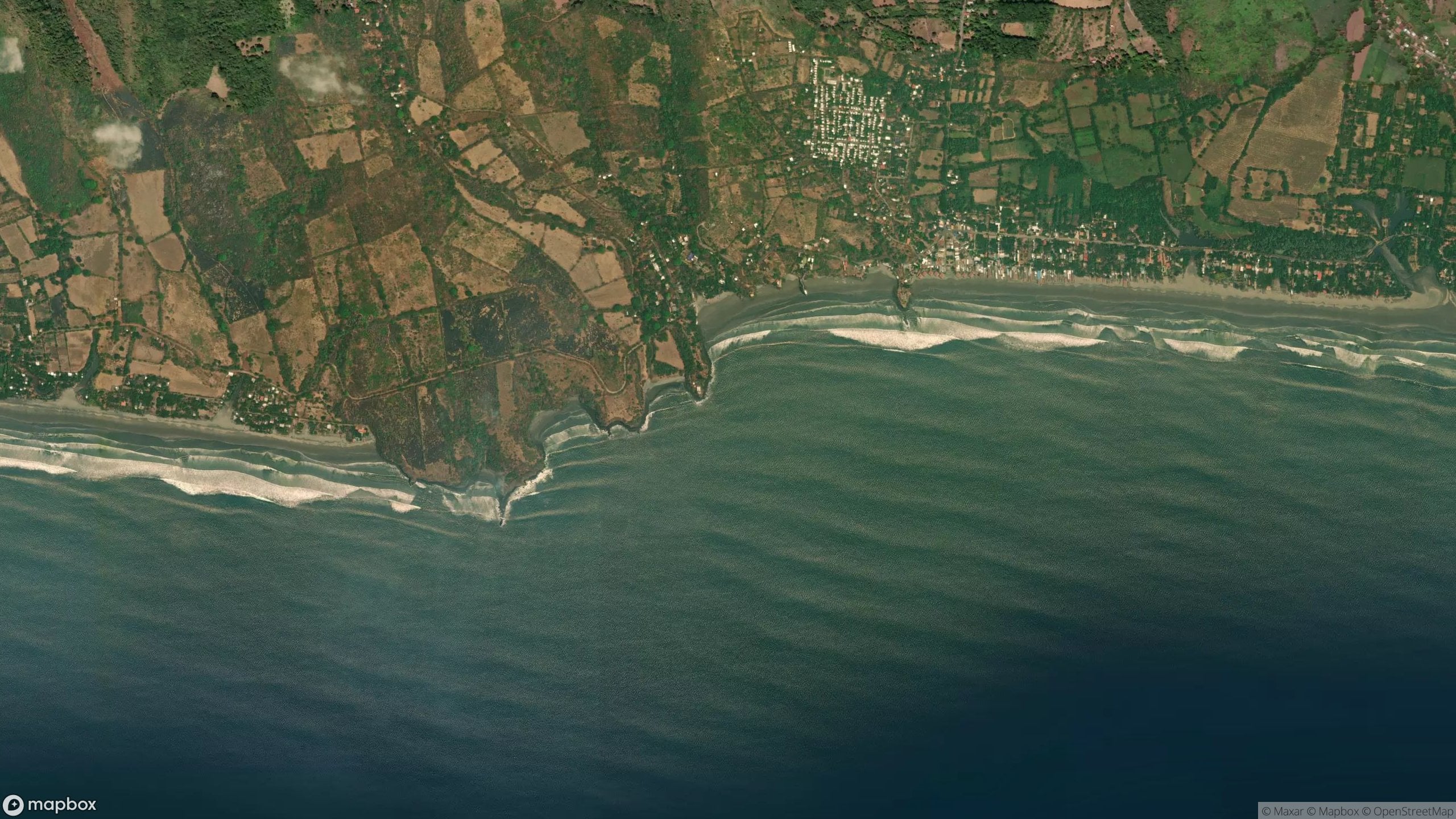
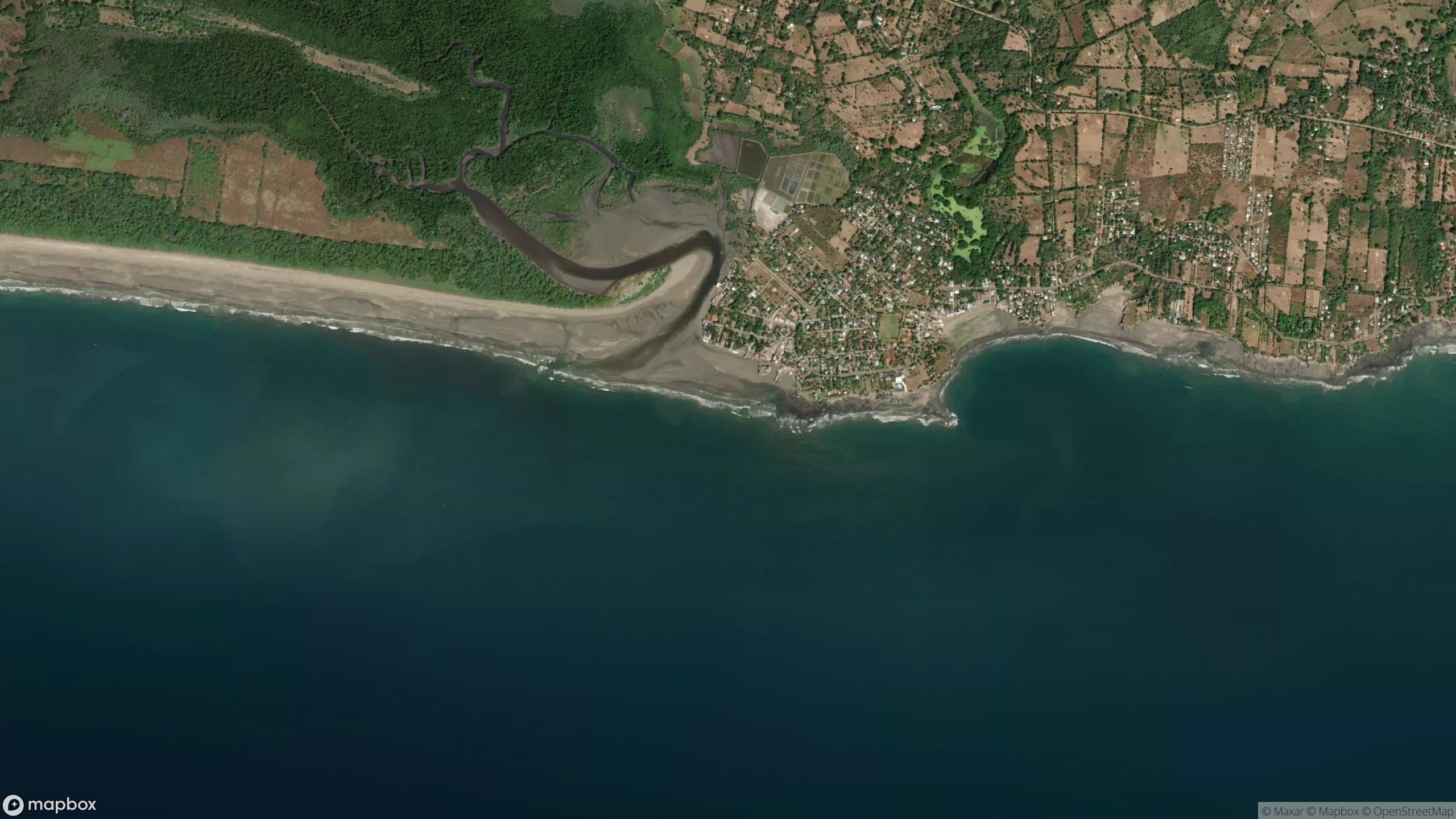
Las Flores and El Cuco on the eastern coast are for return visitors or anyone willing to trade convenience for empty waves. Las Flores is a right-hand point that on the right swell rivals anything on the west coast. Getting there requires about three hours from La Libertad by road. I would base there for a dedicated eastern-coast block of three to four days rather than commuting daily.
Punta Mango sits further east and is one of El Salvador's most powerful and hollow setups. It is remote enough that you will need a 4WD or a short boat transfer depending on road conditions. Worth the effort for experienced surfers chasing barrels.
Logistics
El Salvador International Airport, known locally as Comalapa, sits about 45 minutes south of San Salvador and roughly an hour from the main La Libertad surf zone. Uber works from the airport and is reliable. A taxi or private transfer costs around $30 to $50 USD to El Tunco or El Zonte.
Renting a car is the best call if you plan to explore both coasts. Roads between the major surf zones are paved and in reasonable condition. A standard car handles most routes. Only target Punta Mango or remote eastern setups with a 4WD during rainy season. Car rental starts around $35 to $55 USD per day from major agencies at the airport.
If you stick to the La Libertad zone, you do not need a car. Tuk-tuks connect El Tunco, El Zonte, and La Libertad for a dollar or two. For the eastern coast, you can book a bus or arrange a private transfer through your accommodation. Most surf camps will organize this for a fair flat fee.
Board bags are easy to manage here. Domestic travel is minimal since most surf sits within a two-hour coastal corridor.
Money + connectivity
El Salvador uses the US dollar. No currency conversion hassle. ATMs are available in San Salvador, La Libertad, and El Tunco. Smaller eastern towns like El Cuco may have limited ATM access, so pull cash before heading east. I would carry at least $100 in small bills when exploring remote breaks.
Most surf camps and mid-range restaurants take cards. Street food, tuk-tuks, and market vendors are cash only.
Connectivity is solid along the La Libertad coast. Claro and Tigo both offer SIM cards available at the airport and in San Salvador. A local SIM with a decent data plan runs about $10 to $15 USD. eSIM options through Airalo and similar providers work fine here. Expect patchy signal at remote eastern setups like Punta Mango.
Wifi at surf camps and hostels ranges from adequate to surprisingly good. Do not rely on it for video calls from remote spots.
Visa + entry
El Salvador participates in the CA-4 free movement agreement with Guatemala, Honduras, and Nicaragua. Most Western passport holders, including US, UK, Canadian, Australian, and EU citizens, receive a 90-day entry stamp on arrival at no cost. That 90-day clock runs across the entire CA-4 region, not just El Salvador.
Extension options exist but are bureaucratic. If you plan a longer stay, the easiest reset is a border run to Mexico or Panama, which sits outside the CA-4 zone. Always check current entry requirements before travel as policies can shift.
Health + safety
El Salvador has a complicated reputation and it is worth addressing directly. The government's crackdown on gang activity beginning in 2022 has produced a dramatic drop in crime statistics, and the surf zones around La Libertad and the coastal strip feel genuinely safe for travelers right now. Most surfers I know who have visited recently describe it as far less tense than they expected.
That said, standard precautions apply. Do not flash expensive gear in San Salvador. Use Uber rather than hailing taxis on the street in the capital. Keep valuables locked at your accommodation.
In the water, Punta Roca is a cobblestone point with a shallow section at low tide. Reef booties are not standard but worth considering if you are prone to cuts. Sunzal has a friendlier entry and exit.
Water quality near La Libertad is variable. I would not surf directly in front of the La Libertad fish market pier. El Tunco and El Zonte are cleaner. Drink bottled or filtered water throughout the country.
Mosquitoes are present and dengue is a real concern, particularly during rainy season. Use repellent, especially around dusk. No malaria prophylaxis is generally required for coastal areas, but check with your doctor before travel.
No major cyclone risk compared to Caribbean-facing coasts, but heavy rain during peak swell season can cause river runoff and water quality dips after storms.
Food + culture
El Salvador's food scene is underrated. Pupusas are the national dish, thick corn tortillas stuffed with beans, cheese, or chicharron, served with fermented cabbage slaw called curtido. You will eat them daily and not get bored. A plate of two costs around $1 to $2 USD at a roadside comedor.
El Zonte has the best concentrated food options in the surf zone. Antojitos El Ranchero is a local favorite for simple grilled fish and seafood plates at honest prices. Closer to the beach, a handful of small restaurants serve solid ceviches and fresh coconuts.
Culturally, Salvadorans are warm and direct. Learning even basic Spanish phrases earns you immediate goodwill. The surf community is tight-knit and proud, especially around Punta Roca where local surfers have competed internationally for decades. Respect the locals in the lineup. They surf it every day. You are a guest.