When to go
Brazil doesn't have one surf season. It has at least two, running on opposite ends of the country.
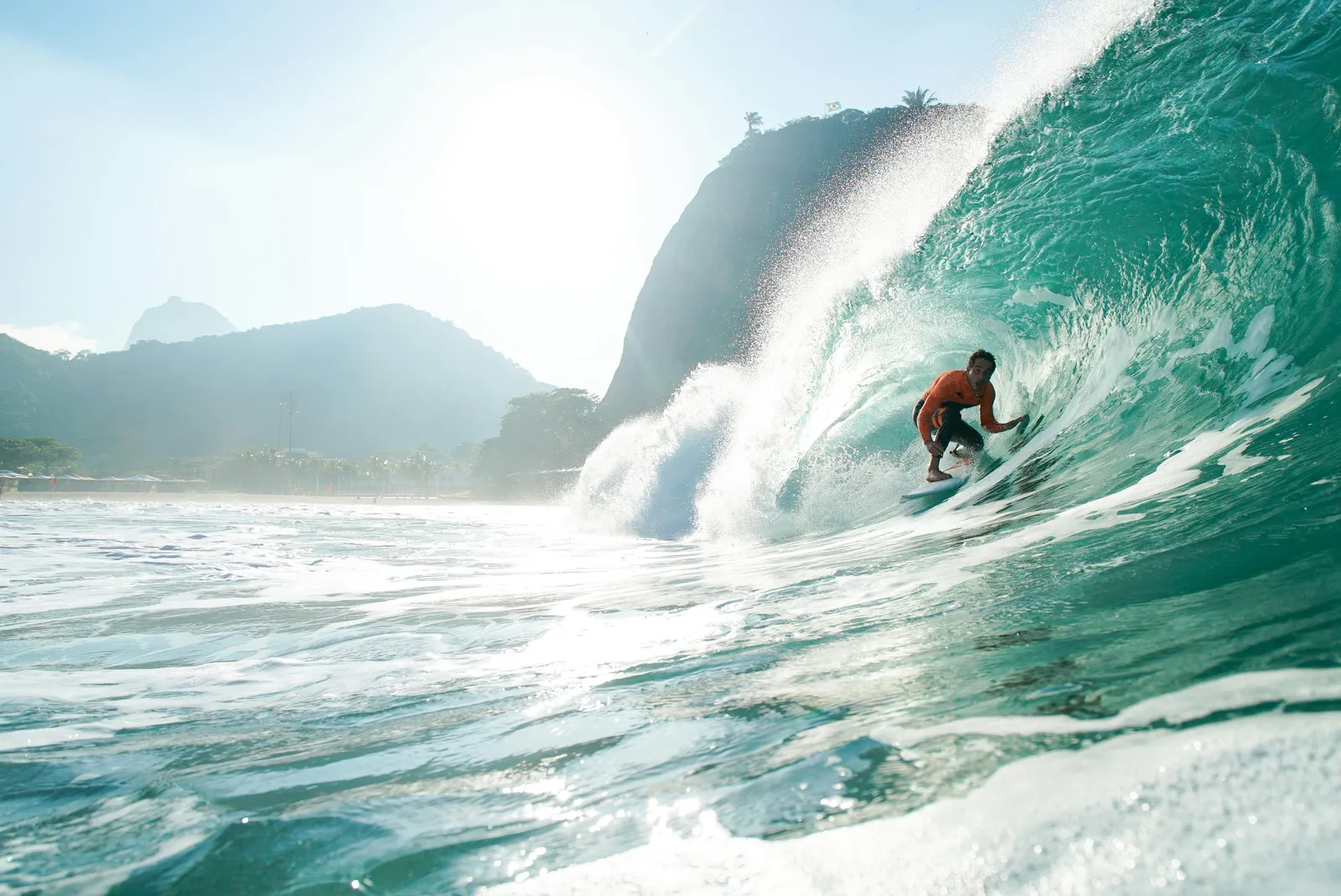
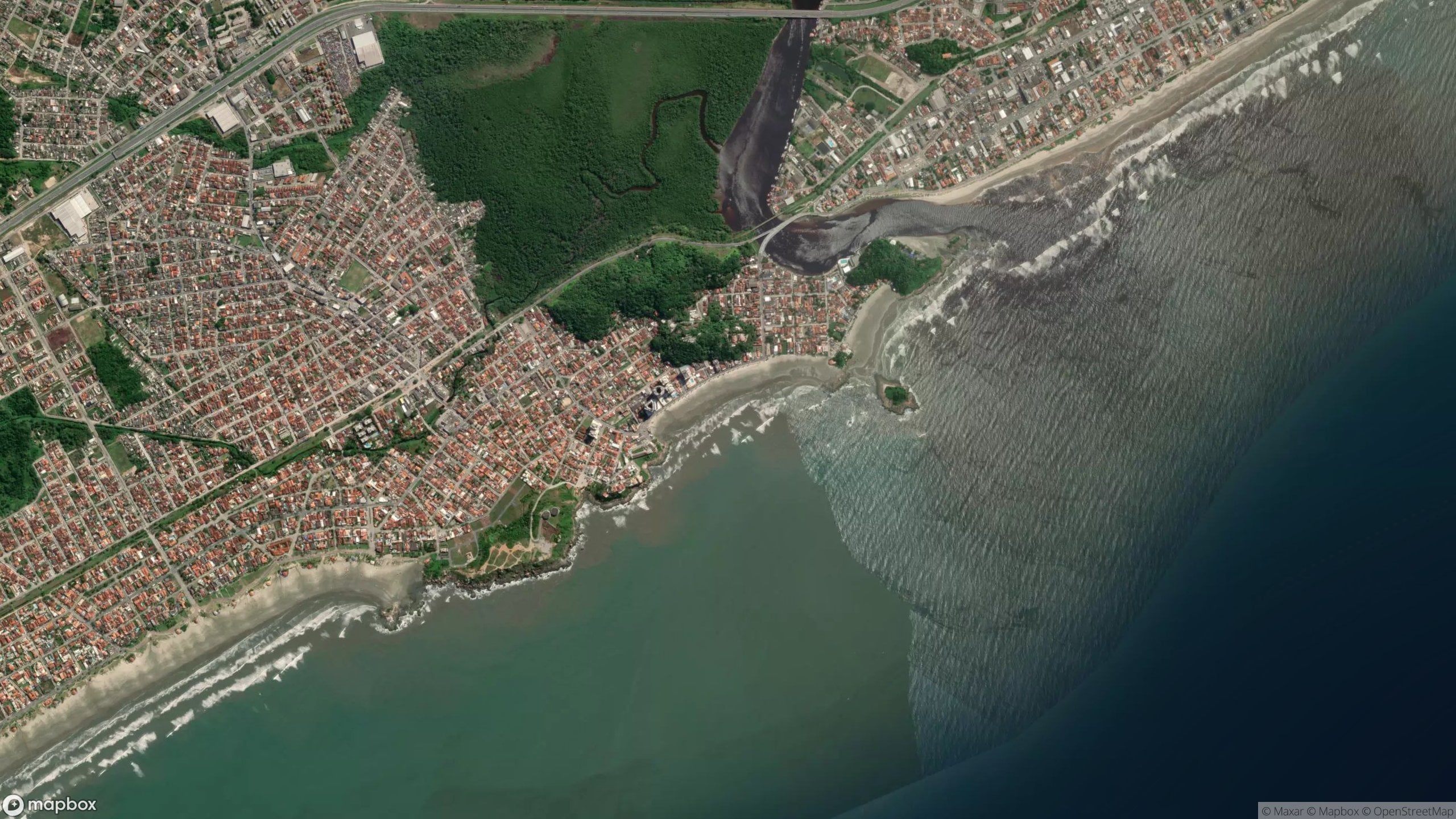
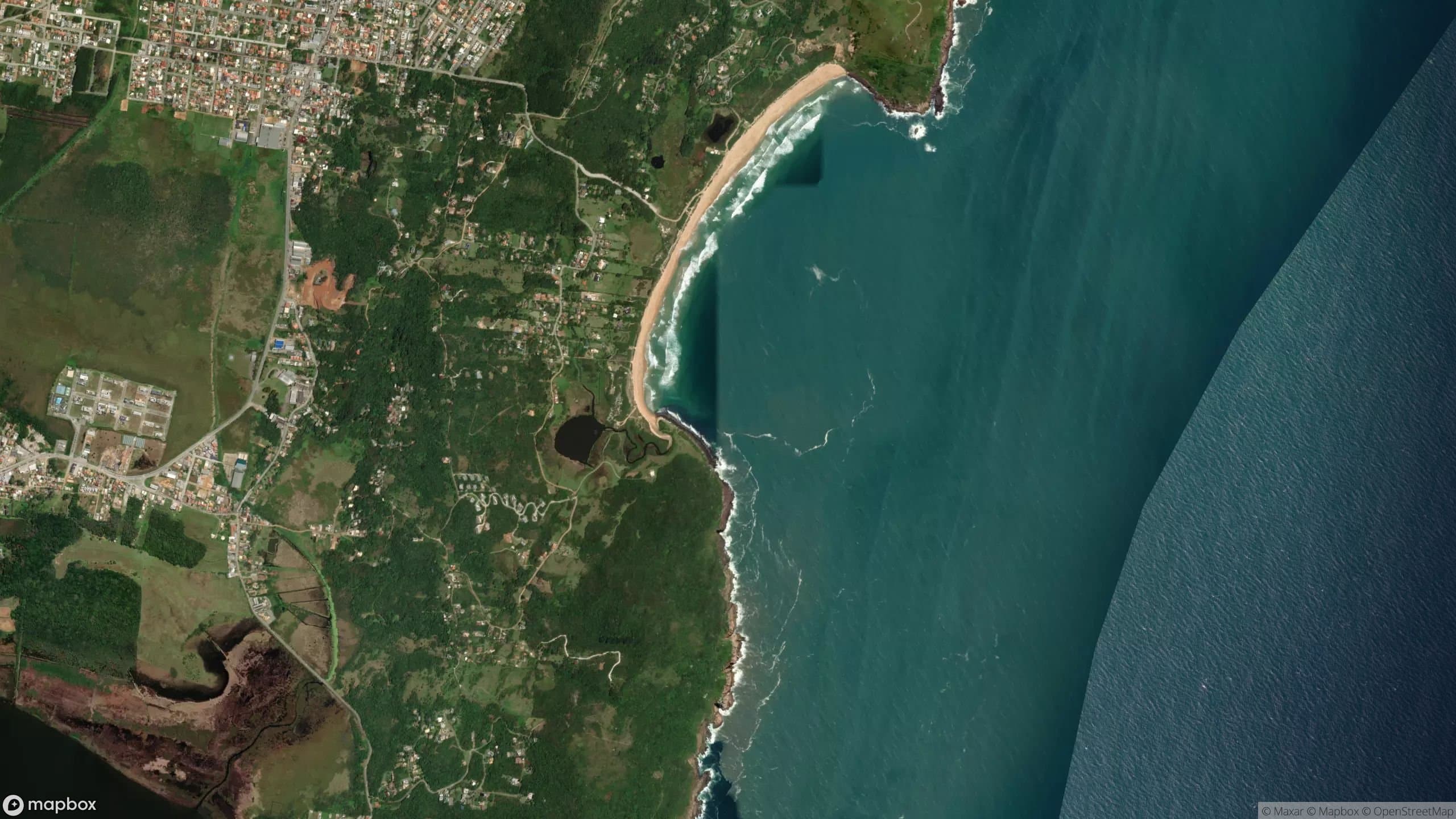
The southern coast, covering Rio Grande do Sul, Santa Catarina, Paraná, São Paulo, and Rio de Janeiro, peaks from April through September. Southern Ocean lows send consistent S to SE groundswell north along the coast during these months. August and September are my picks for Santa Catarina, where Silveira and Guarda do Embaú line up on organized swell with cleaner winds. Rio's Arpoador and Barra da Tijuca fire in the same window, though the city crowds never disappear entirely.
The northeast, covering Bahia, Alagoas, Pernambuco, Paraíba, Rio Grande do Norte, Ceará, and Maranhão, runs best May through October. SE groundswell and NE trade swells wrap into the coast consistently during this window. Ceará stays active longest, with E and NE energy reaching into November. Bahia's Itacaré is reliably good from March through October, with March to May offering a sweet spot of swell and smaller crowds before the winter rush.
Fernando de Noronha, Pernambuco's offshore archipelago, peaks May through September for left-hand barrels under consistent N to NE swell. Quota-controlled visitor numbers keep the experience clean, but book accommodation months ahead.
Pará's north coast flips the script entirely, picking up its best waves from November through March on NE swell from the North Atlantic. If you're chasing empty lineups and don't mind the unpredictability, this shoulder-season option is genuinely underexplored.
Water temperatures range from 18-22°C in the south during winter months to a consistent 26-28°C across the northeast year-round. A 2mm shortie or boardshorts are standard northeast kit. Bring a 3/2 for southern Brazil winter sessions.
Where in the country to base
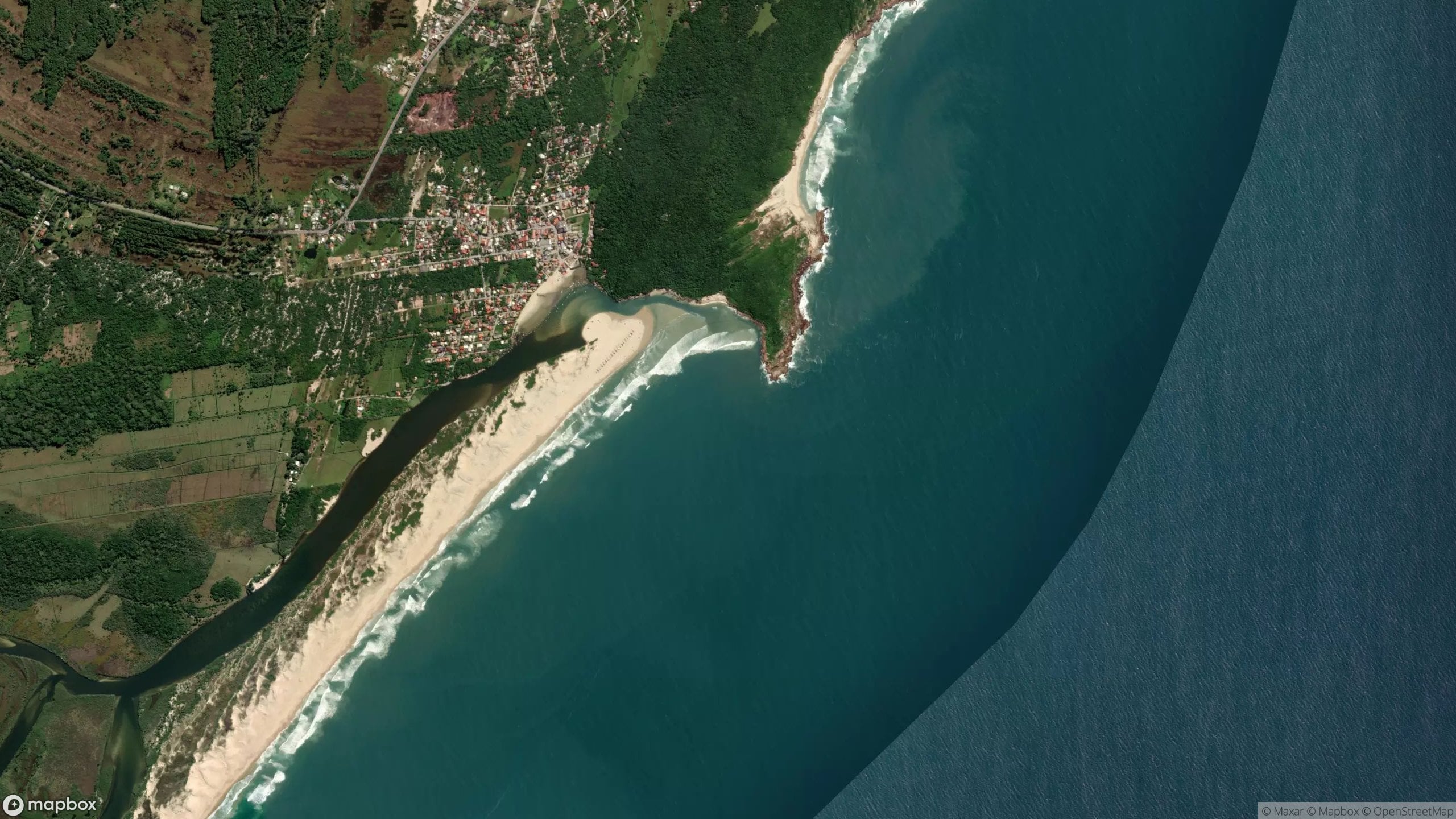
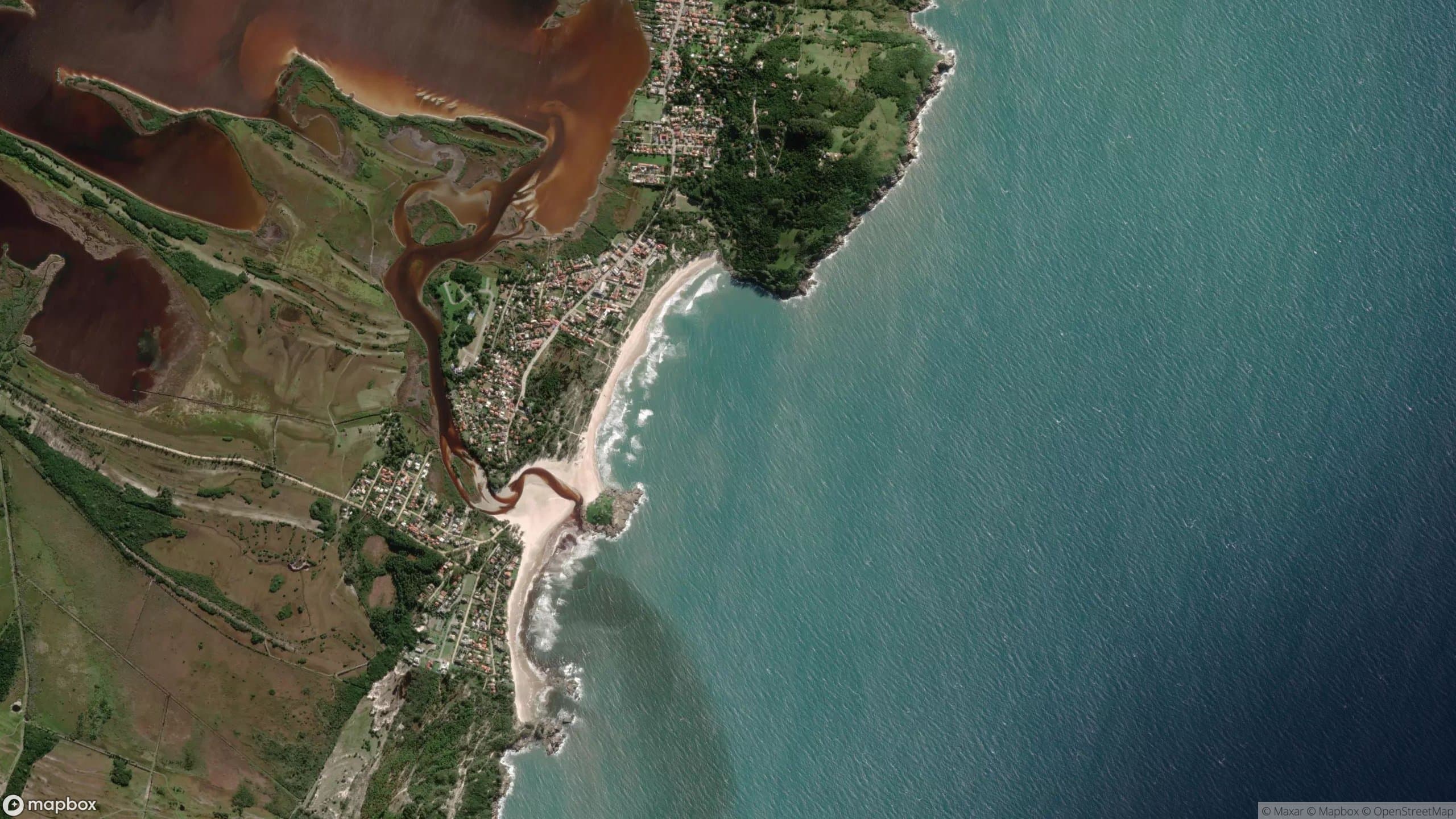
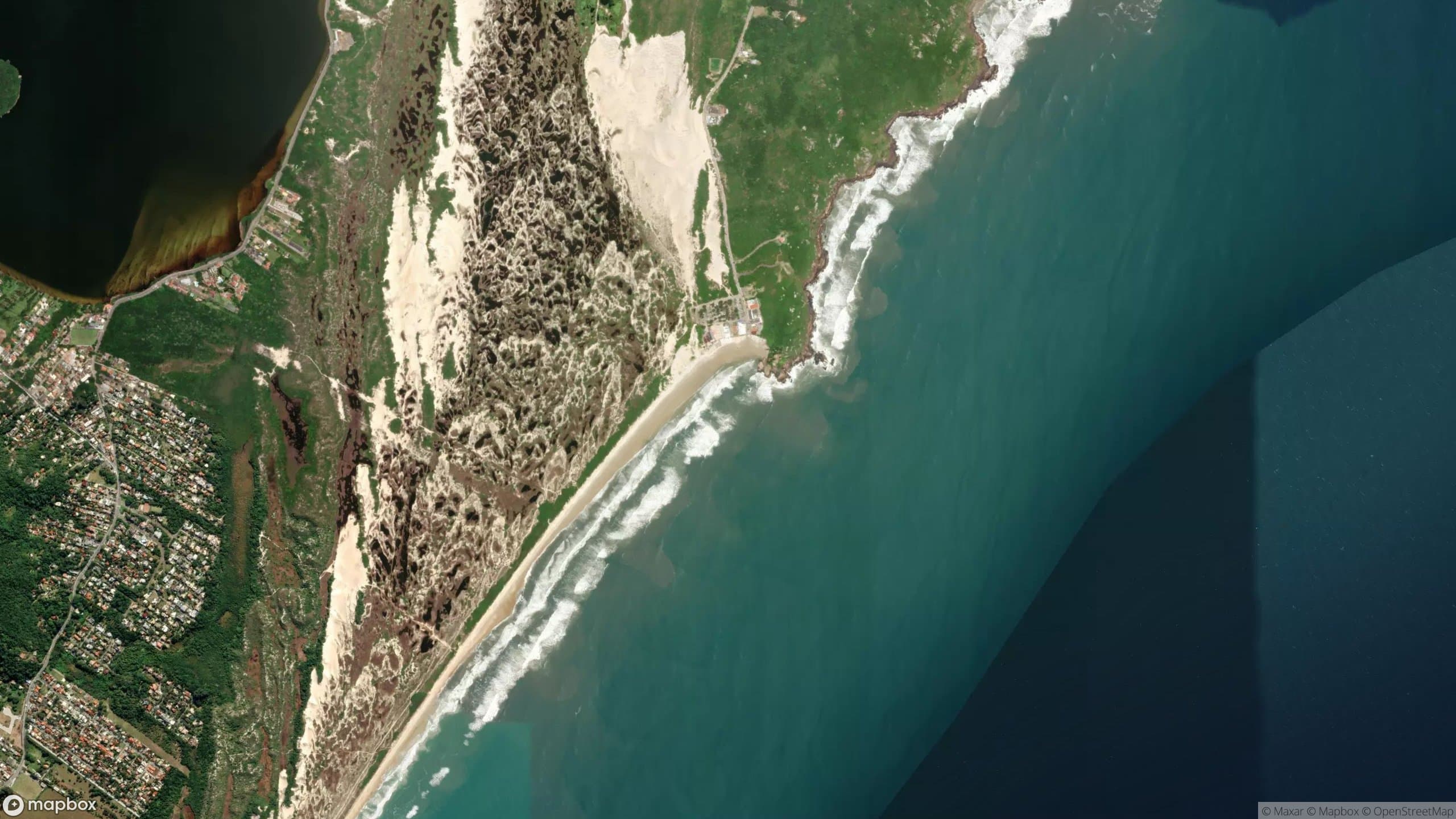
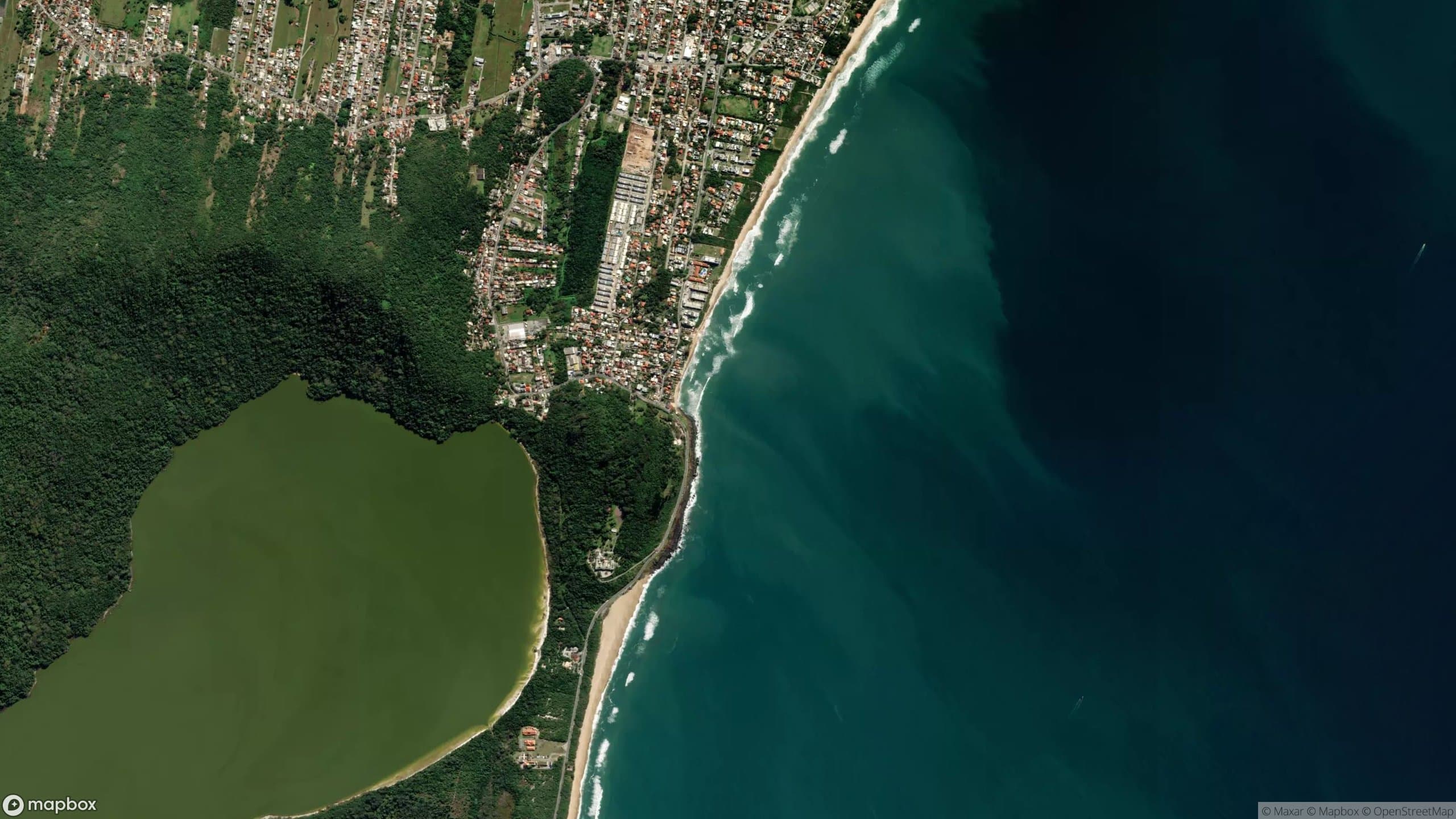
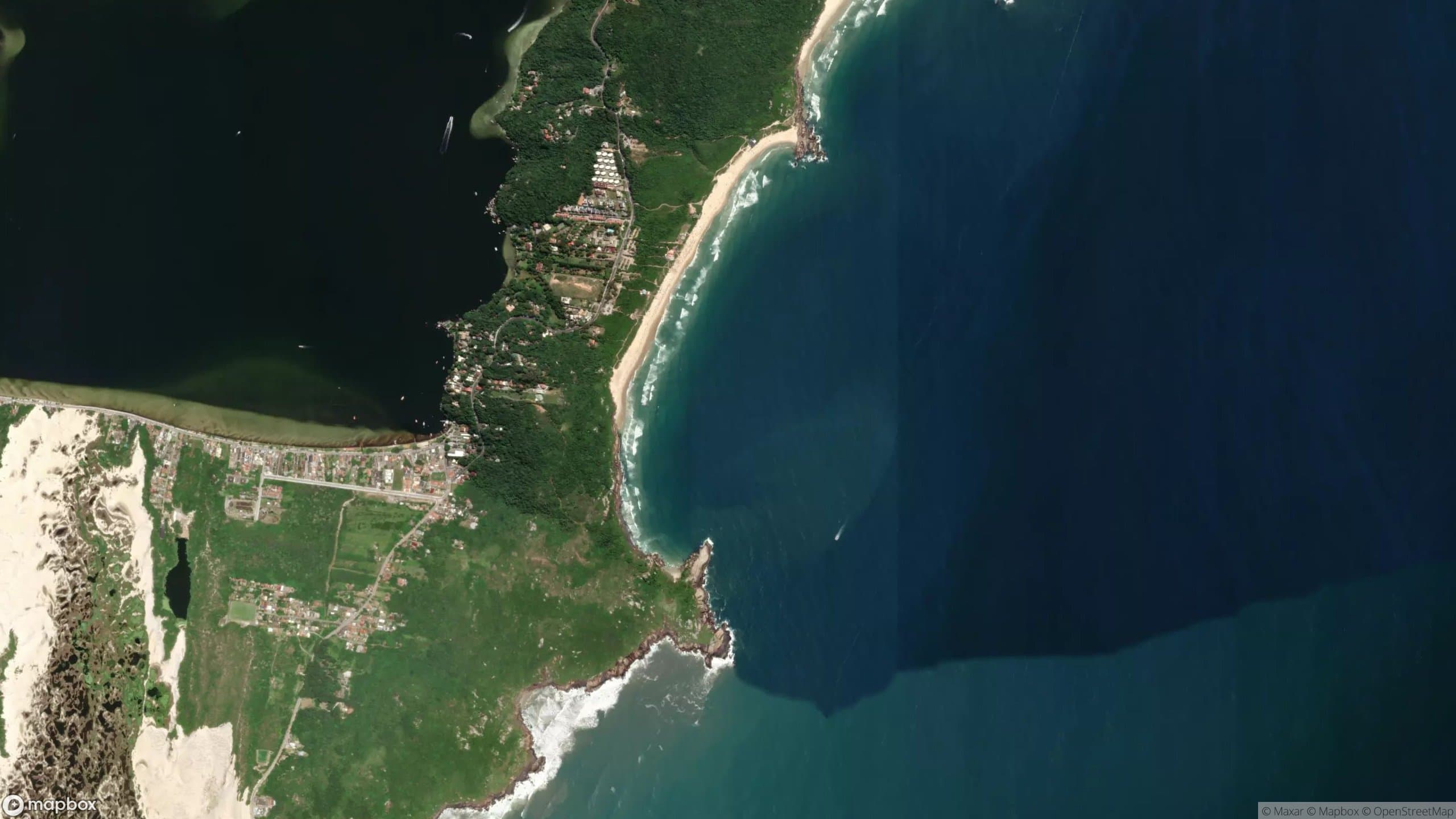
Santa Catarina for quality and variety. This is Brazil's most complete surf region. Florianópolis gives you airport access, accommodation range, and easy 30-60 minute drives to Joaquina, Silveira, Guarda do Embaú, and Praia Mole. First-timers and returning surfers both find what they need here. August through October is peak season. Expect crowds at popular breaks on weekends.
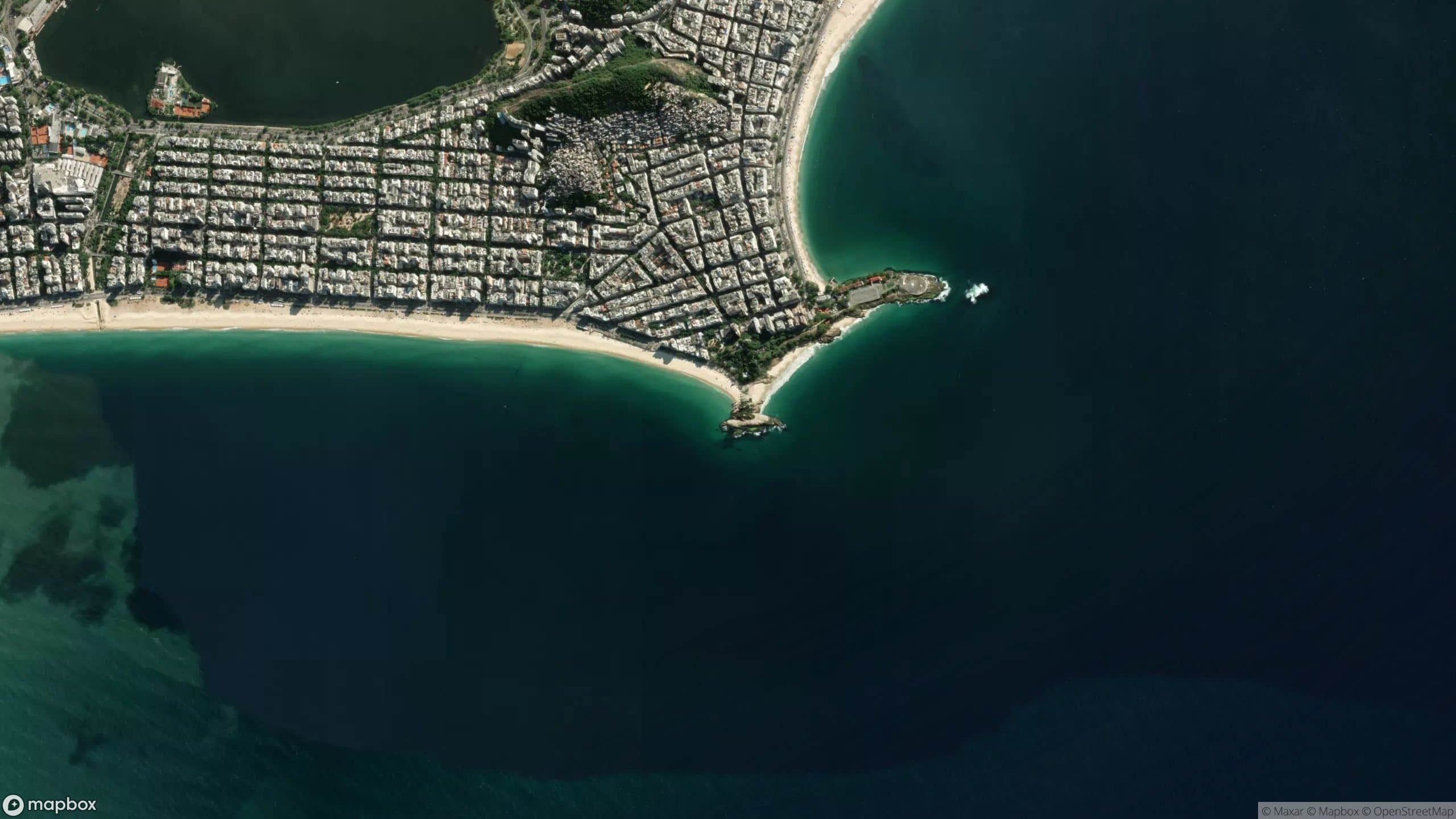
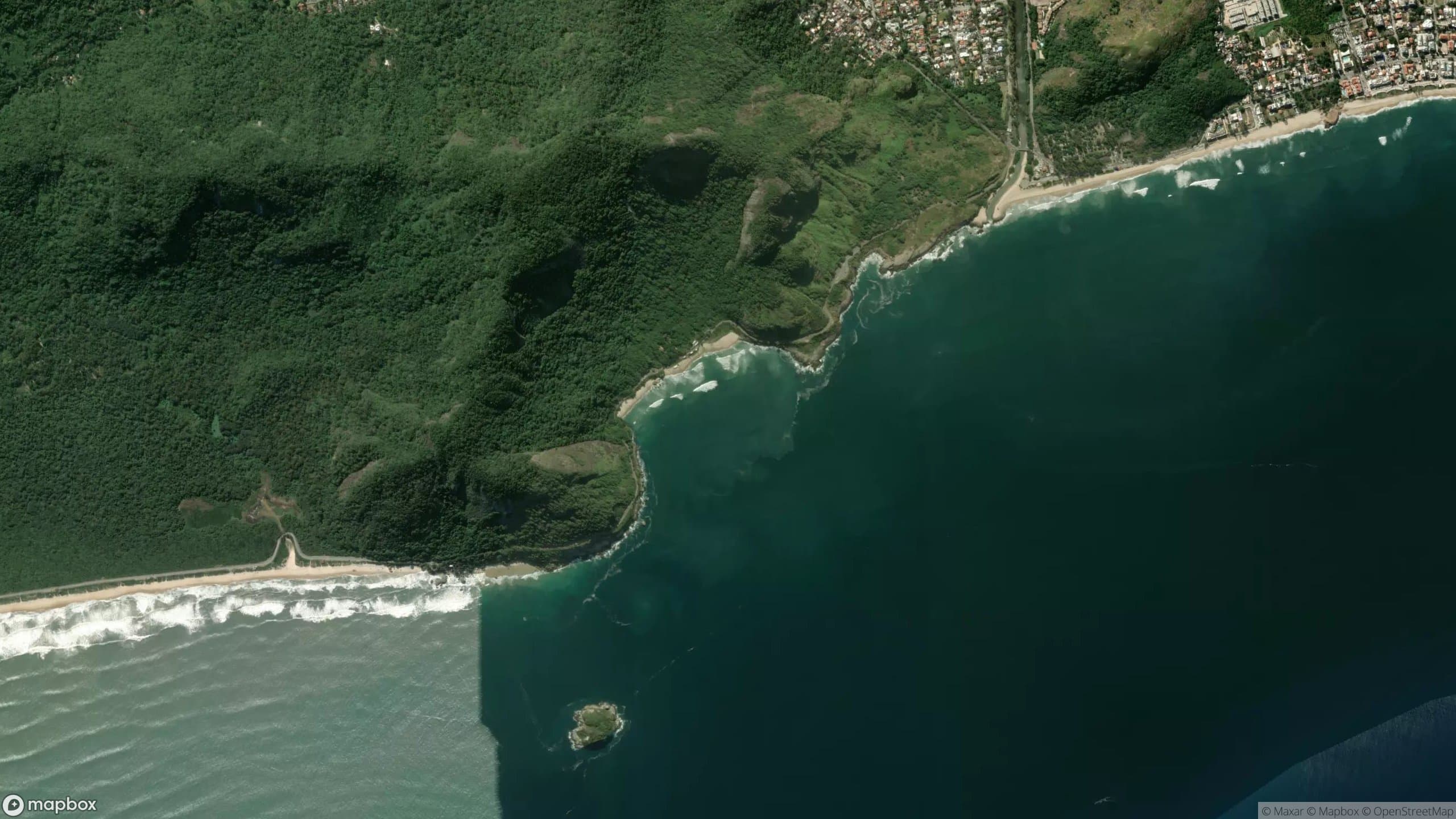
Rio de Janeiro for experience and convenience. Rio makes sense if it's your first Brazil trip and you want more than surf. The Zona Sul around Ipanema, Arpoador, and Barra da Tijuca fires on SE and S swell April through September. Grumari offers a quieter option 30 minutes west of Barra. The city is big, logistically complex, and requires attention to safety, but the surf-to-culture ratio is hard to beat.
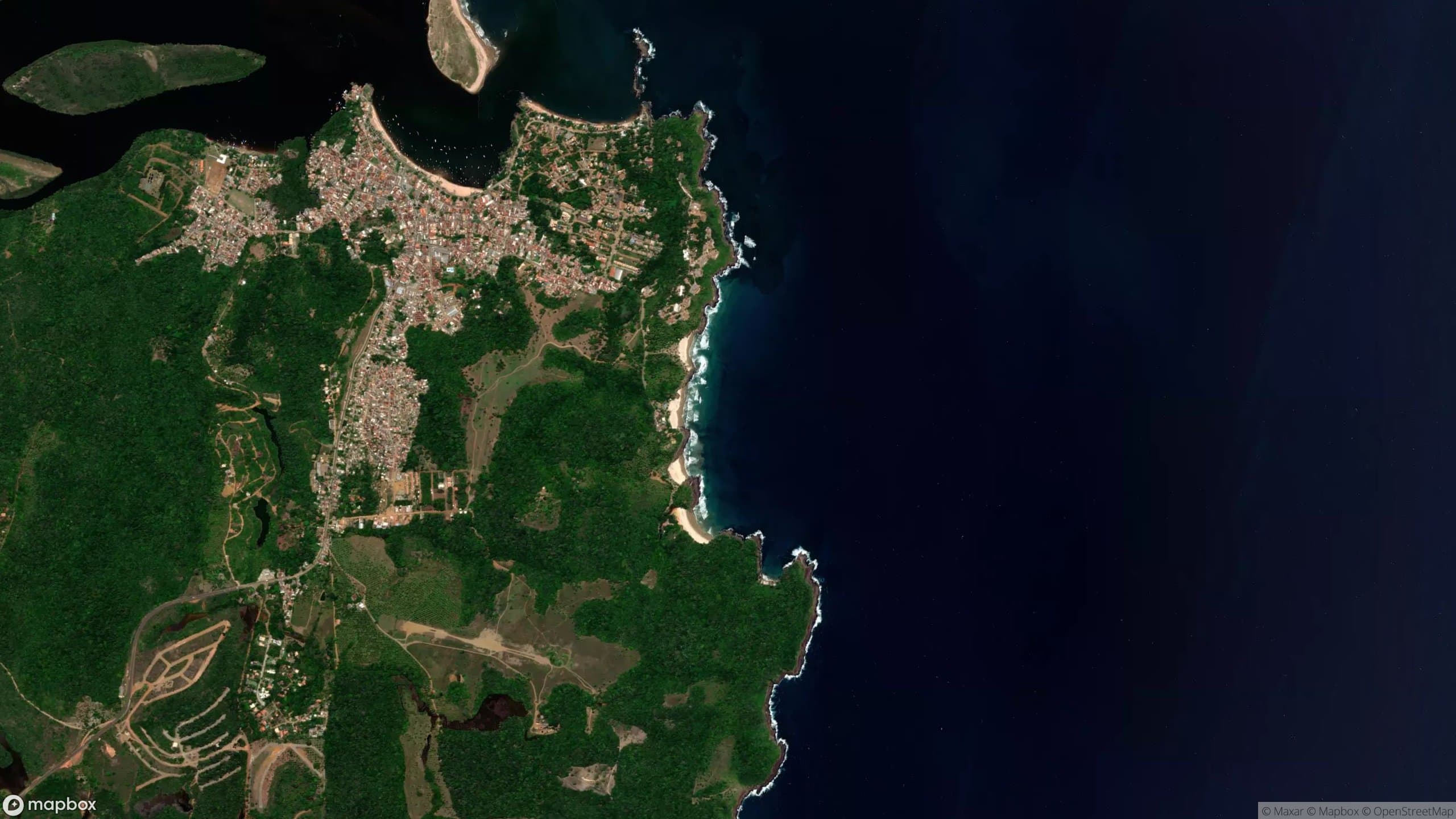
Bahia's Itacaré for mid-coast tropical surf. Itacaré punches above its size. Boca da Barra's long-walling right, shifting sandbars, and warm 24-28°C water make it one of Brazil's best intermediate-to-advanced bases. March through October is prime. The town has good infrastructure without the mass-tourism pressure of the south.
Ceará or Rio Grande do Norte for budget-friendly northeast consistency. Fortaleza and Natal both have direct international connections. Jericoacoara, accessible from Fortaleza by transfer, is a genuine bucket-list stop with multiple wave options and a strong kite and surf scene. Rio Grande do Norte's Baia Formosa and Madeiro are quieter and more beginner-accessible. Either base gives you warm water, affordable accommodation, and a slower pace.
Logistics
The main entry airports for surfers are Guarulhos (São Paulo), Galeão (Rio de Janeiro), Recife (Pernambuco), and Fortaleza (Ceará). Florianópolis has a smaller airport with domestic connections from São Paulo and Rio.
Getting between regions takes time. Brazil is continental in scale. Flying domestically is the only realistic option for trips covering more than one coast. LATAM and Gol serve most state capitals with reliable schedules. Budget R$400-800 per domestic leg depending on the route and timing. Buses cover shorter regional hops, with comfortable overnight services between coastal cities in the south.
Within regions, renting a car or scooter is standard practice. Uber works well in larger cities including Fortaleza, Recife, Natal, Florianópolis, and Rio. In smaller coastal towns like Itacaré and Jericoacoara, local taxis and mototaxis cover the gaps.
Surfboard bags on domestic flights occasionally attract oversized-luggage fees. Check current airline policies before flying. Most surf towns have at least one local shaper or rental shop if you want to travel light.
Accommodation density varies sharply. Santa Catarina, Rio, and the northeast's main surf towns are well stocked with pousadas, hostels, and surf camps across all budgets. Maranhão, Pará, and Paraíba have thin infrastructure and require advance planning.
Money + connectivity
Brazil's currency is the Brazilian Real (BRL). ATMs are widespread in cities and larger coastal towns. Bradesco, Banco do Brasil, and Itaú machines accept international cards with the best reliability. Smaller surf towns sometimes have only one ATM, and it runs dry on long weekends. Carry enough cash when leaving major centers.
Credit cards are widely accepted in restaurants, surf shops, and hotels in tourist areas. Visa and Mastercard coverage is solid. Amex is spottier. Some smaller pousadas and local food stalls are cash-only.
For mobile connectivity, Claro and TIM offer the most consistent coverage along both coasts. Buy a local SIM at any airport arrivals hall for R$30-60 with a solid data package. eSIM options from providers like Airalo work well for short trips. 4G coverage is reliable in cities and main surf towns. Expect dead zones in Maranhão, Pará, and remote spots in Paraíba.
Internet quality in surf pousadas ranges from adequate to frustrating. Download offline maps and tide apps before you leave your base.
Visa + entry
Brazil reinstated visa requirements for US, Australian, and Canadian passport holders in 2024, requiring an e-Visa obtained in advance. UK, EU, and most South American passport holders currently enter visa-free for up to 90 days. Always check current requirements at the Brazilian consulate for your country before booking, as policy has shifted multiple times in recent years.
The e-Visa process is online and typically takes 3-10 business days. Apply well ahead of travel. Extensions can be requested through the Federal Police for an additional 90 days, up to a maximum 180-day stay per year.
Fernando de Noronha requires a separate environmental preservation fee paid on arrival, currently around R$100-200 per day depending on length of stay. Visitor numbers to the island are quota-controlled, so book accommodation early.
Health + safety
Water safety varies significantly by region. Rio's urban beaches including Copacabana and Flamengo carry periodic pollution warnings, particularly after heavy rain when storm drains flush into the lineup. Check local conditions before paddling out near any urban stretch. Northeastern and southern coastal breaks are generally cleaner.
Mosquito-borne illness is a real concern across tropical and subtropical regions. Dengue is the primary risk and circulates year-round, with peaks in the wet season (October through April in most regions). Use repellent consistently, especially at dawn and dusk. Yellow fever vaccination is recommended for travel to certain inland areas and is required if entering from some neighboring countries. Check current advisories.
Reefy breaks exist in Pernambuco, Bahia, Alagoas, and at Fernando de Noronha. Booties are useful at reef spots. Know the depth of what you're paddling over before committing to a set wave.
Road safety deserves attention. Brazilian traffic is aggressive by most travelers' standards, and scooter and motorcycle accidents involving surfers happen every season. Wear a helmet, stay off roads at night in unfamiliar areas, and do not ride drunk.
Theft is the most consistent safety concern across the country. Leave nothing unattended on the beach. In Rio, restrict valuables and keep a low profile in unfamiliar neighborhoods. Petty theft near urban lineups is documented across São Paulo's coast, Rio, and Recife. Use a cheap watch and a beater phone at the beach.
Food + culture
Brazilian food at the coast is genuinely good and affordable when you eat where locals eat. Look for the lunch buffet by weight, called comida a quilo, available in almost every coastal town. A solid plate of rice, beans, grilled fish, salad, and farofa runs R$30-60. I'd prioritize fresh fish over meat at any coastal pousada. Moqueca, a slow-cooked coconut milk and tomato fish stew from Bahia, is the dish worth tracking down in the northeast.
In the northeast, tapioca crepes stuffed with cheese, meat, or coconut are the standard beach breakfast and cost almost nothing from a street vendor. In the south, expect a more European-influenced menu with churrasco (grilled meat) dominating dinner menus in Santa Catarina and Rio Grande do Sul.
Brazilian surf culture is expressive and loud. Hoots in the lineup are genuine. The local hierarchy at popular breaks is enforced less through aggression and more through sheer positioning skill. Paddle out with respect, wait your turn at crowded spots, and you'll get waves. Speaking a few words of Portuguese earns goodwill fast. Brazilians respond warmly to the attempt even when the pronunciation is terrible.
Tipping is not mandatory but is customary in sit-down restaurants at around 10 percent, usually already suggested on the bill. Taxi and rideshare tipping is not expected.